‘While CBAM could encourage wider adoption of carbon-pricing policies, it also poses significant challenges for developing countries such as India’
| Photo Credit: Getty Images
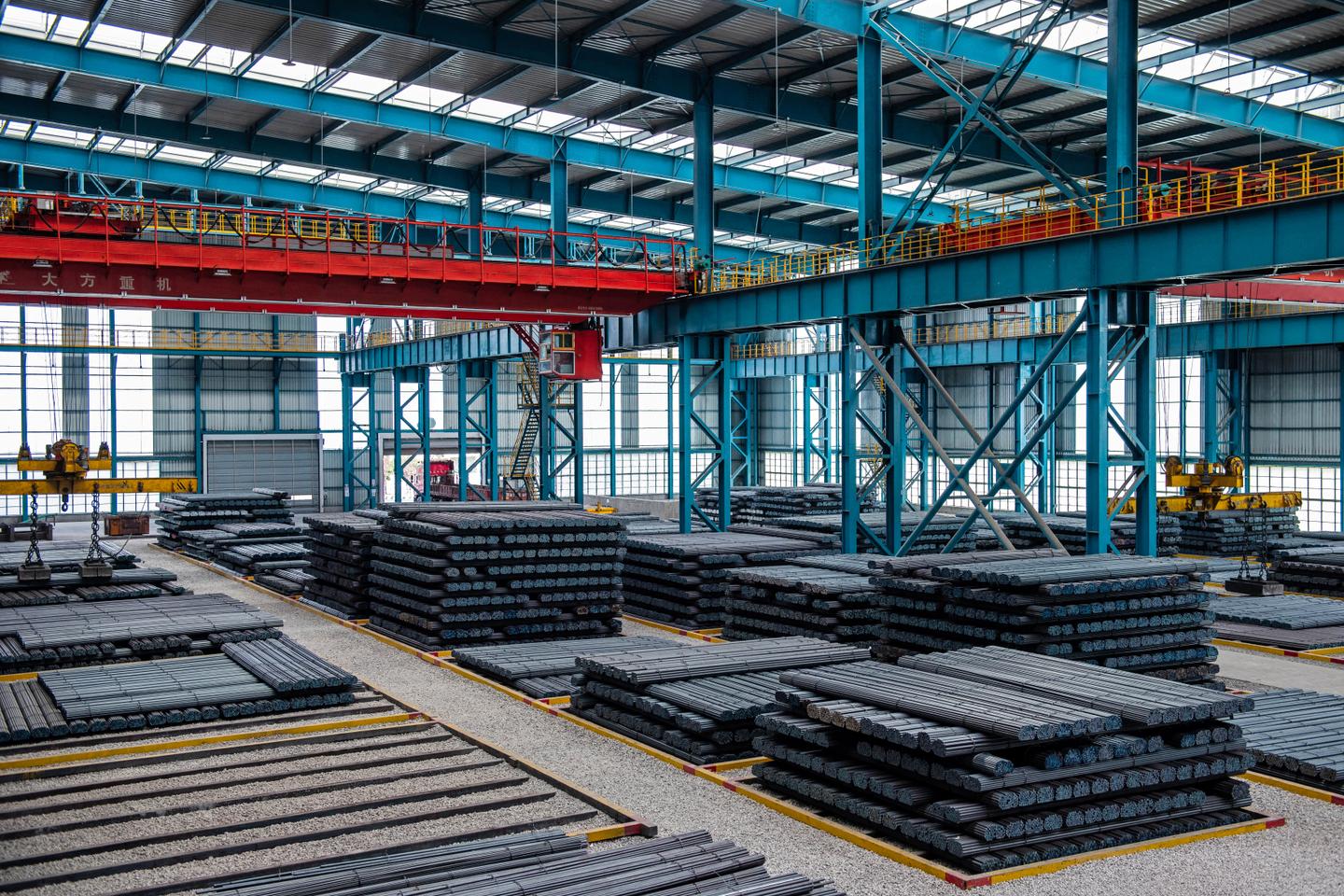
Proposed in July 2021, the European Union (EU)’s Carbon Border Adjustment Mechanism (CBAM) entered its definitive phase from January 1, 2026. As a climate policy tool, CBAM seeks to prevent carbon leakage by imposing a carbon-linked charge on imports based on their embedded emissions. Carbon-intensive products such as steel, cement, aluminium, fertilizers, electricity, and hydrogen will be affected. While CBAM could encourage wider adoption of carbon-pricing policies and help reduce global emissions, it also poses significant challenges for developing countries such as India.Even as India pursues bilateral trade negotiations with the EU, CBAM will still apply, making carbon-intensive exports to Europe costlier. Market access, therefore, is increasingly being shaped not only by tariffs but also by compliance with carbon-emission standards. Its effects may also extend beyond targeted sectors through global price shifts and the gradual adoption of similar policies by other developed countries.Sectors to be impactedIndia’s steel and aluminium sectors are likely to face the most immediate impact, given their dependence on European markets and carbon-intensive production processes. Although the carbon levy will formally be paid by EU importers, part of the burden is likely to shift to exporters through tighter contracts and stricter supplier selection. As European buyers increasingly prefer low-emission suppliers, Indian exporters may have to absorb some of the additional costs to remain competitive in the European market or invest in cleaner technologies to retain market access. In the short run, compliance costs could shrink profit margins and hurt export competitiveness despite ongoing free trade agreement negotiations.The effects of CBAM are not confined to direct trade impacts. As a major net importer of fertilizers, India may also face indirect price pressures through global price transmission. Key fertilizer exporters to the EU — Egypt, Russia, Morocco and China — are also major suppliers of fertilizers to India. As these suppliers face higher carbon-compliance costs, part of the burden is likely to be passed on through higher global fertilizer prices. India’s fertilizer import bill is therefore likely to increase, jeopardising the agricultural sector, farm profitability and high food prices. More broadly, CBAM signals a structural shift in global trade, as other developed countries consider adopting similar carbon tariff compliance policies, potentially constraining market access for developing countries such as India.The CBAM frameworkCBAM is structurally distinct from traditional non-tariff measures (NTMs), such as product standards. While NTMs affect market access through compliance requirements and are largely qualitative, with scope for interpretation, CBAM is price-based and quantifiable, directly linking market access for carbon-intensive products to carbon emissions.In this changed scenario, even if exporters comply with the product quality standards in destination markets, the carbon intensity of production is likely to raise export costs and thereby constrain market access. Additionally, investing in cleaner energy and transitioning toward carbon-neutral production is significantly more expensive than complying with conventional product quality standards, especially in the short run.Market access and export growth are no longer determined by tariffs alone. As global trade becomes increasingly linked to carbon-emission measures, comparative advantage now depends not only on production efficiency and pricing, but also on the carbon efficiency of production processes. In this context, countries such as India must adopt a two-pronged strategy of domestic reform and effective international negotiation.Moves to considerDomestically, greater investment in clean energy and stricter implementation of carbon policies are essential to improve firms’ carbon efficiency. Internationally, India must negotiate for equitable treatment of developing countries so that the short-run costs of carbon compliance can be eased through a phased transition. Since climate policies such as CBAM also raise the cost of importing emission-intensive and more expensive goods such as fertilizers, reducing import dependence through higher domestic production and better implementation of the Soil Health Cards Scheme and the promotion of balanced and need-based application of fertilizers is equally important. India must also seek transitional support and technology transfer to ensure a level playing field in trade agreements with developed countries. The challenge is not merely adapting to carbon-constrained trade regimes, but ensuring that the transition does not undermine growth and sustainability.Poornima Varma is a faculty member at the Indian Institute of Management Ahmedabad (IIMA). The views expressed are personal Published - May 28, 2026 12:08 am IST