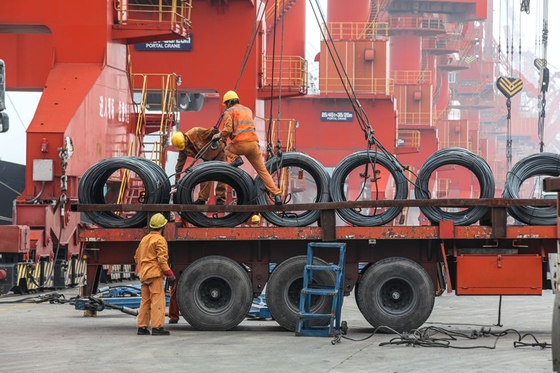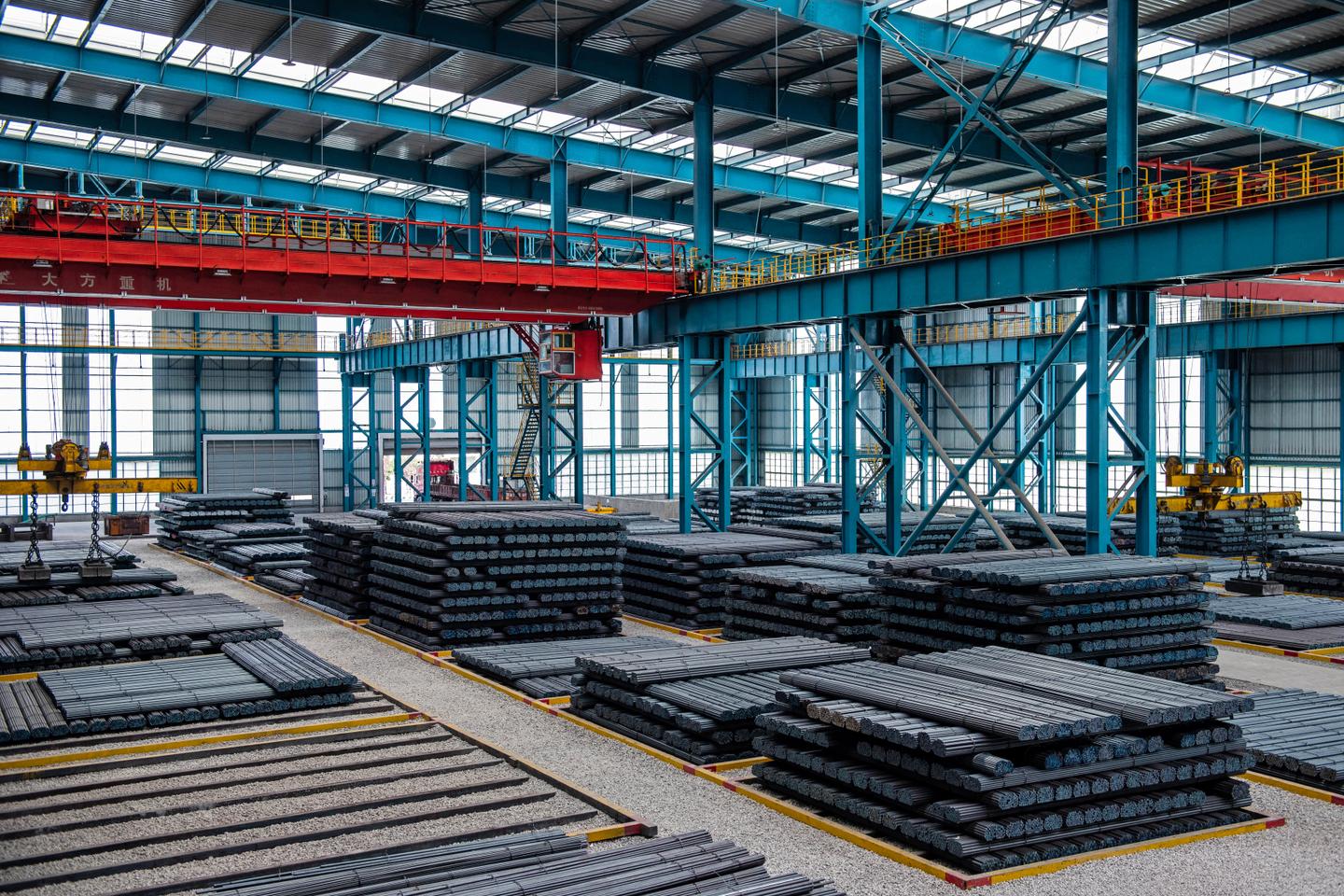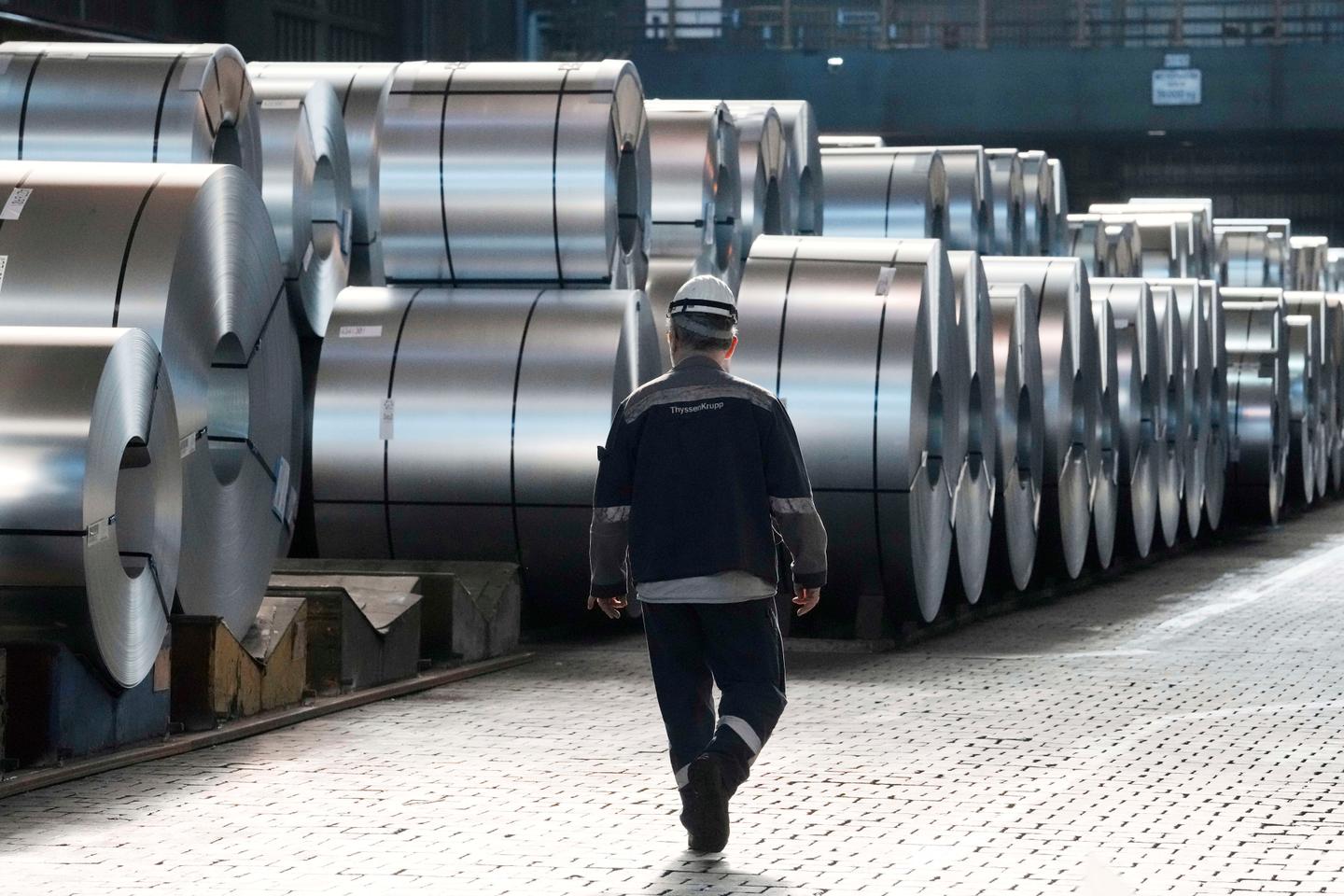
1. The EU's tightening carbon regulations are creating barriers for Chinese auto exports, pushing manufacturers to enhance decarbonization and supply chain carbon management [para. 1].2. The EU implemented the Carbon Border Adjustment Mechanism (CBAM) on January 1, imposing levies on greenhouse gases in imports like cement, steel, aluminum, fertilizers, electricity, and hydrogen; expansion to 180 steel/aluminum-intensive products including autos and parts is proposed for 2028 [para. 2].3. Additional regulations like the Batteries Regulation (August 2023), Automotive Package (late 2025), and Industrial Accelerator Act (earlier this year) challenge Chinese automakers and their supply chains [para. 3].4. Yang Yuntong of Geely states that EU carbon rules are shifting from cost to compliance issues, increasingly limiting Chinese exports [para. 4].5. In 2025, the EU was China's third-largest auto export market after Central/South America and Middle East, buying higher-priced vehicles averaging over $20,000 vs. $13,000 in Central/South America [para. 5].6. CBAM currently excludes assembled vehicles/parts, but expansion could add costs; trend shows regulation moving downstream [para. 6].7. CBAM and Batteries Regulation indirectly affect autos via upstream suppliers like steel/aluminum and batteries, passing pressures to automakers [para. 7].8. Chinese automakers are localizing EU supply chains to avoid high compliance costs on low-value parts like screws; future expansion to chassis, hubs etc. worsens this [para. 8].9. Chery Chairman Yin Tongyue urged green raw materials and full-lifecycle carbon reduction in steel from ore extraction during March "Two Sessions" [para. 9].10. EU rules are layered; Industrial Accelerator Act retained "low-carbon" but dropped "local production" for procurement, balancing protection and imports [para. 11].11. Auto emissions mainly from upstream (energy/raw materials); China's steel has low-carbon capacity but green premiums aren't passed down [para. 13].12. Over 95% of vehicle carbon footprint from energy/raw materials; needs policy, consumer willingness for low-carbon premiums [para. 14].13. Steelmakers bear costs alone amid auto price wars; automakers resist even 5 yuan/vehicle increases [para. 15].14. Japan subsidizes up to 50,000 yen ($330) for green steel EVs since April 2025, prompting Toyota etc. to use low-carbon steel [para. 16].15. Chinese EVs reduce use-phase emissions; advantages in policy, supply chain scale for "dual carbon" goals [para. 17].16. Geely uses 15% recycled steel, 25% aluminum; Chery similar [para. 18].17. CBAM's measurement/reporting alone shifts management, beyond costs [para. 19].18. ESG vital for financing; investors prioritize GHG management, supply chain plans [para. 21][para. 22].19. Green financing needs clear projects, ESG disclosure, third-party certification [para. 23].20. 2026 rankings: Geely 1st Asia/8th global, BYD 14th; strong in metal recycling but lag in green steel targets, due diligence [para. 24].21. Carbon data now key procurement metric like price/quality; EU buyers require certified footprints, creating barriers under WTO rules [para. 25].22. Chinese automakers weak in upstream disclosures; databases lack China data [para. 26].AI generated, for reference only
In Depth: EU Carbon Rules Give China’s Auto Exports a Higher Bar to Clear
As the Carbon Border Adjustment Mechanism is implemented, Chinese carmakers are grappling with decarbonizing their supply chains and the rising costs of compliance to keep vehicle shipments growing
451 words~2 min read