Developing nations India and China are taking steps to at least partially comply with the EU's carbon border tariff when it takes effect Jan. 1, even as they vocally denounce the program. Actions focus on the introduction of new or strengthened carbon trading mechanisms and the adoption of detailed emissions data collection strategies.
Final Preparations Under Way
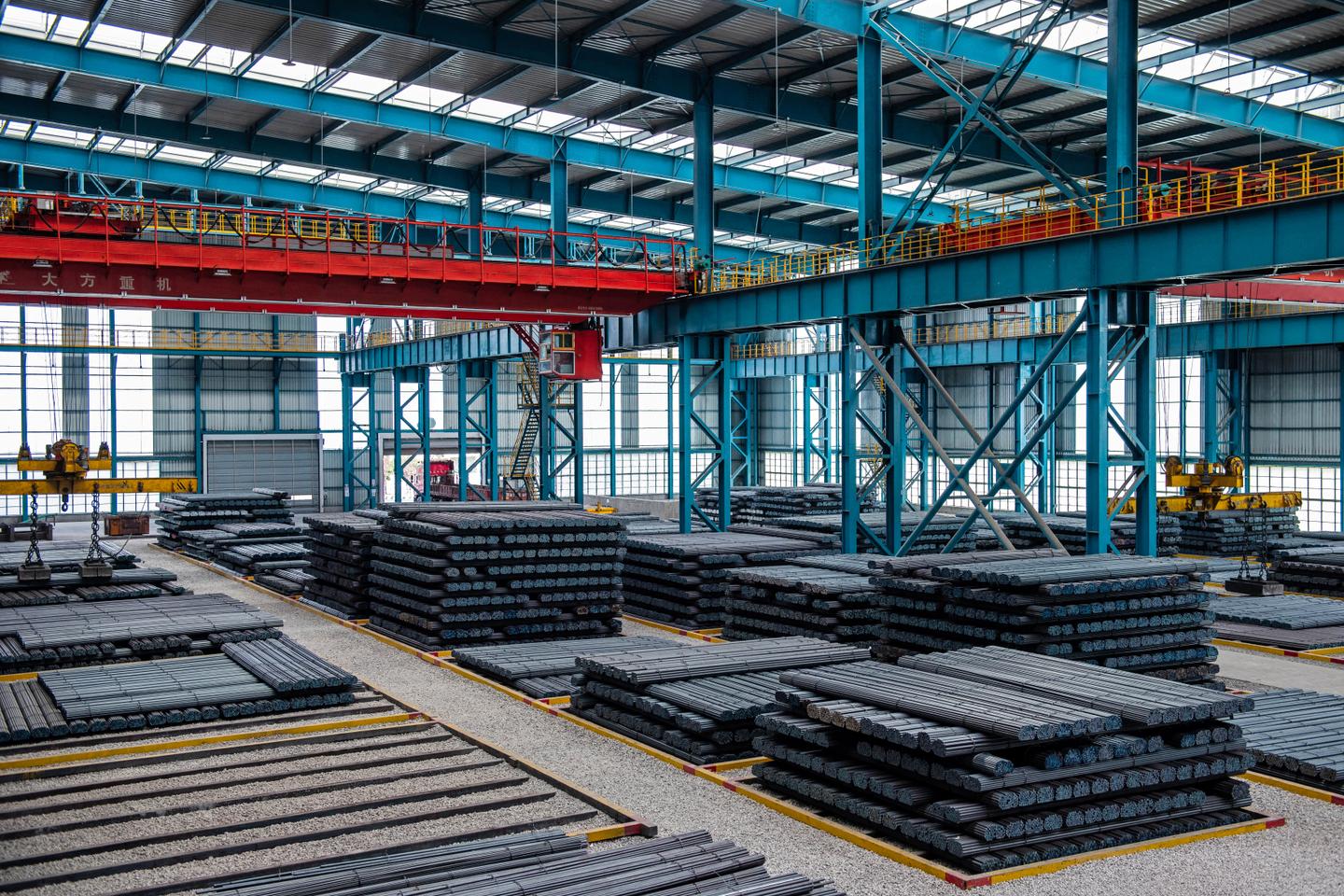
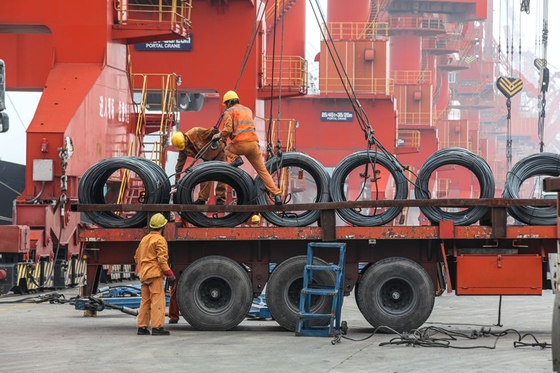
The Carbon Border Adjustment Mechanism (CBAM), set to go into effect Jan. 1, will initially be imposed on certain carbon-intensive products imported into the EU, such as iron and steel, cement, fertilizer, hydrogen and electricity, deemed to have a carbon footprint — with more sectors intended to be covered in the future. Importers of goods covered by CBAM must purchase certificates to cover the direct embedded emissions in their imported products. The price of these certificates will be based on the weekly average auction price of EU carbon allowances, which have come in at around €70 per ton ($80/ton) in recent weeks. Steel is bracing for hefty charges, since the sector accounts for the largest chunk of CBAM-related trade. During a trial period that began Oct. 1, 2023, companies from affected sectors have been required to share emissions data with the EU.