view more
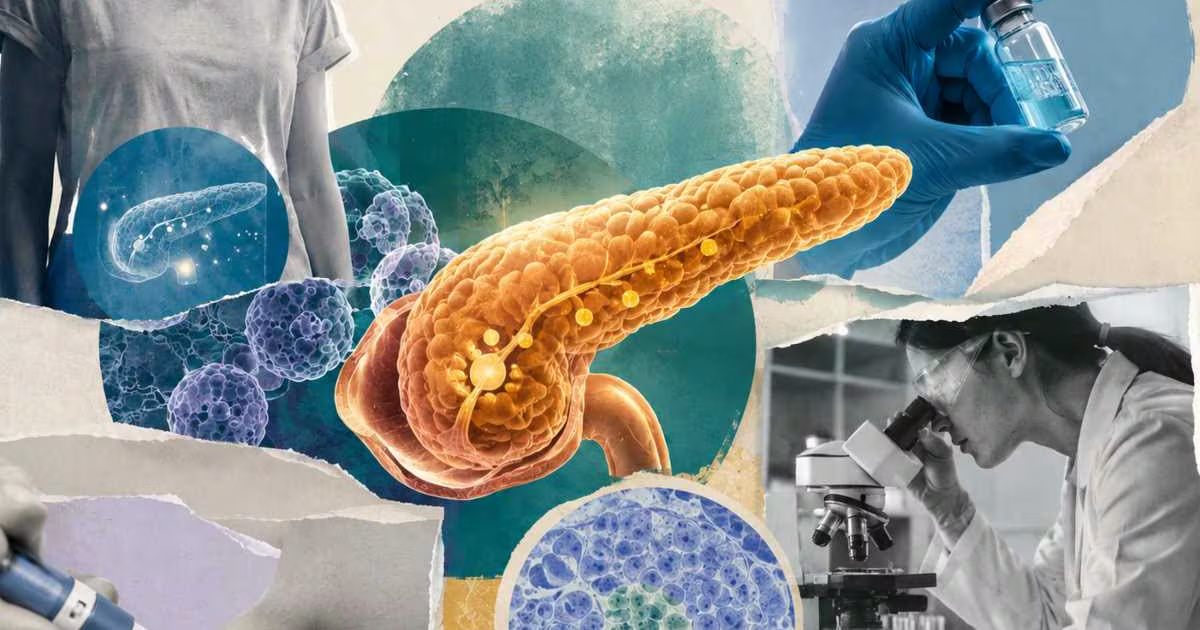
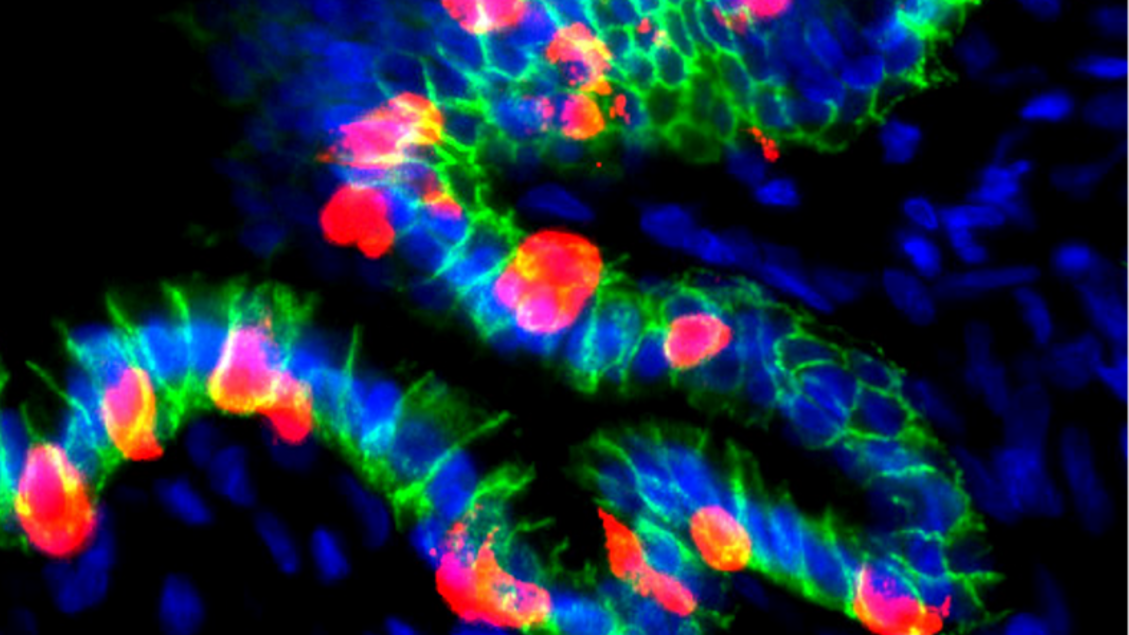
Researchers at Umeå University have conducted a unique three-dimensional mapping of an entire human pancreas. The study shows that insulin-producing cells can remain long after the onset of type 1 diabetes – a finding that suggests the disease progression is more complex than previously assumed.
“Our results suggest the pancreas can retain β cells – those insulin‑producing cells that are typically destroyed in type 1 diabetes – in a way that has not previously been recognized,” says Ulf Ahlgren, Professor at the Department of Medical and Translational Biology at Umeå University.
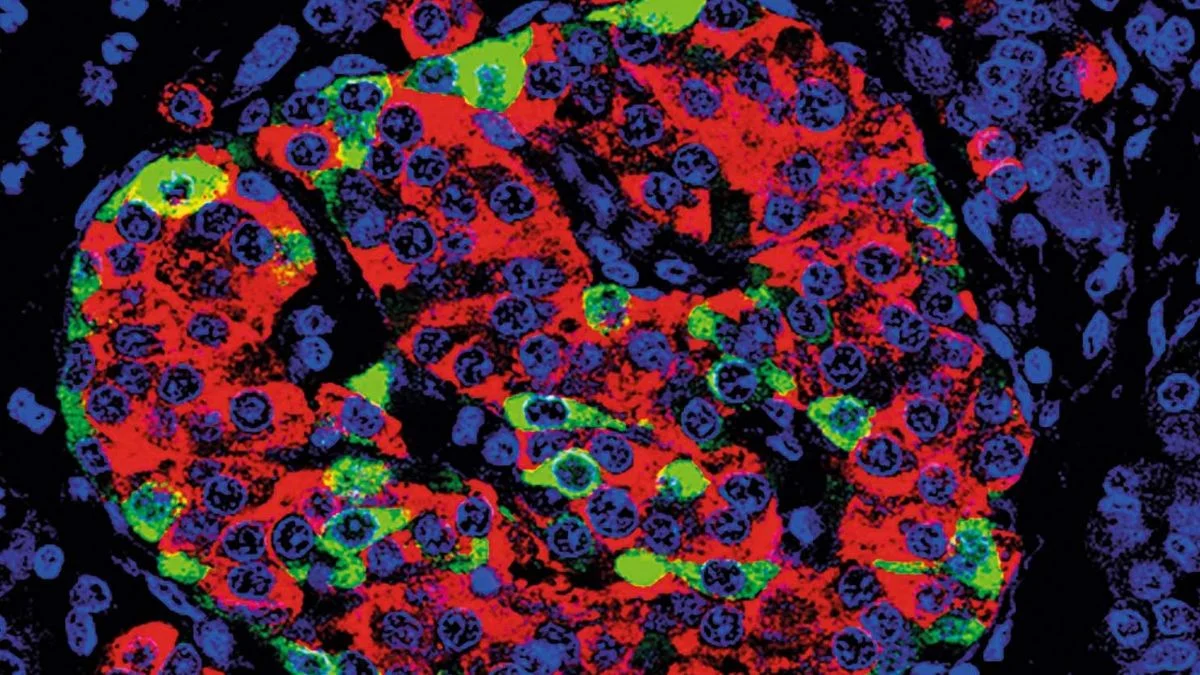
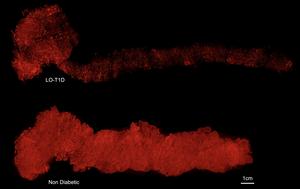
Using advanced imaging technologies, researchers at Umeå University have created the first complete 3D map of an entire pancreas from a donor with late‑onset type 1 diabetes, at a microscopic resolution. The analysis revealed that while traditional islets of Langerhans were largely depleted of β-cells, a substantial number of insulin‑producing cells still remained outside the islet structures. These were primarily found as individual cells or as small clusters of b-cells, in which the cells were distanced from all other endocrine cell types. In total, the researchers identified hundreds of thousands of insulin‑positive objects.