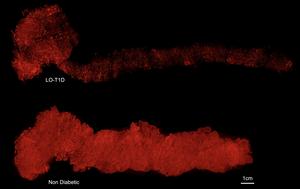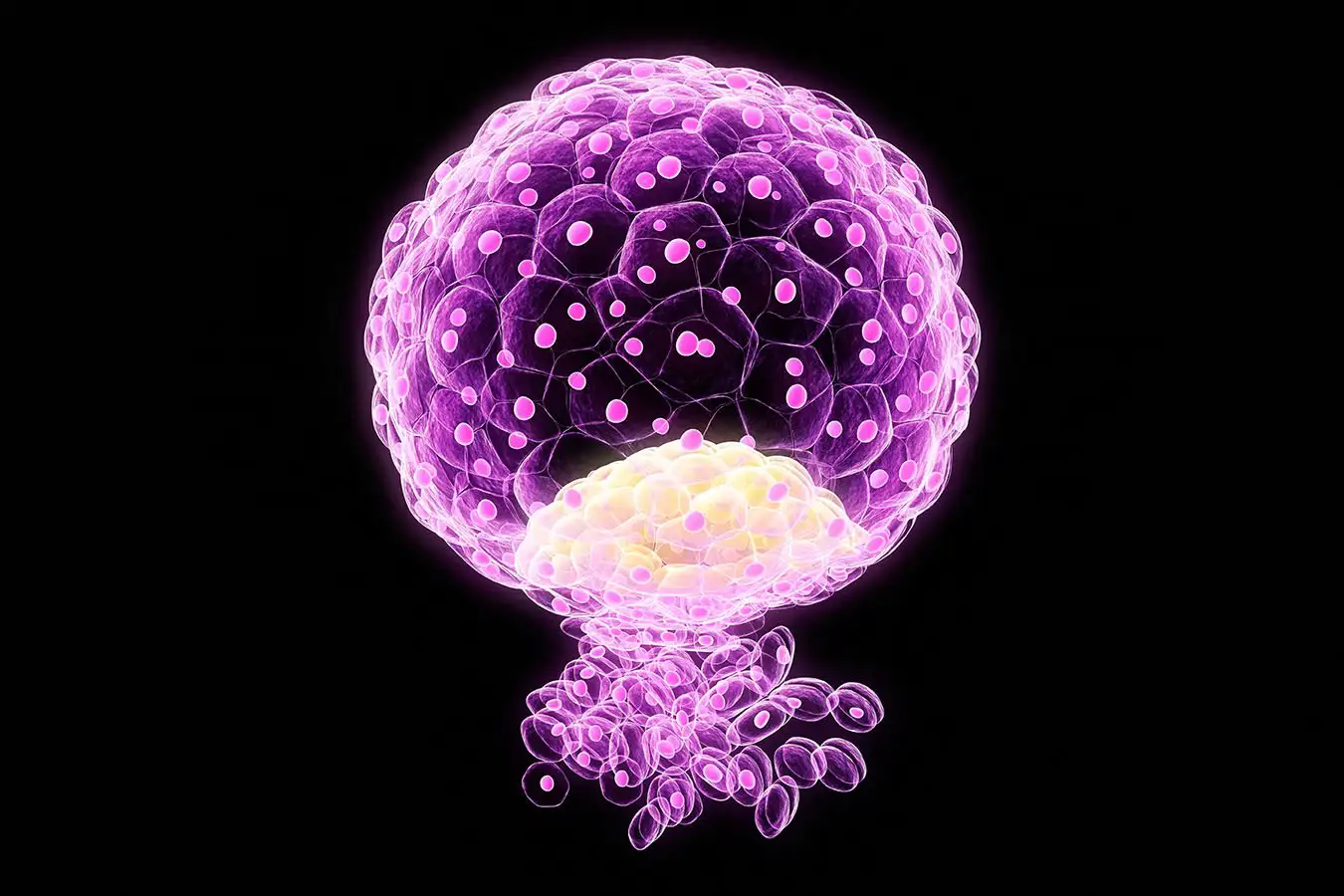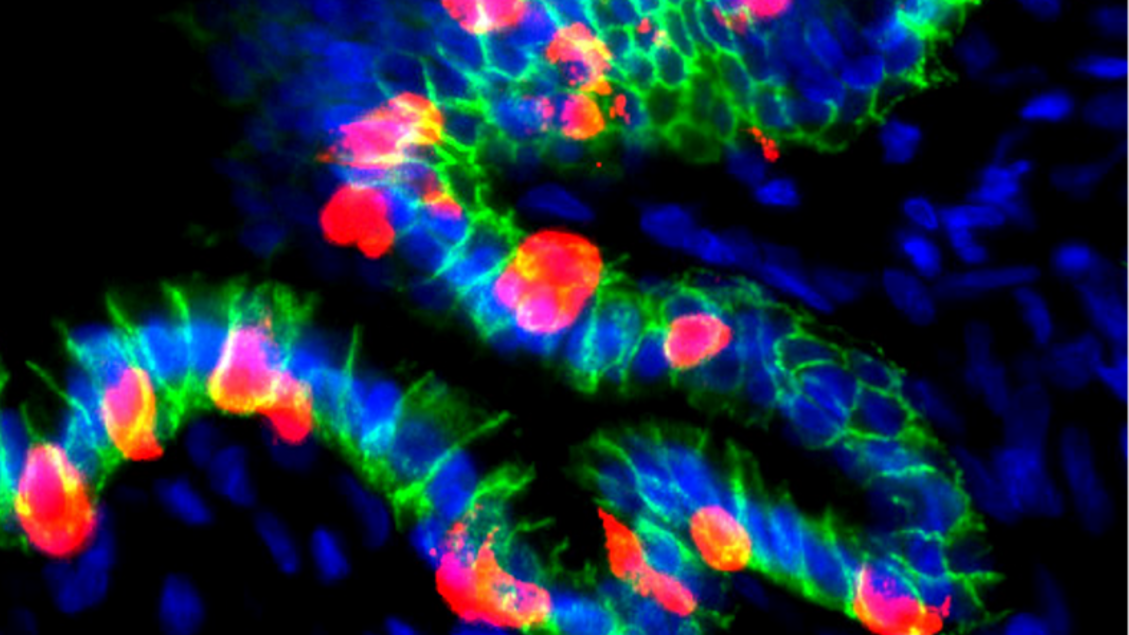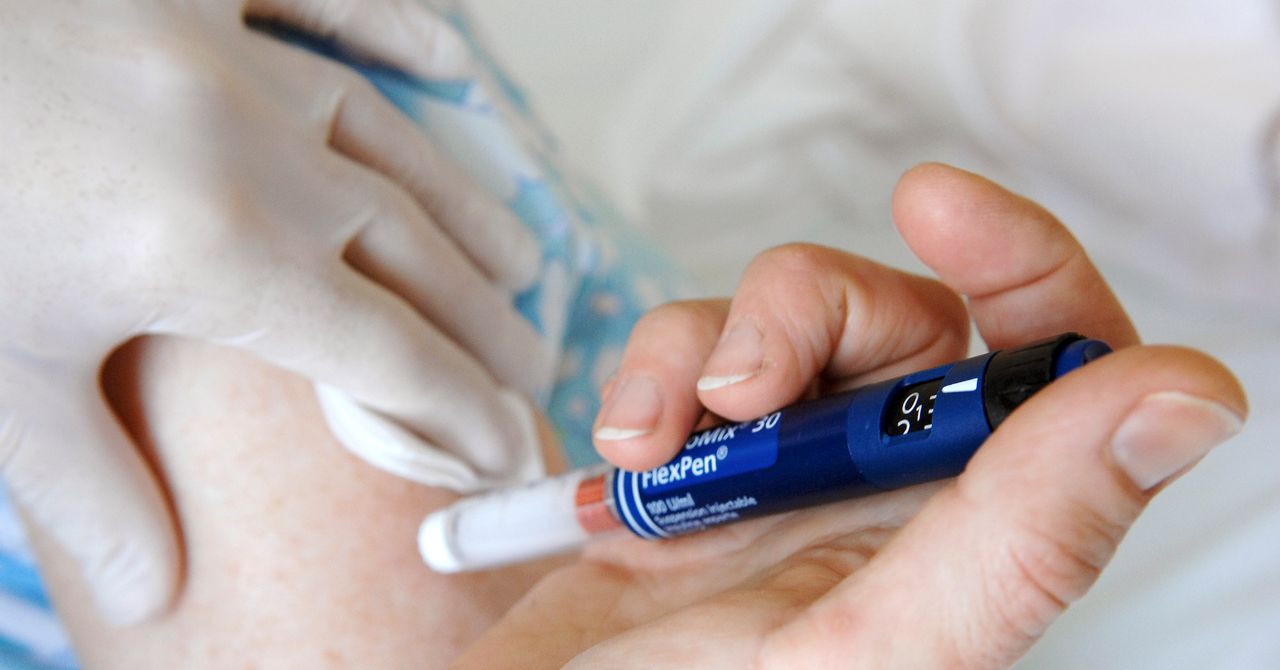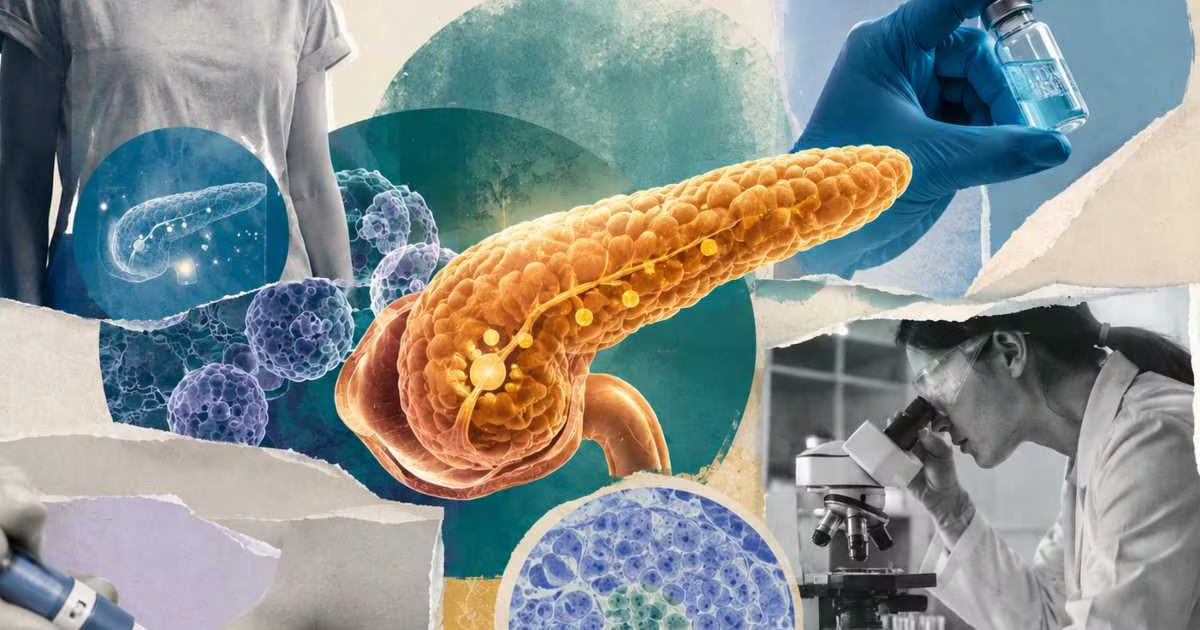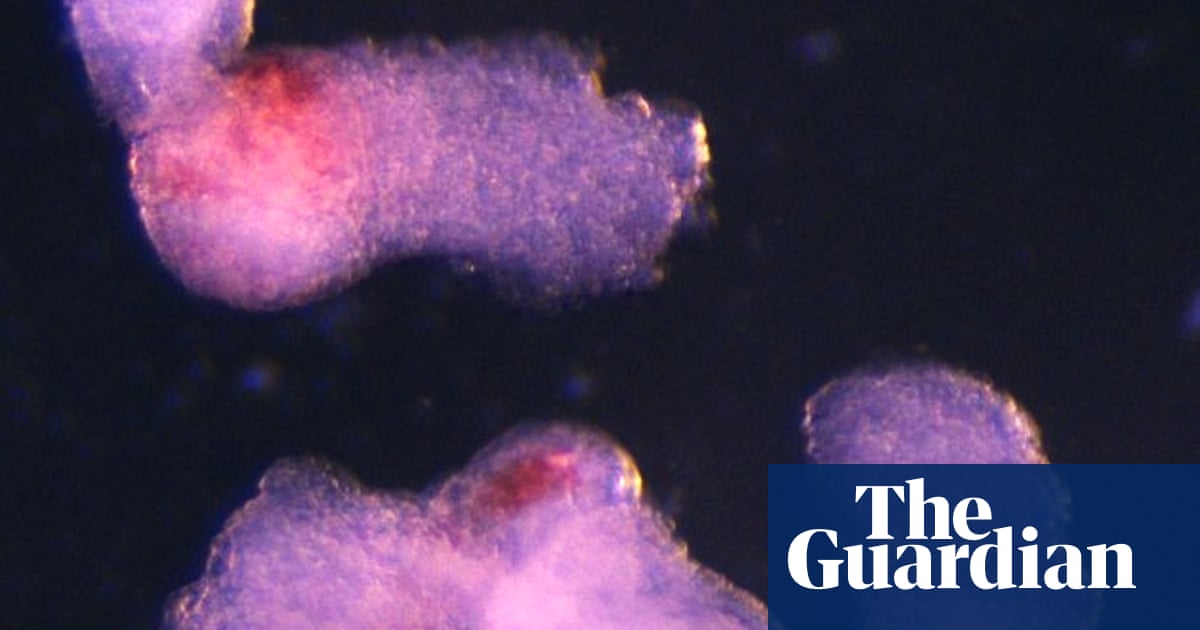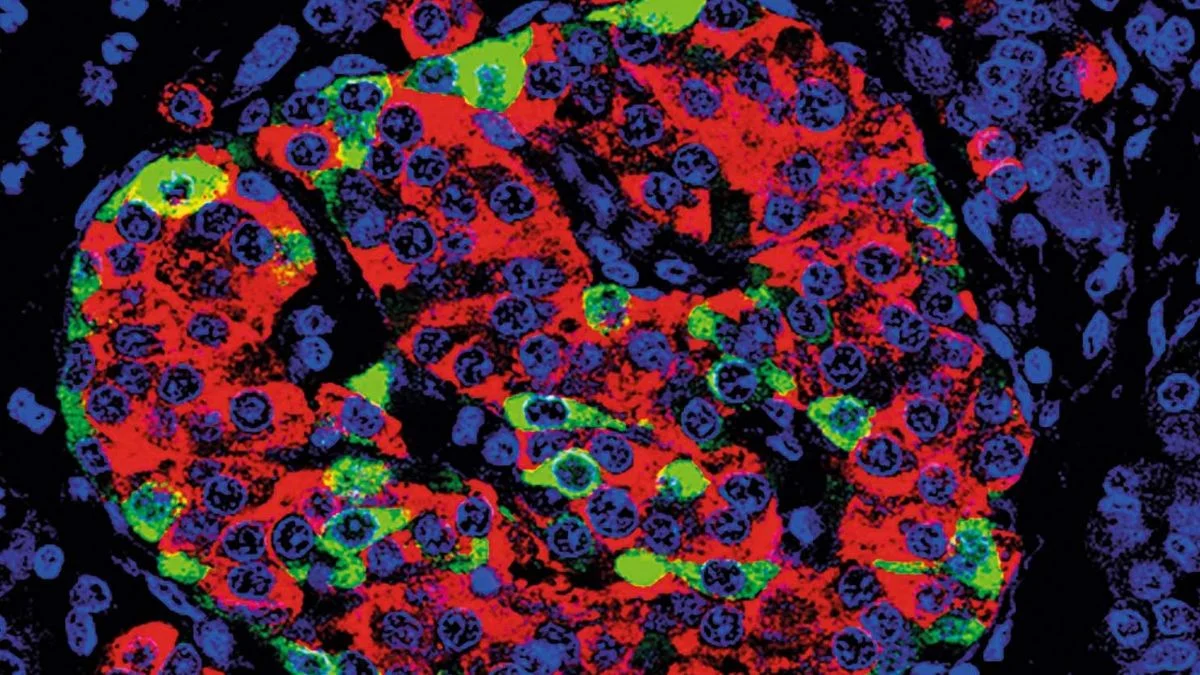
Humans have around 30 trillion cells in our adult bodies. Amazingly, each of these cells came from a handful of about 100 stem cells in the earliest days of development.The ability of these embryonic stem cells to turn into any cell type makes them pluripotent – something that researchers are harnessing in science and medicine today.The use of human embryonic stem cells in research began in 1998, when several human embryos were donated from couples undergoing in vitro fertilization.From these embryos, scientists generated a virtually unlimited supply of pluripotent cells.Almost 30 years later, these embryonic stem cell lines are still used in many research labs today.Another milestone in stem cell research came in 2007, when two labs – led by Shinya Yamanaka at the University of Kyoto in Japan and by James Thomson at the University of Wisconsin-Madison in the United States – separately published papers on how they had reprogrammed mature cells (like skin cells) back to a stem cell-like pluripotent state.These are known as induced pluripotent stem cells. Their main benefit is that they carry a person's own DNA, enabling more personalized disease-modelling and therapies.How can stem cells be used for diabetes treatment?In our research lab, we use embryonic stem cells to generate insulin-producing beta cells – the cell type that is destroyed by the immune system in people with Type 1 diabetes.The loss of these insulin-producing beta cells leaves patients dependent on insulin injections to control blood sugar levels and prevent severe complications like blood vessel and nerve damage.Insulin therapy does not relieve the emotional load of living with Type 1 diabetes. It also does not fully replace the dynamic function of the body's own beta cells, so many people with Type 1 diabetes still experience long-term health problems.To overcome this, researchers are making lab-grown stem cell-derived beta cells to try to restore the body's ability to produce insulin.Recent clinical trials have shown promising results of transplanting these cells into individuals with Type 1 diabetes:
Stem Cells Can Revive Insulin Production in Type 1 Diabetes, Trials Show
Humans have around 30 trillion cells in our adult bodies.
824 words~4 min read