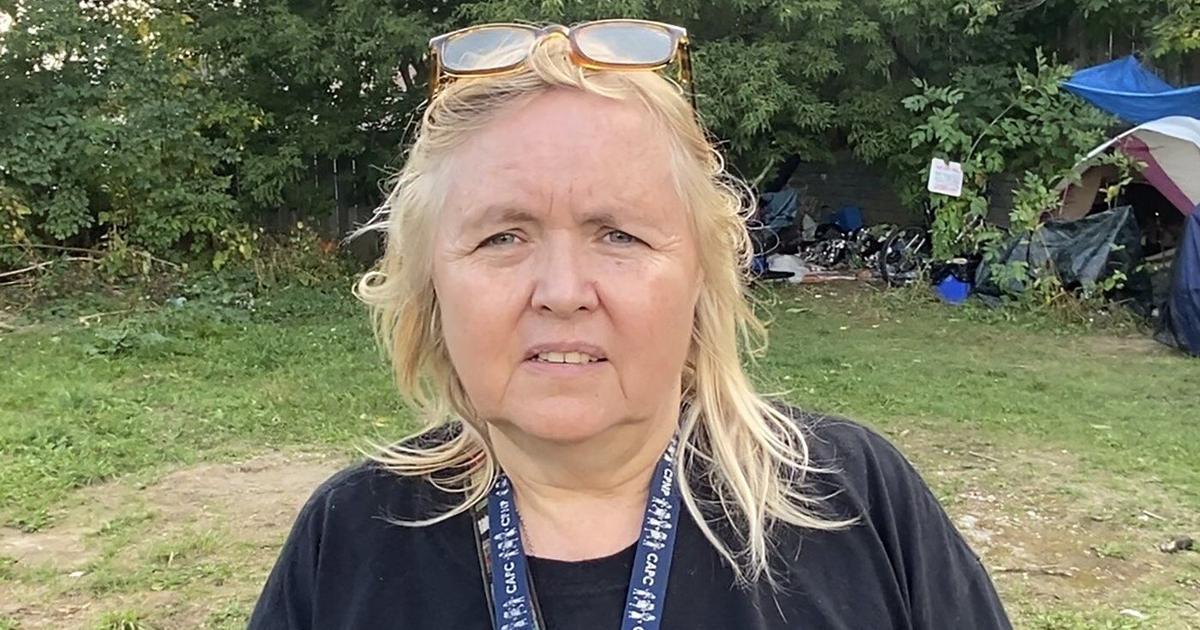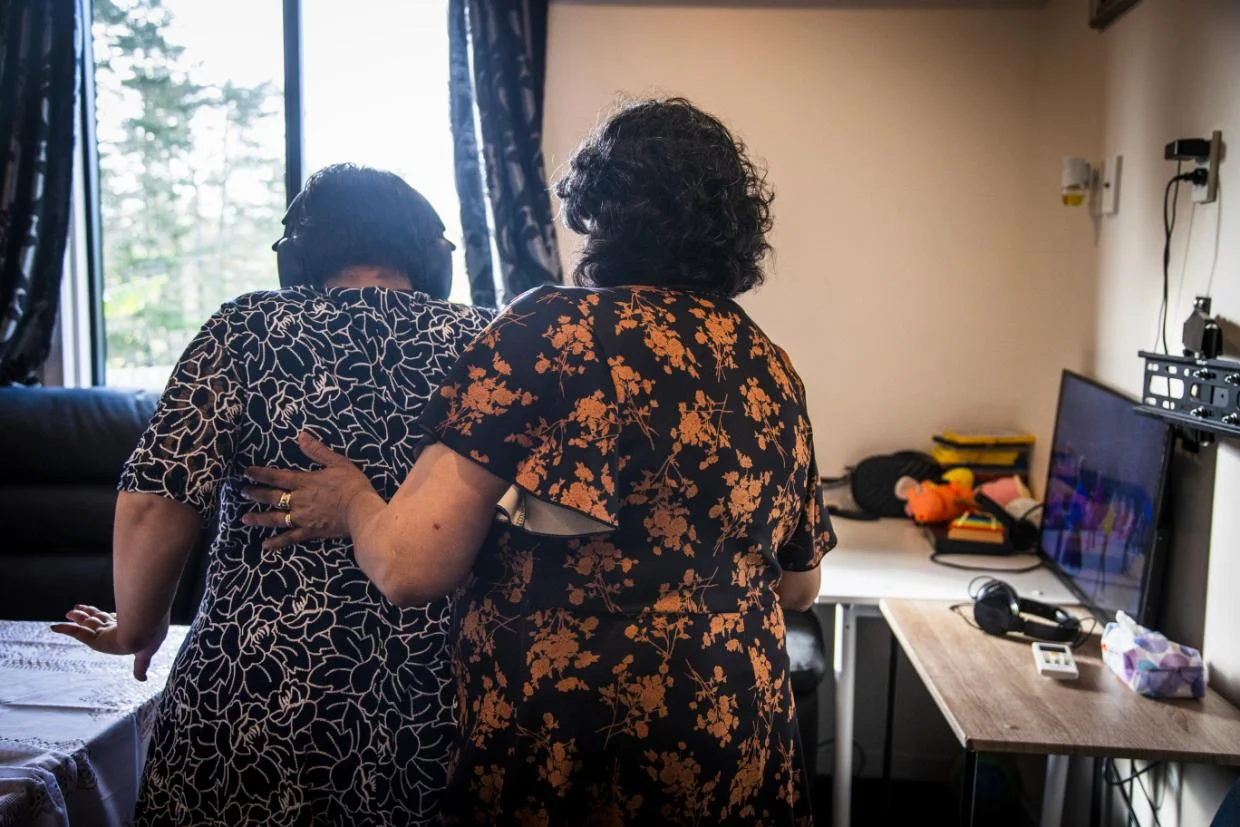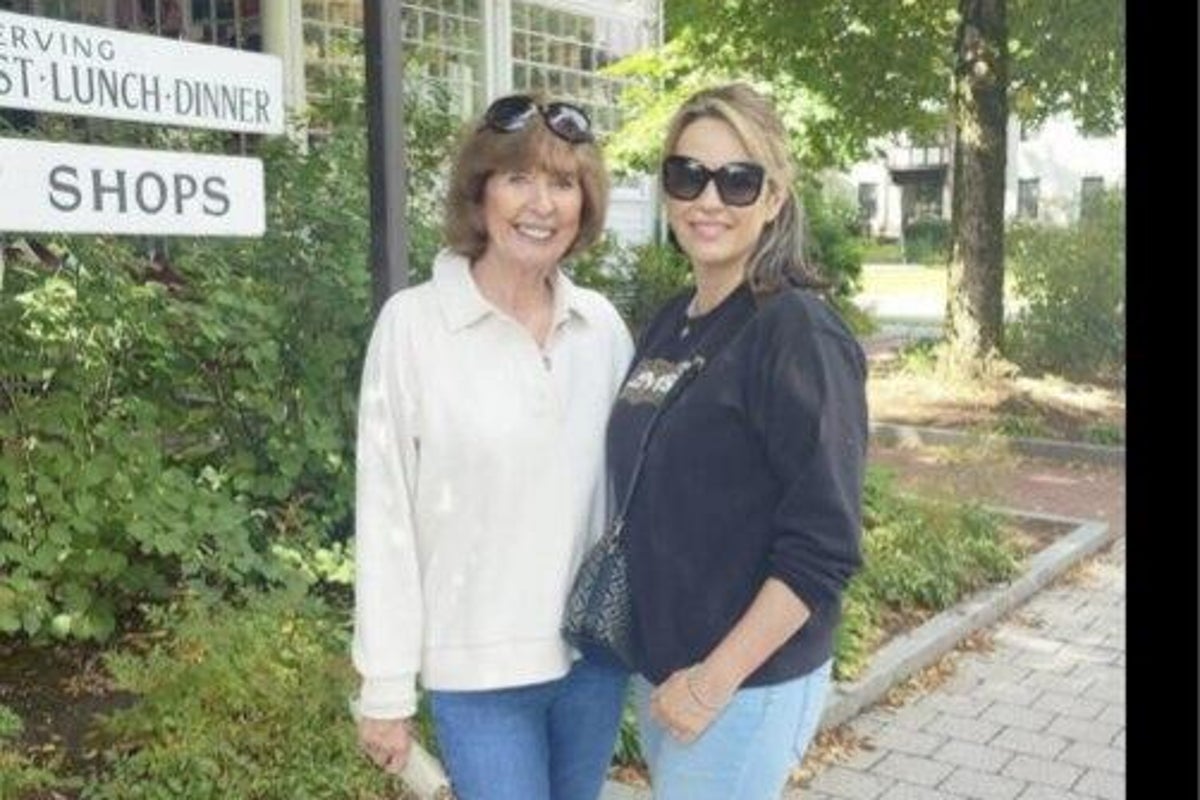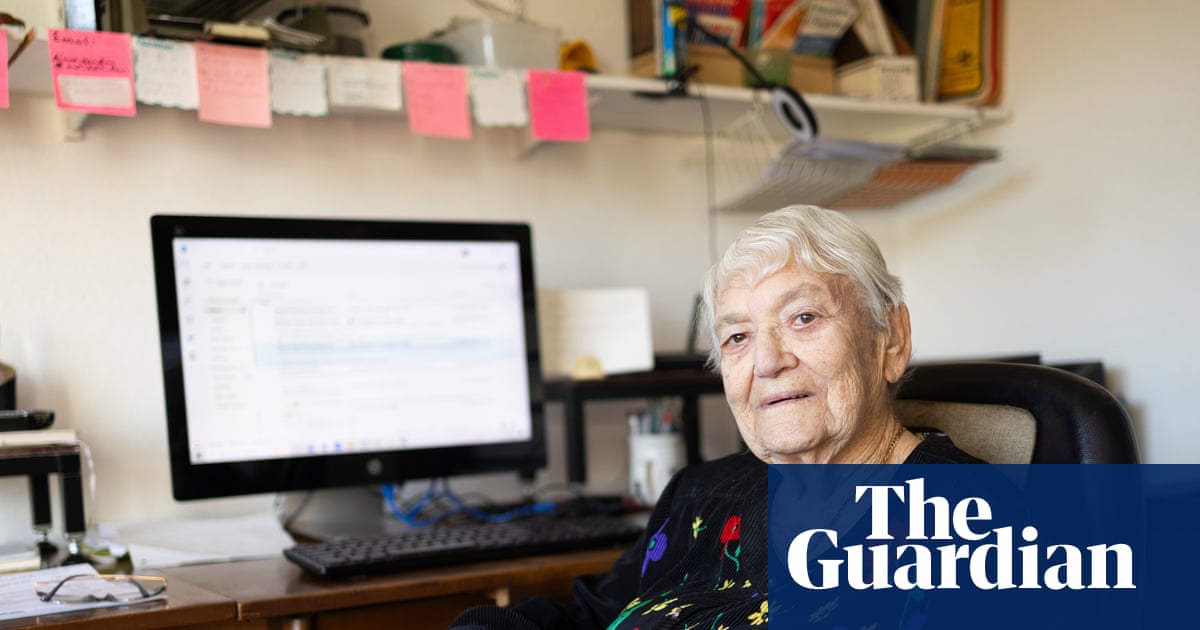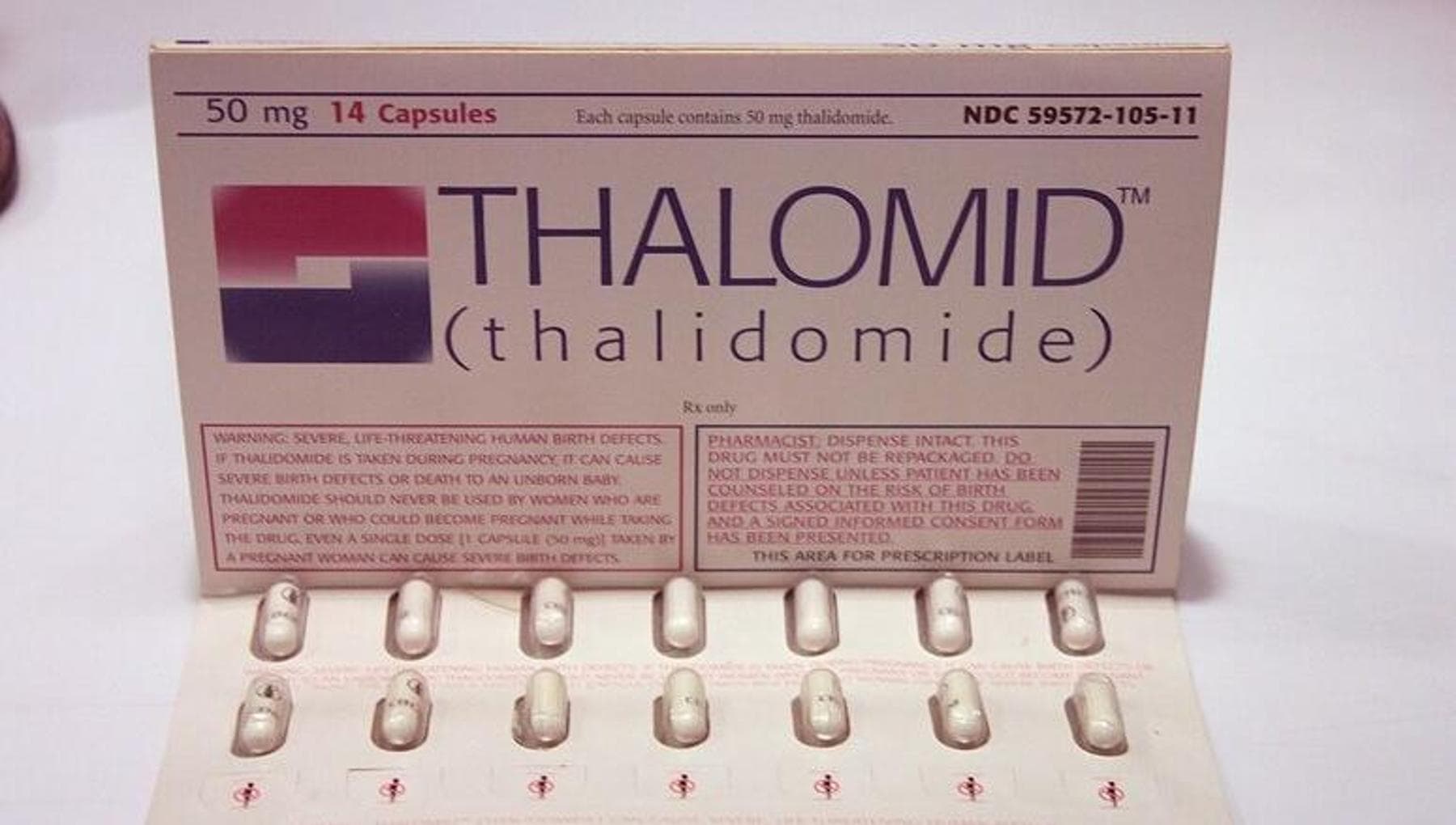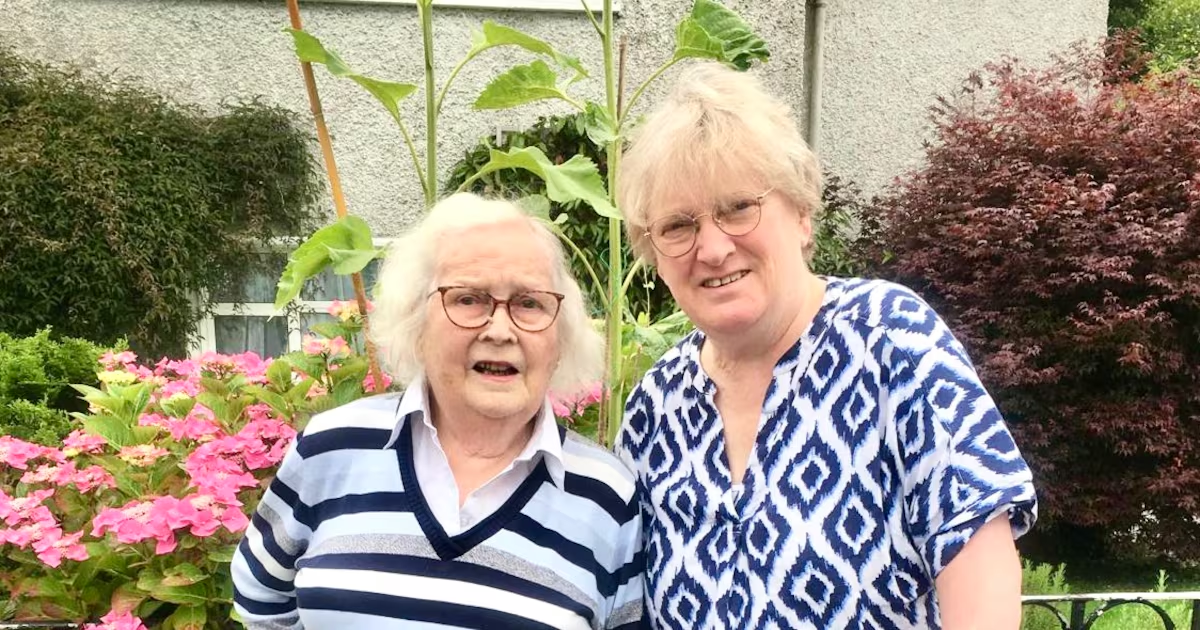
“In a way, my mother speaks for all the mothers and for the children,” Sharon Clarken says. “The mother’s interests were the children … and now we’re grown up and old and worn out.”Sharon’s life has been heavily impacted by thalidomide, the drug that was marketed to pregnant mothers as anti-morning sickness medication in the 1950s and 1960s. It had devastating side effects for developing foetuses, creating disabilities including the shortening and absence of limbs. Her mother, Mary Clarken, took one tablet for nausea before giving birth to Sharon in 1962. Mary turns 96 on Thursday, and the State apology that she and the dwindling community of survivors in Ireland have long been fighting for is yet to arrive. It would be “electric”, Sharon says, and would “really help” her mother. “She’d be very pleased,” Sharon says. “She would really appreciate the fact that they had admitted to doing wrong and said they were sorry for doing wrong, and meant it. We’re still waiting.”Thalidomide entered the Irish market in 1959. An international withdrawal of the drug took place in 1961, but the Irish government did not issue a public warning around its dangers. Instead, the Irish Thalidomide Association (ITA) says an ineffective recall resulted in it remaining on the shelves of some rural pharmacies, and in household medicine cabinets, until 1964. About 40 Irish thalidomide survivors remain. Many of those affected have died , as have friends and family members. “It’s heartbreaking,” Sharon says, “because there’s so much sadness attached to thalidomide.”“To what it did to families and friends. A lot of our friends are even gone now. I have friends whose mothers have died and it’s just so sad, it breaks your heart.”Mary Clarken was born in 1930. She lives in Portlaoise, where she grew up. Sharon says her mother was sporty, and an excellent golfer with a handicap of three. She was determined to give her daughter an independent upbringing, never shying away from Sharon’s disability and making sure she did everything that other children managed.“There was no psychological talk or any of that,” says Sharon. “It was get up and get on with it, and you’ll be alright. She’d watch you doing something and you’d flop at it, and feel like you wouldn’t be able to do it. She wouldn’t come running over. She’d say if you want help, ask.”[ Remembering thalidomide survivor Jacqui Browne: ‘She raised the bar for us every day of our lives’Opens in new window ]In September 2024 the Government appointed retired High Court judge Justice Paul Gilligan to engage with thalidomide survivors in what is known as the thalidomide resolution process.The Irish Thalidomide Association said in April, after meeting the Taoiseach and Tánaiste at Government buildings, that it is optimistic progress is being made towards a State apology but said “speed is of the essence” given the age of surviving mothers and health issues for survivors.[ Irish Thalidomide Association to meet Taoiseach and Tánaiste following apology demandsOpens in new window ]In a response to fresh calls for a State apology, a representative for the Government said that “the Taoiseach and Tánaiste are making every effort to bring all outstanding issues under the thalidomide resolution process to a satisfactory conclusion”.“There have been a number of constructive meetings held with the ITA recently,” they said. “The Government is committed to a State apology at the conclusion of this process, which with everyone working together can be concluded as soon as possible.”
Thalidomide survivor renews call for State apology on mother’s 96th birthday
‘We’re grown up and old and worn out,’ says Sharon Clarken
577 words~3 min read