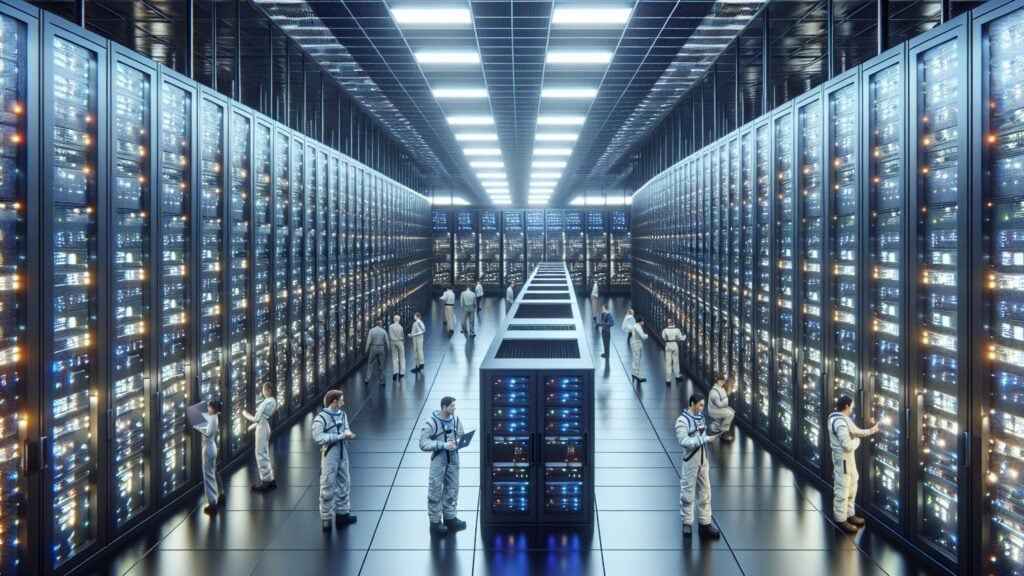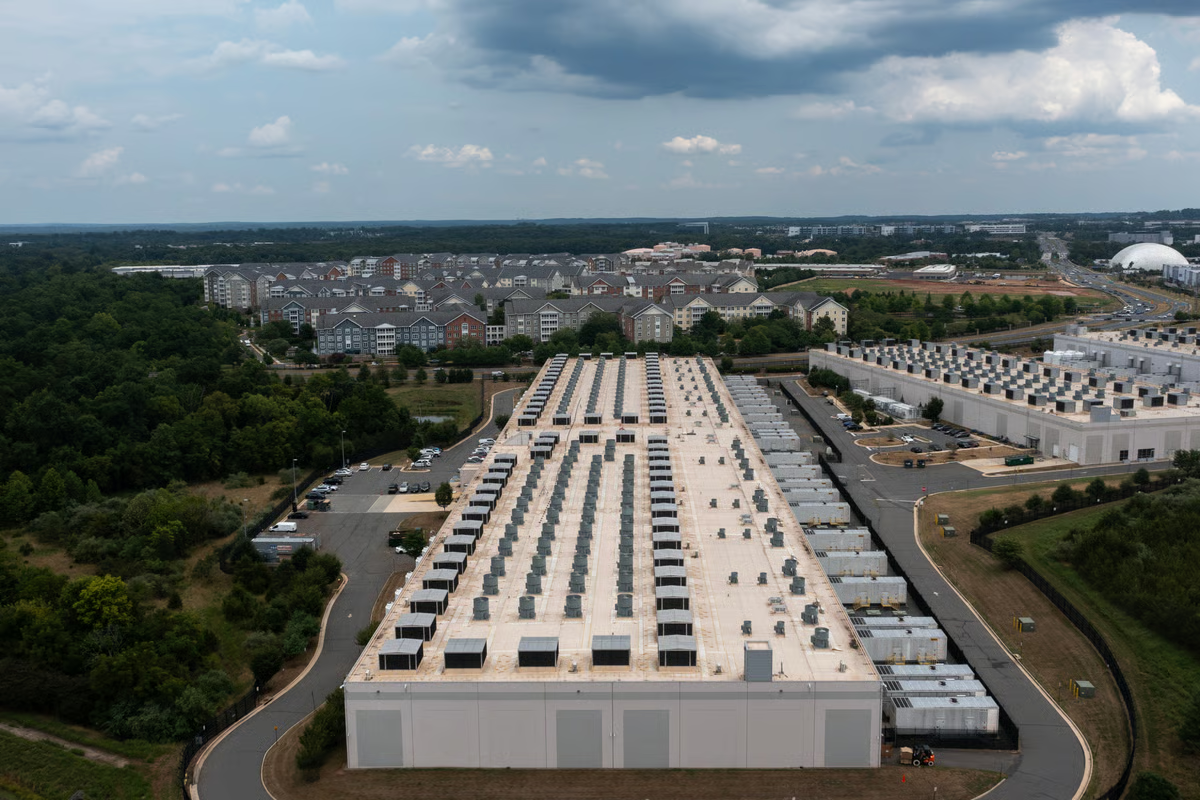
When Microsoft $MSFT -0.74% (MSFT) pulled the plug on planned data centers in Ohio last month and a Wells Fargo $WFC -2.83% (WFC) report suggested Amazon $AMZN +2.08% (AMZN) Web Services was reconsidering some leases, market watchers quickly diagnosed the symptoms as AI bubble concerns, demand uncertainty, and the inevitable cooldown after years of breakneck expansion.
There was just one problem with that analysis: The companies building these data centers say it’s wrong.
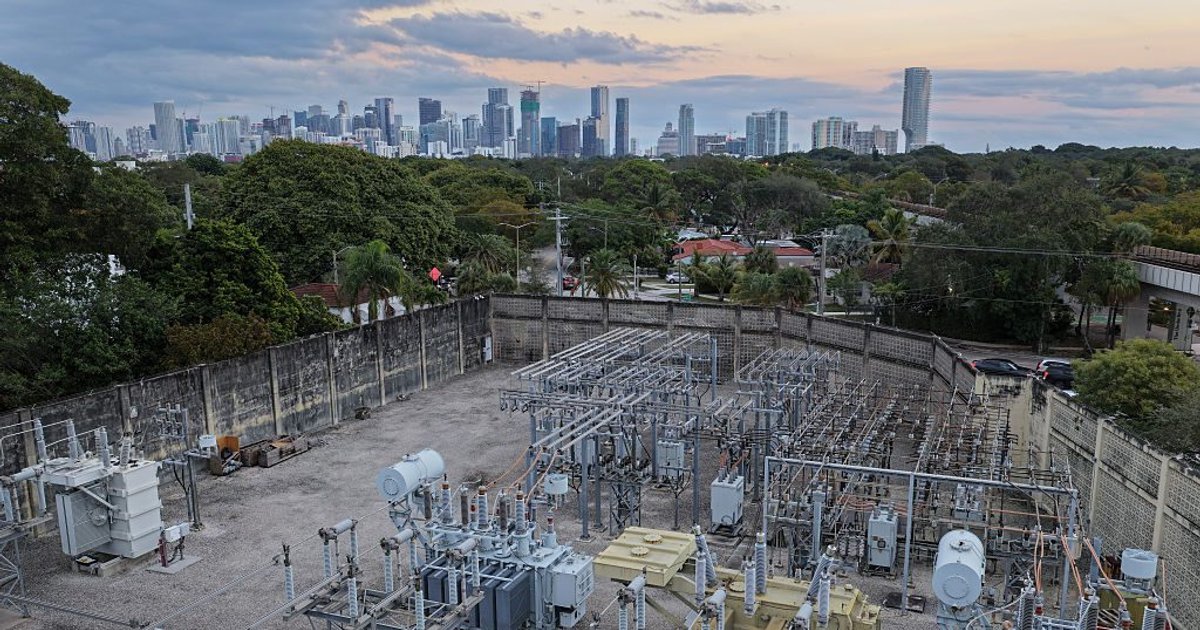
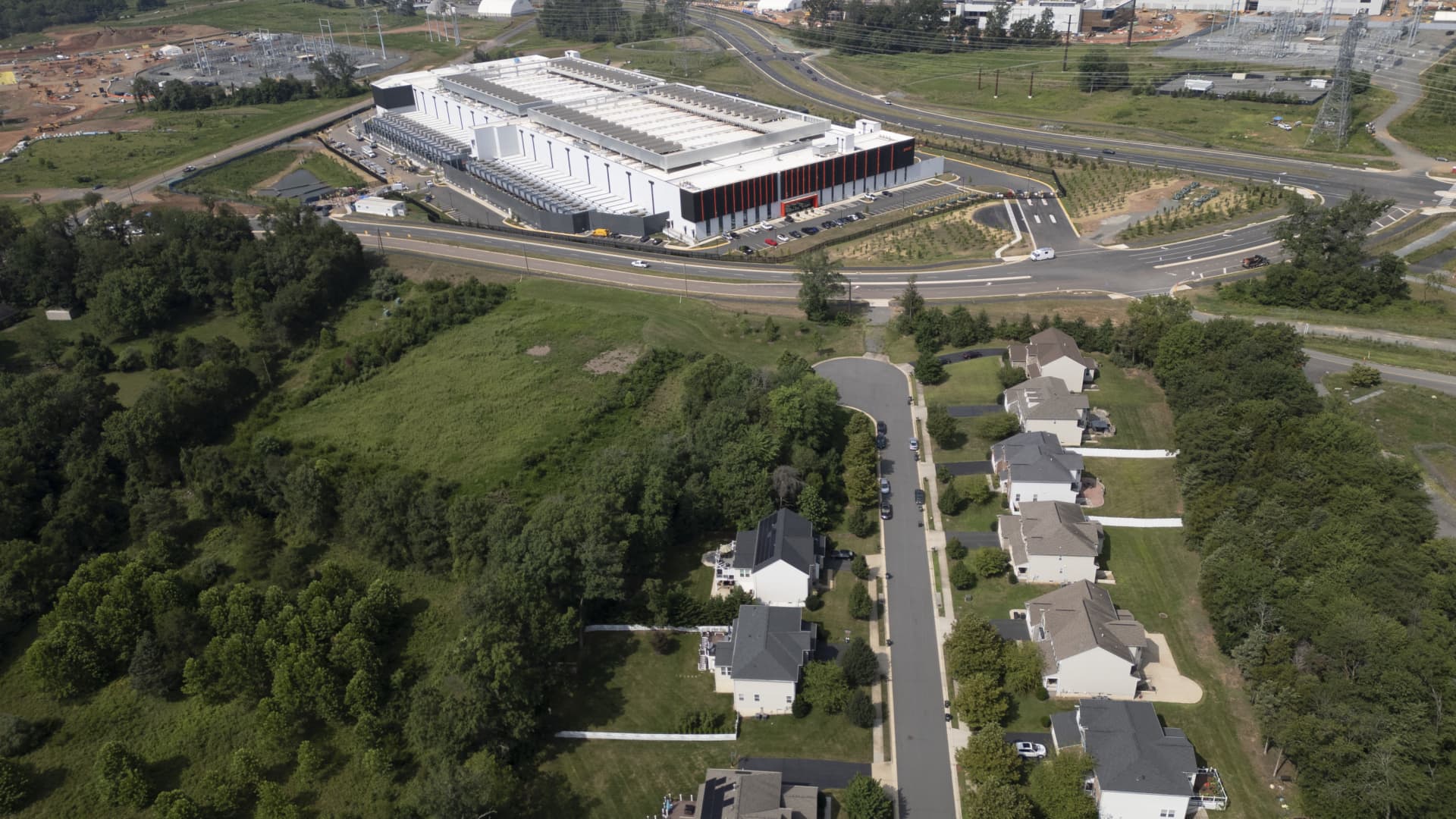
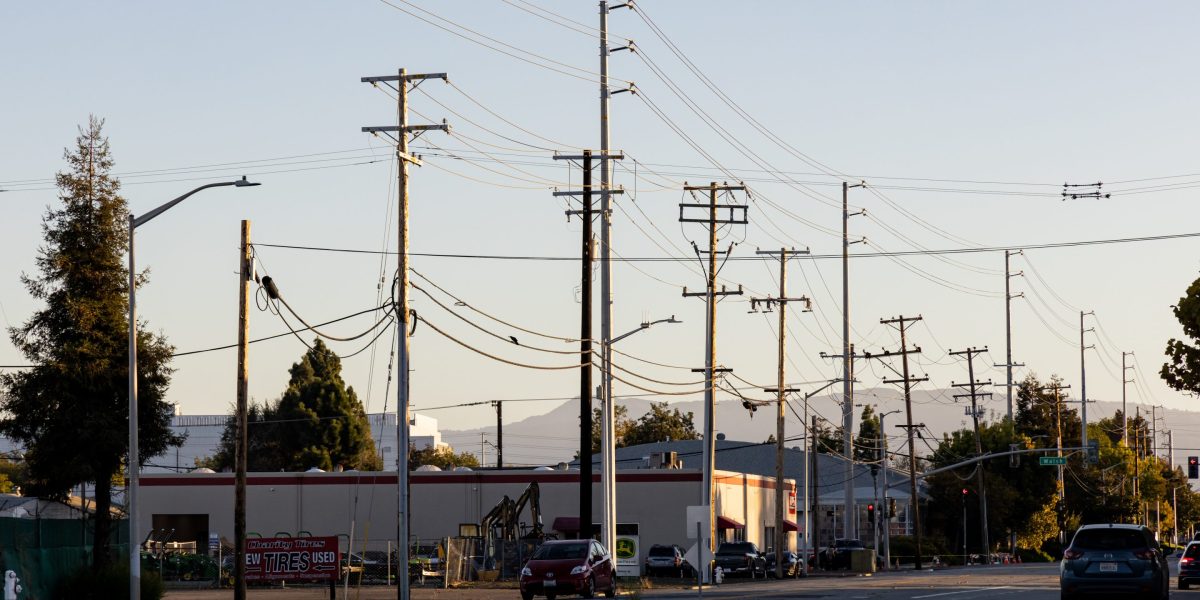
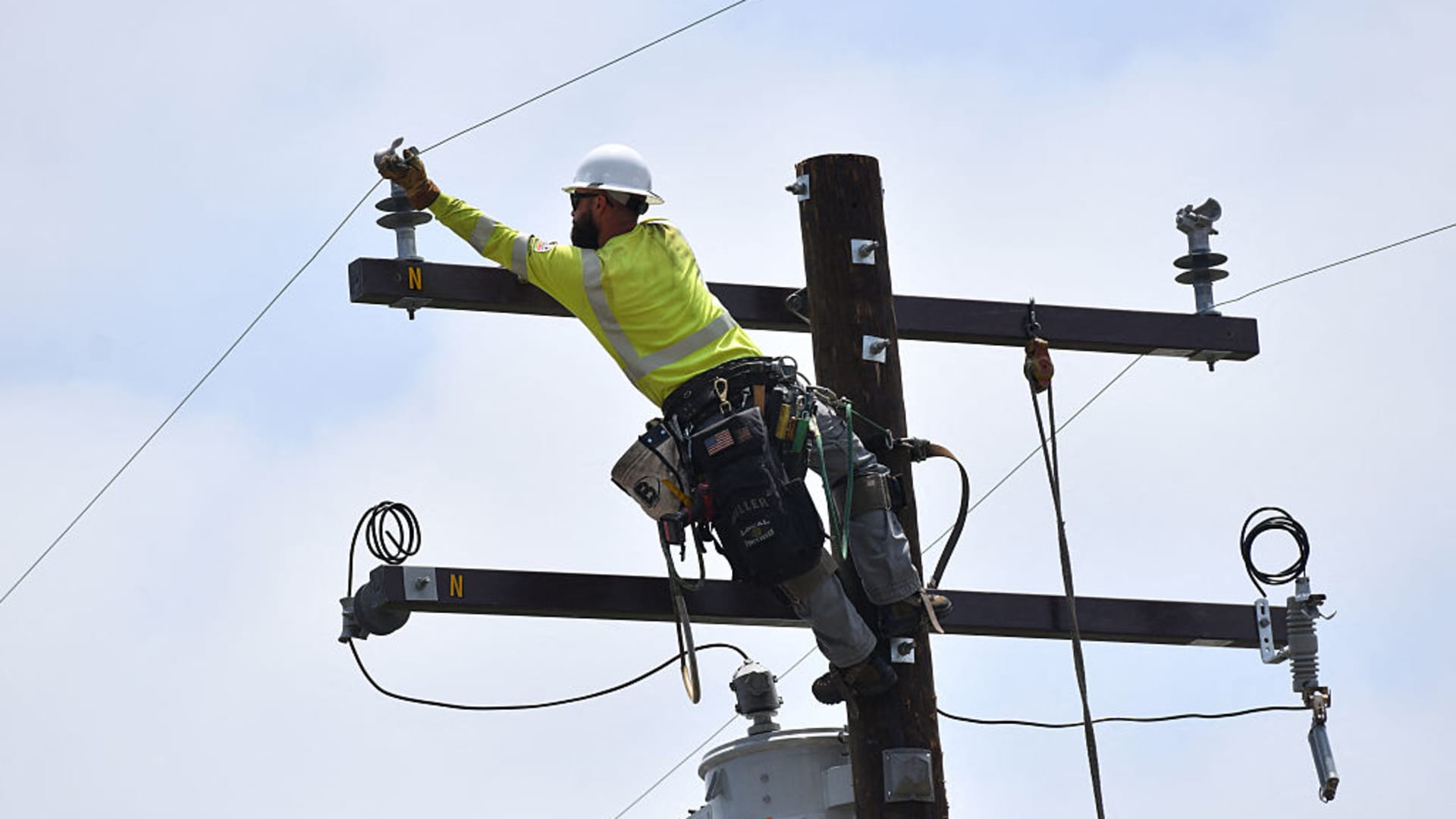
Rather than signaling doubt about AI’s future, recent data center adjustments by Amazon and Microsoft reflect an industry confronting harsh realities that are dealing with power grids that take years to expand, land speculators inflating prices sixfold, and utilities overwhelmed with requests for more electricity than actually exists.
A focus on each lease update from the tech giants reflects a fundamental misunderstanding of how the data center market operates, said Andy Cvengros, a 20-year data center industry veteran at JLL (JLL) who represents major tech companies in their real estate deals. Unlike typical real estate deals, hyperscalers work with the same partners across multiple markets and treat their portfolios holistically. That means cancellations in one location often coincide with expansions elsewhere. Moreover, the massive scale and long timelines involved make these adjustments routine business rather than strategic retreats.