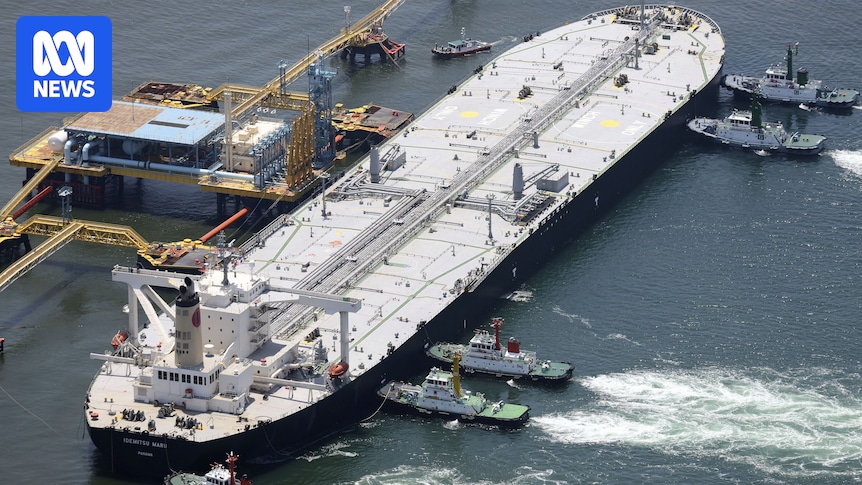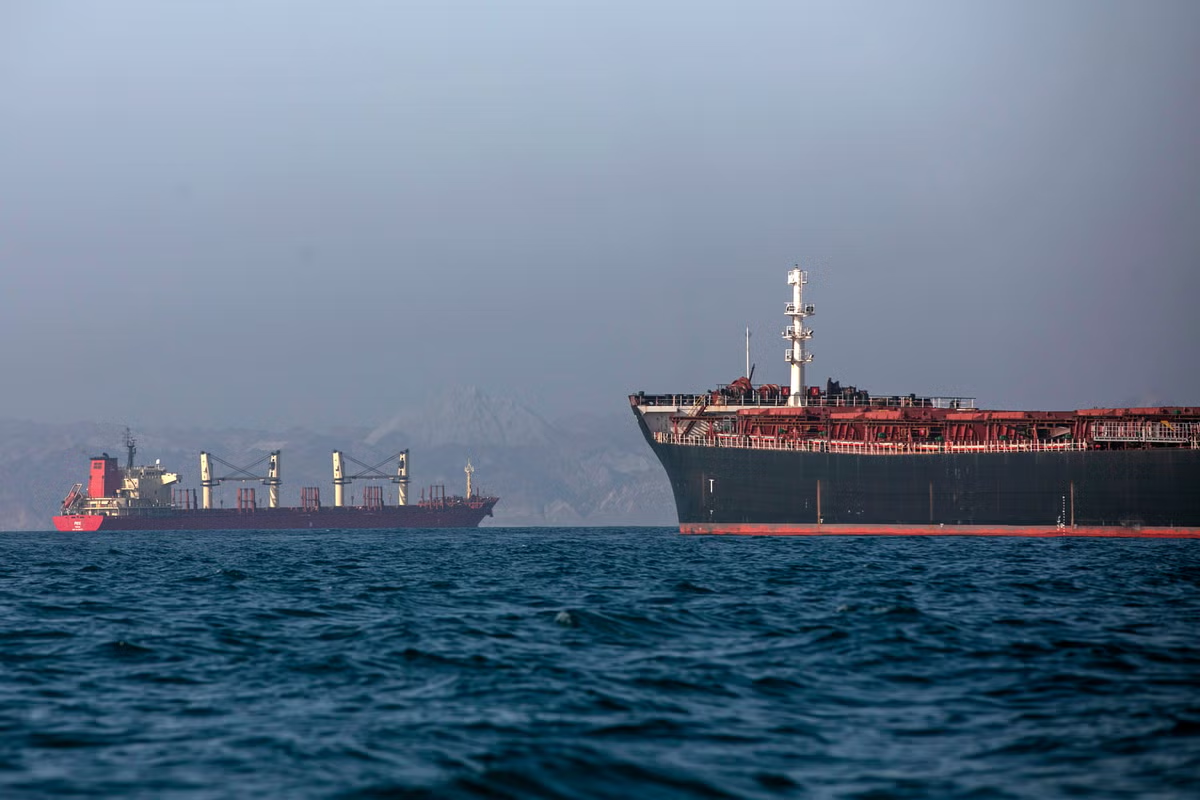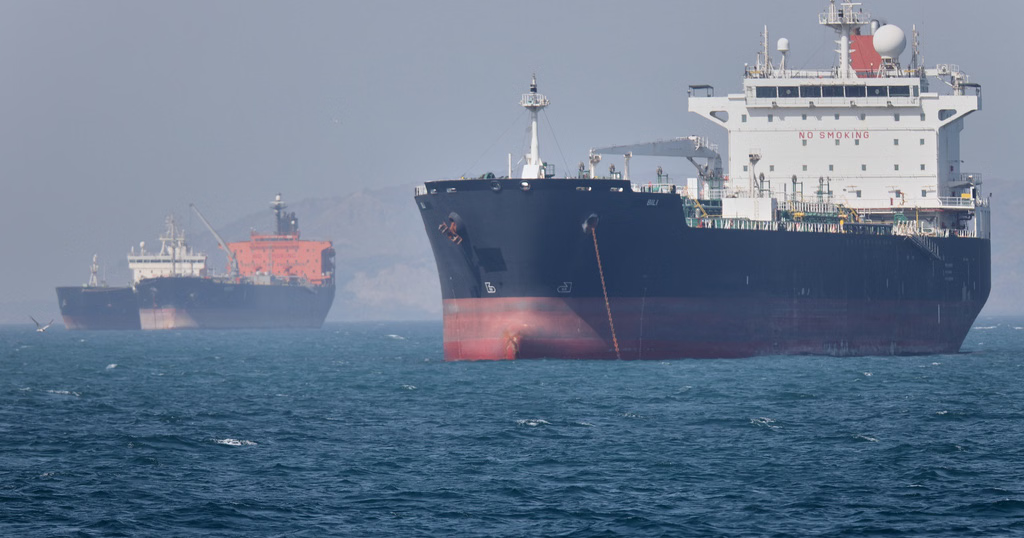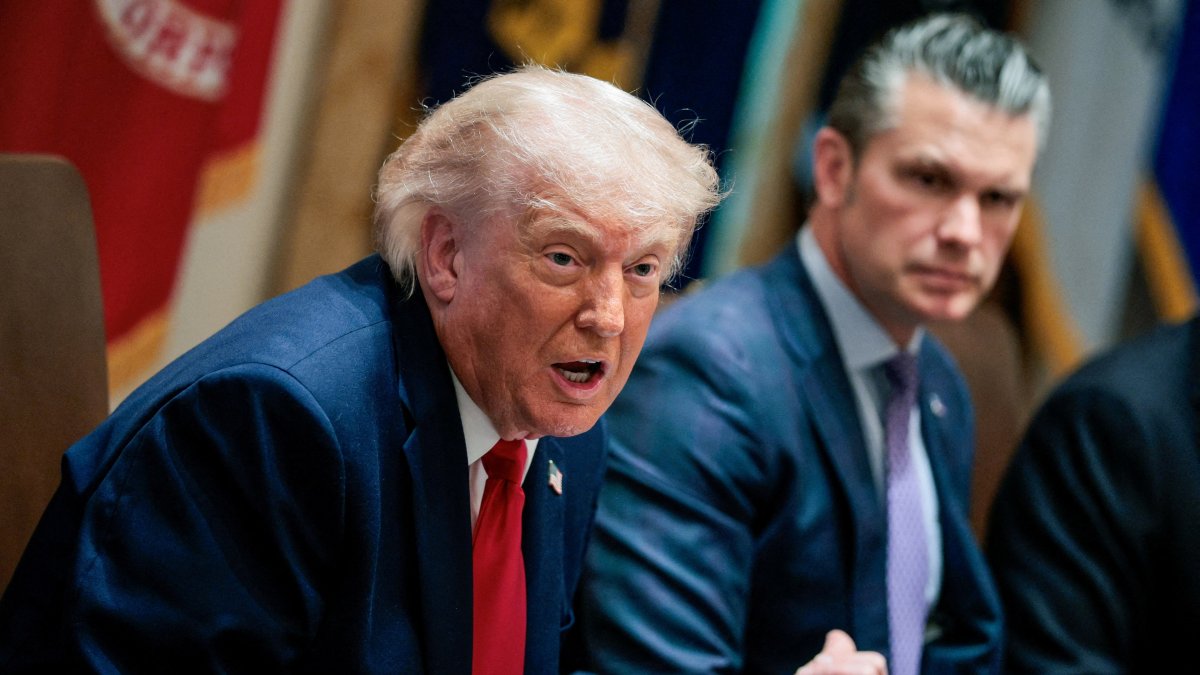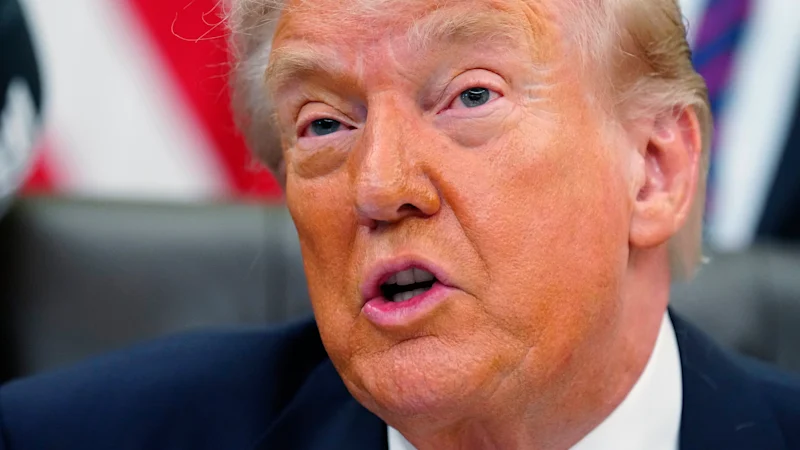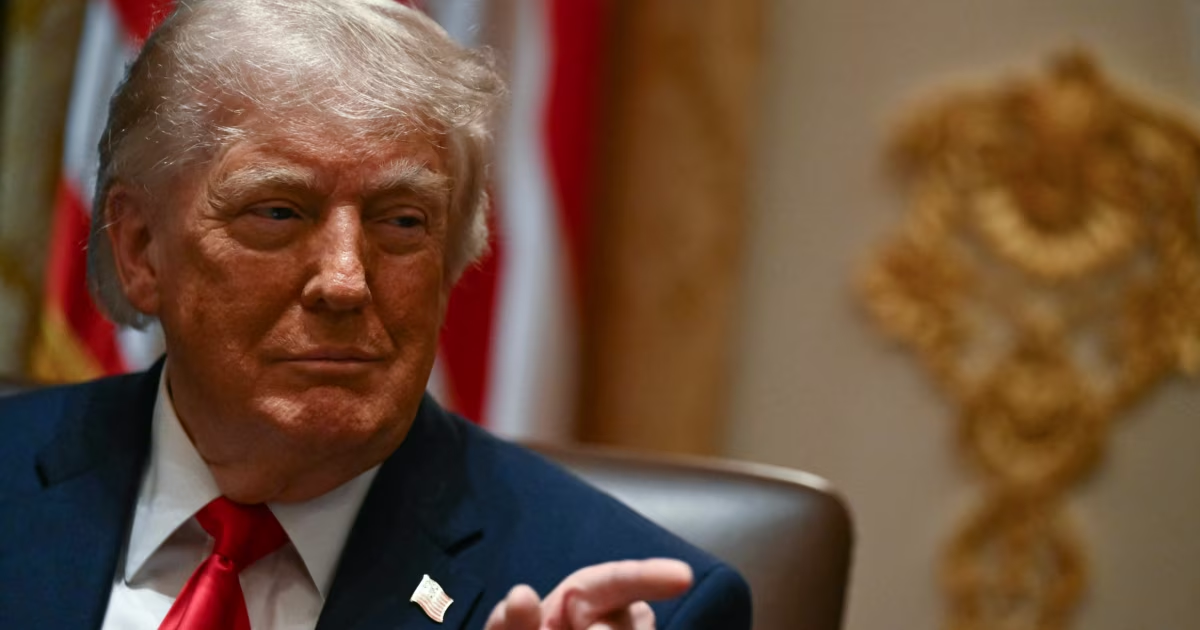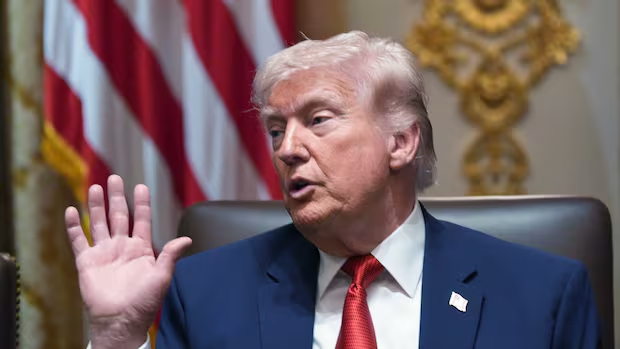
WorldIran's state TV said it had obtained a draft of an initial unofficial framework for a memorandum of understanding with the United States.Trump meets with his cabinet on WednesdayThomson Reuters · Posted: May 27, 2026 10:37 AM EDT | Last Updated: 1 hour agoListen to this articleEstimated 3 minutesThe audio version of this article is generated by AI-based technology. Mispronunciations can occur. We are working with our partners to continually review and improve the results.U.S. President Donald Trump is meeting with his cabinet at the White House on Wednesday amid negotiations to end the three-month war in Iran. Trump and others in his administration are shown at a March 26 meeting in Washington, D.C. (Alex Brandon/The Associated Press)Iran's state TV said it had obtained a draft of an initial unofficial framework for a memorandum of understanding with the United States.Under the framework, Iran would restore commercial shipping through the Strait of Hormuz to prewar levels within a month, while the United States would withdraw military forces from Iran's vicinity and lift a naval blockade. State TV said the framework, which excludes military vessels and envisages Iran managing ship traffic through the strait in co-operation with Oman, was not yet finalized and that Tehran would take no steps without "tangible verification."It added that if a final agreement was reached within 60 days, it could be approved as a binding UN Security Council resolution.Traffic through the strait, which normally carries about one-fifth of global trade in oil and liquefied natural gas, has been a fraction of its usual level since the war began.It's not clear yet if Iran's understanding of the framework is compatible with that of the White House. U.S. President Donald Trump is scheduled to meet with his cabinet on Wednesday morning.WATCH | Iran applies Hormuz leverage, but economic and military concerns mount:Iran war is a 'lose-lose,' says international relations expertMay 26|Duration 5:41Munk School founding director Janice Stein says the U.S.-Israel war with Iran is a mutually negative scenario, with none of the objectives of either side being met.The emerging U.S.-Iran memorandum stems from indirect talks launched after the war that began in February, with Pakistan playing a central mediating role between Tehran and Washington.The war began on Feb. 28 with a U.S.-Israeli bombing campaign against Iran and has disrupted shipping in the Strait of Hormuz, boosting energy prices, as well as straining global supply chains.The state media broadcast came a day after Iran's Foreign Ministry said the U.S. had violated a ceasefire by striking targets near the contested Strait of Hormuz.Further straining peace efforts, Israel pounded Lebanon with more than 120 air strikes on Tuesday in one of the heaviest days of bombing in weeks, Lebanese security sources said. Iran has sought an end to Israeli attacks in Lebanon as part of any deal.Details emerge about potential Iran deal as Trump says not to rushCIA analysis suggests Iran could withstand blockade for 4 more monthsTrump has said his key aim in the war is to prevent Iran from developing a nuclear weapon with its highly enriched uranium, but negotiations on Iran's stockpile of uranium don't appear to be imminent. Trump last year claimed strikes conducted with Israel over a 12-day period had "obliterated" Iran's nuclear capabilities.The last deal over the nuclear program — struck in 2015 and torn up by Trump in 2018 — took years of negotiations between large teams of technical experts. Several Republicans in Congress have bristled in recent days over what they've seen reported about a deal framework, arguing that Iran would still retain the ability to be a disruptive and dangerous force in the Middle East.With files from The Associated Press
Iranian state TV reports framework to end war will see U.S. withdraw nearby troops, Strait of Hormuz opened | CBC News
Iran's state TV said it had obtained a draft of an initial unofficial framework for a memorandum of understanding with the United States.
607 words~3 min read