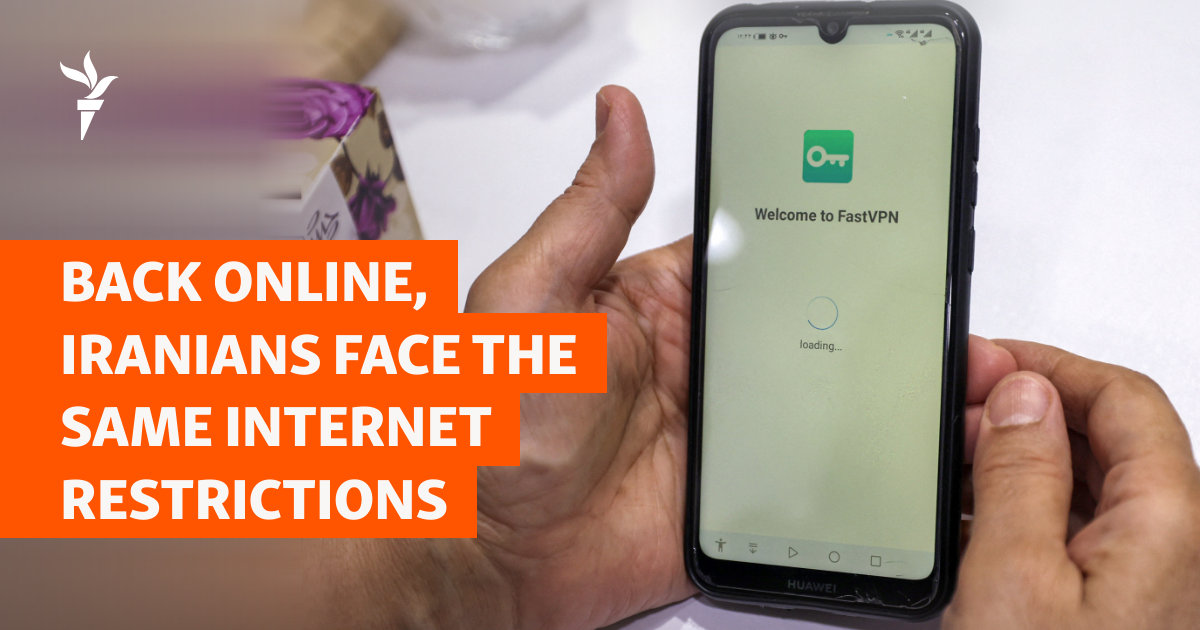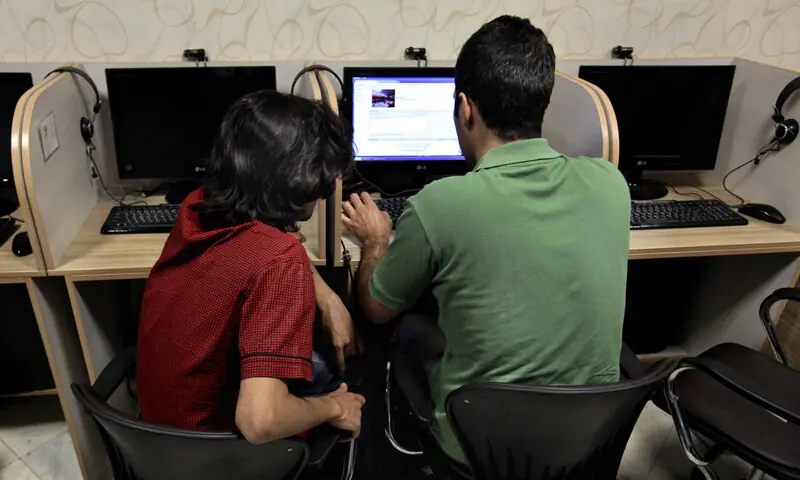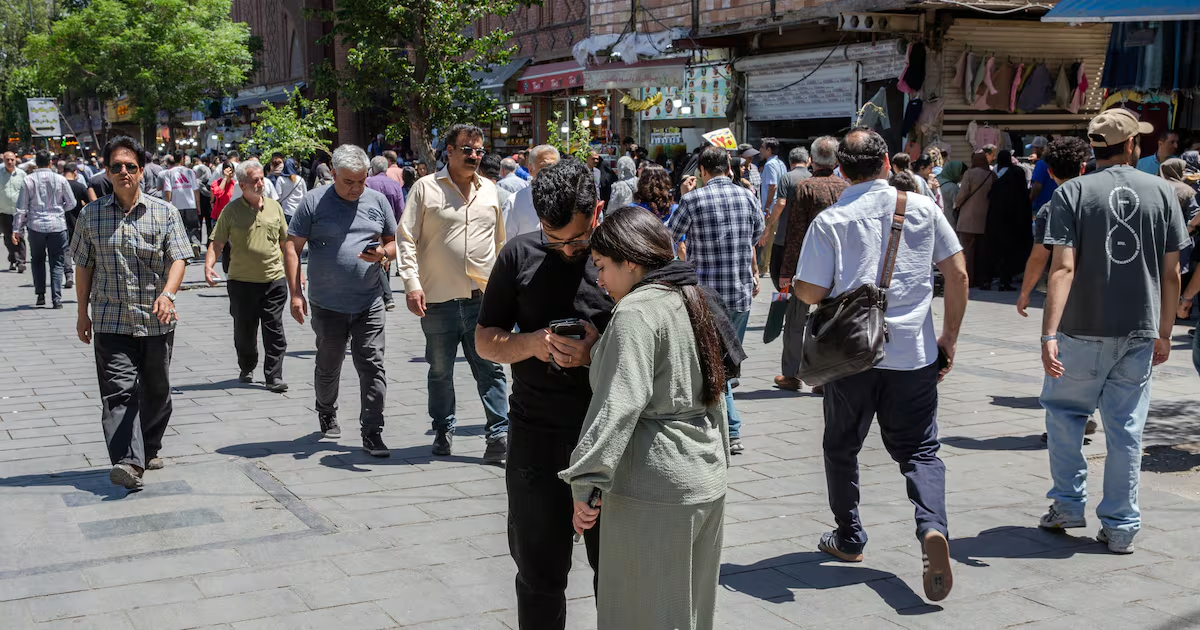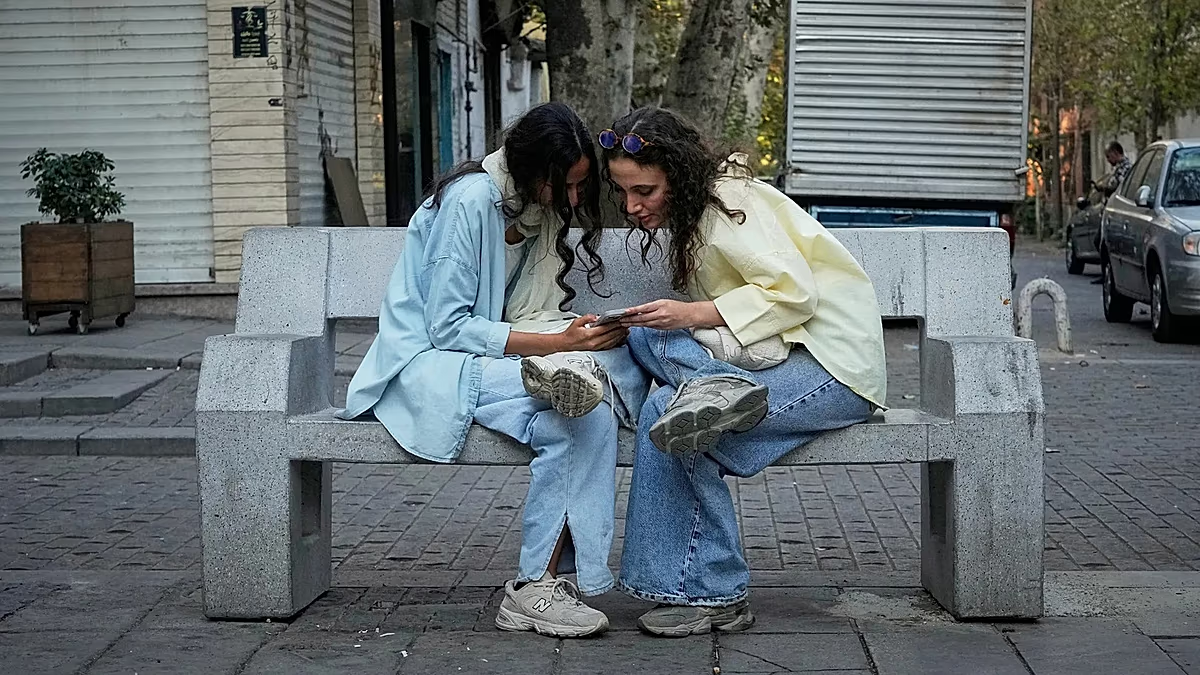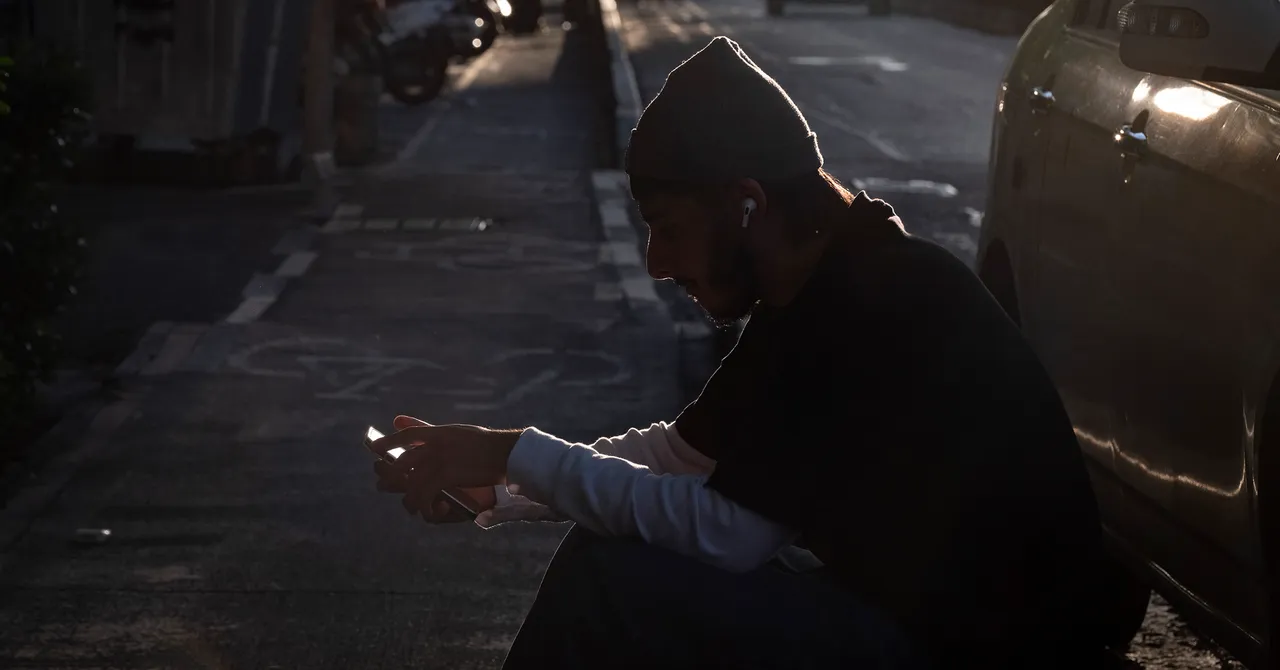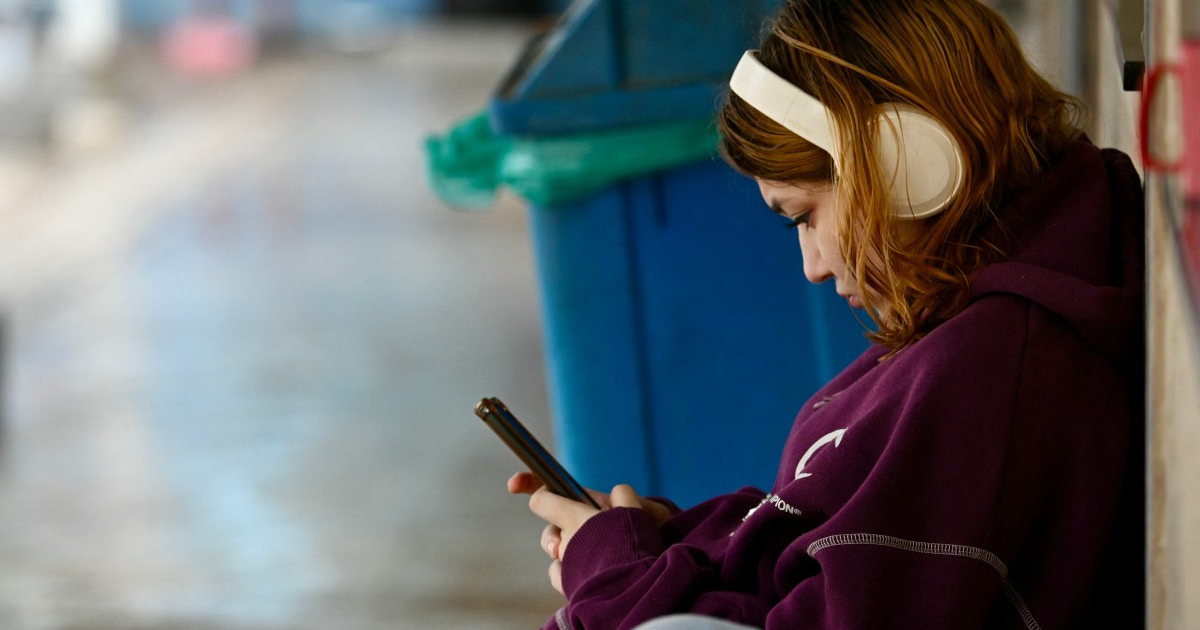
Partial internet restoration sparks relief, scepticism and quiet acts of defianceLast updated: May 27, 2026 | 18:414 MIN READIran imposed the sweeping shutdown after the outbreak of war with the United States and Israel on February 28, citing national security concerns. What followed was an 88-day blackout that left a country of roughly 90 million people largely cut off from the global internet. illustrative image.AFP fileDubai: For nearly three months, millions of Iranians lived in near silence online — unable to freely message loved ones, read independent news, stream films or even run businesses that depended on the internet.Now, after what internet monitors and activists describe as the longest nationwide internet shutdown in modern history, parts of Iran are slowly reconnecting to the outside world, triggering a mix of relief, disbelief, anger and anxiety among ordinary people trying to reclaim a sense of normal life.“I have mixed feelings. I am happy, but at the same time, I feel kind of stupid that I am happy about such a simple thing,” Hamid, a 29-year-old tech worker in Tehran, told The New York Times shortly after discovering he could once again access the wider internet.“As someone who used the internet for both private communications and his job, my entire life and work had been at a standstill,” he said.Iran imposed the sweeping shutdown after the outbreak of war with the United States and Israel on February 28, citing national security concerns. What followed was an 88-day blackout that left a country of roughly 90 million people largely cut off from the global internet.Most people could access only a tightly controlled domestic network consisting of state-approved apps and websites, while independent news, foreign social media platforms and messaging services remained blocked.“The worst part was reading all this news you don’t trust, with a controlled narrative, and being in a complete information black hole,” Maryam, a 39-year-old employee at an advertising company in Tehran, told The New York Times.For months, she said, she struggled to understand what was happening not just globally, but even among friends and relatives outside the city.“I feel like I’ve just come out of prison and I’m in shock,” she said. “I have nothing to say — I’m just listening to the sounds outside.”Partially restoredInternet monitoring organisation NetBlocks said on Tuesday that connectivity had been partially restored on Day 88 of the blackout, calling it “the longest nationwide internet shutdown in modern history”, CNN reported.The restoration followed an order by President Masoud Pezeshkian to begin restoring internet access, according to Iranian state media cited by CNN. But the process remains partial and uncertain.“Yes, I’m connected, but I still have to use a VPN. Don’t get too excited though — the internet isn’t fully open, it’s just no longer completely shut down,” a 46-year-old man in Tehran told CNN.Even as access slowly returned, many Iranians responded with scepticism and sarcasm online, questioning whether the reopening would last or whether authorities were simply loosening restrictions temporarily.One Iranian woman who had previously participated in anti-government protests wrote on X that officials were creating “all this hype over basic internet connection”.Others used the moment as a quiet act of defiance, posting selfies on Instagram for the first time in months.“There will be more people getting online, posting and messaging in the next 24 hours,” another Iranian resident told CNN, adding that many people were still trying to reactivate VPN services to bypass restrictions.Deep inequalitiesActivists say the shutdown also exposed deep inequalities inside Iran’s internet system.While ordinary citizens remained cut off, many government officials and elites reportedly retained broader access through what internet freedom campaigners describe as a “whitelisting” system — a tiered model of connectivity based on political loyalty, financial means or institutional importance.Internet freedom advocates say large sections of the population, particularly poorer and less tech-savvy users, still remain effectively offline despite the easing of restrictions.The restoration has also highlighted apparent divisions within Iran’s power structure.According to The New York Times, President Pezeshkian formed a working group last month to develop a new internet policy after mounting public backlash against the blackout. While the group authorised the restoration process, parts of Iran’s judiciary reportedly attempted to halt it through legal complaints.“Different legal bodies are making contradictory decisions, and it’s not really clear who the final decision maker is,” Fereidoon Bashar, director of the Toronto-based internet freedom group ASL19, told The New York Times.For many Iranians, however, the debate over policy feels secondary to the emotional exhaustion of months spent digitally isolated during war, economic hardship and political uncertainty.Some simply want to watch movies again. Others want to speak freely with family members. Many just want to feel visible again after months of silence.Despite the partial reopening, messaging platforms such as WhatsApp remain restricted in many cases and still require circumvention tools to access, according to CNN and NetBlocks.Still, across Tehran and other cities, thousands quietly returned online this week — sending messages, uploading photos and reconnecting to a world that, for weeks, had felt impossibly far away. Related Topics:Get Updates on Topics You ChooseUp Next
‘I feel like I’ve come out of prison’: Iranians back online after 88 days
Iranians slowly reconnect after an 88-day internet blackout, the longest nationwide shutdown in modern history, bringing relief, anger and uncertainty.
842 words~4 min read