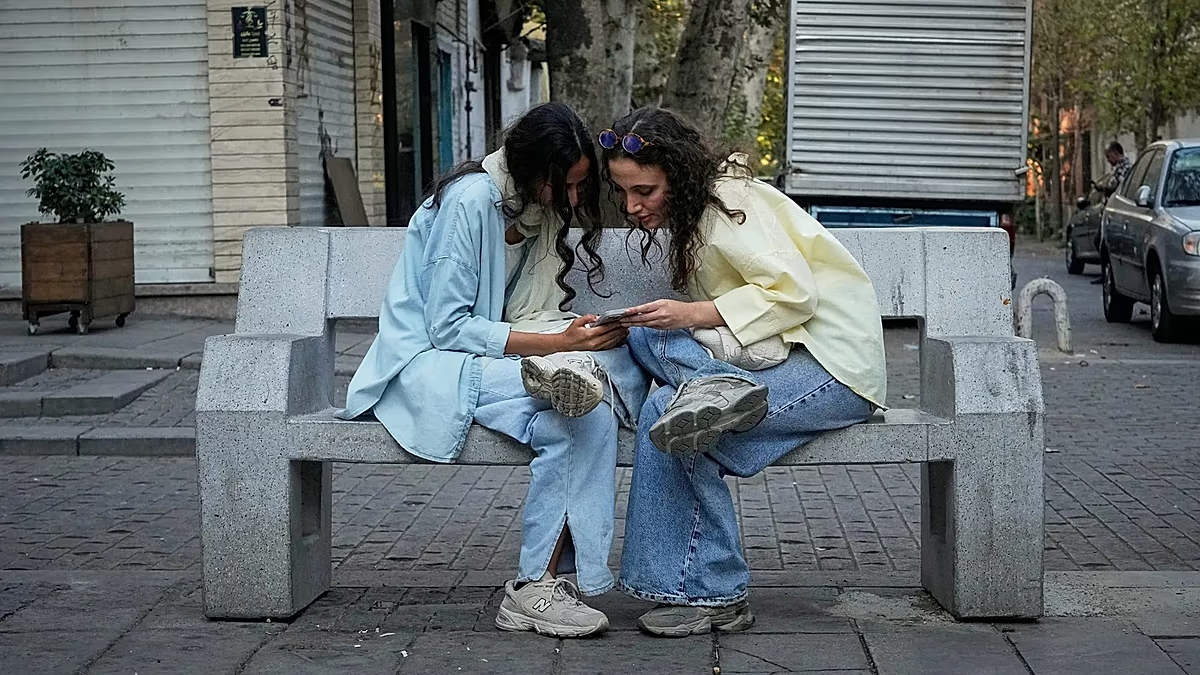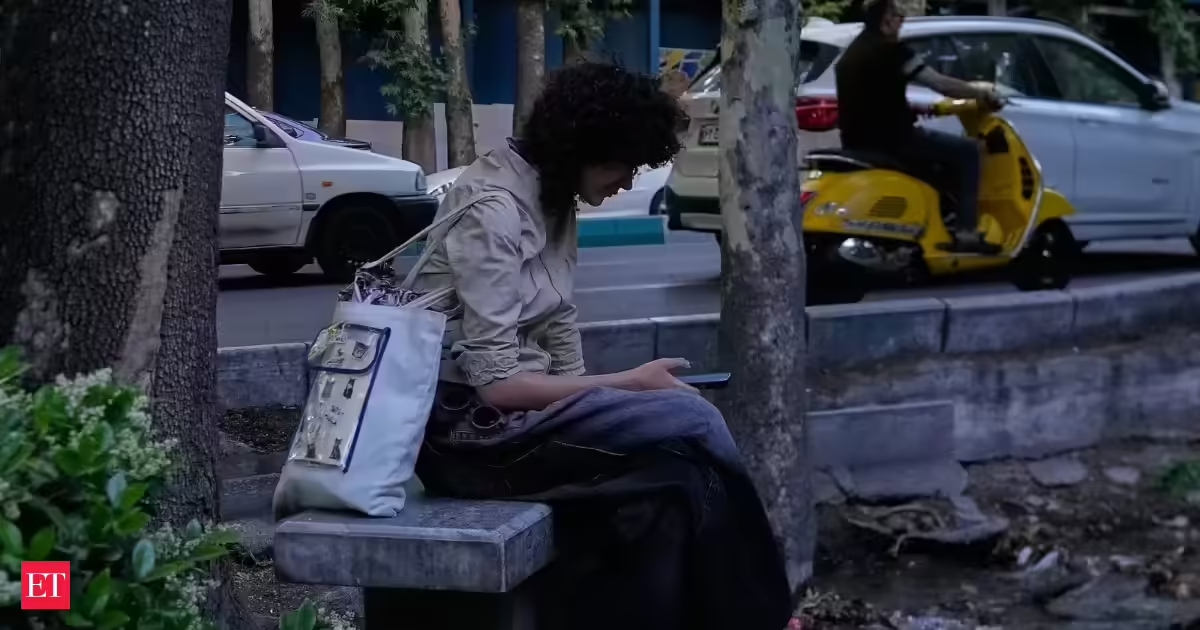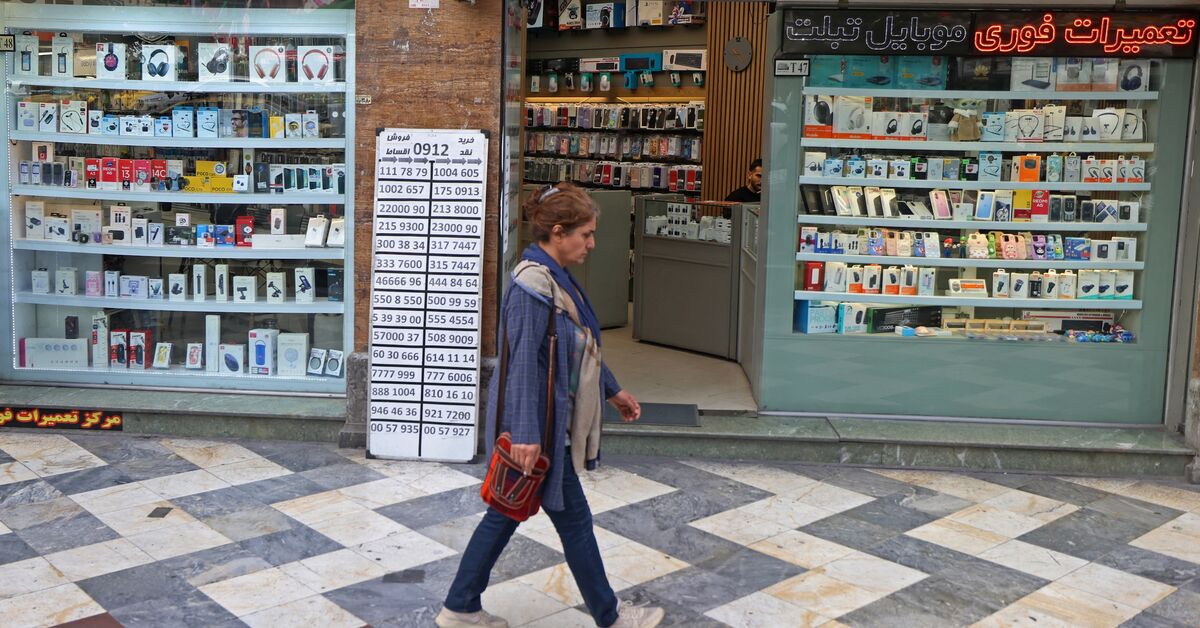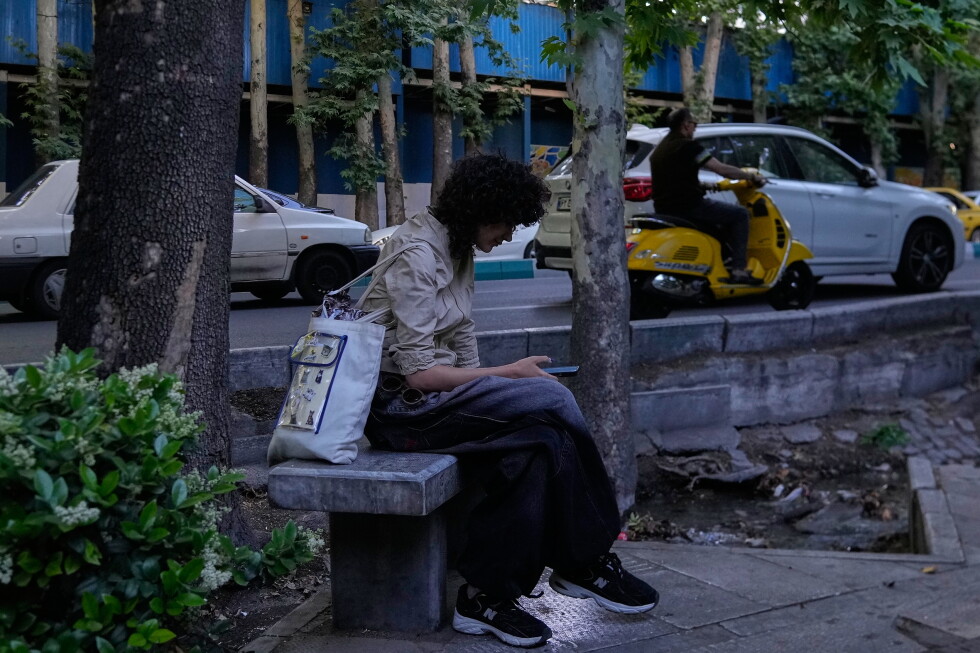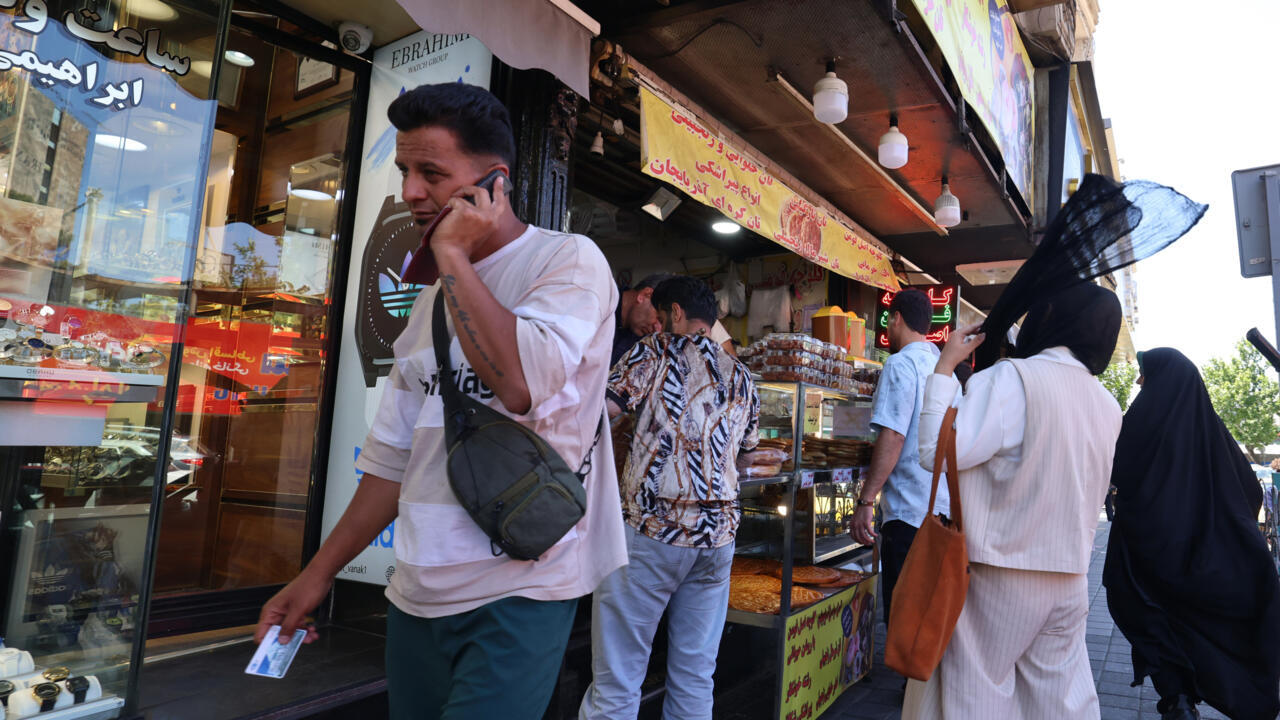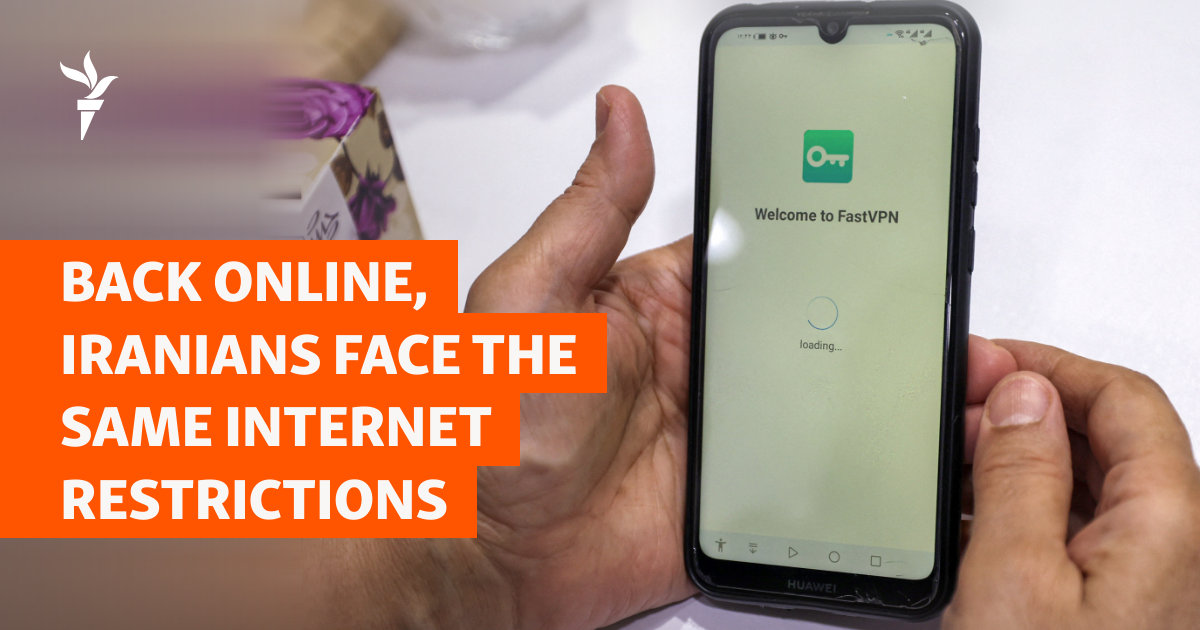
For 88 days, millions of Iranians lived in digital darkness after the authorities imposed a nationwide Internet shutdown following the outbreak of war with the United States and Israel.But the end of one of the world’s longest-ever Internet blackouts offered scant consolation for many Iranians who reconnected to the same heavily filtered and state-controlled network after nearly three months.Still, some Iranians were relieved to escape the near-complete isolation forced on the Middle Eastern country of some 90 million people.“The feeling of collective humiliation, restricted access to information, even access to treatment and health care -- these are basic human rights, yet all of them had been taken away,” Vida, who only gave her first name for fear of retribution, told RFE/RL’s Radio Farda.
“Access was so restricted that even e-mail wouldn’t open, and communication with people outside Iran had become impossible,” Vida added. “[The outside world] had no idea what was happening here under wartime conditions.”'Can't Speak To Our Families'On May 25, Iranian President Masud Pezeshkian ordered the Ministry of Communications to restore access to the Internet, which had been at least partially shut down since mass protests against the country’s clerical rulers in early January.A full shutdown was imposed on February 28, when the United States and Israel launched a bombing campaign of Iran.Internet monitoring platforms on May 26 reported the partial restoration of the Internet, though they disagreed on how much access had returned.Monitoring group Netblocks said Internet traffic in Iran was at around 80 percent of pre-January levels, noting that WhatsApp remained restricted and some users were still offline. US network monitoring firm Kentik put the figure at around 39 percent. Both groups appeared to be using different metrics to calculate Internet traffic.