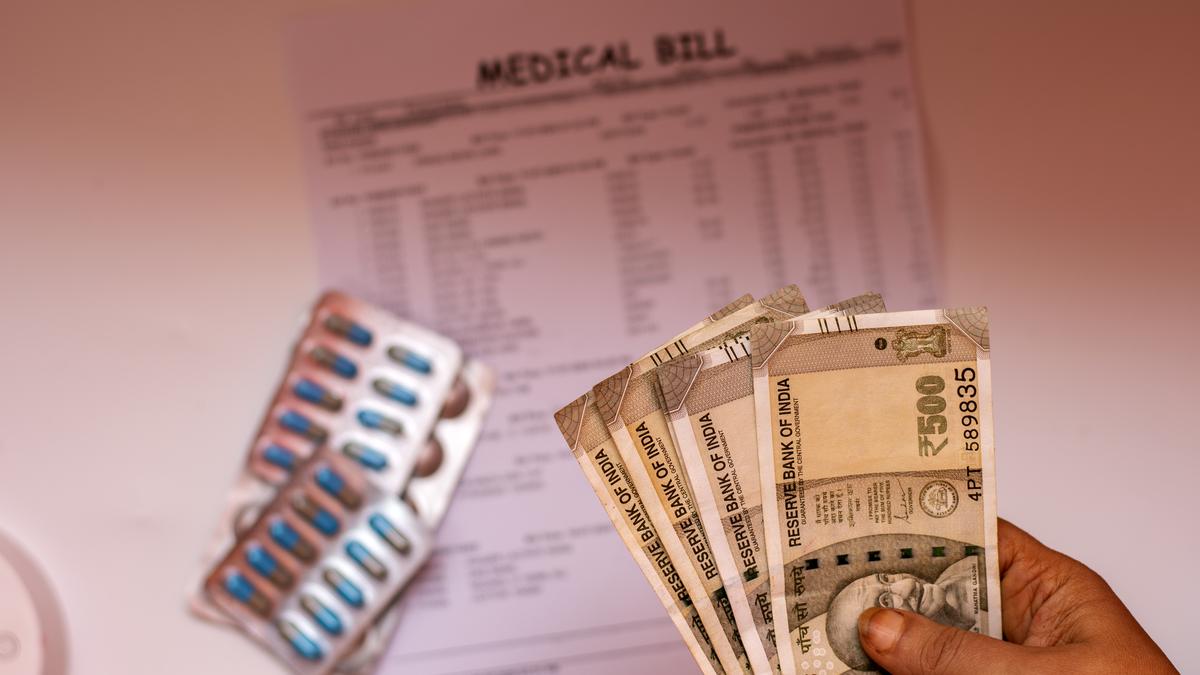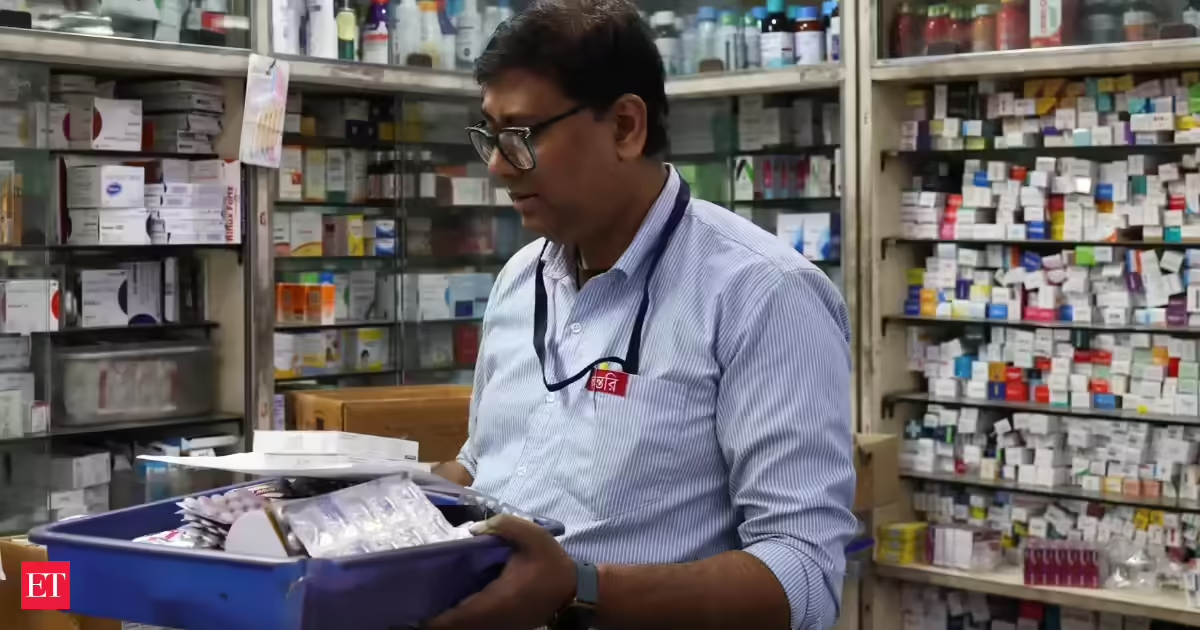
SynopsisGovernment health spending has risen, leading to a significant drop in out-of-pocket health expenses. This decline, from 64.2% in 2013-14 to 43.4% in 2022-23, shows improved access to healthcare. Initiatives like Ayushman Arogya Mandir provide free services, reducing household financial burdens.IANSIndia healthcare costs (Image for representation)New Delhi: Concurrent with the increase in government health expenditure, the out-of-pocket expenditure's share in total health expenditure has declined significantly by 21 percentage points from 2013-14 till date, officials said on Wednesday.The out-of-pocket expenditure, as a share of total health expenditure, has been calculated as 43.4 per cent in 2022-23 as against 64.2 per cent in 2013-14, showing a significant decline over the time series.This declining trend of out-of-pocket expenditure as a part of total health expenditure clearly indicates the improved access to health services, thus leading to reduced financial burden on the households, health ministry officials said.A similar pattern has also been observed in the National Statistical Office (NSO) 80th round, in which the median expenditure on health utilisation at the household level has declined significantly, with zero median out-of-pocket medical expenditure on outpatient services in the public health facilities.Also read | Health services, medical education expansion to be driven by modern tech: Yogi AdityanathThis is an evident impact of operationalisation of more than 1.8 lakh Ayushman Arogya Mandir (AAM) across the country, providing preventive and curative health care services closer to the community, the officials said.The AAMs provide free services across 12 expanded packages, including reproductive and child health, communicable and non-communicable diseases, free drugs and diagnostics services, teleconsultations and preventive care through wellness sessions. These measures have reduced the episodes of sickness, they said."On in-depth analysis, it has been observed that the purchase of pharmaceuticals, including health supplements, vitamins, protein and other supplements is the main driver of out-of-pocket expenditure in the current estimates," an official said.However, alive to the burden of out-of-pocket expenditure on medicines, the government has proactively taken initiatives to improve access and availability of drugs through free drug services initiatives across all the public health facilities, the official said.To complement the expanded services, the essential list of drugs has been expanded to make available 106 drugs at Sub-Health Centre (SHC)-AAM, 172 drugs at Primary Health Centre (PHC)-AAMs, 300 at Community Health Centres (CHCs), 318 at sub-district hospital and 381 at district hospitals at no cost.Also read | India medical tourism market feels the weight of Iran warOther initiatives like Pradhan Mantri Bhartiya Jan Aushadhi Yojana (PMBJP), Affordable Medicines and Reliable Implants Treatment (AMRIT) pharmacies and the price control mechanism by the National Pharmaceutical Pricing Authority (NPPA) have significantly impacted the out-of-pocket expenditure. Read More News on...moreless
Out-of-pocket expenditure share declines by 21 percentage points from 2013-14: Health ministry
Government health spending has risen, leading to a significant drop in out-of-pocket health expenses. This decline, from 64.2% in 2013-14 to 43.4% in 2022-23, shows improved access to healthcare. Initiatives like Ayushman Arogya Mandir provide free services, reducing household financial burdens.
439 words~2 min read