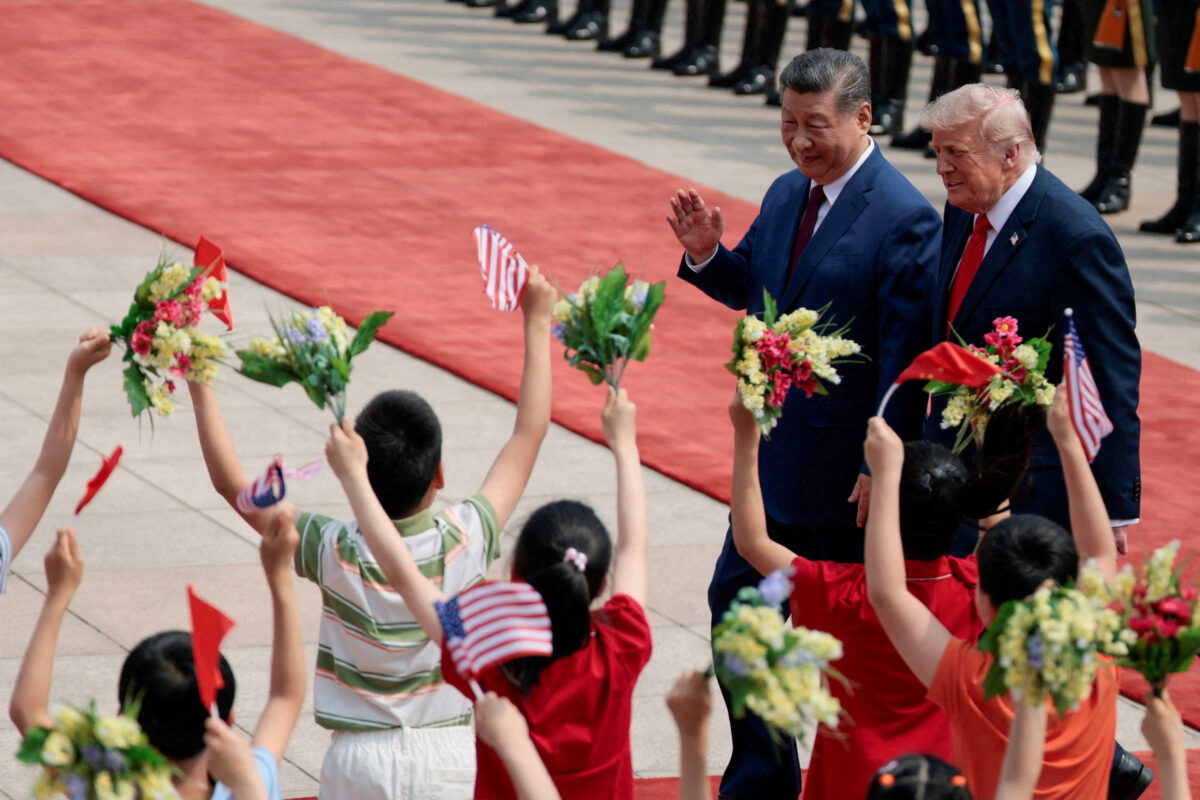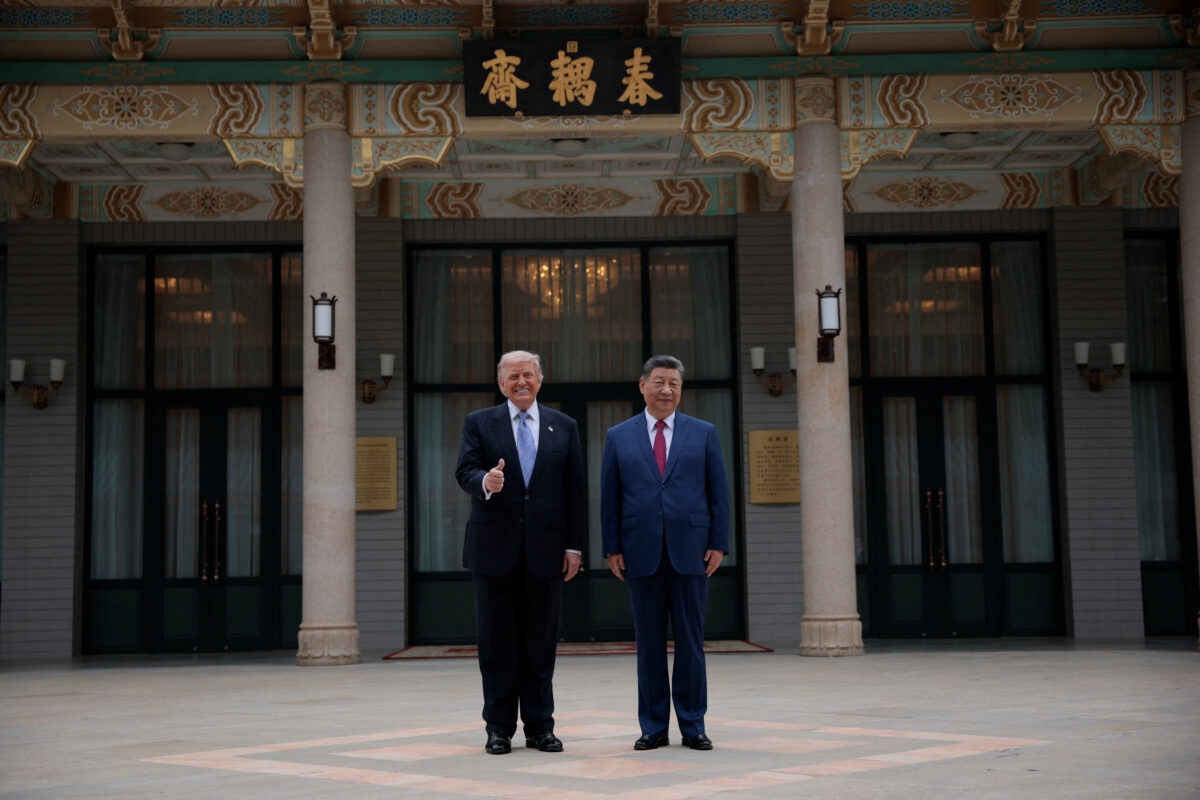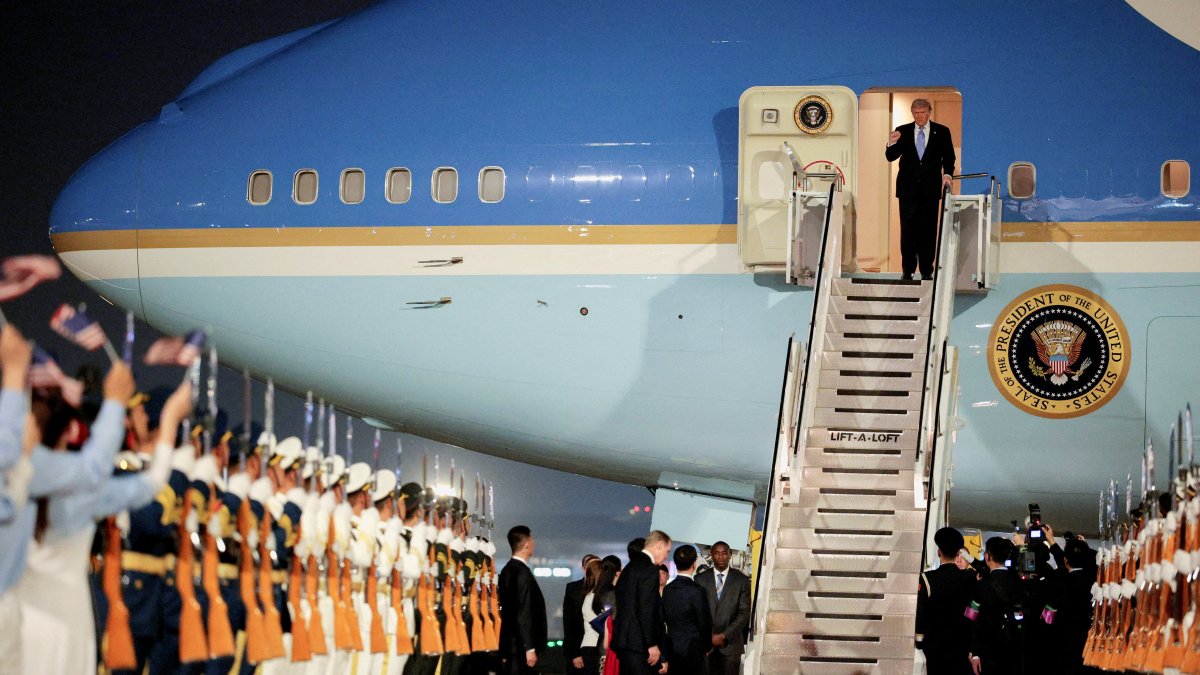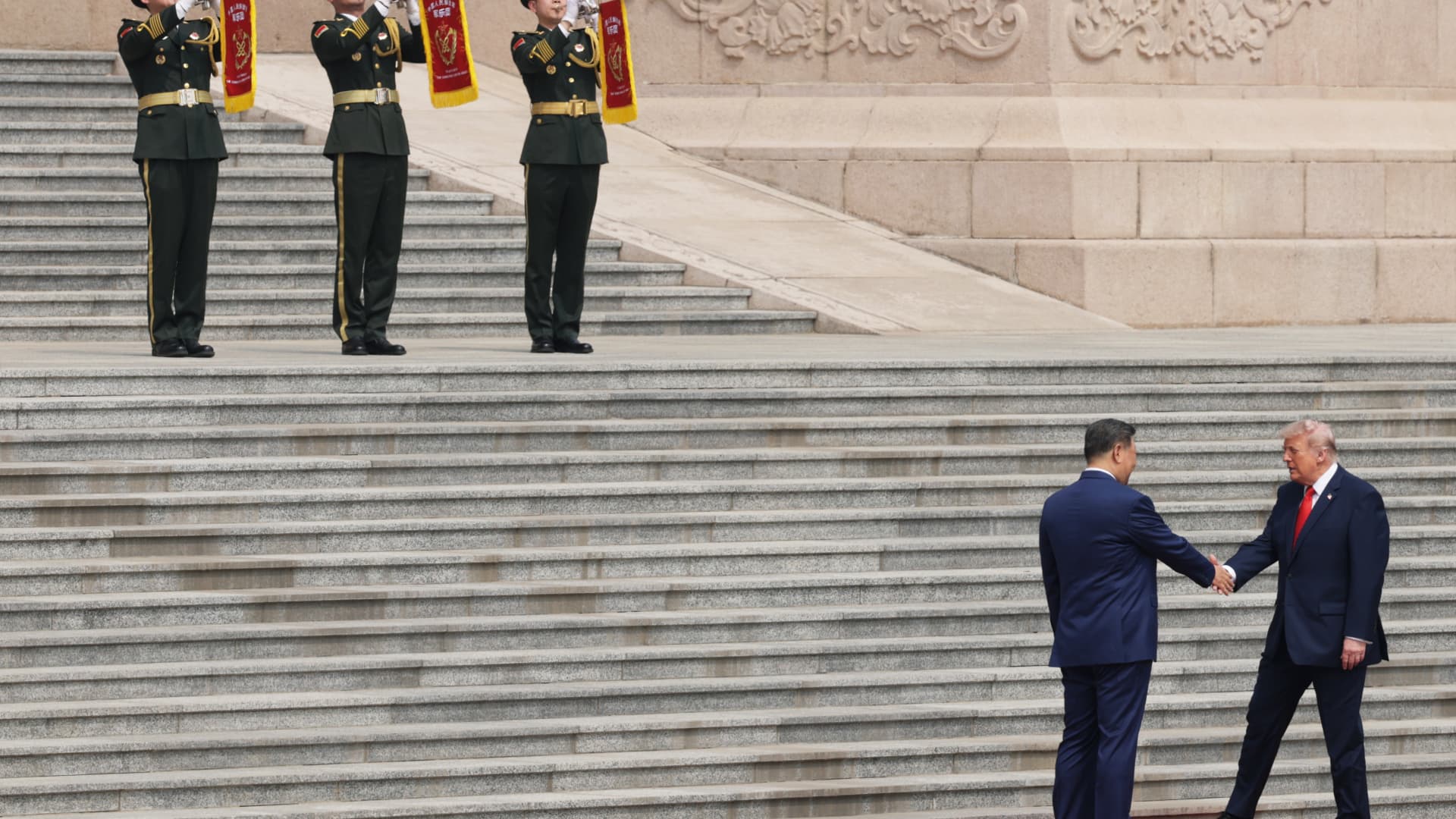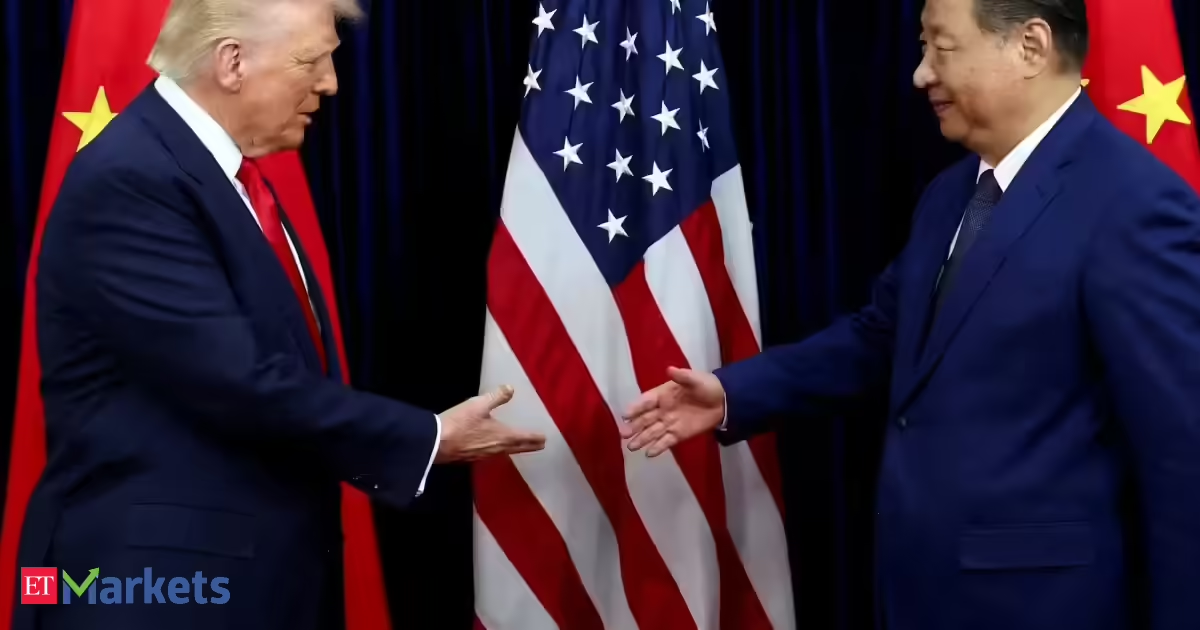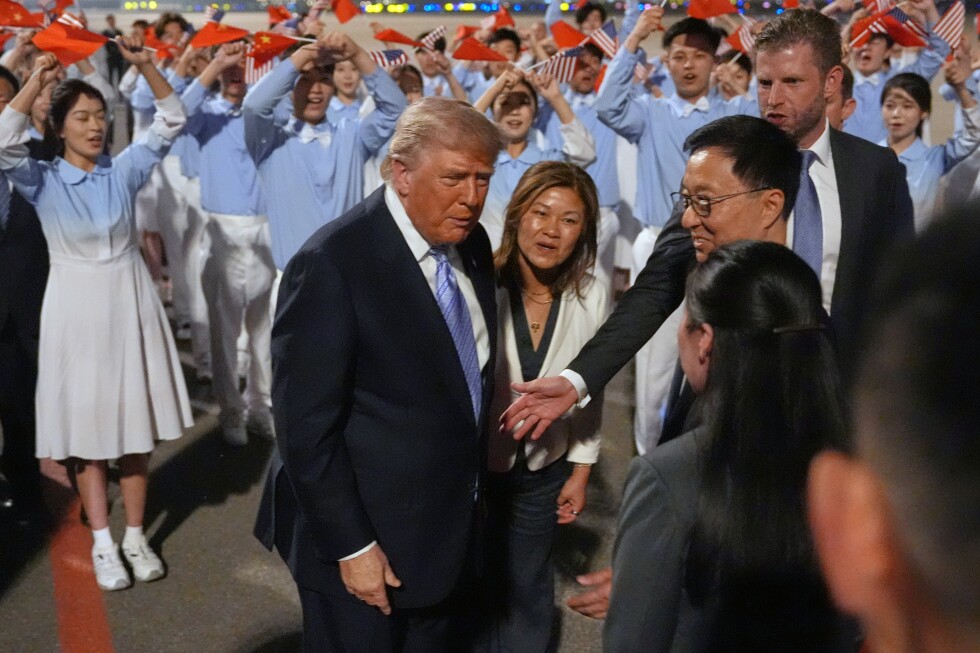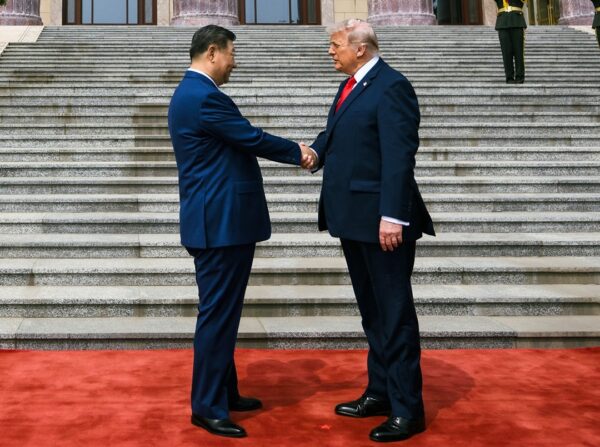
From May 13 to May 15 the world closely watched while the most consequential diplomatic meeting of 2026 unfolded. U.S. President Donald Trump landed in Beijing accompanied by 17 CEOs who, according to Forbes, are collectively worth more than $1 trillion. This was the first U.S. presidential trip to China in nine years and the first of Trump’s second term. There was a lot at stake, and not just for China and the United States. The impact of this summit will be felt on the African continent as well.
Since Trump’s last visit to China in 2017 a great deal has changed globally directly due to policy decisions taken in both the United States and China. First came COVID-19, which lead to an estimated 7.1 million confirmed deaths around the world. Trump’s second term sparked a trade war that saw the U.S. impose tariffs of 145 percent on Chinese goods while China retaliated with 125 percent tariffs on U.S. goods. A practical truce was reached in Busan, South Korea, where both presidents met in October 2025, but the United States’ broader “Liberation Day” tariffs on China and other countries – including in Africa – remain today, albeit at lower levels.
The Trump administration also shut down USAID in 2025. The U.S. aid agency had been, according to some estimates, safeguarding approximately 3 million lives in lower-middle income countries, including in Africa. The United States also revised the African Growth and Opportunity Act (AGOA) from a 10-year guaranteed policy of preferential trade for a selected 30 or so African countries to a more uncertain, annually reviewed policy – this after U.S. trade ties with African countries had already been eroded by Trump’s broader “reciprocal” tariffs.