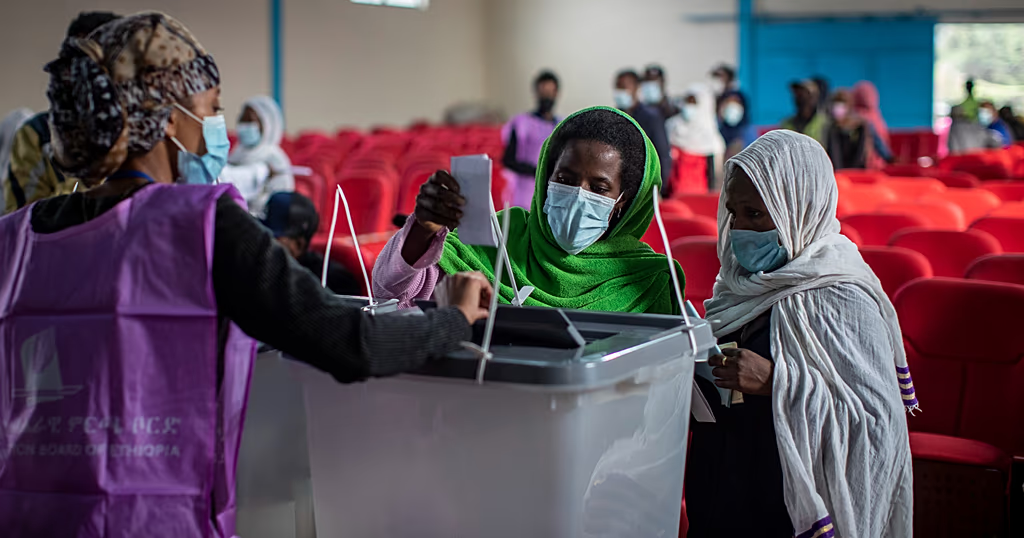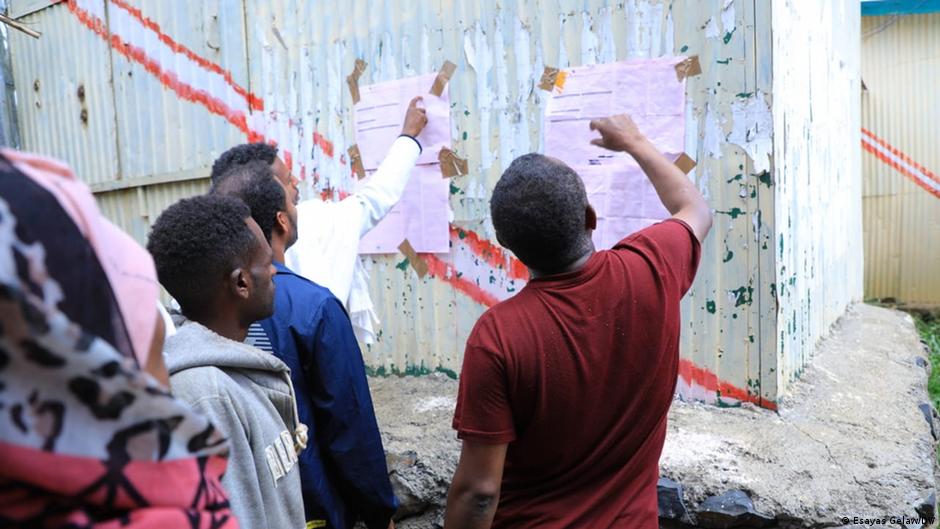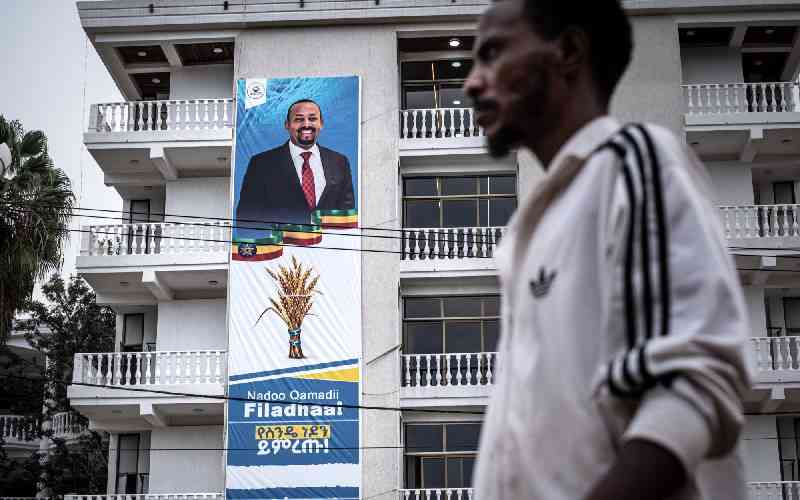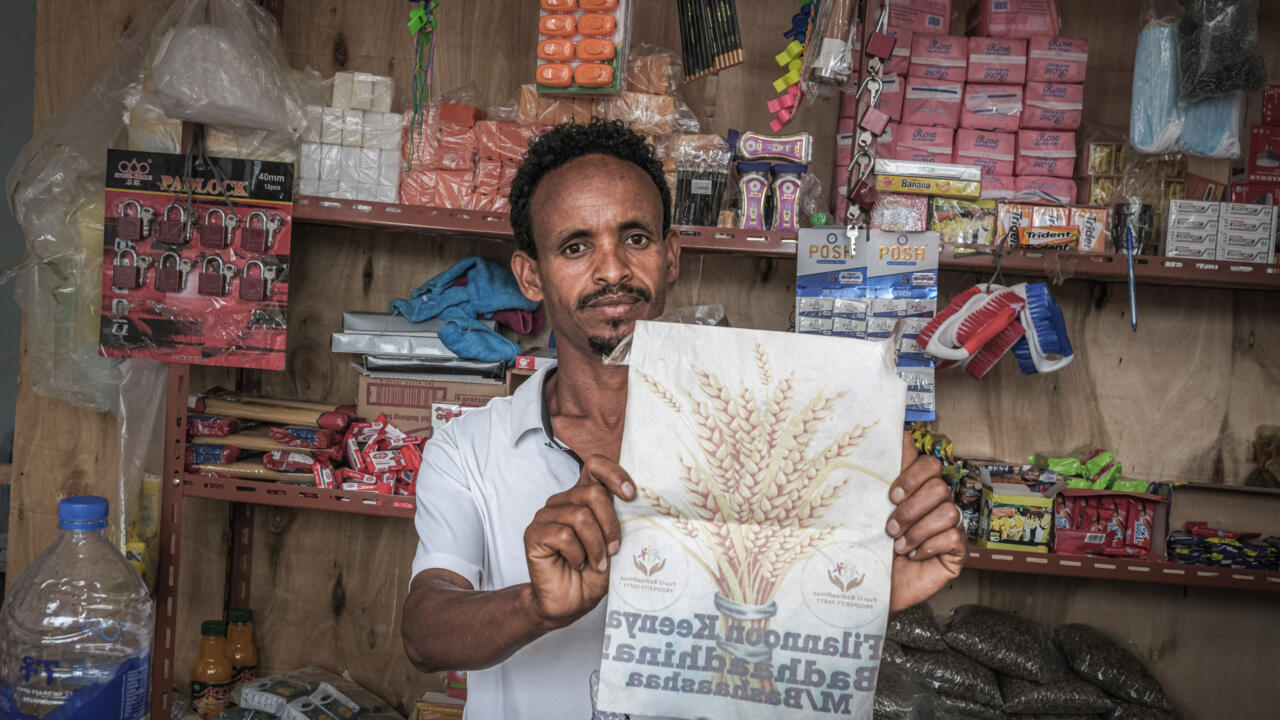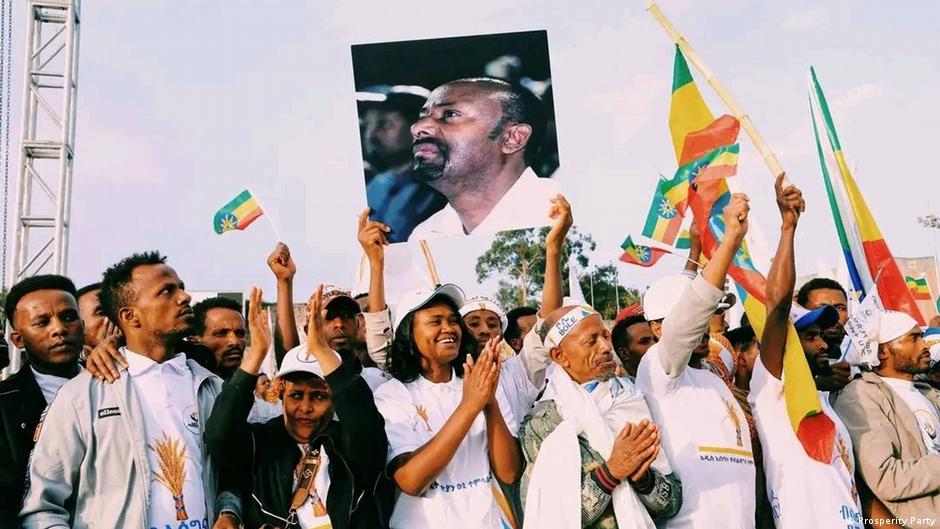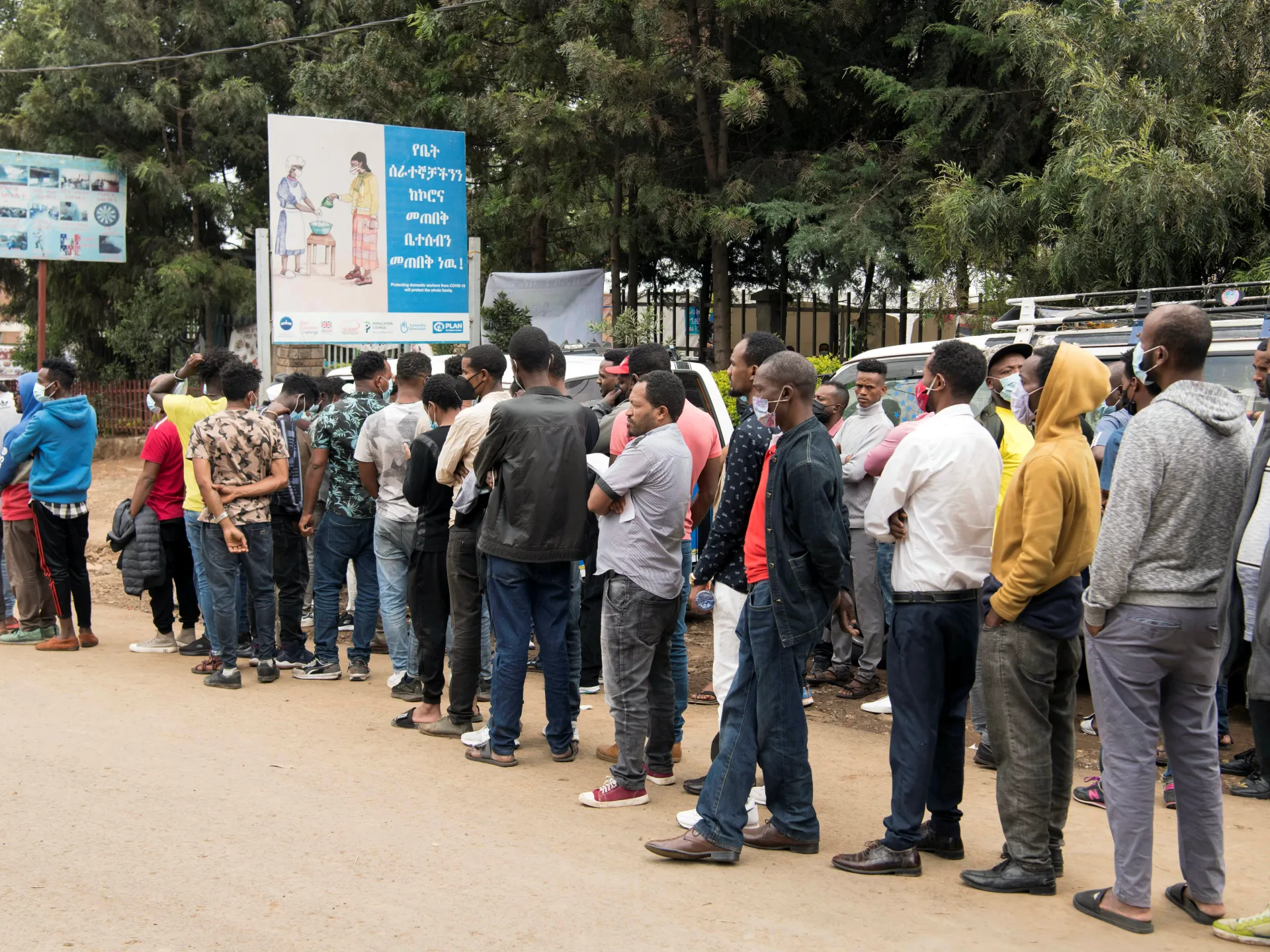
Ethiopia is preparing for a national election on 1 June amid deep political uncertainty and growing insecurity. Officially, the polls are expected to reinforce the country’s democratic transition and political stability. But the conditions suggest that the elections are unlikely to be genuinely competitive.
Elections are competitive when parties campaign openly, voters participate freely, and political actors engage without fear of violence or intimidation.
There are two main reasons why this will not be the case.
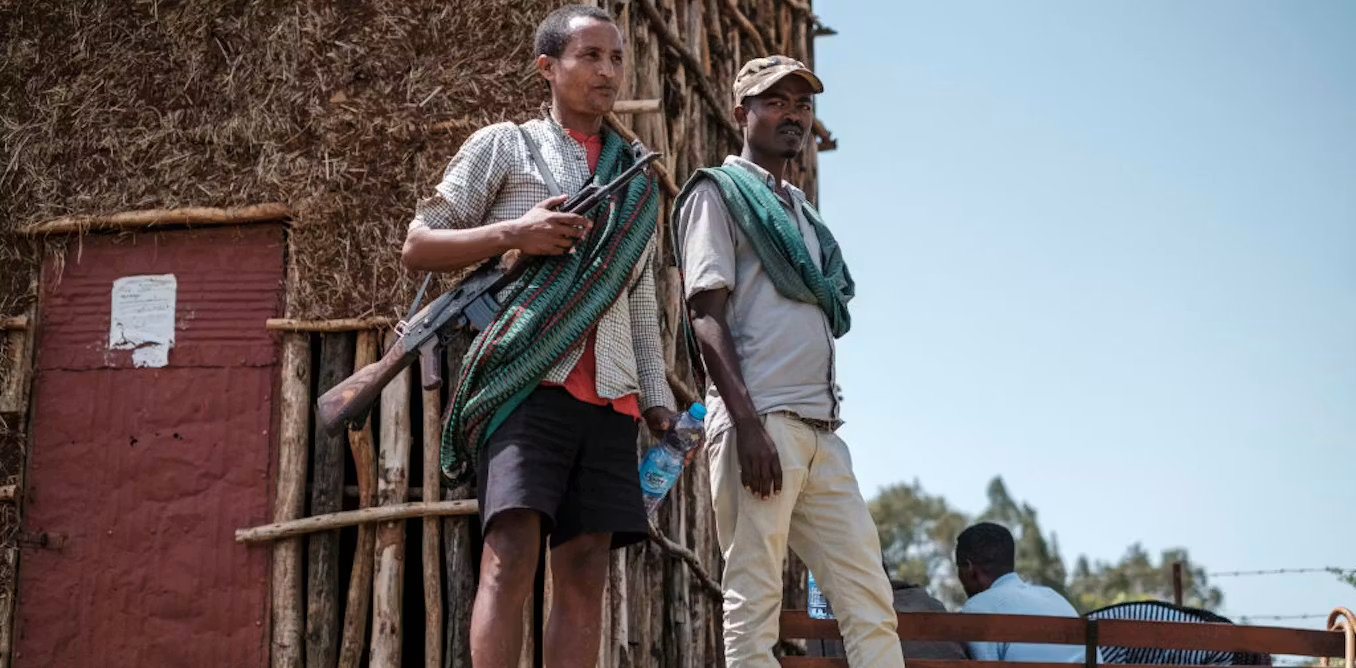
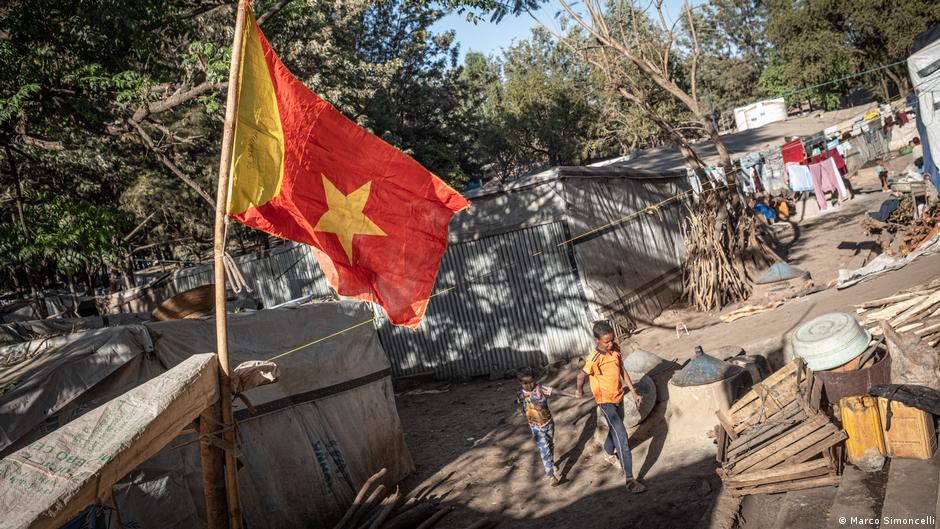
First, opposition actors remain fragmented, weakened or excluded from effective political participation. Second, there are armed conflicts and political tensions in several parts of the country. The most tense regions are Amhara, Oromia and Tigray. This has created an unstable environment for electoral competition.
Together, these conditions may make the upcoming elections among the least politically competitive Ethiopia has held since multiparty elections were introduced in the 1990s.