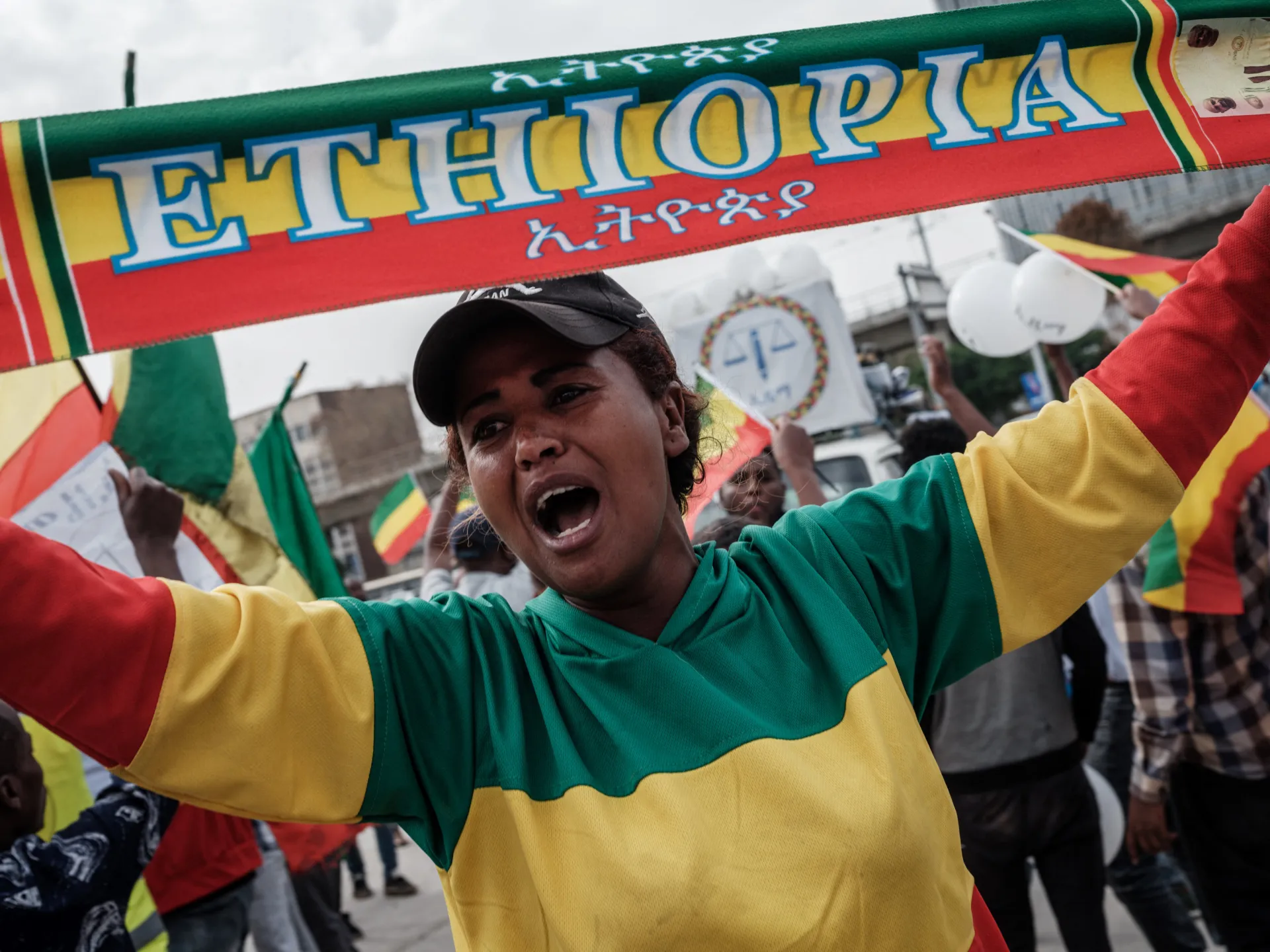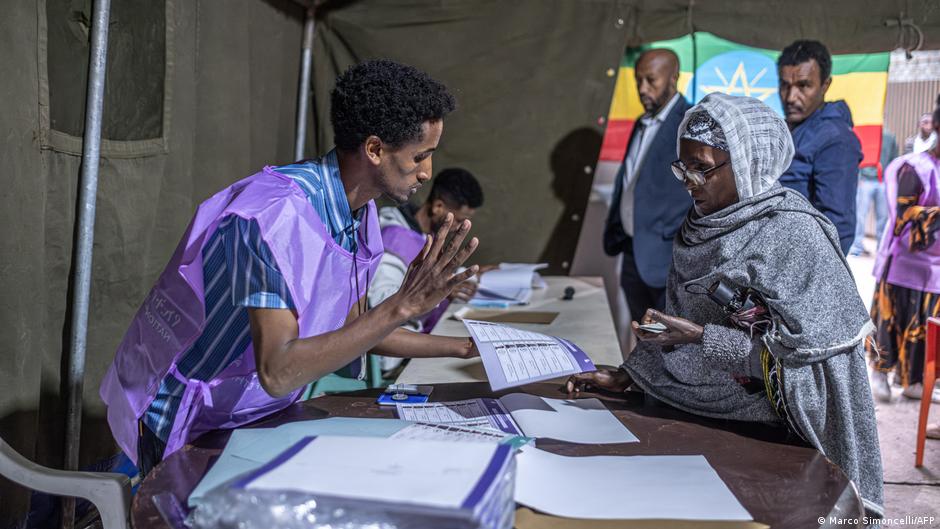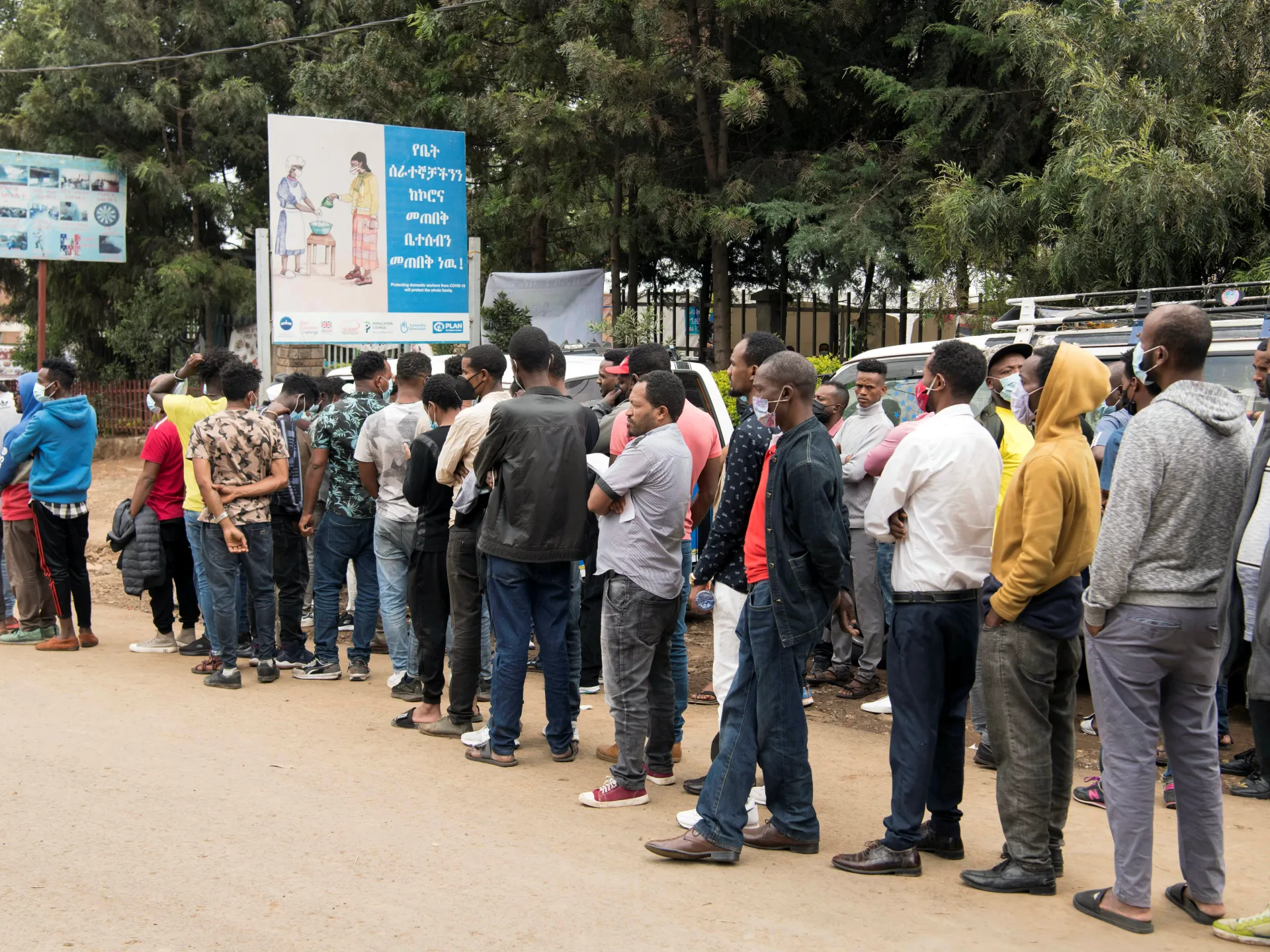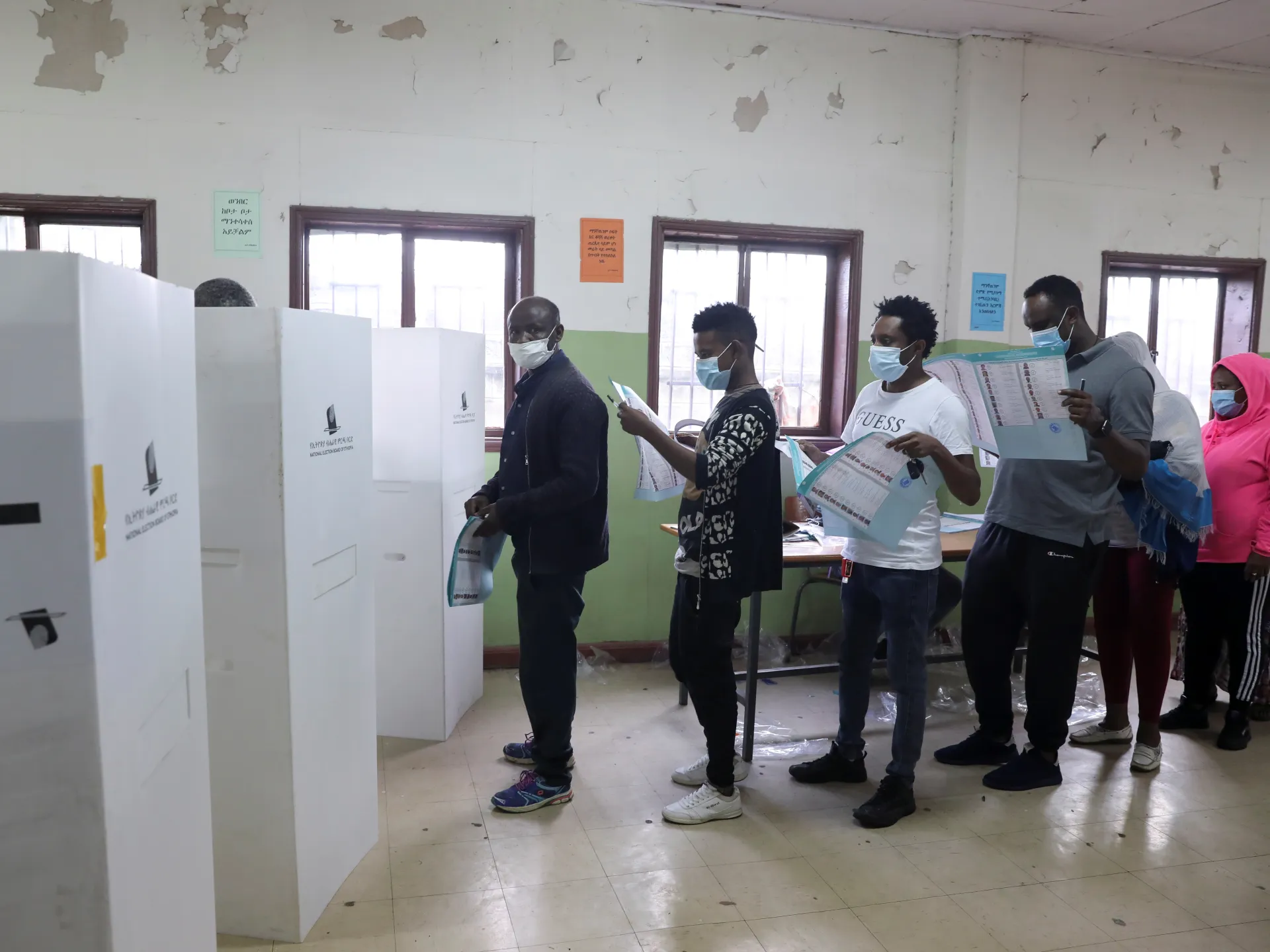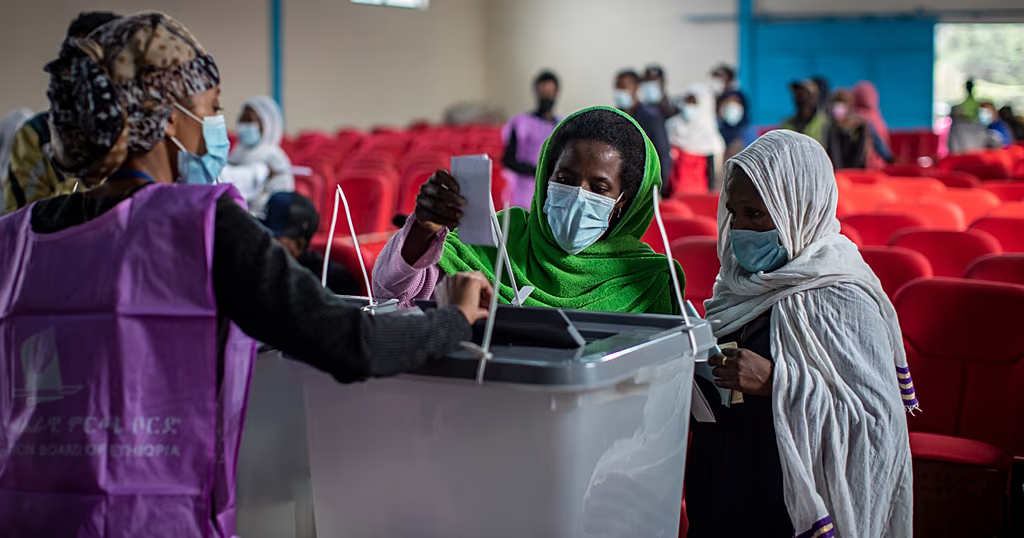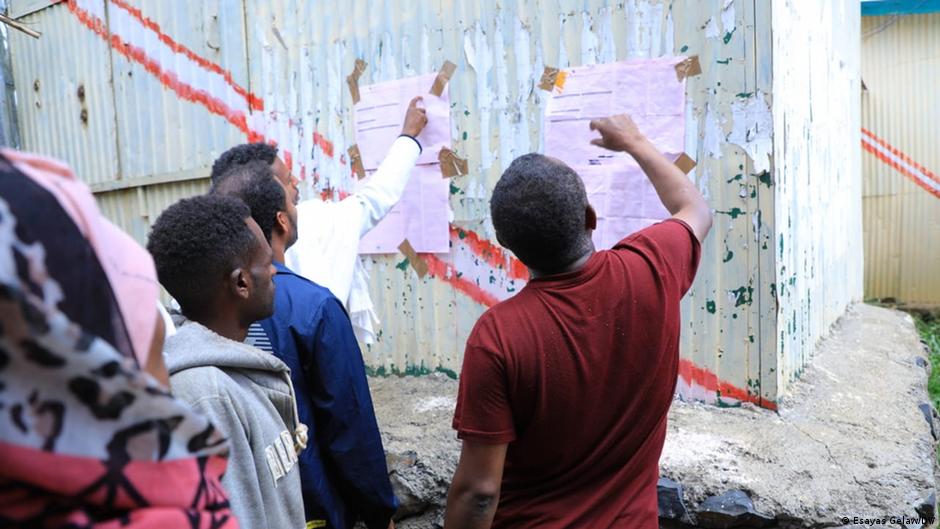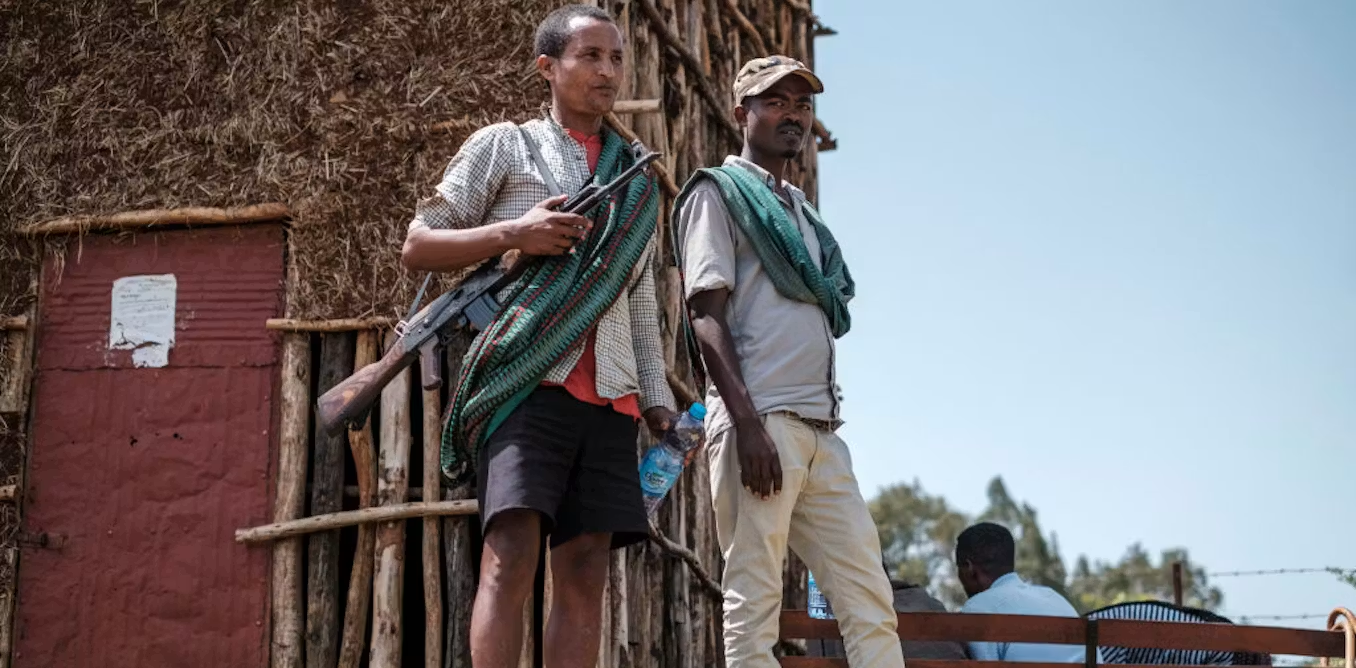
Ethiopia’s general election on 1 June 2026 will take place amid armed conflicts and political fragmentation. This has raised questions over voter participation and legitimacy and the future of the country’s multi-ethnic federal system. Ethiopia is Africa’s second most populous country and a key regional actor in the Horn of Africa. Redie Bereketeab, who researches state- and nation-building, identity and nationalism in the Horn of Africa, unpacks the 2026 election.
Who is on the ballot, and what is at stake?
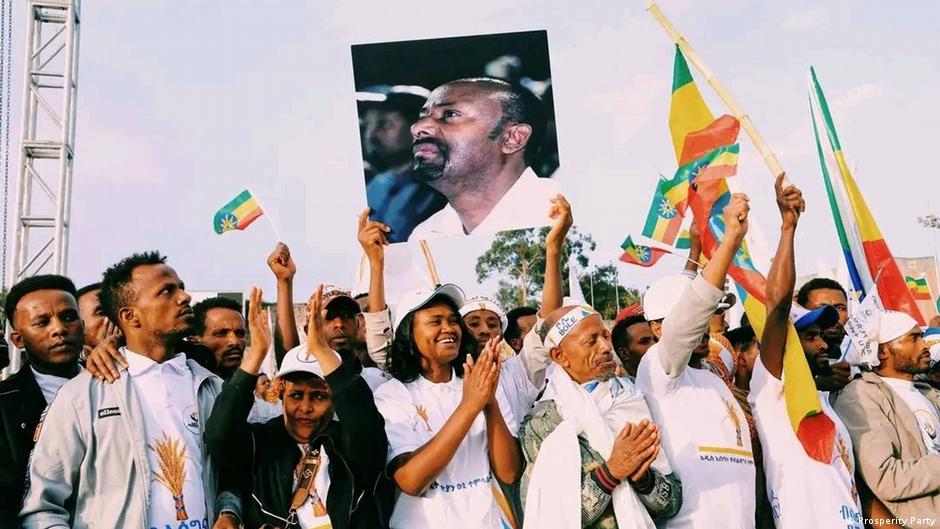
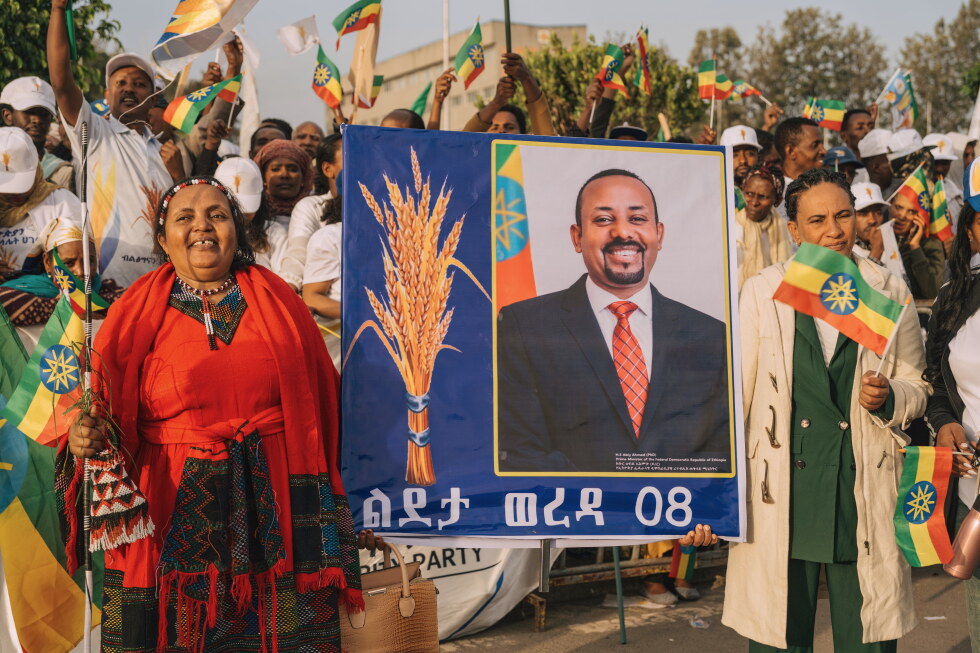
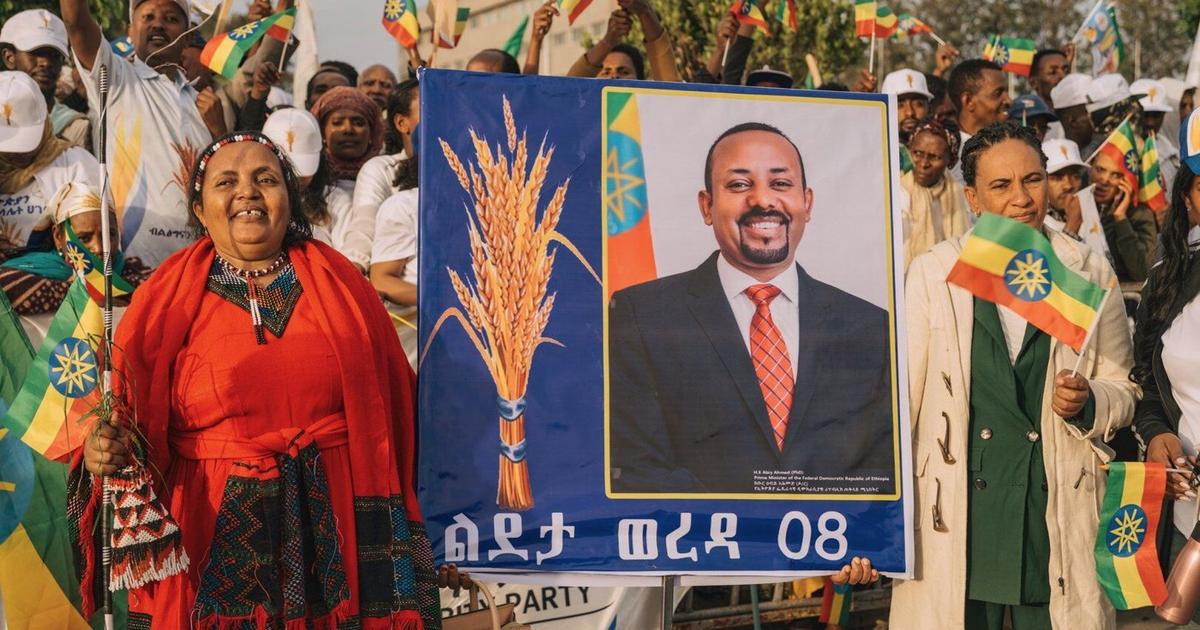
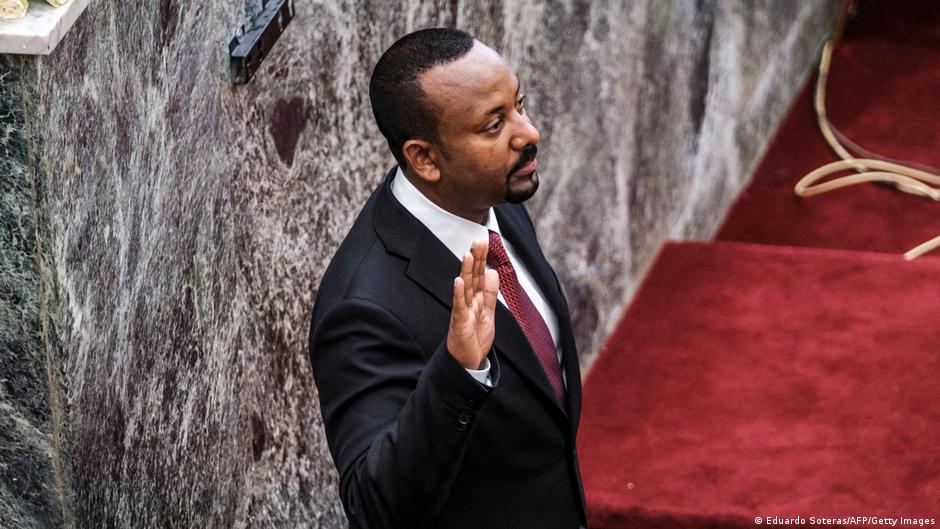
Prime Minister Abiy Ahmed’s Prosperity Party remains by far the strongest political force nationally. The party controls most federal and regional state institutions. The incumbent faces more than 45 opposition parties that are contesting the election. These include the Ethiopian Citizens for Social Justice, the National Movement of Amhara, Enat Party, the Freedom and Equality Party and the Oromo Federalist Congress.
But the result will not necessarily indicate broad political inclusion. This partly stems from widespread restrictions on opposition parties, such as arbitrary arrests and preventing meetings. This has been documented by rights groups, including the US-based Freedom House.