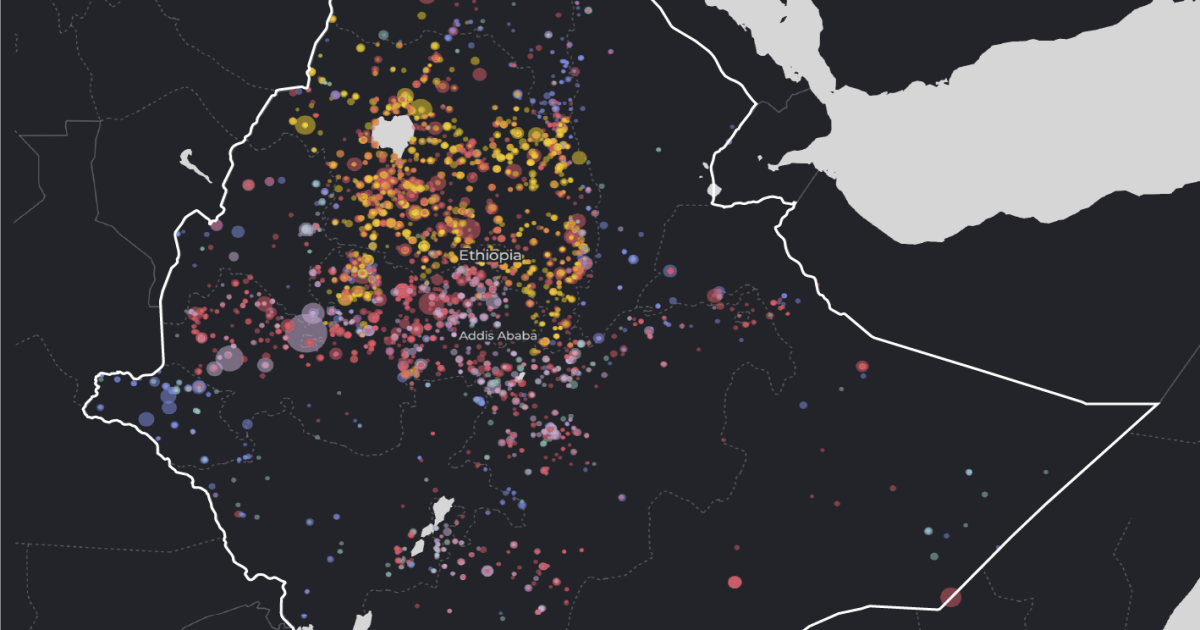
Days before the vote, Ethiopia's electoral body, the National Election Board of Ethiopia (NEBE), announced that elections would not take place in 46 electoral districts in the conflict-affected Amhara and Tigray regions, citing insecurity and political tensions.
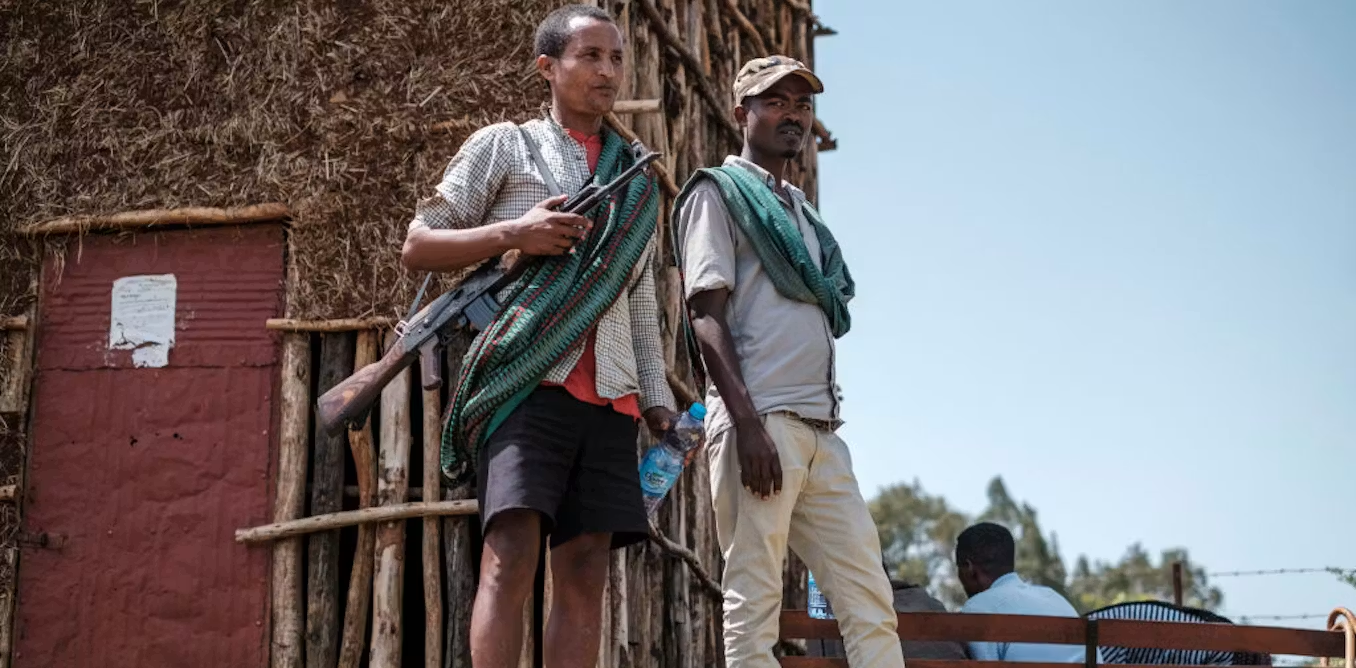
The NEBE said voting would not take place in eight of the 138 electoral districts in the northwestern Amhara region because of what it described as "unfavorable conditions" amid clashes between militia groups and the army. The board also suspended voting in 38 districts in Tigray, where tensions remain high between the federal government and the Tigray People's Liberation Front (TPLF).The war in Tigray killed hundreds of thousands of people and despite a peace deal, the situation remains volatile Image: Ethiopian News Agency/AP/picture alliance
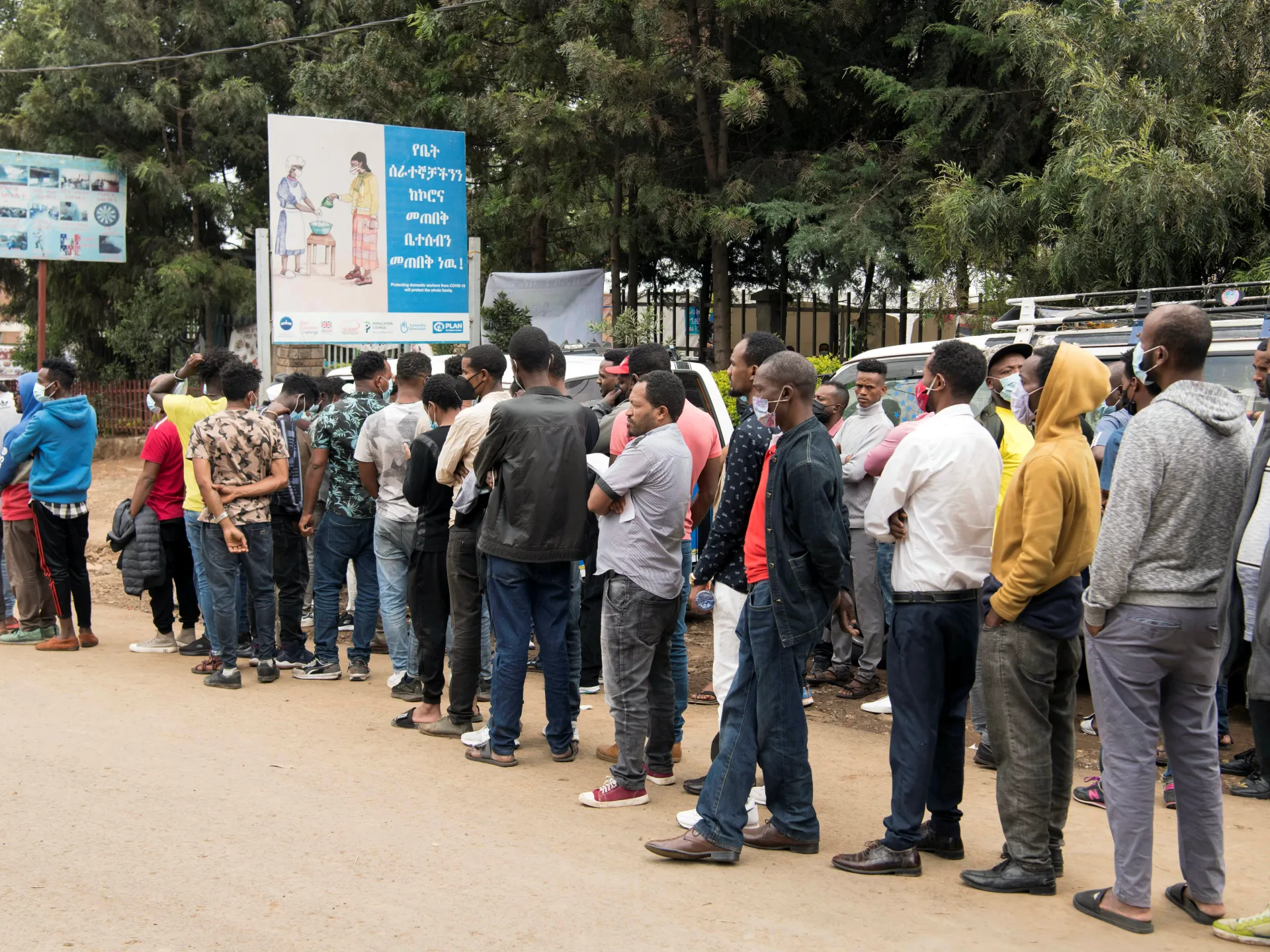
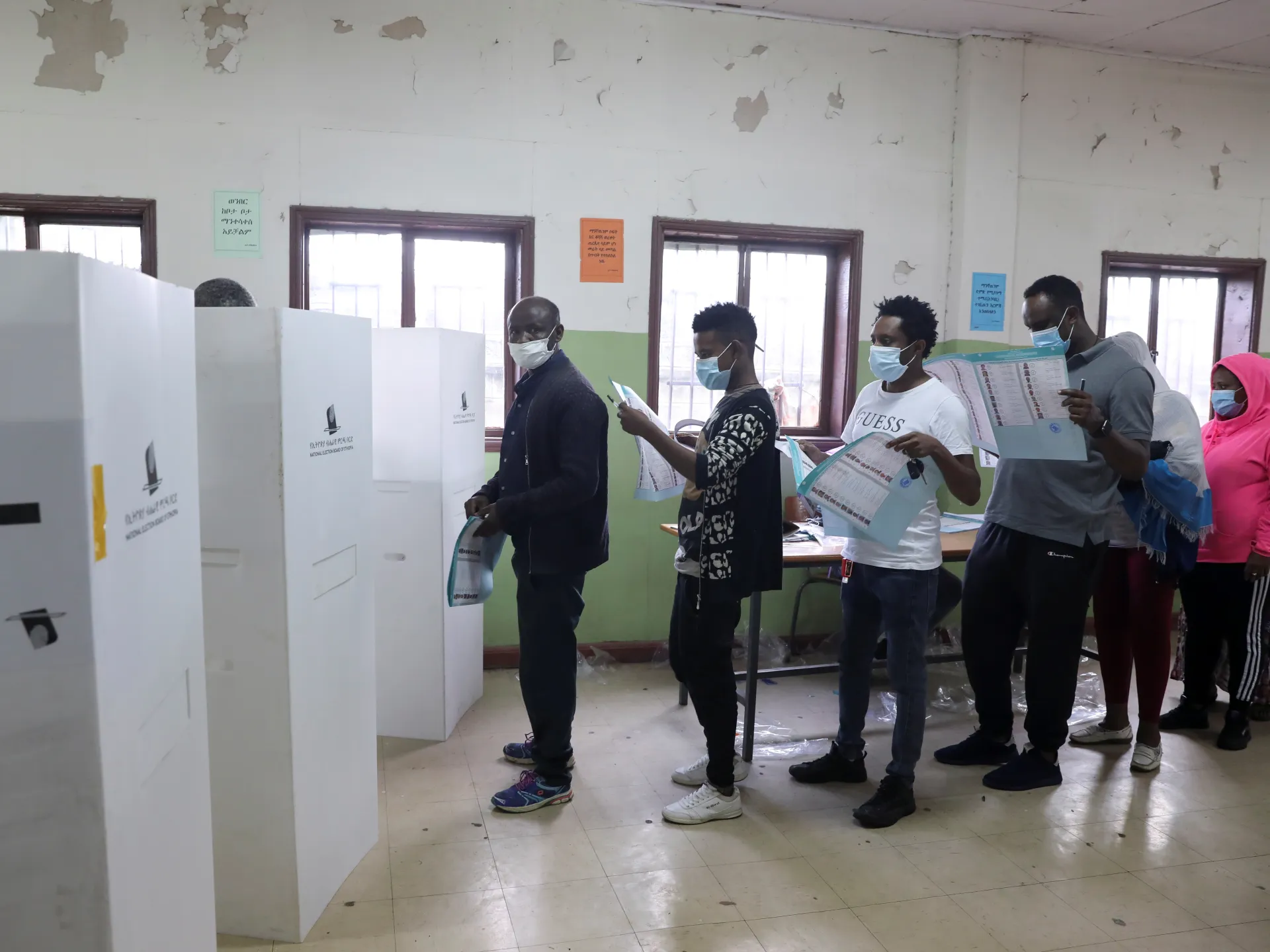
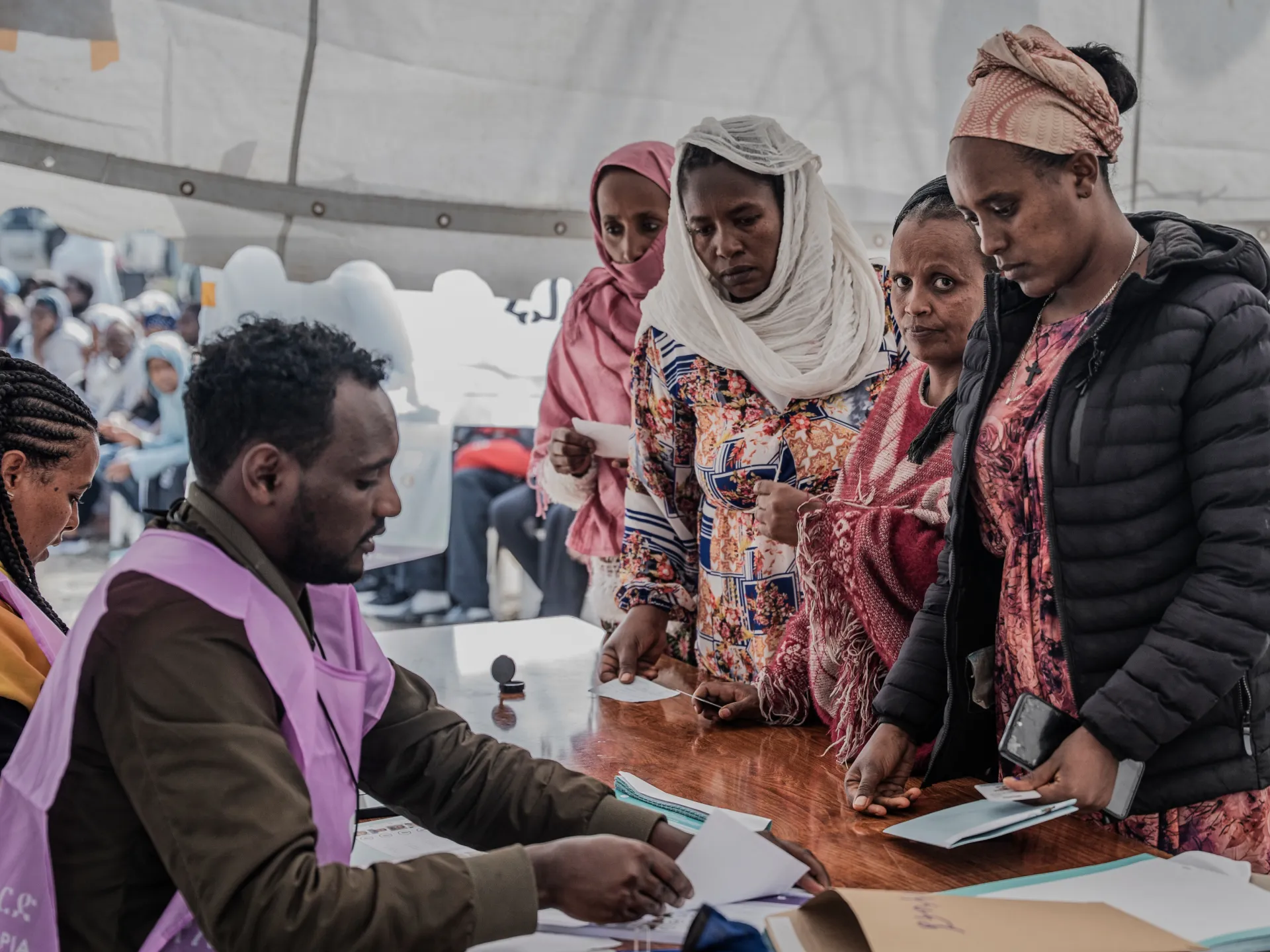
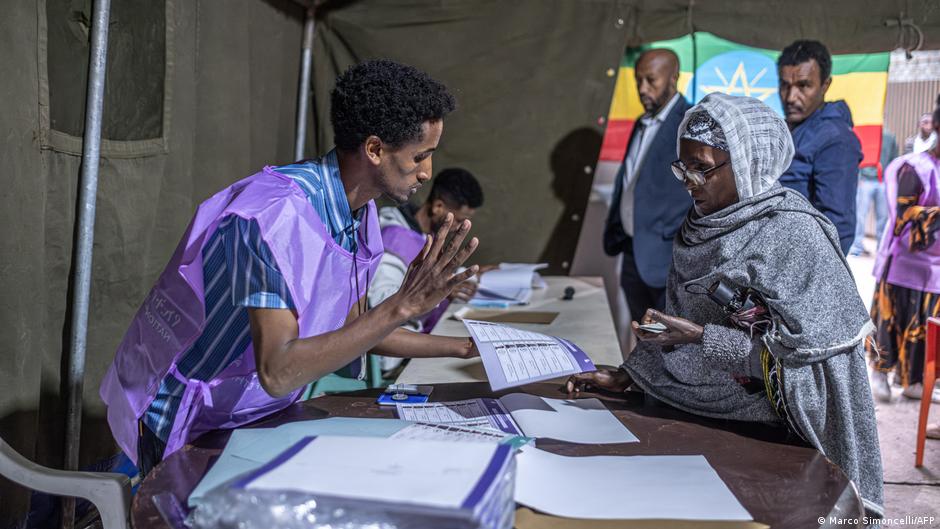
Ethiopia's 130 million citizens are hoping for an improvement in their daily lives when they go to the polls for parliamentary elections on June 1.
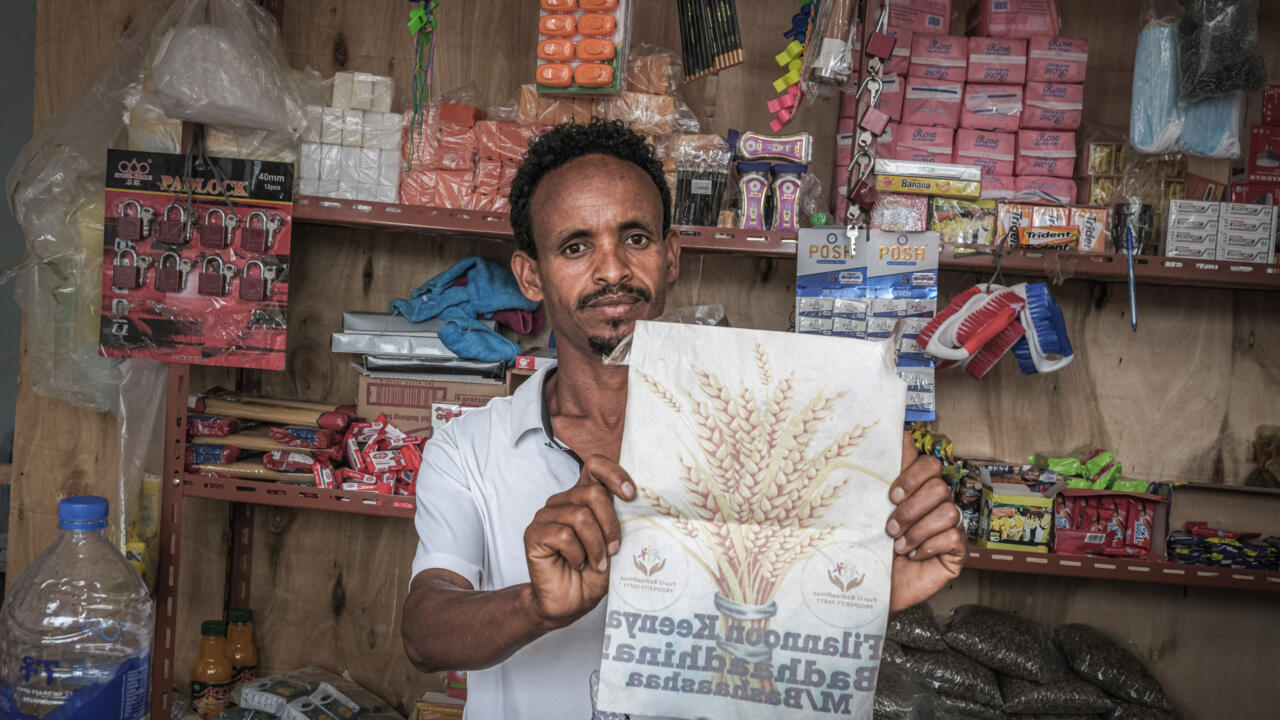
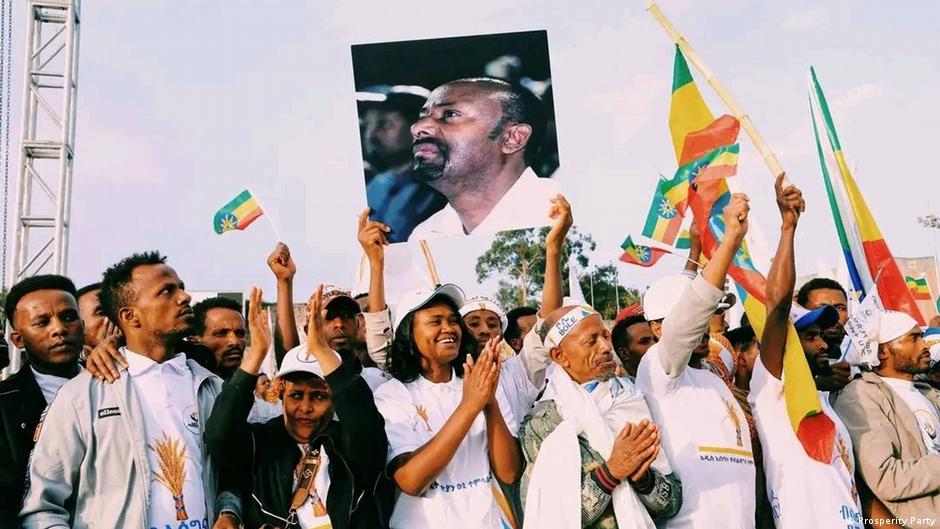
"Even though I'm not satisfied with the current economic situation, I believe the ruling Prosperity party will remain in power," a 50-year-old man in Addis Ababa, who chose to remain anonymous, told DW.
Another young voter spoke of the necessity for peace in the country, saying that only then can real development be realized. "That would alleviate the current inflation problem," he told DW, adding that he hopes the election would result in peace and stability.