Most organizations still picture cyber defense as a fortress problem: build stronger walls, add more guards, buy another detection engine. But modern incidents rarely crash through the front gate. They drift in disguised as routine activity, hide inside legitimate processes, and quietly accumulate risk long before anyone labels them an "incident."
That changes the role of the SOC entirely.
The best SOCs today are not simply detecting attacks. They are reducing the amount of uncertainty the business can accumulate. Every unidentified process, every unenriched alert, every delayed investigation becomes operational debt that compounds silently until it erupts into downtime, compliance issues, customer impact, or reputational damage.
Prevention, then, is no longer about blocking everything at the perimeter. It is about shrinking the time between "something changed" and "we understand exactly what it means."
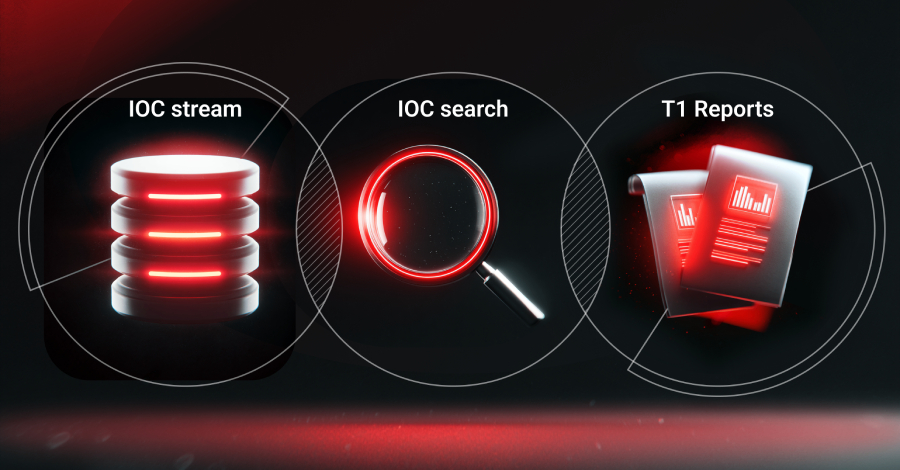
That requires three things: