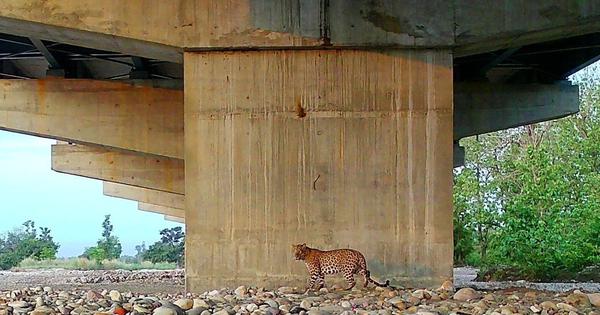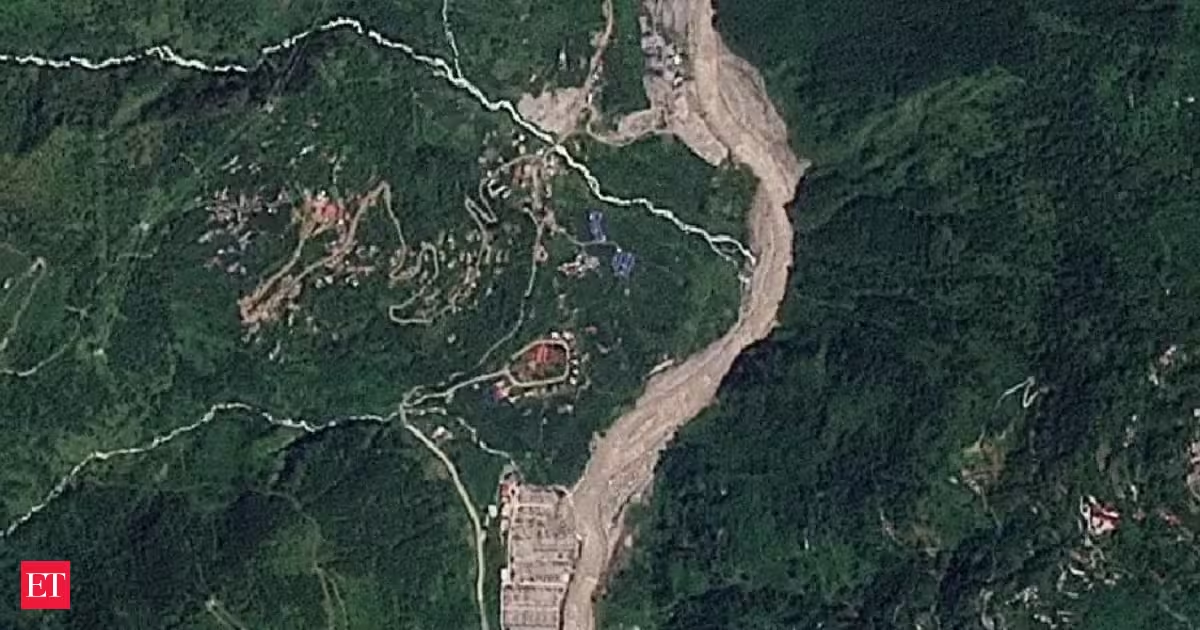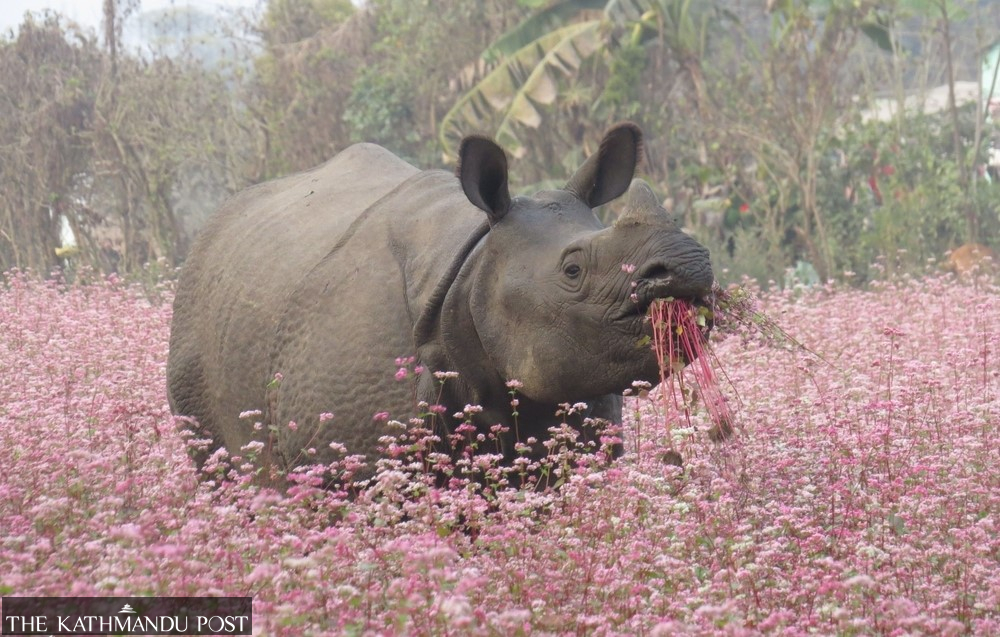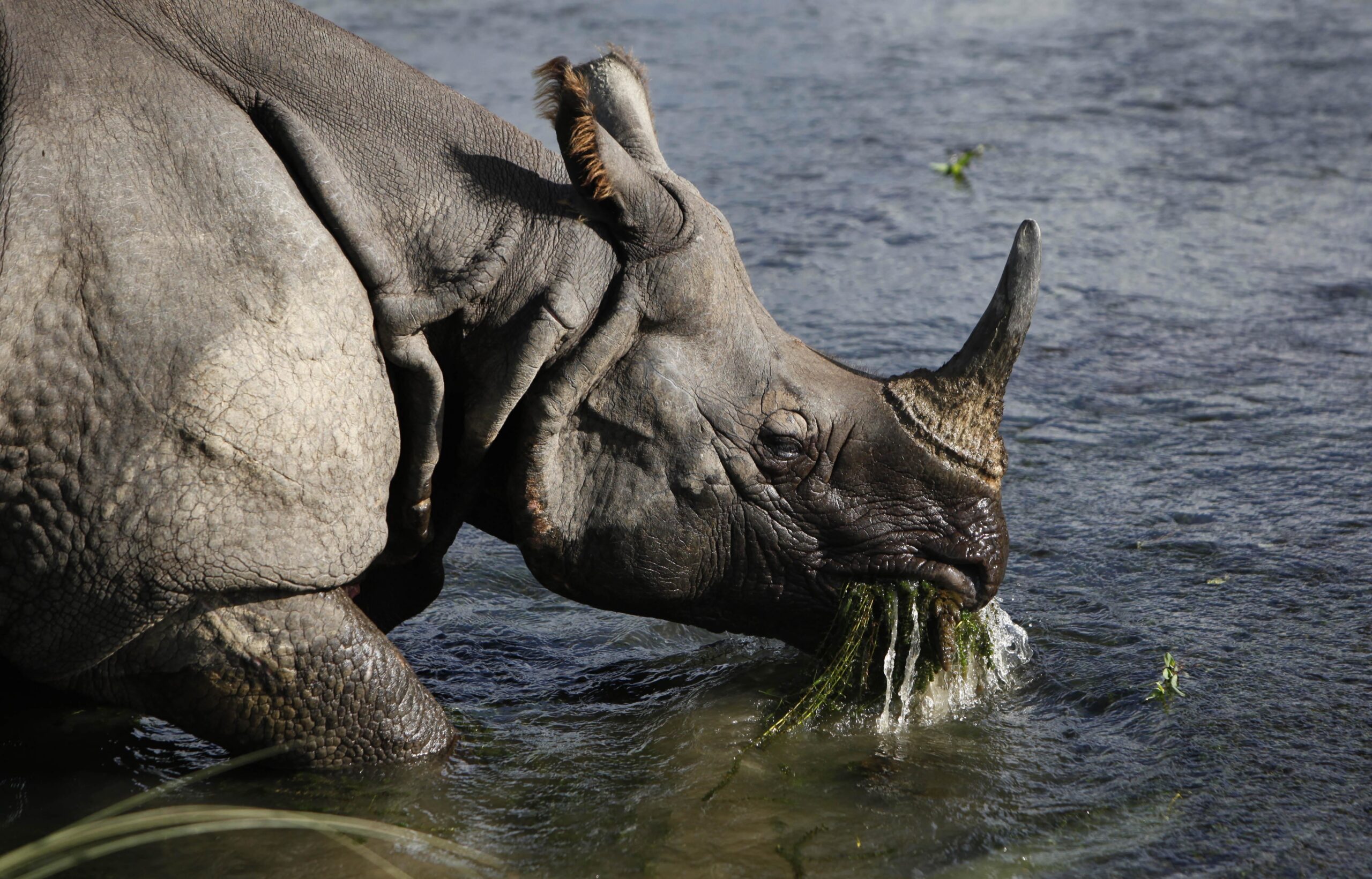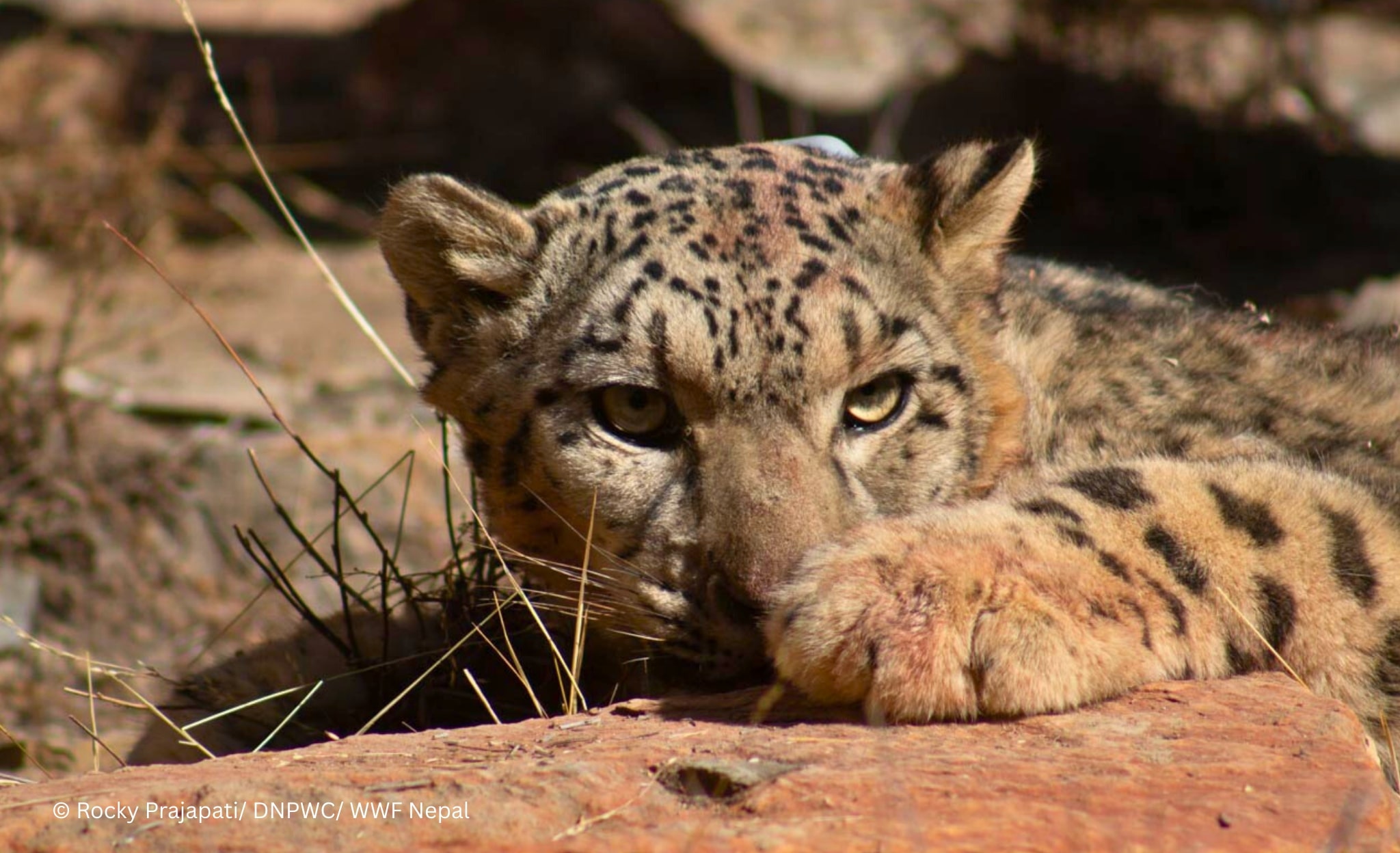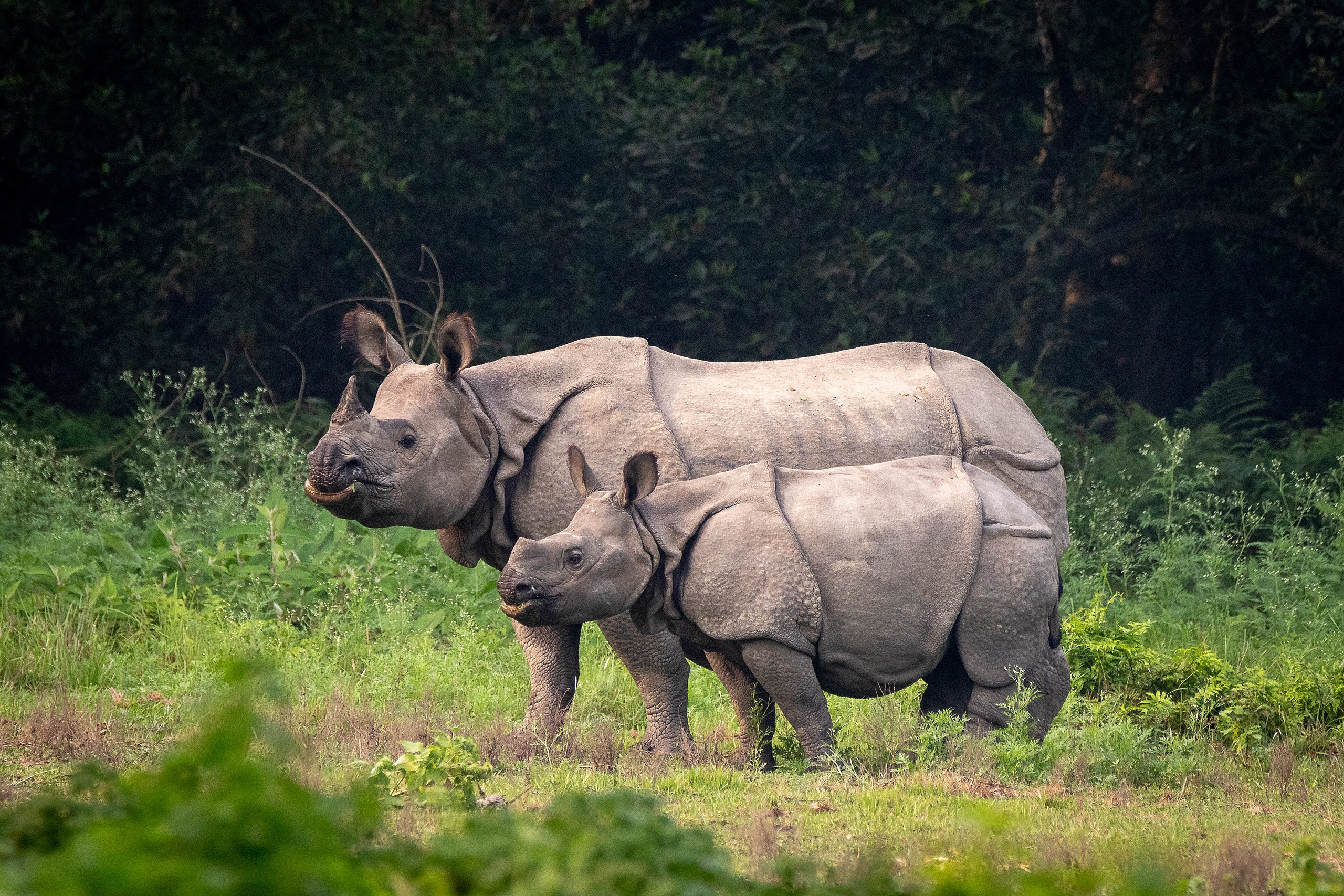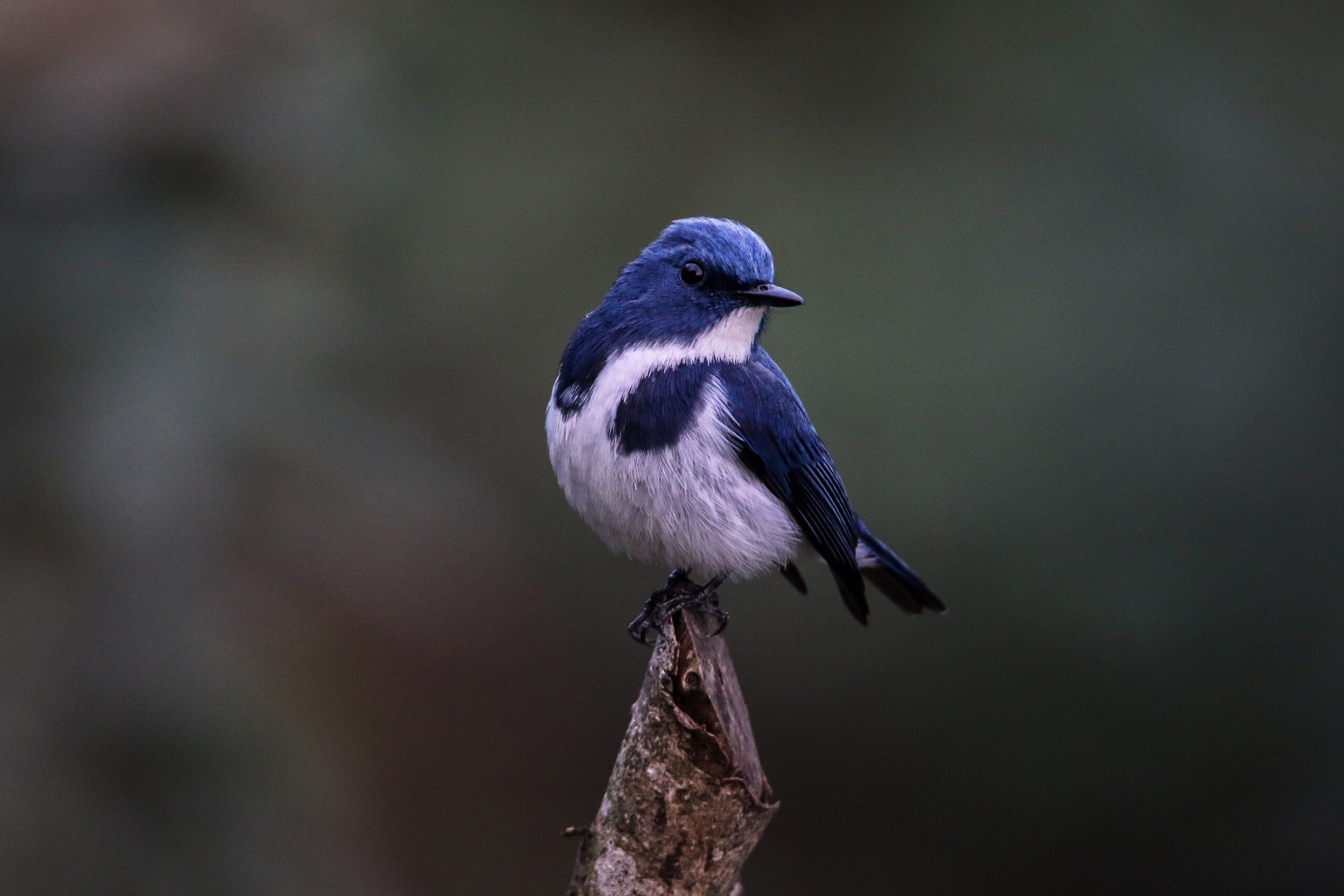
A WWF Nepal mapping study has identified 515 “biodiversity important areas” across Nepal, many of which overlap with existing or planned road, railway and power line projects.Conservationists warn that Nepal’s infrastructure boom could fragment wildlife habitats and movement corridors, especially in wetlands, river valleys and mid-hill forests outside protected areas.Experts say Nepal doesn’t need to halt development, but must integrate wildlife safeguards early, including route changes, underpasses, overpasses, canopy bridges, and bird-safe power-line designs.
KATHMANDU — As Nepal expands highways, railways and power lines across the country, a new nationwide study warns the infrastructure boom is cutting through habitats and movement routes used by threatened species.
The mapping study, published by WWF Nepal, identifies 515 “biodiversity important areas” (BIAs) and finds extensive overlap between those landscapes and the sites of existing or planned infrastructure projects. A total of 6,529 kilometers (4,057 miles) of roads and 4,862 km (3,021 mi) of power lines already pass through these areas. Nearly a quarter of Nepal’s proposed railway network could also cut across them once completed.