If the “preservation doctrine” was about sparing the foundations of a nation, the “Abraham architecture” is about building the surrounding neighborhood that reinforces it. The question we face now is no longer how to win the war, but how to ensure we never have to return to it.While some interpret the administration’s focus on regional alliances as a pivot away from responsibility, they are fatally miscalculating the strategic landscape. We are not retreating — we are facilitating a sovereign emergence, the birth of a historic hybrid, a structure that mirrors the military resolve of NATO and the economic synergy of the European Union, specifically tailored to the culture of the Middle East and designed to end the era of “forever wars.”
For decades, the Middle East was defined by fragmented conflict that required the United States to act as a perpetual, and often exhausted, policeman. That era is closing. While critics point to the “Saudi checkpoint,” the diplomatic insistence on legacy political milestones, as a barrier to this alliance, they are focusing on the wrong aspect of the architecture.
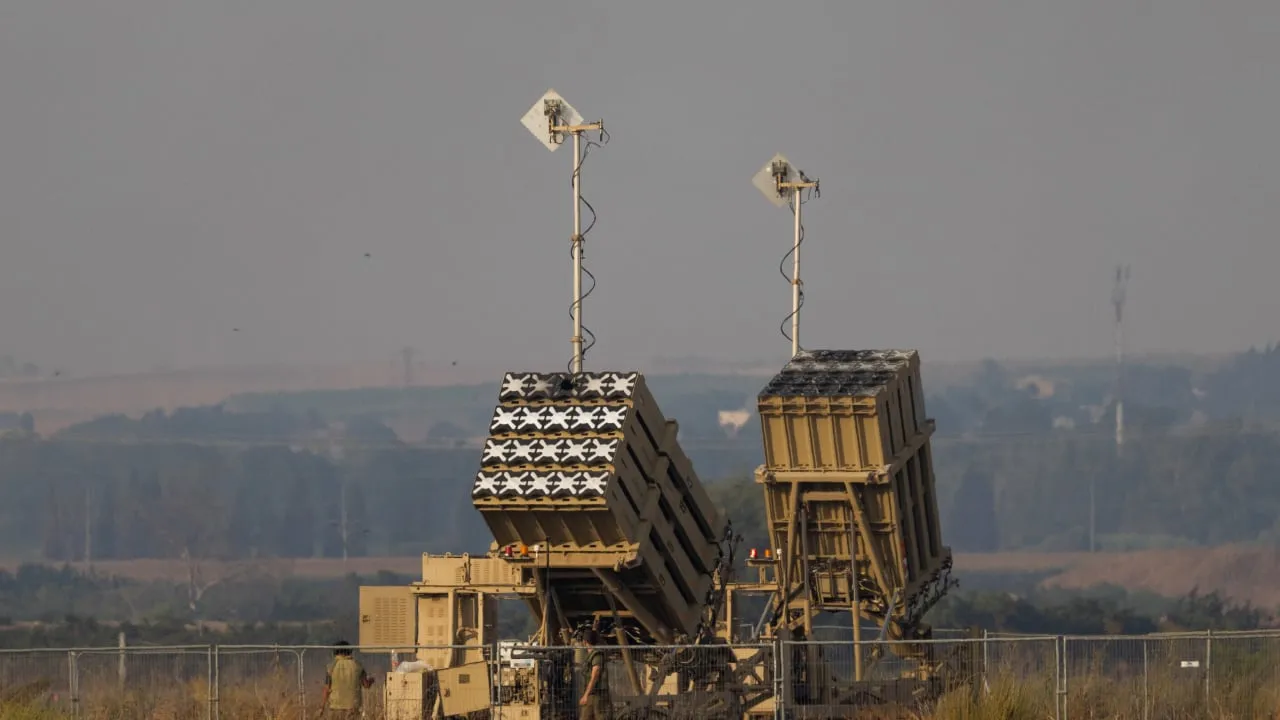
A “regional shield” is being built from the ground up, through strategic interoperability. While the diplomats debate requirements issued in Washington, the military command is already achieving technical interoperability. Through new coordination cells, such as the one recently established at Al Udeid Air Base, with the integration of real-time radar data and missile defense systems, a functional “Muslim NATO” is emerging through hardware and technology before it is finalized by a handshake. This creates a collective security umbrella that greatly reduces the incentive for state-sponsored terrorism. We are moving toward a reality where regional stability is governed by those with a vested interest in its success.