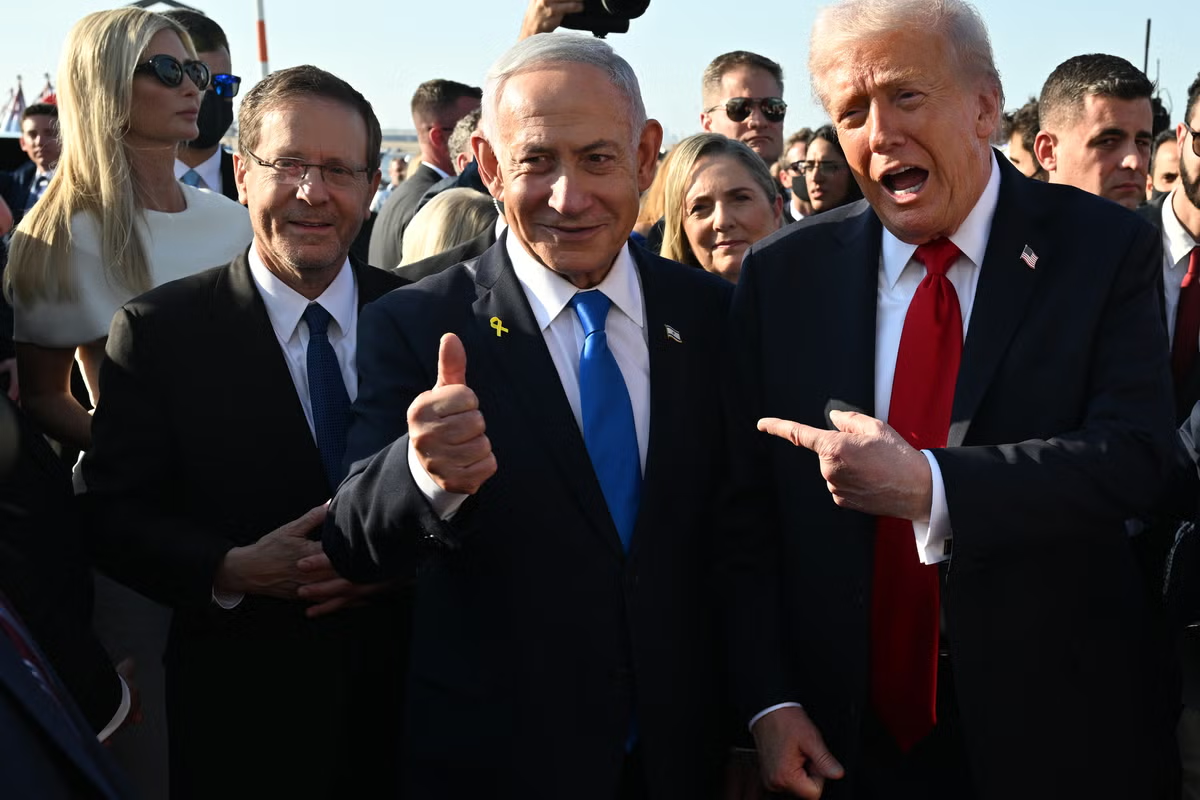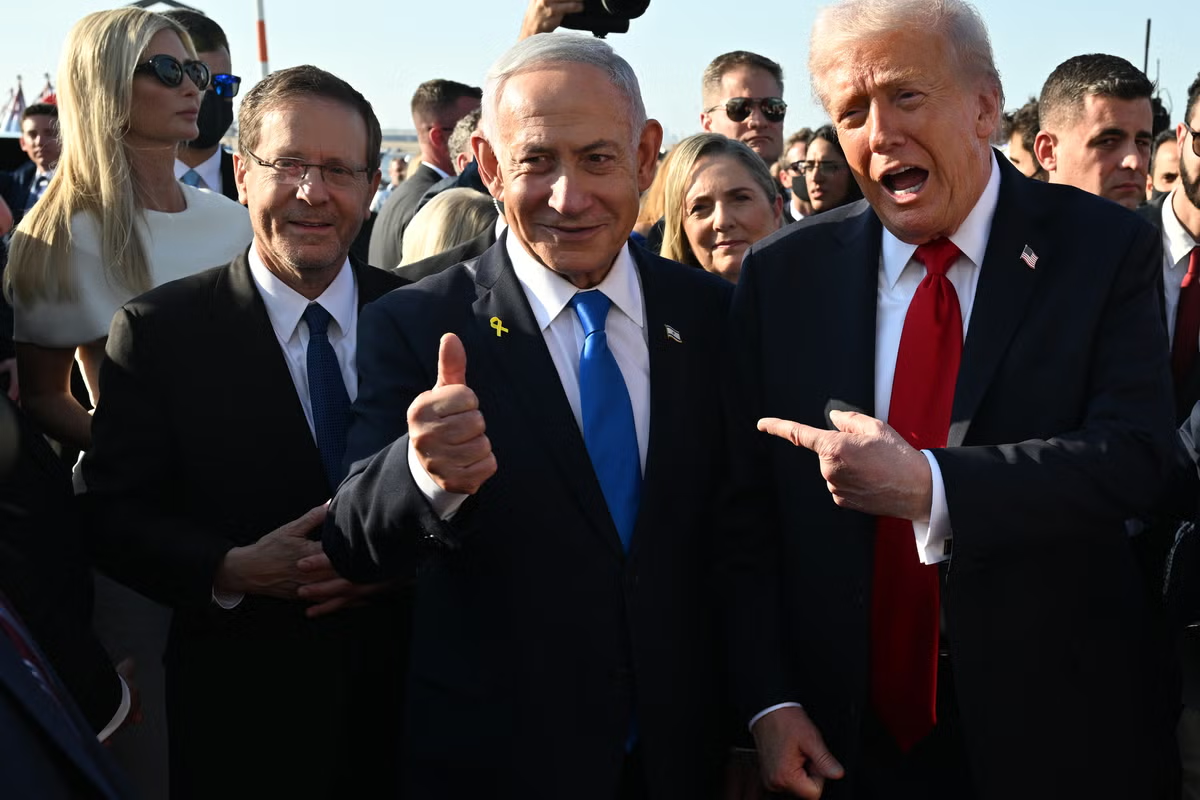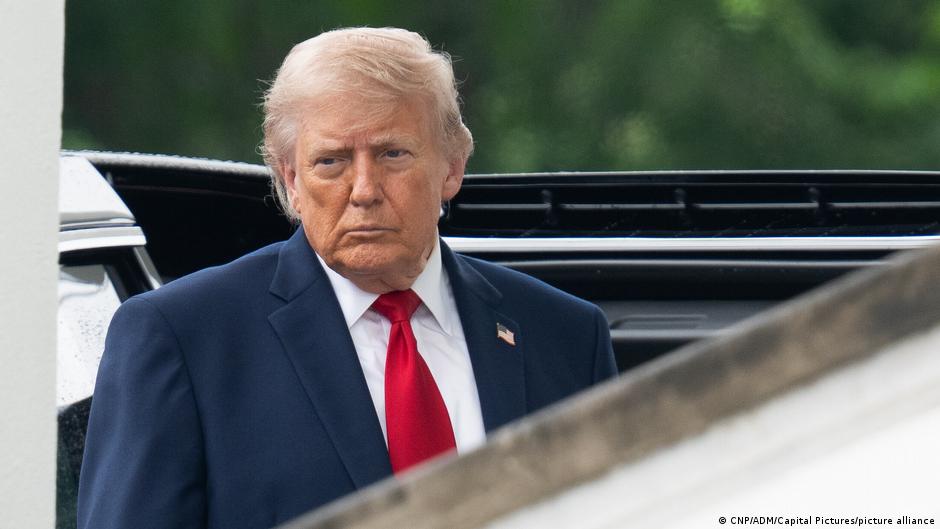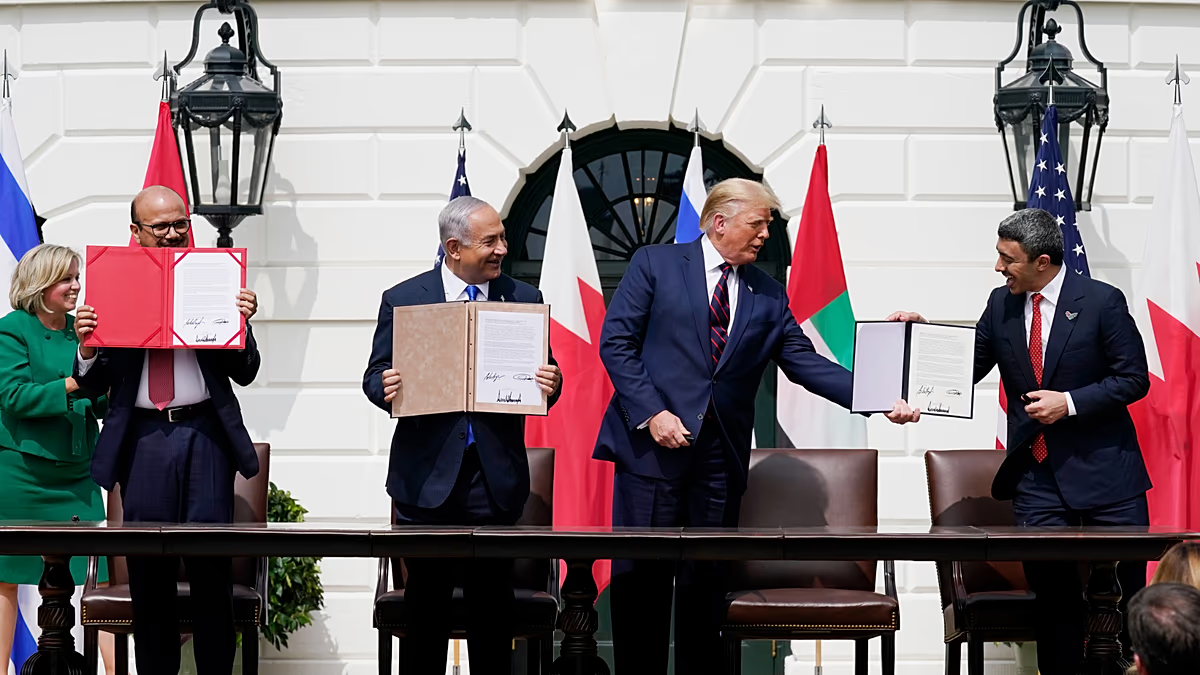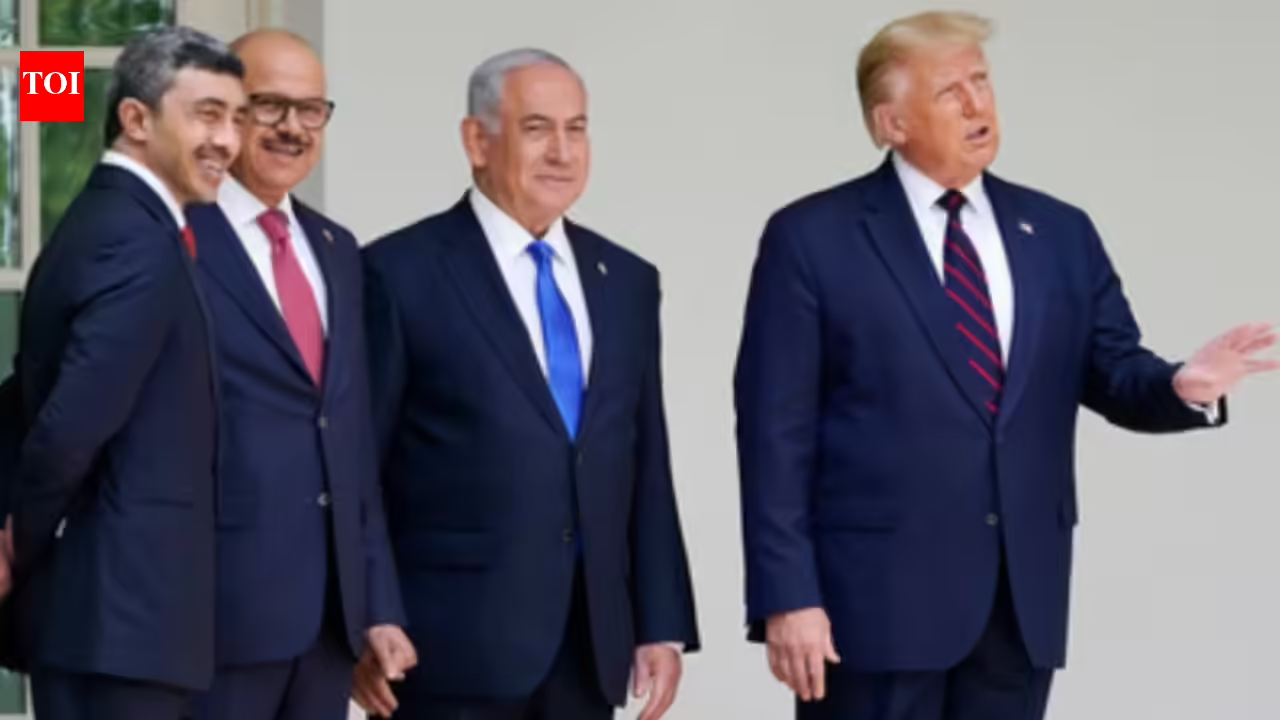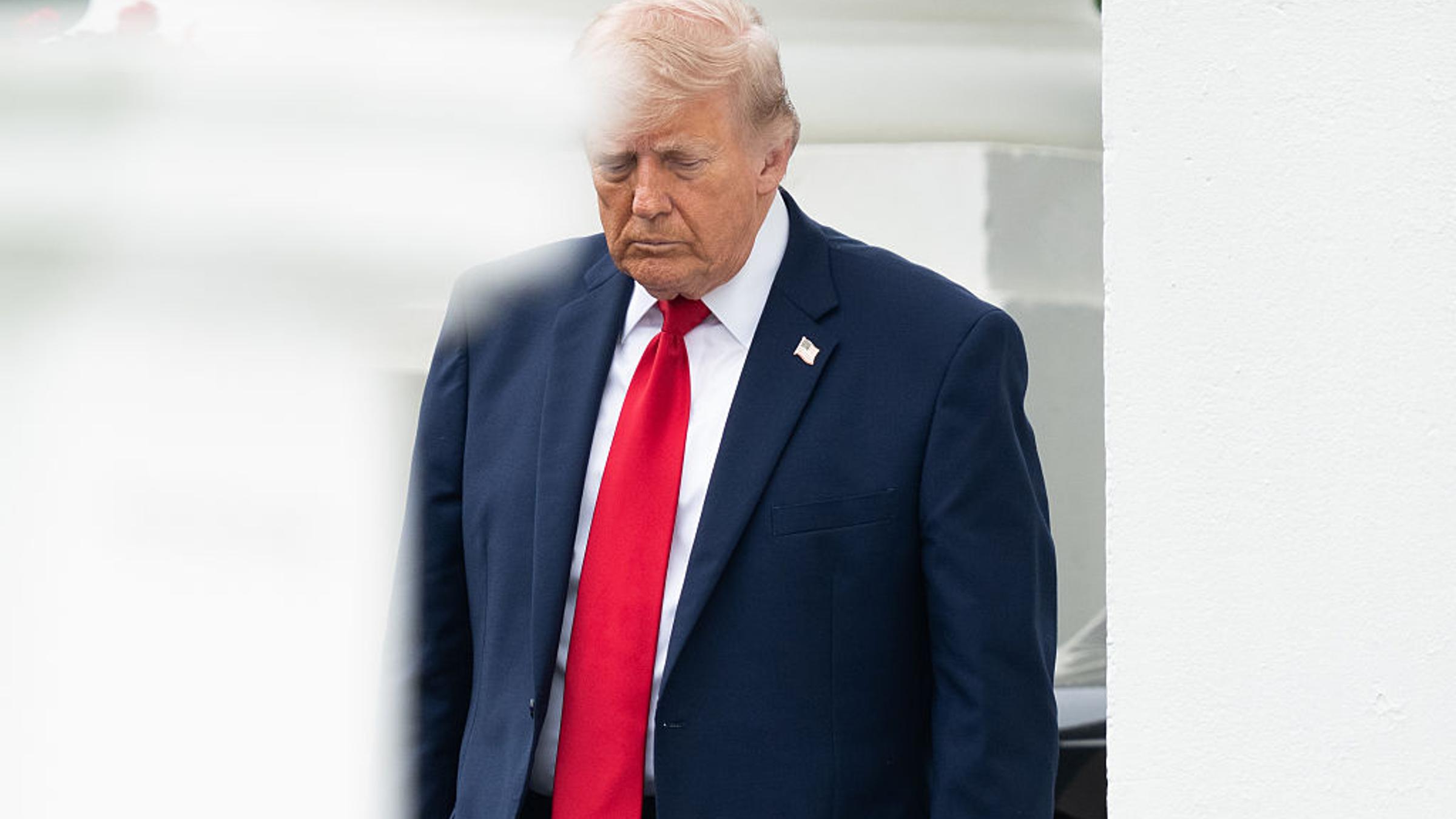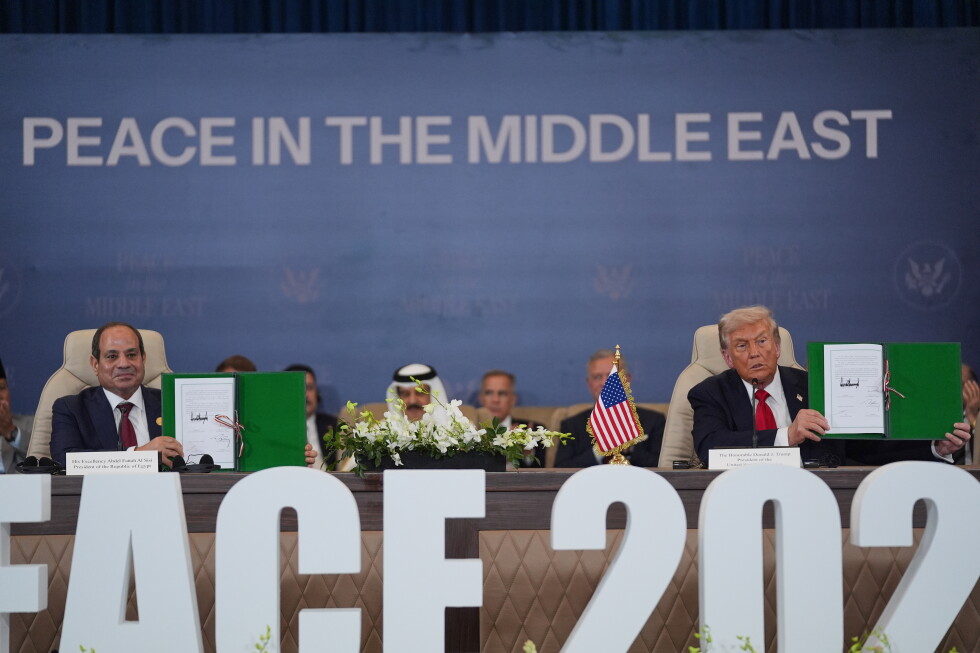
President Donald Trump repeatedly touted the “Abraham Accords” in his Middle East trip on Monday, seeking to build on 2020 agreements that expanded the number of Arab states with diplomatic ties with Israel.The term is filled with religious and cultural meaning, citing a biblical patriarch revered as a founding figure in three major religions whose adherents encompass more than half the world’s population — Christianity, Islam and Judaism. Anyone trying to build a bridge between faiths is liable to invoke Abraham — known to Muslims as Ibrahim — as someone they hold in common. But this legacy can also be a source of division because some faith groups portray themselves as his true heirs.“Everybody has tried to claim Abraham as their own, but in fact Abraham belongs to everybody,” said Bruce Feiler, author of “Abraham: A Journey to the Heart of Three Faiths.”“Even in the last two years, we have seen this battle play out in a way that has played out for 4,000 years,” he said. “Everyone is trying to say, ‘This is my story, my point of view is the only point of view that matters.’”But, he said, “the story belongs to all of us, the land will need to be shared, and the legacy will need to be a shared legacy for all of us.”
This is why the story of Abraham is coming up in the push for Middle East peace
President Donald Trump repeatedly touted the “Abraham Accords” in his high-profile Middle East trip.
1,015 words~5 min read