Commentary
In a region that is undergoing a dramatic strategic reconfiguration, the Abraham Accords are increasingly seen as a US-imposed framework, says an academic.
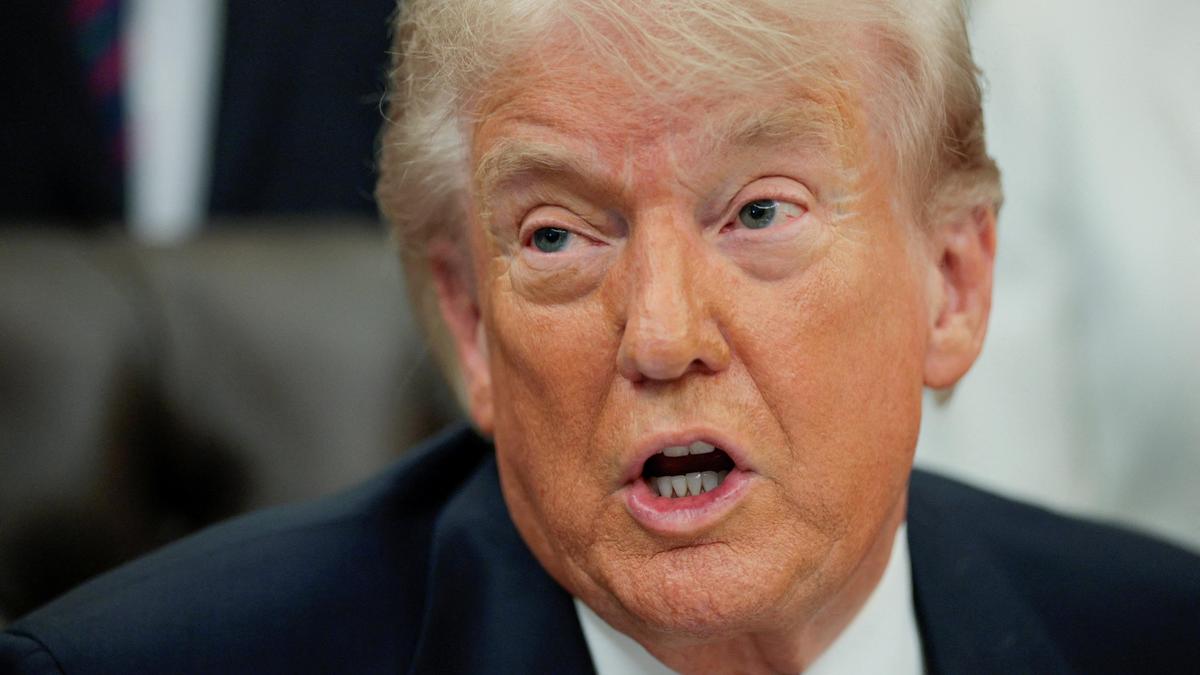
Donald Trump wants Middle Eastern countries to sign the Abraham Accords to create ties with Israel in latest demand in peace talks with Iran. REUTERS/Pierre Albouy/File Photo
29 May 2026 05:59AM
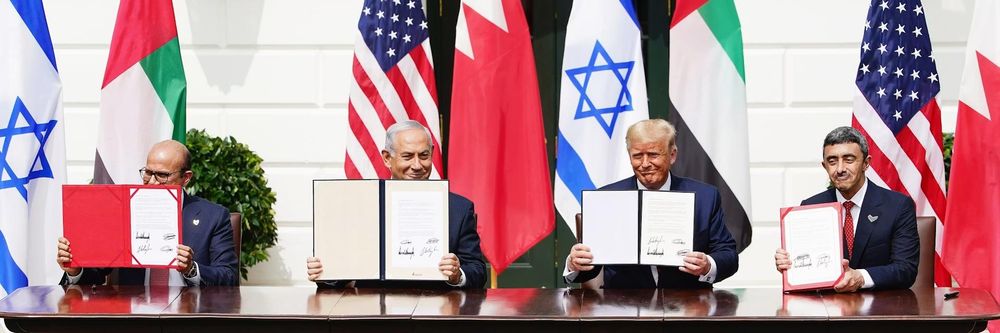
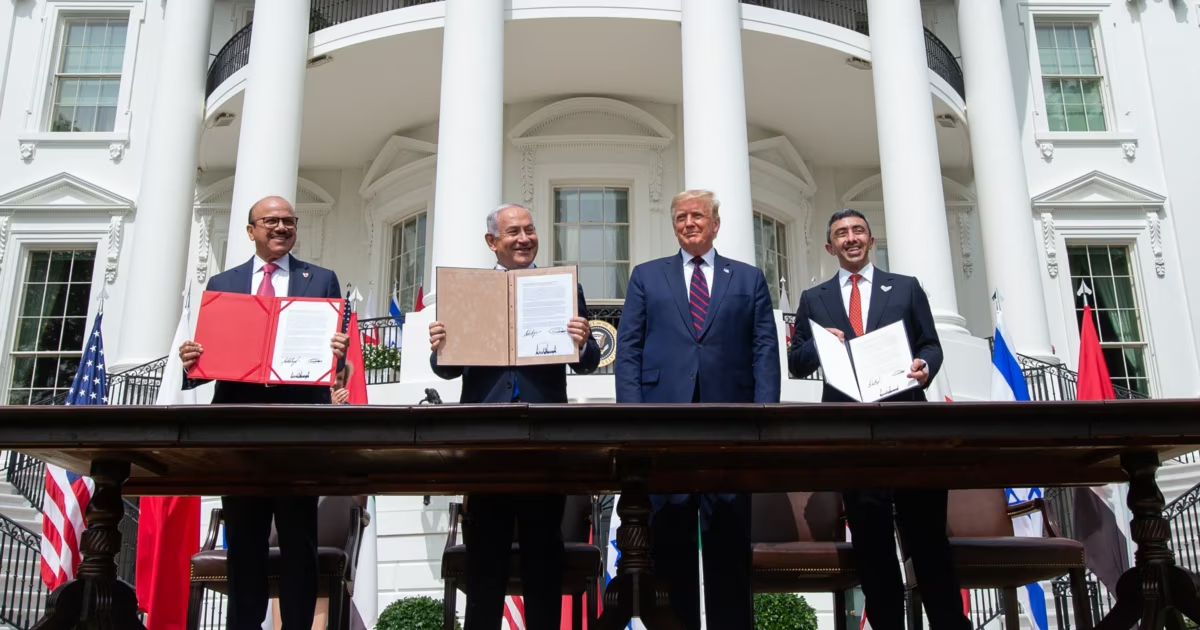
MELBOURNE: As the US and Iran try to come to terms on a peace deal to end their months-long war, US President Donald Trump this week has introduced a new demand - that other countries in the Middle East sign on to his Abraham Accords, normalising relations with Israel.There are reasons for this. The US and Israel are militarily, strategically and economically weaker than they were on the eve of launching “Operation Epic Fury”, their joint military operation against Iran, in late February.Their carefully built-up alliances with Persian Gulf countries are now being reevaluated, given these ties didn’t prevent Gulf states from being attacked by Iran. And Iran - despite losing many political and military leaders in months of devastating strikes - seems more powerful than ever.In this context, both Trump and Israeli Prime Minister Benjamin Netanyahu desperately need a symbolic victory they can sell to their respective electorates before the US midterm elections and Knesset elections later this year.This partially explains why Trump is trying to re-invigorate the Abraham Accords, which he has long touted as one of the biggest foreign policy successes of his first term in office.