Better, more reliable, and cheaper? Isn't that the story every generation?
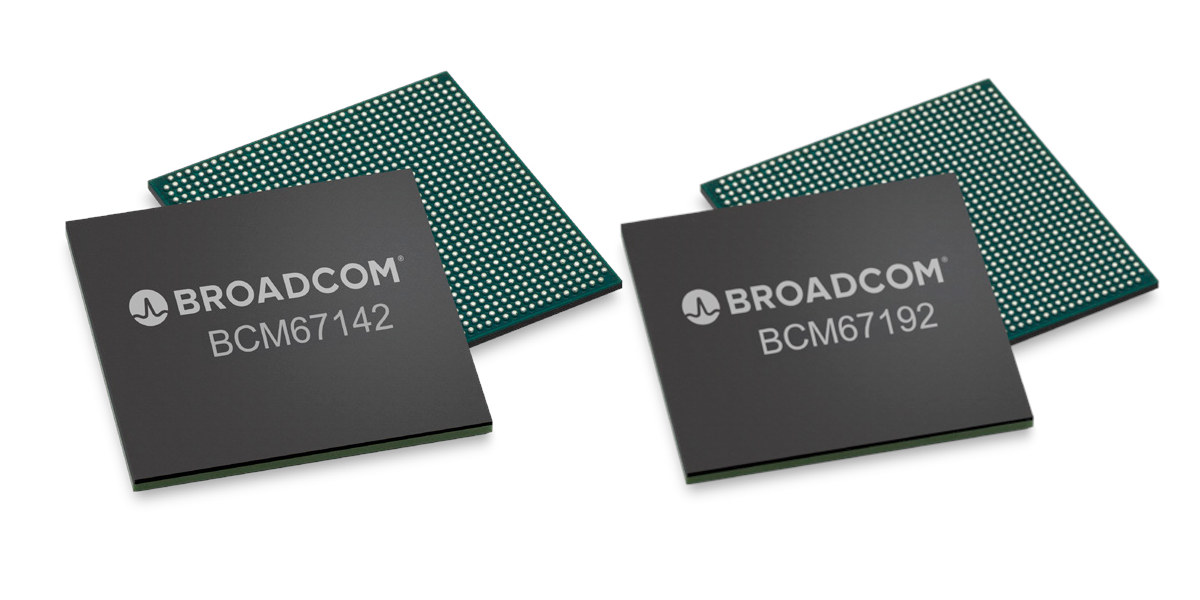
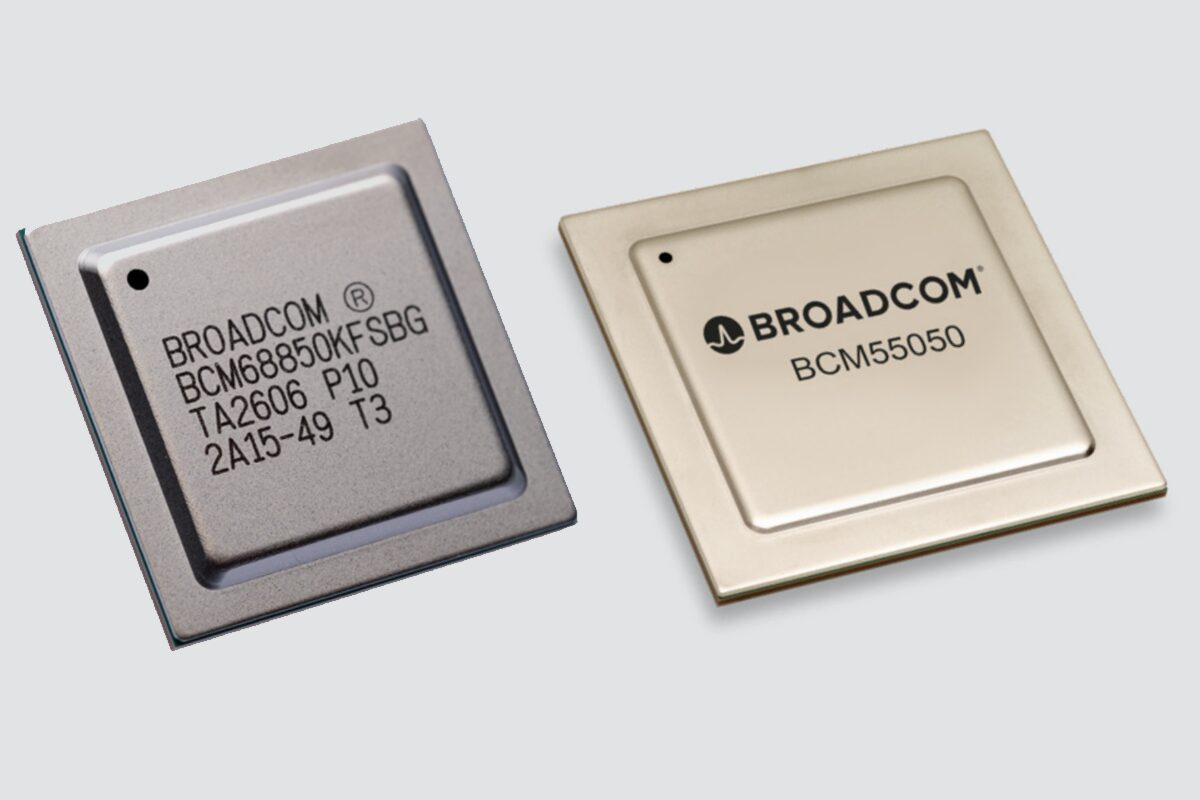
The Wi-Fi 8, aka 802.11bn, specification awaits final ratification, but that hasn’t stopped networking vendors from rolling out new and potentially cheaper wireless chipsets.Broadcom on Wednesday became the latest vendor to reveal Wi-Fi 8 products, including three Wi-Fi 8 compatible system-on-chips aimed at high-end wireless routers and mesh devices.Unlike past chips, Broadcom is integrating application processing, network processing, 2.4 GHz and 5 GHz radios, and Ethernet PHY into a single die, a design that reduces power consumption and heat production.
Recent generations of Wi-Fi have seen available bandwidth exceed gigabit speeds, so the chips are designed to support both multi-gigabit WAN and LAN ports.
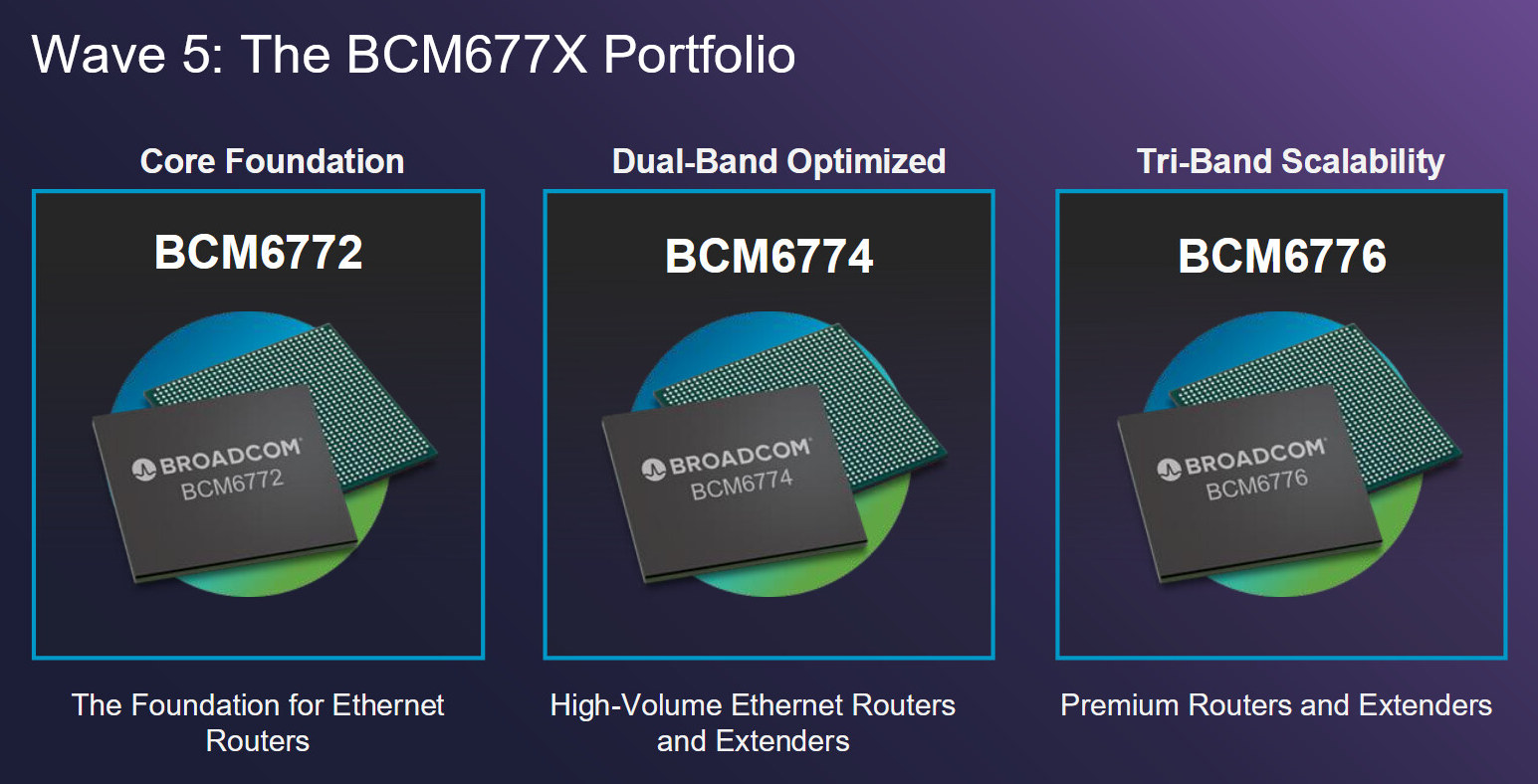
Wi-Fi 7 bumped the max channel width from 160 to 320 MHz, effectively doubling the per-stream bandwidth to end devices. Peak bandwidth of 46 Gbps is technically possible but most consumer devices are likely to top out at less than 5 Gbps. That’s because the wider channel widths that enabled the speedier connectivity also introduced a few headaches in the process. The wider the channel, the higher the bandwidth, but also the greater the potential for interference. Wi-Fi 8 aims to address some of these issues.Notable improvements include support for Coordinated Spatial Reuse (Co-SR), which is designed to help mesh devices or campus access points adjust their signal strengths to minimize noise and improve signal integrity. Similarly, coordinated beamforming (Co-BF) will allow devices to direct their signal toward the intended receiver while minimizing interference with other devices. Meanwhile, a technology called Dynamic Sub-channel Operation (DSO) promises to boost throughput by more than 20 percent by enabling routers and access points to assign devices to individual sub channels.Combined, the improvements in the Wi-Fi 8 spec aim to make more of the peak theoretical bandwidth promised by Wi-Fi 7 accessible to users.Broadcom’s new wireless routing chipsets come in three flavors. The BCM6772 is an entry level model aimed at mass-market wireless routers that’s equipped with 2x2 radios on both the 2.4 GHz and 5 GHz bands. For mid-market devices, Broadcom’s BCM6774 offers a higher capacity 4x4 radio for the 5 GHz band. And finally at the high-end is the BCM6776, which adds a pair of PCIe 3.0 controllers and support for speedier LPDDR memory.