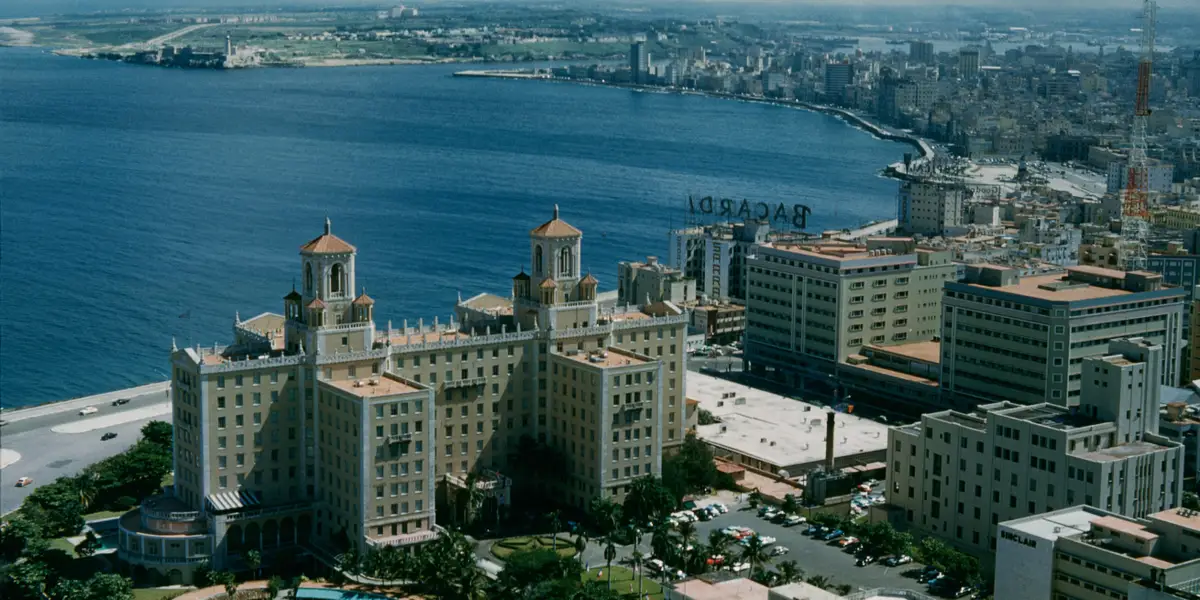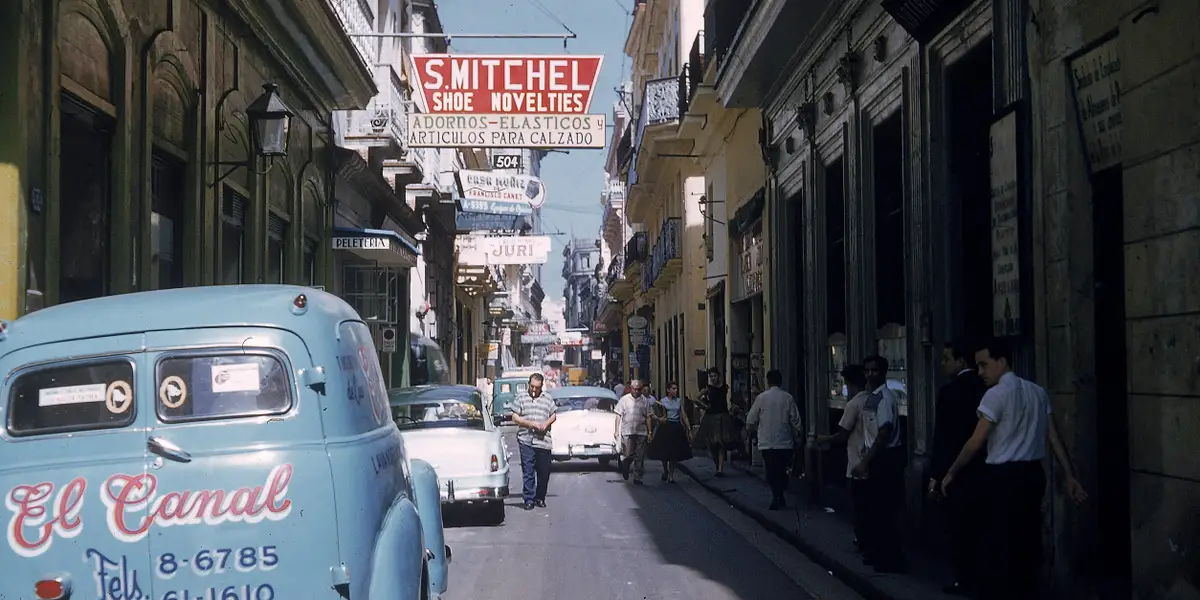
Cuba before the revolution was a popular tourist destination, and Havana was a bustling metropolis.
Hulton Archive/Getty Images
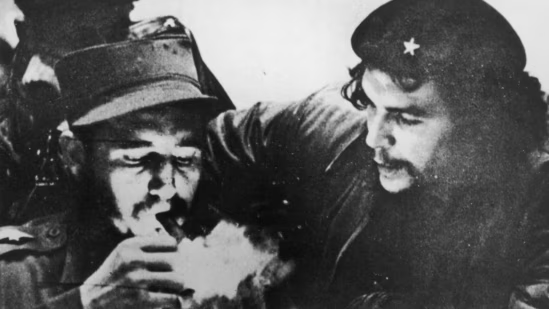
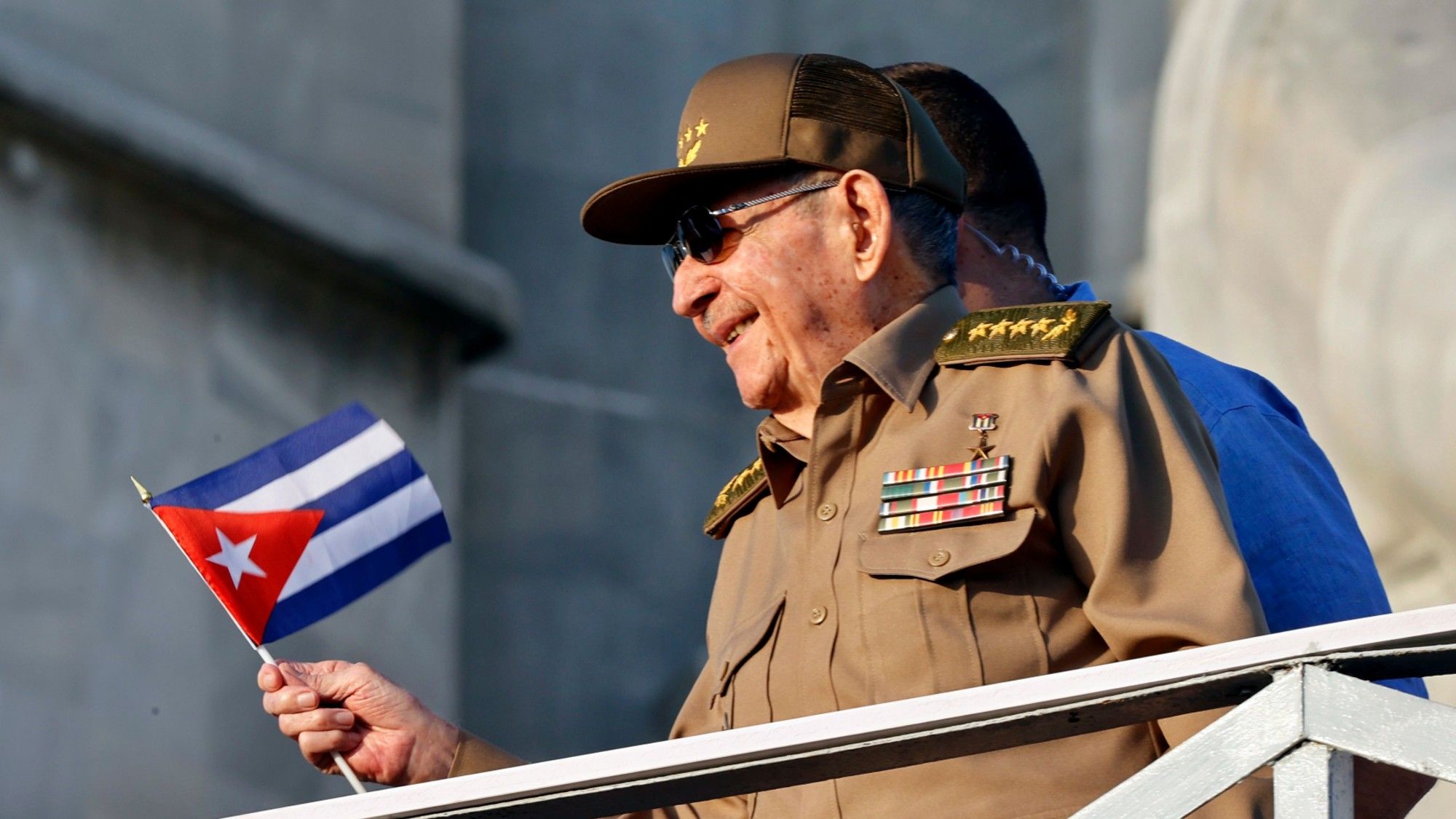
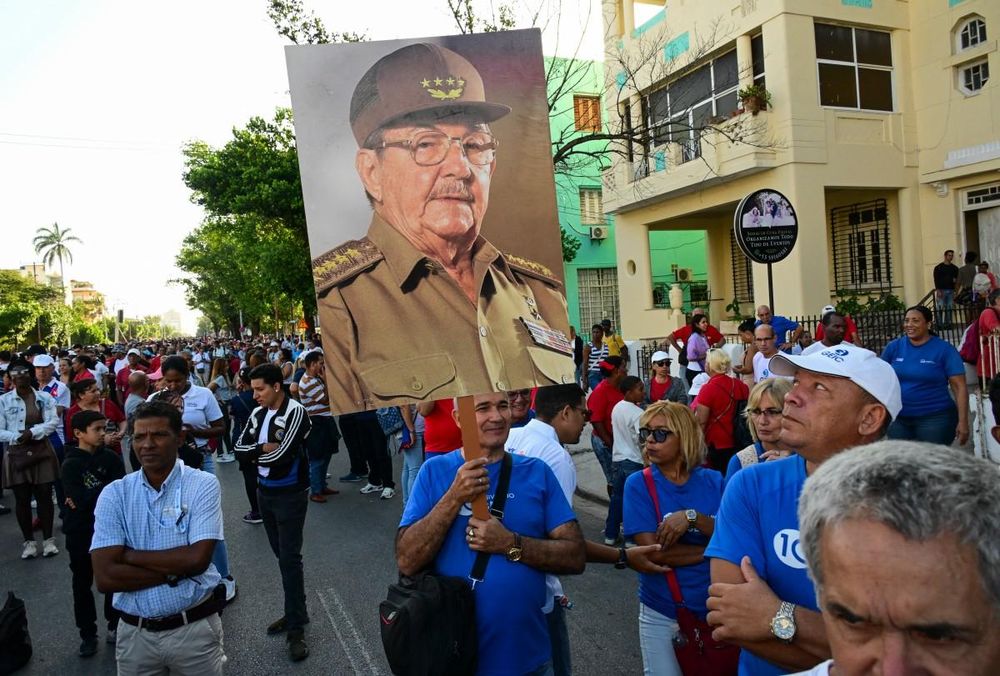
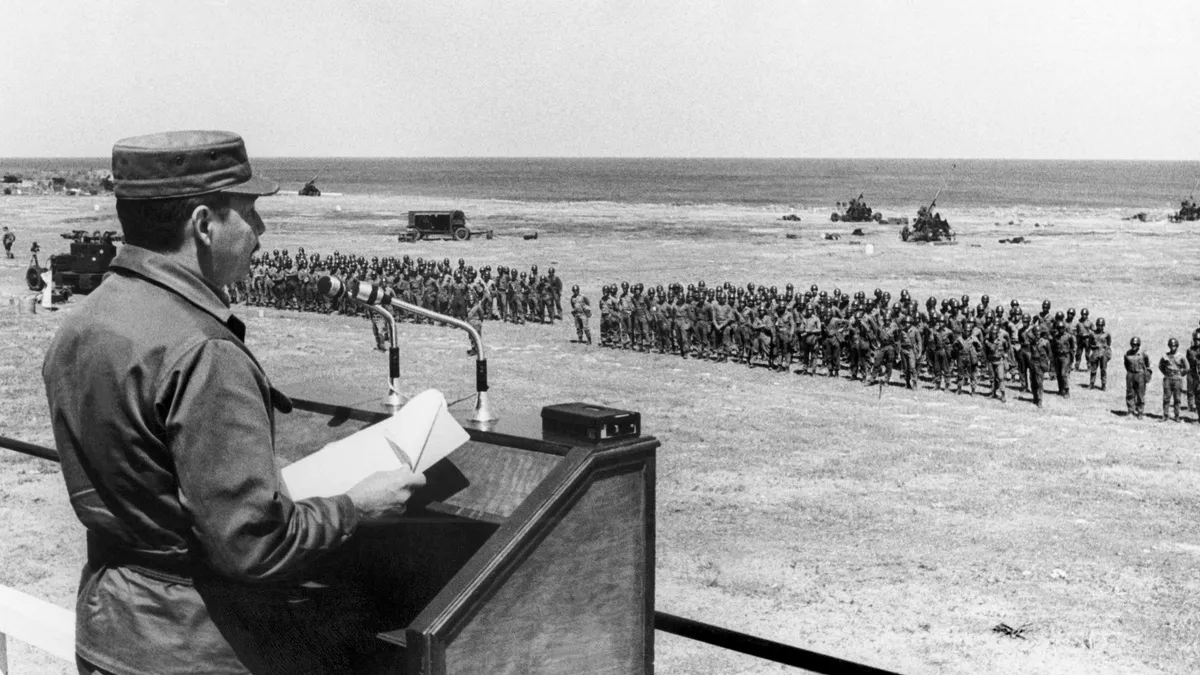
On New Year's Eve 1958, when the sun set on Cuba, it was one of the Caribbean's most glamorous destinations for American travelers, often sold through images of grand hotels, extravagant cabarets, glittering casinos, tropical beaches, and rum-soaked nightlife.By the next morning, that world had begun to unravel: Fulgencio Batista had fled the island, Fidel Castro's revolution was on its way to power, and Cuba was entering a political era that would reshape its relationship with the US for decades to come.Last week, the US indicted former Cuban President Raúl Castro, the younger brother of Fidel Castro and one of the central figures in the revolutionary coalition that remade Cuba's political order in 1959.The charges stem from the 1996 shootdown of two unarmed civilian planes operated by a Miami-based exile group that searched the Florida Straits for Cuban migrants in distress.US prosecutors allege that the planes were shot down over international waters, killing four people, including three US citizens, and have charged Castro, who was Cuba's defense minister at the time, alongside five other Cuban officials."For 30 years, the families of these men have waited. The Miami community has waited. Our country has waited. Today is a step toward accountability," said US Attorney Jason A. Reding Quiñones for the Southern District of Florida.Cuban President Miguel Díaz-Canel rejected the indictment and accused the US of lying and imposing collective punishment on Cubans, the BBC reported. Díaz-Canel also said the charges against Castro were being used to "justify the folly of a military aggression against Cuba."For decades, relations between the US and Cuba have been tumultuous.In 2014, under President Barack Obama, the US and then-Cuban President Raúl Castro announced a move toward normalizing relations, which led to the reopening of embassies in 2015. The move was partially reversed under Trump's first administration, which tightened travel rules and sanctions in 2017.The recent indictment and the uncertainty over whether — and how — Castro could ever be prosecuted in a US courtroom have raised new questions about the future of US-Cuba relations. (Now 94, Castro still lives in Cuba, where he typically keeps a low profile.)For some, it has raised concerns that the US could pursue a military operation in Cuba similar to Operation Absolute Resolve, which brought Venezuela's Nicolás Maduro into US custody.But for Cubans, it has also pushed nearly seven decades of political history back into the spotlight, from the mythology of pre-revolutionary Cuba to the exodus that drove millions to flee the island.These vintage photos show how Cuba looked before the Castros and their allies took power — from the hotels, cabarets, and boulevards of Havana to the rural communities where poverty and inequality helped fuel the revolution.