Show Caption
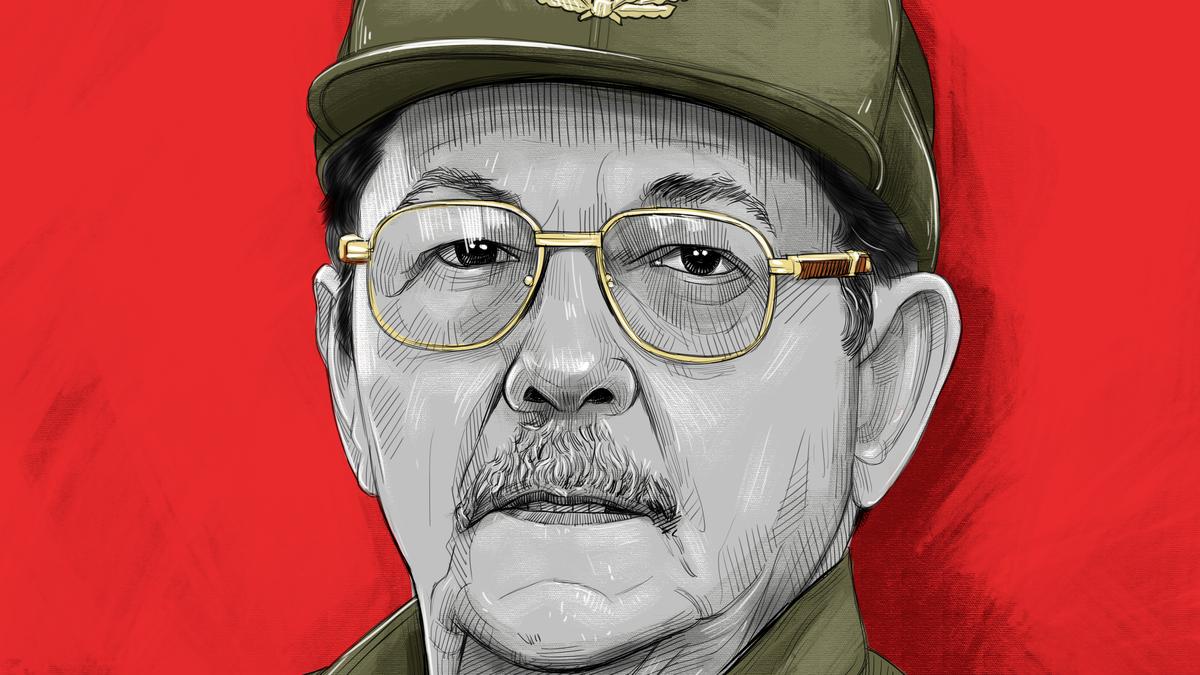
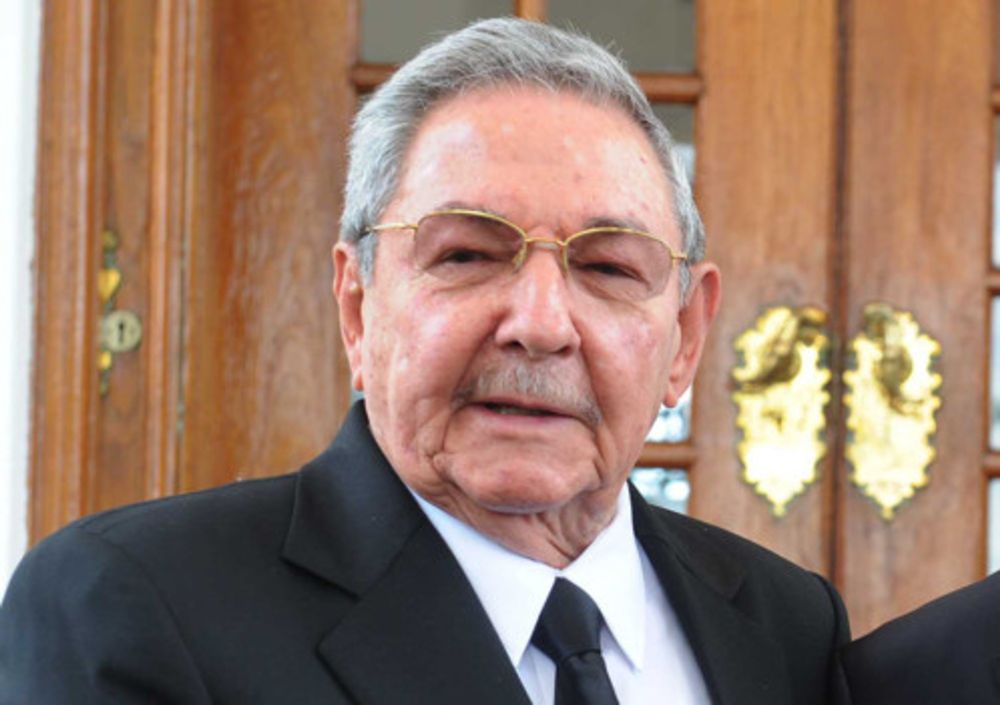
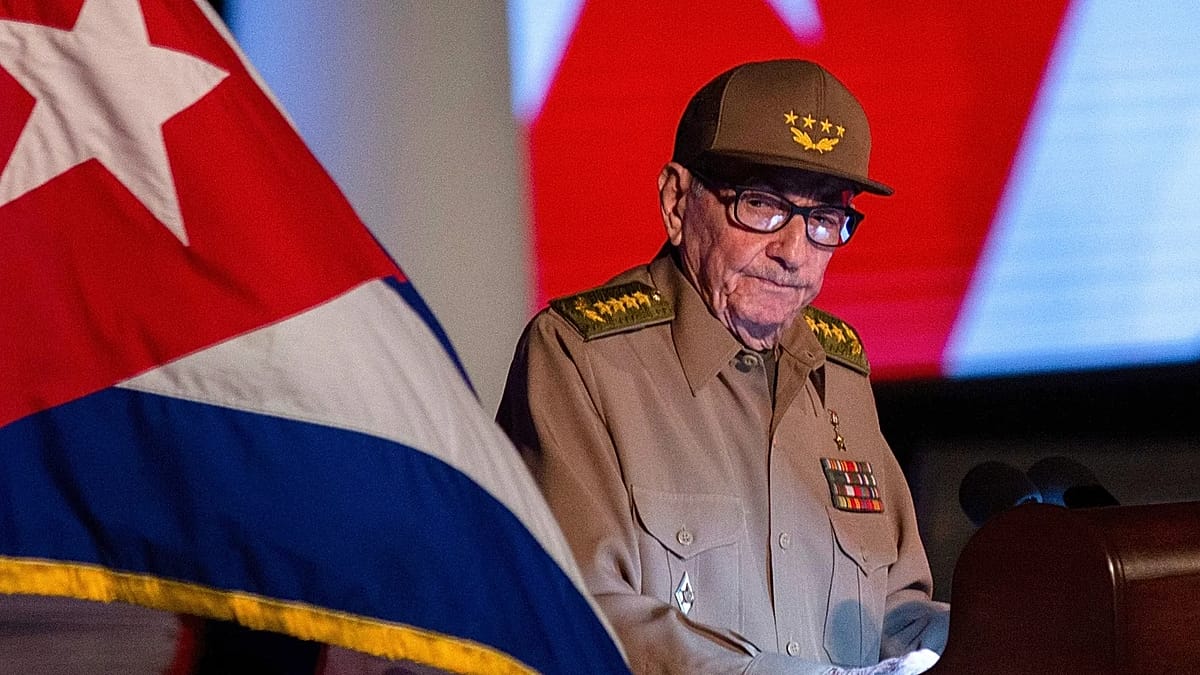
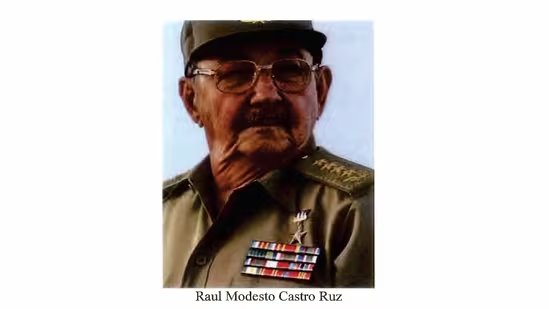
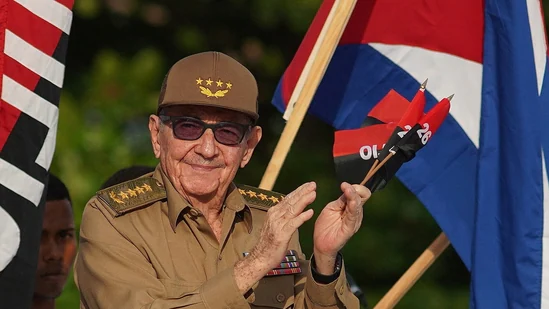
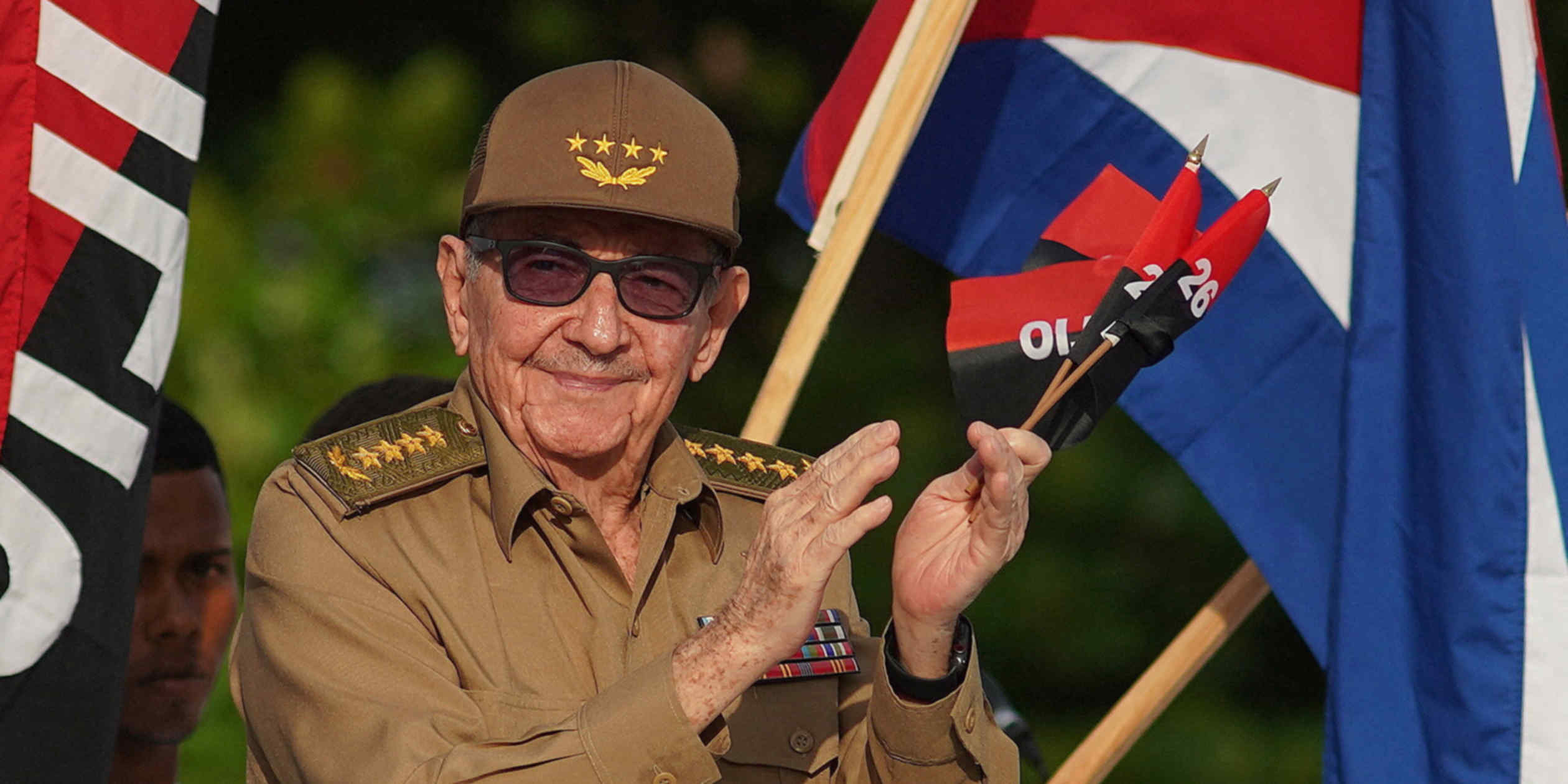
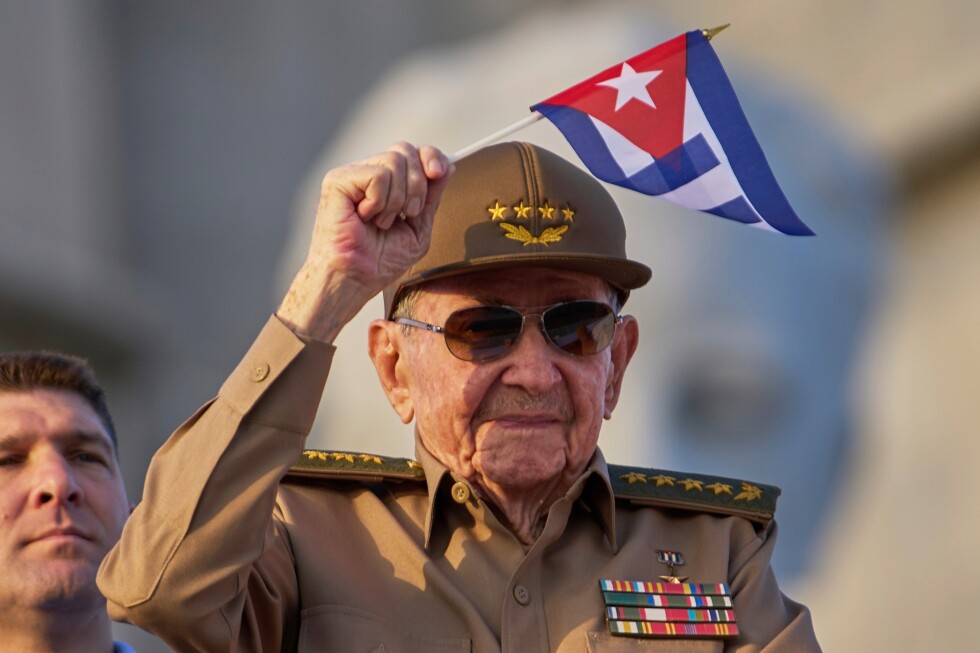
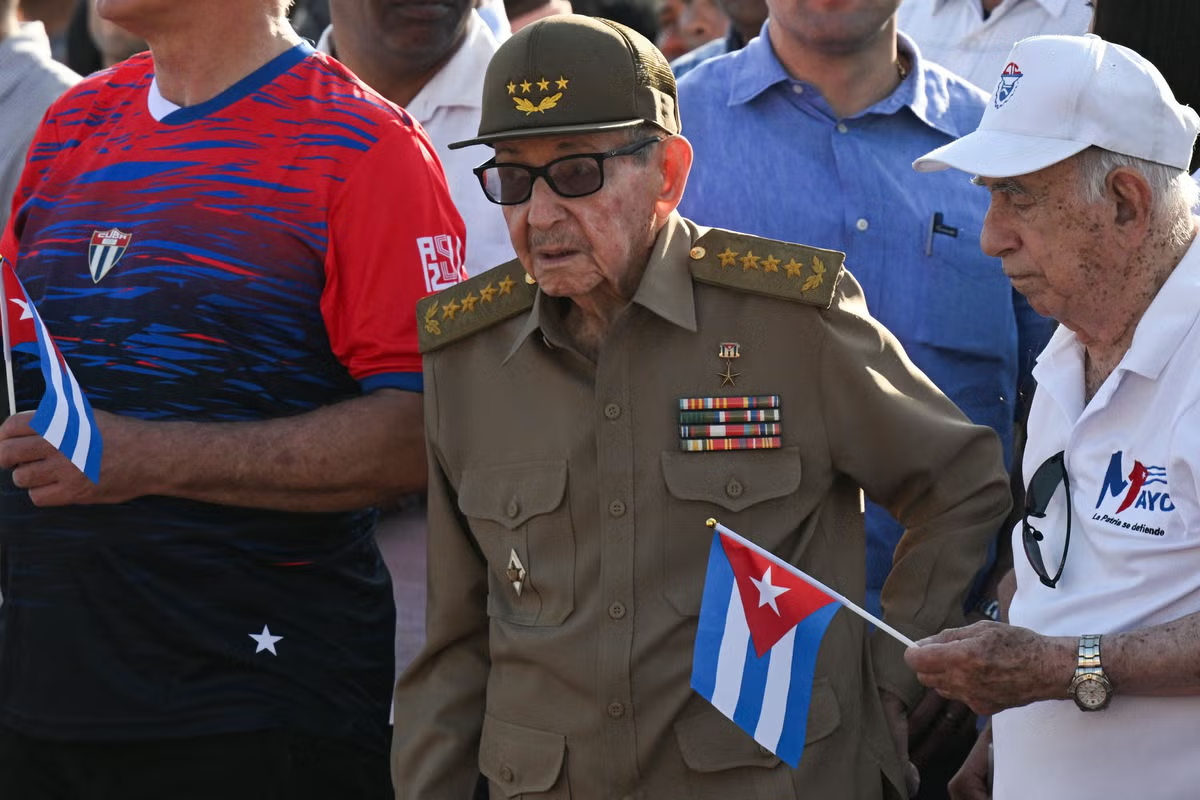
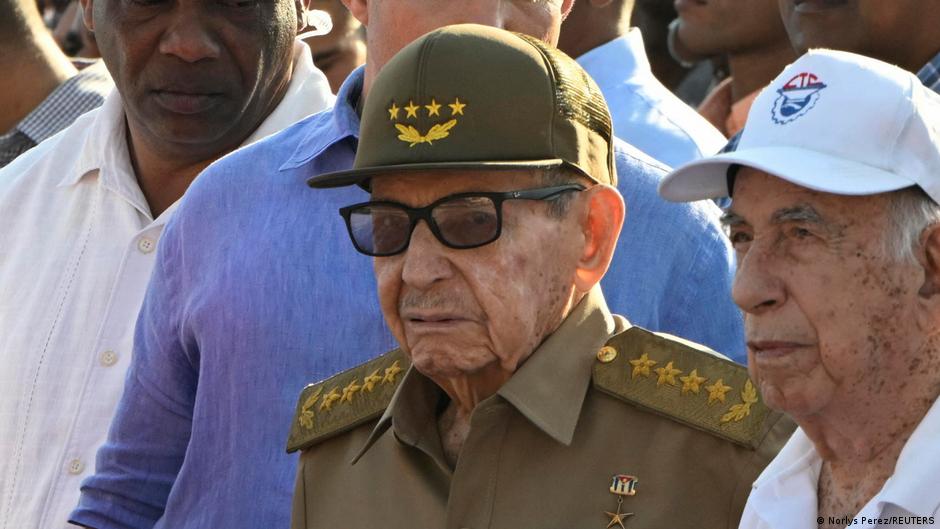
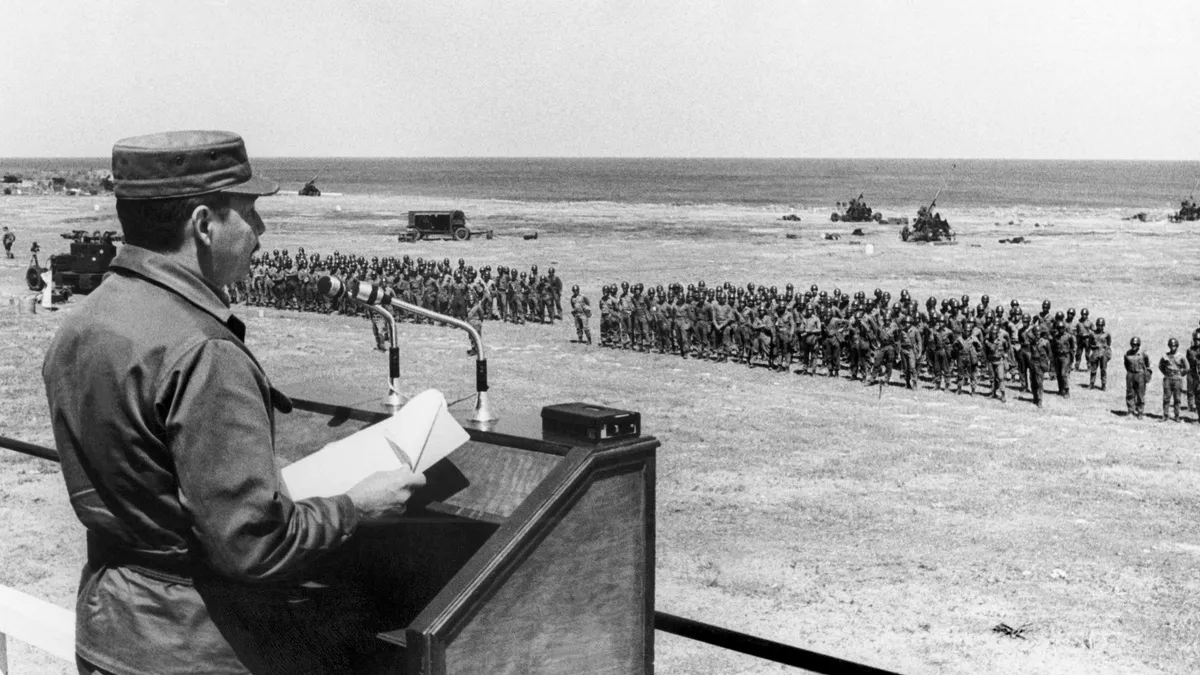
The Justice Department has a sealed indictment against the former Cuban President Raúl Castro, a source familiar told USA TODAY on Wednesday, May 20.It’s fraught and uncharted territory for the Communist island nation, following the Trump administration’s surprise raid and capture of Venezuela’s former leader, Nicolás Maduro, in early January.But who is Raúl Castro, and why does the 94-year-old find himself at the center of U.S. threats to exert control over his country?Who is Raúl Castro?Raúl Castro was born June 3, 1931, in Cuba’s Holguín province. The youngest of six siblings, it was his older brother, Fidel, who would leave an indelible mark on the budding communist.Writing in her book “Fidel and Raúl, My Brothers: The Secret Story,” Juana Castro noted the revolutionary identity that the elder Castro imprinted on his younger brother.“They would talk for hours,” Juana Castro wrote, “and Raúl, the youngest, would listen with enormous attention, almost without blinking, to the political talks that Fidel gave him.”Although the country’s economy was beginning to find its footing throughout the 1950s, Fidel and Raúl, now firmly in their 20s, were growing increasingly concerned about social inequalities exacerbated under the leadership of U.S.-backed dictator, Fulgencio Batista.Instead, they saw in Cuba’s future a political and economic system inspired by the socialist and communist ideals of the Soviet Union.This revolutionary fervor culminated in both Fidel and Raúl, with roughly 140 rebel revolutionaries in tow, storming Cuba’s second-largest military installation, the Moncada Barracks, in July 1953. Although they were unsuccessful, and were handed a two-year prison sentence to boot, the brothers would not be deterred.Following several more military clashes with Batista’s regime, in January 1959, they took control of Cuba with Fidel at the helm and Batista fleeing into exile.From military to presidential powerAs the nascent guerilla revolutionaries blossomed into a legitimate ruling power, it was Fidel, largely regarded as more charismatic and verbose than his brother, who became the face of the movement on the international stage.However, at home, Raúl was busy carving out his own place among Cuba’s leadership.After taking power in 1959, Fidel installed Raúl among the country’s top military brass, due to his successful leadership during the revolutionary activities that led to Batista’s downfall. He ascended to the highest rank of army general, and held the post for nearly five decades.In 2006, Fidel underwent emergency intestinal surgery and named Raúl acting president of two of Cuba’s three ruling bodies, the Council of State and the Council of Ministers, in his stead. A year later, acting head of the Communist Party of Cuba, the third ruling body, was also added to Raúl’s job description.By 2008, Fidel Castro decided his declining health would prevent him from serving another term and announced that Raúl would officially steer the country beginning in 2011.Raúl’s quiet mightAcross his tenure as Cuba’s second-in-command and through his time at its helm, Raúl Castro ushered in numerous reforms, both economic and social.This was largely spurred on by the dissolution of the Soviet Union which, much like North Korea, Cuba had long leaned on for material and financial support during the early days of its revolutionary awakening.As head of the military in the 1980s, Raúl began delegating jobs to his soldiers outside the battlefield, including tending plots of land to increase produce and livestock production. They also repaired city infrastructure and ran “quasi-private corporations, from tourist hotels to department stores,” as a Time Magazine article described it in 1994.Meanwhile, Raúl Castro also instituted more market-minded reforms, such as offering workers in munitions factories bonuses for high output.Additionally, he opened up a number of new social policies, including allowing civilians to own computers and smart phones in 2008, though they wouldn’t be allowed to freely surf the web until a decade later.Flash forward to when Raúl officially stepped into Fidel’s shoes as leader of the country in 2011, and the younger brother continued to pull back some of the more hardline communist policies that had governed the country for years, including scrapping wage limits.The 'Cuban thaw'Four years into his role as first secretary of the Central Committee of the Communist Party of Cuba, Raúl Castro had made enough strides in reforming Cuba's communist policies that then-President Barack Obama decided it was finally time to normalize relations.Cuba and the United States had been at odds ever since Fidel and Raúl's revolutionary early days, when the U.S. government backed the Batista dictatorship and supported his rise to power. Likewise, the brothers' communist government just 90 miles off the coast of Florida was viewed as a direct threat to the U.S., at a time when the Cold War and anti-communist sentiment was at a fever pitch stateside.In 2016, Obama became the first president to visit the island nation in nearly 90 years, following several cordial meetings with Raúl Castro dating back to 2013. While there, the two held bilateral talks about reopening travel between the two countries, the United States easing its sanctions on Cuba, and Cuba atoning for its human rights record.Known as the “Cuban thaw,” the talks went relatively well, though the two leaders did not see eye to eye on every point of discussion.Nevertheless, a working relationship largely held –– save for a few obstacles during Trump's first term –– until Raúl Castro officially stepped down as party leader in 2021, making way for generational change led by his longtime second-in-command, Miguel Díaz-Canel Bermúdez.It’s unclear what will come of the indictment, as it will have to be issued by a grand jury after being presented with evidence in the case. But one thing is for certain –– it adds yet another footnote to the already storied life and political career of Raúl Castro.Contributing: Francesca Chambers and Josh MeyerDrew Pittock covers national trending news for USA TODAY. He can be reached at DPittock@usatodayco.com.