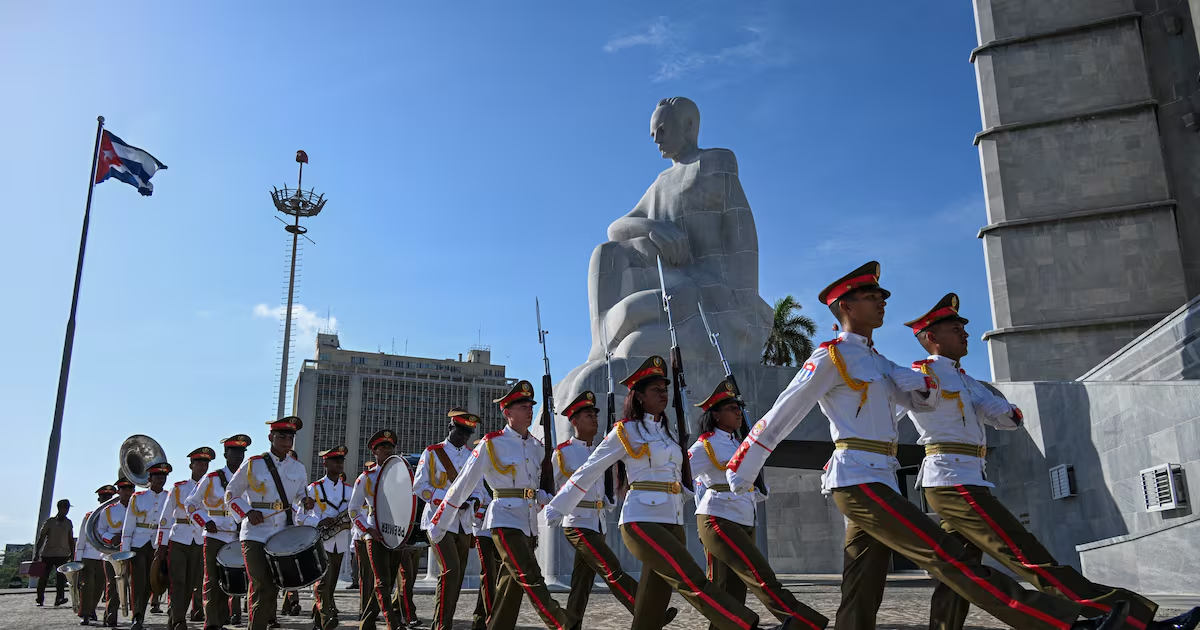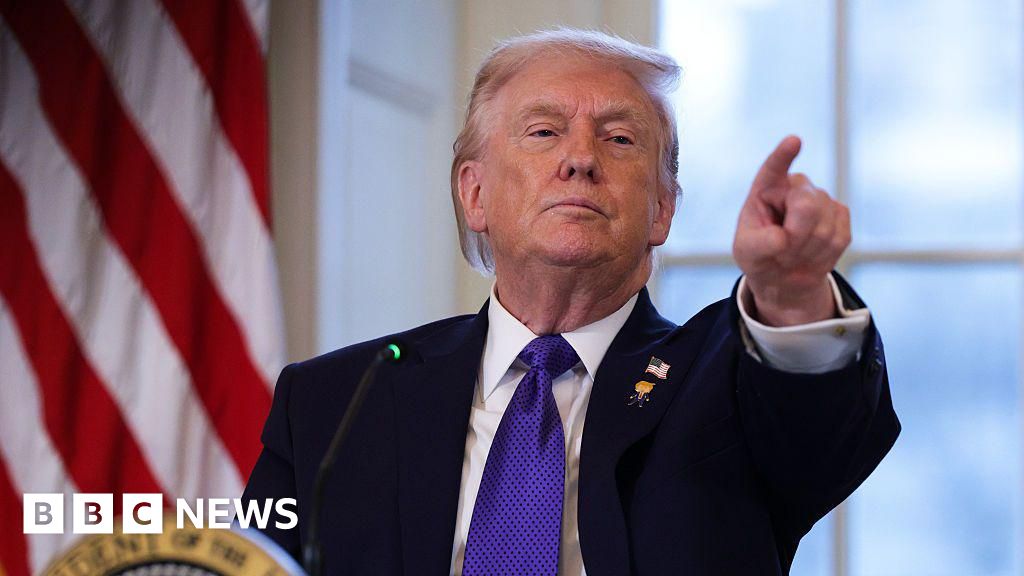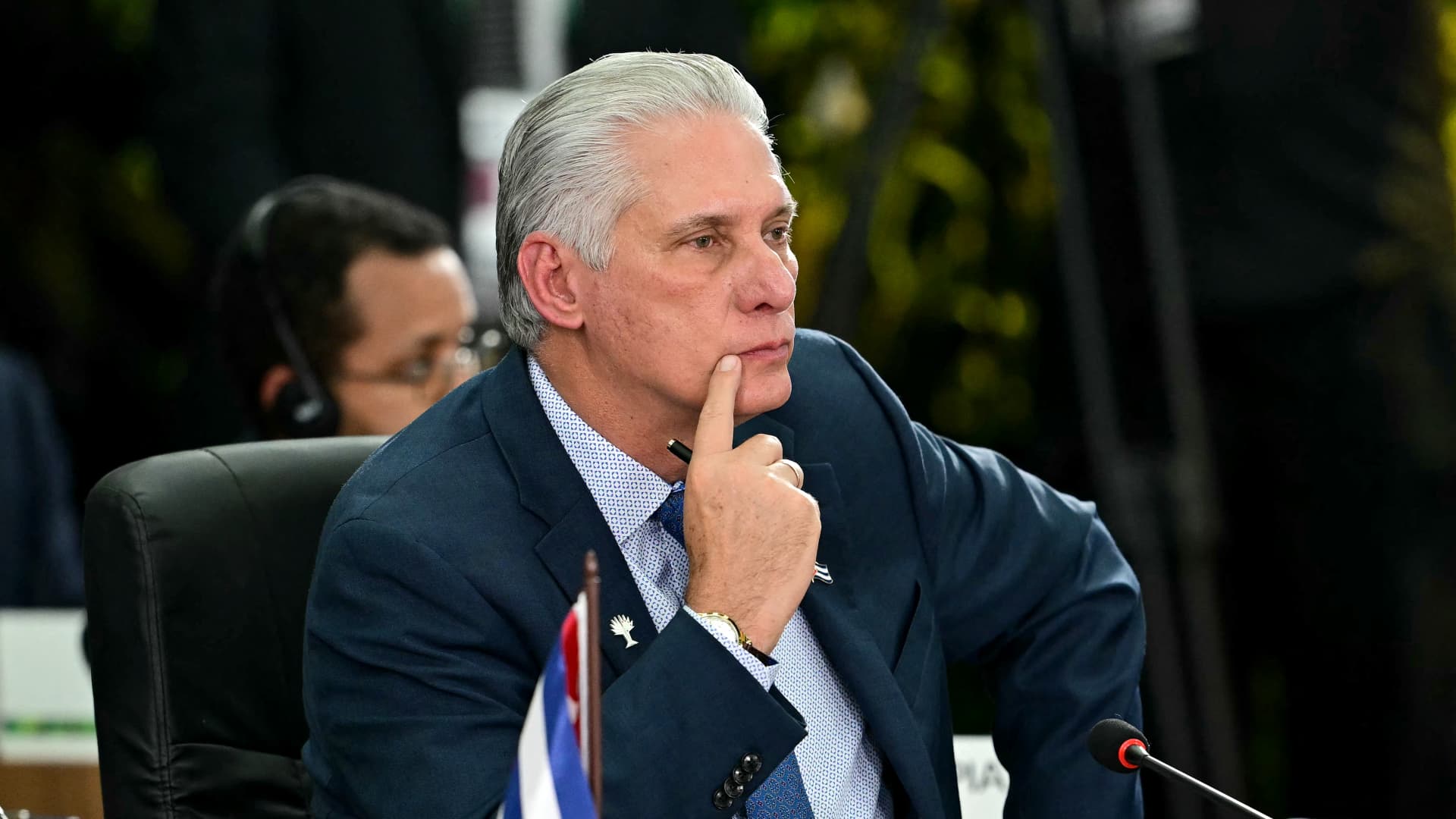
Cuba’s revolutionary spirit is giving out. Donald Trump has called on Cubans to ‘make a deal before it’s too late’ and has threatened military action. More than six decades on from the revolución of 1959, all talk is of the Yanqui dollar and how to acquire it. The scramble for greenbacks has fed into Cuba’s sex industry. In the dollar-happy resort of Varadero, the locals suffer police surveillance and the indignity of rationed food while prostitutes as young as 15 hover outside the motels.
Yet for all the hardship and belt-tightening, Cuba commands sympathy from the international left as a last bastion of communism. In his left-leaning Cuba: A New History (2004), the British journalist Richard Gott argued that the island was unlikely to return to the capitalist Babylon it had been under President Batista, Fidel Castro’s predecessor, as Cubans were immunised against the seductions of the market. Time will tell. Gott resigned from the Guardian in 1994 after he was exposed as a KGB agent of influence.
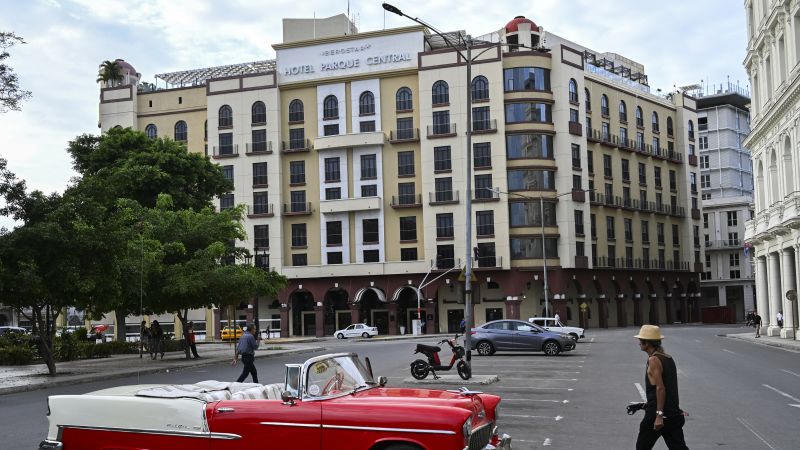
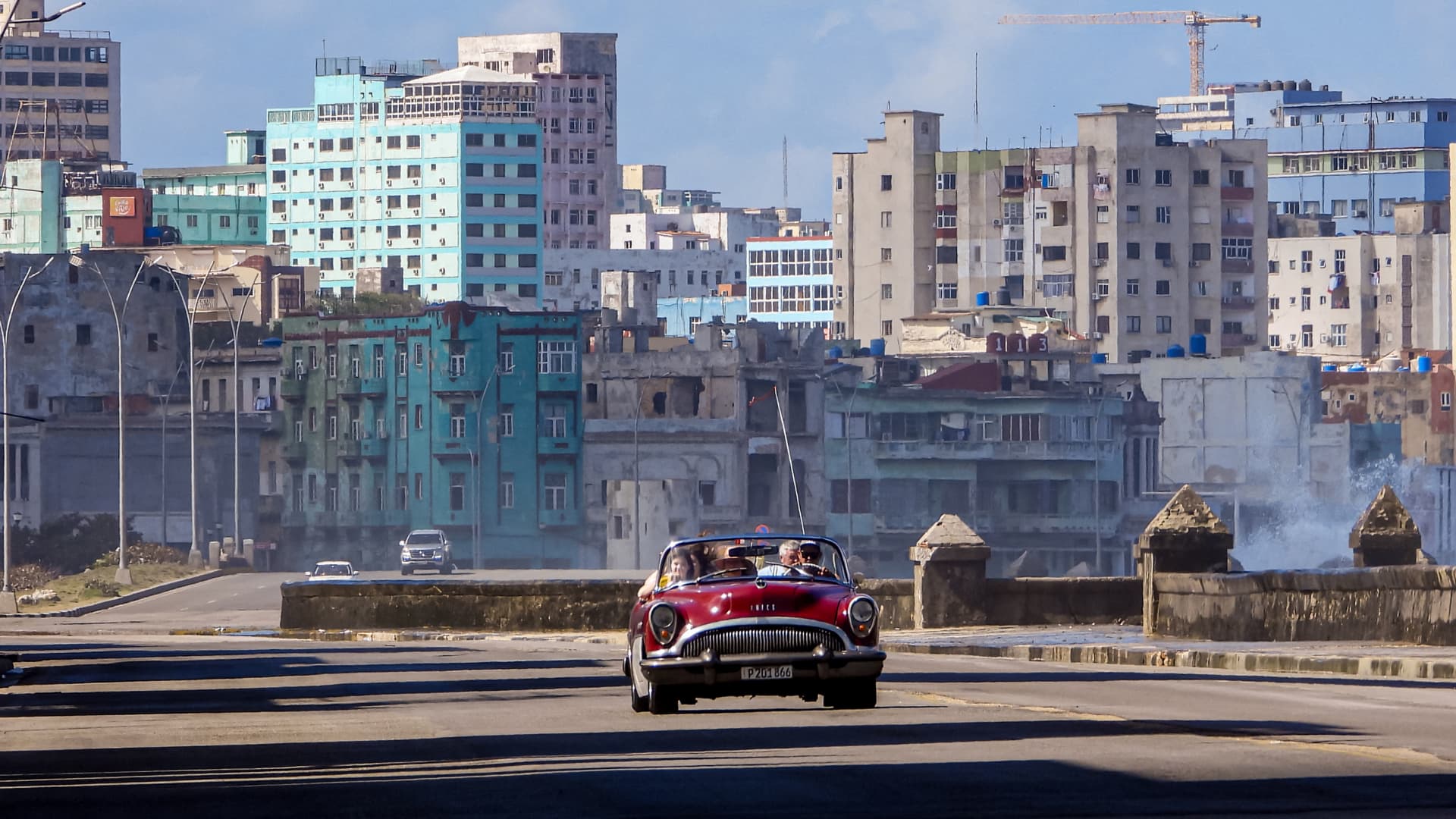
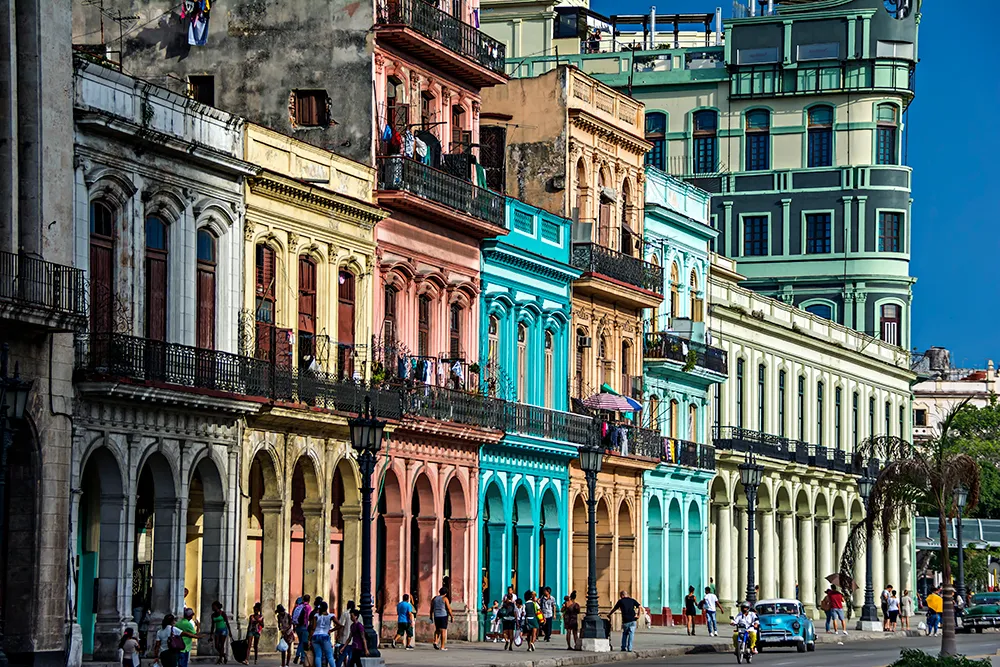
Havana has long been a favourite with fashion photographers and journalists, drawn to the picturesque decay of collapsing seafront promenades and salt-eaten arcades. The prevalence of big, finny American automobiles awed the BBC culture correspondent Stephen Smith who, 30 years ago, bumped round the island in the back of a 1950 Dodge. Smith’s homage to Cuba, Land of Miracles (1997), was a semi-humorous evocation of life on the beautiful, bedevilled island. The bicycle-riding Dervla Murphy, confessedly a staunch Castroist, published her naively adoring account of Cuba, The Island that Dared, in 2008.