China’s $1.1bn AI, robotics and EV package for Serbia lands four days after 34,000 protesters filled the capital demanding early elections. Brussels has yet to develop a coherent response to either.
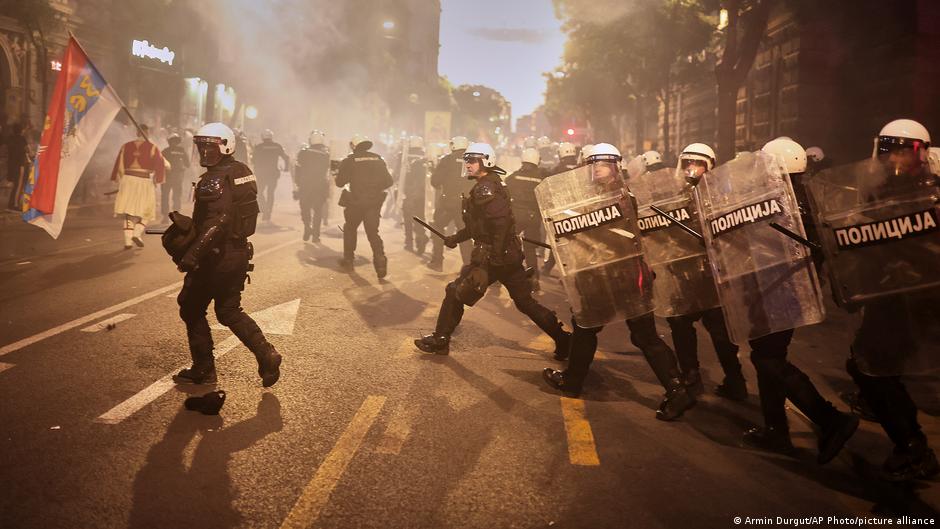
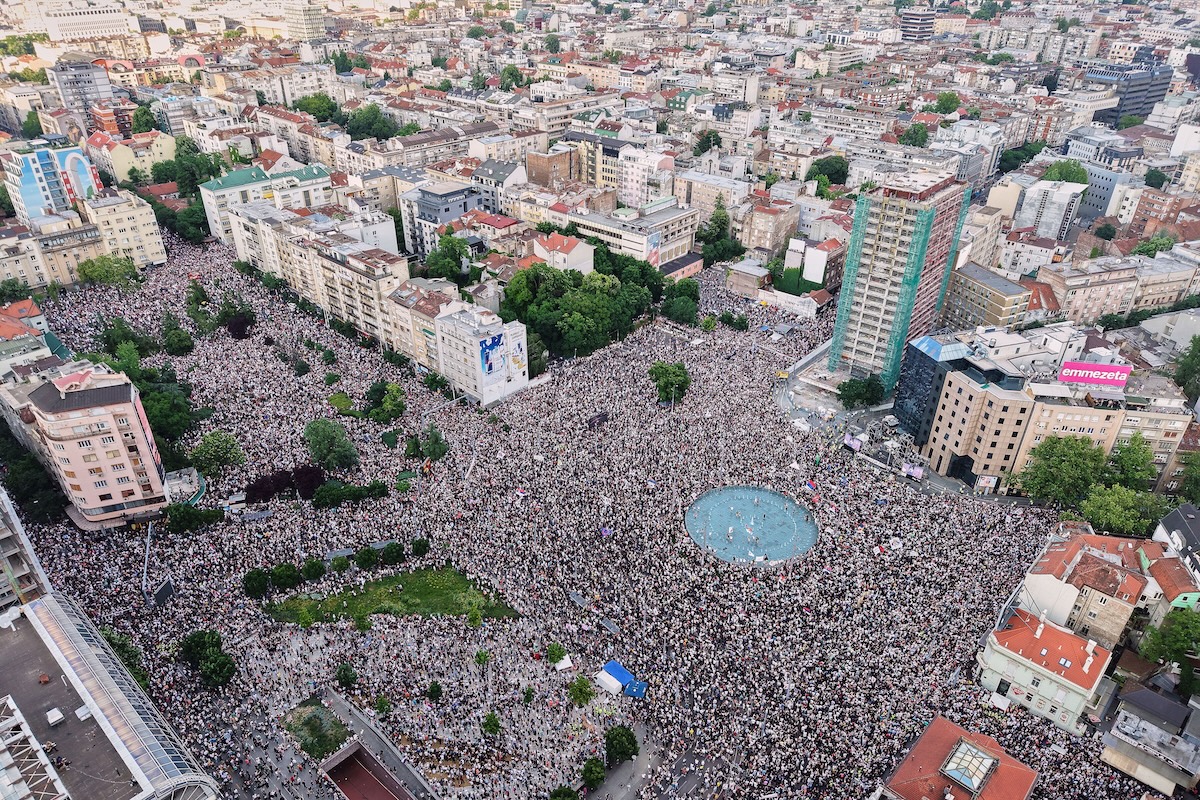
On Saturday, tens of thousands of Serbians filled the centre of Belgrade in what police estimated as a 34,300-person rally demanding early elections, accountability for the November 2024 Novi Sad railway-station collapse that killed 16 people, and an end to what the country’s student movement has spent eighteen months calling state capture.
Riot police pepper-sprayed demonstrators. The state-owned railway cancelled all trains to and from Belgrade to keep protesters from arriving. President Aleksandar Vučić blamed “foreign powers”.
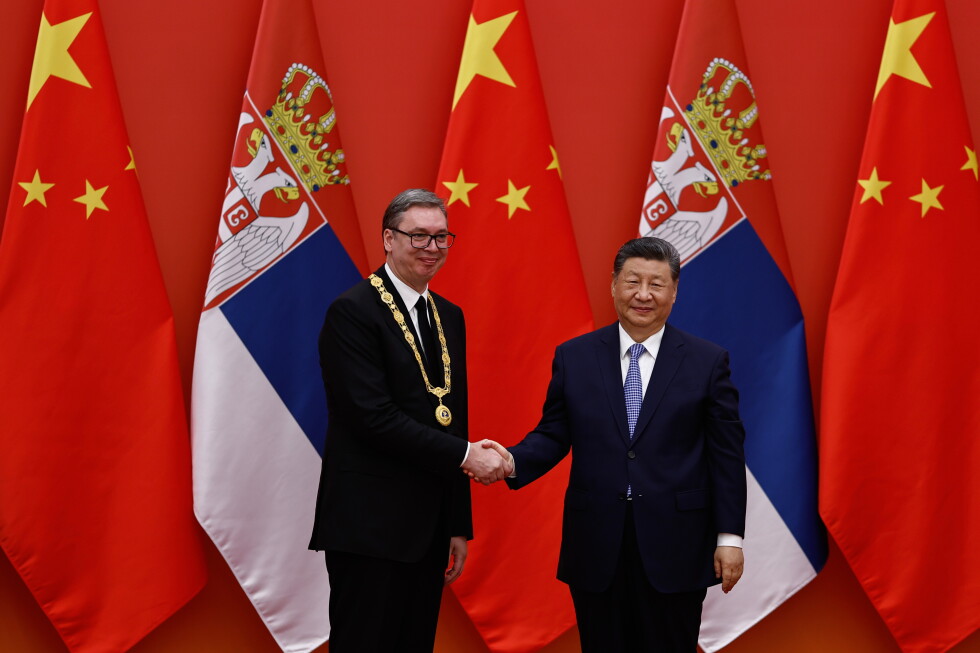
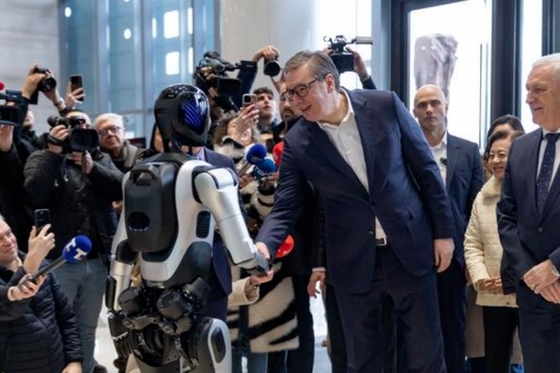
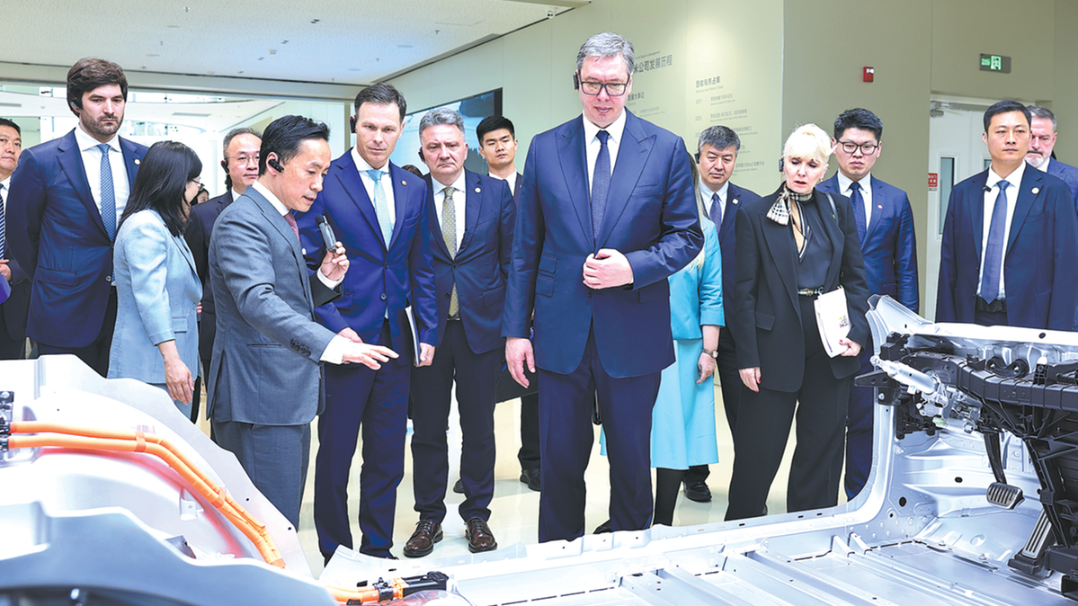
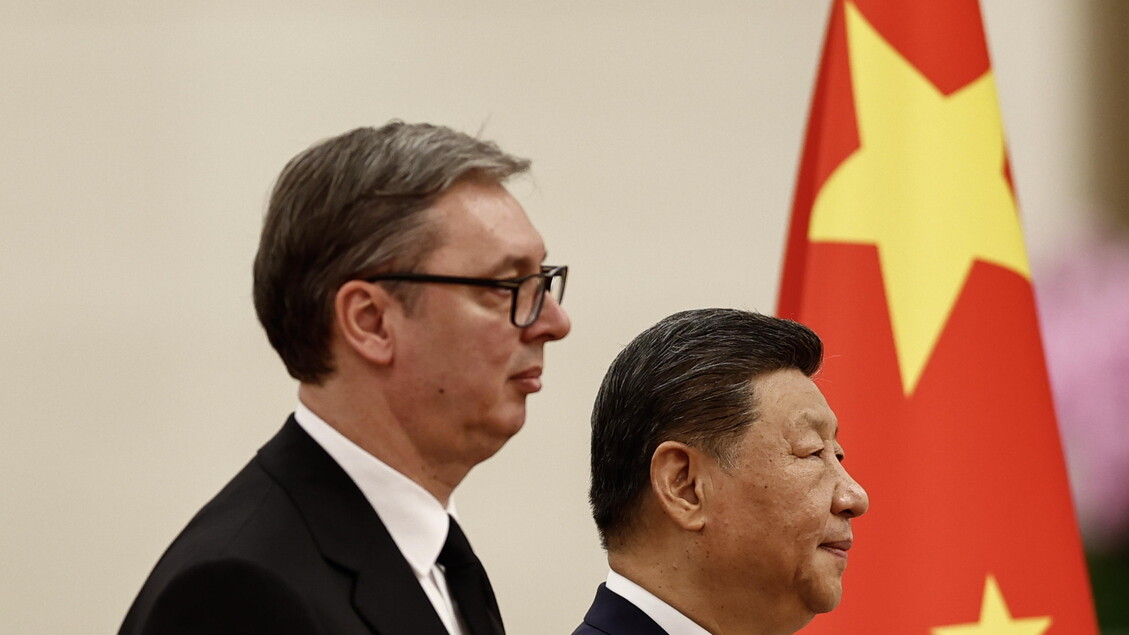
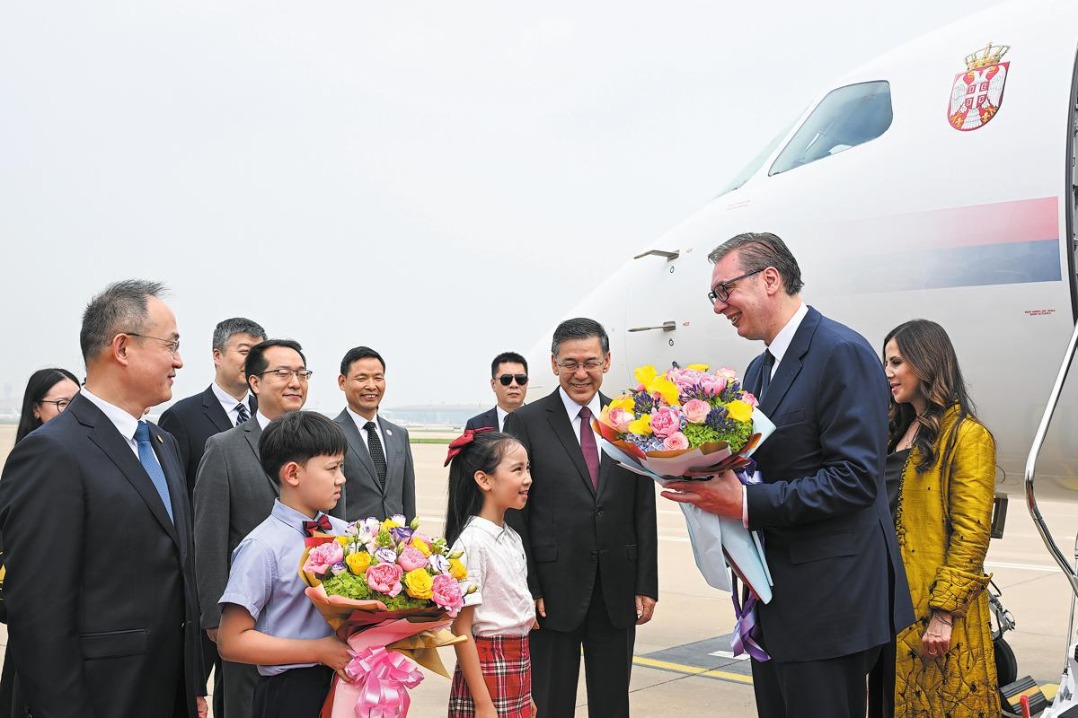
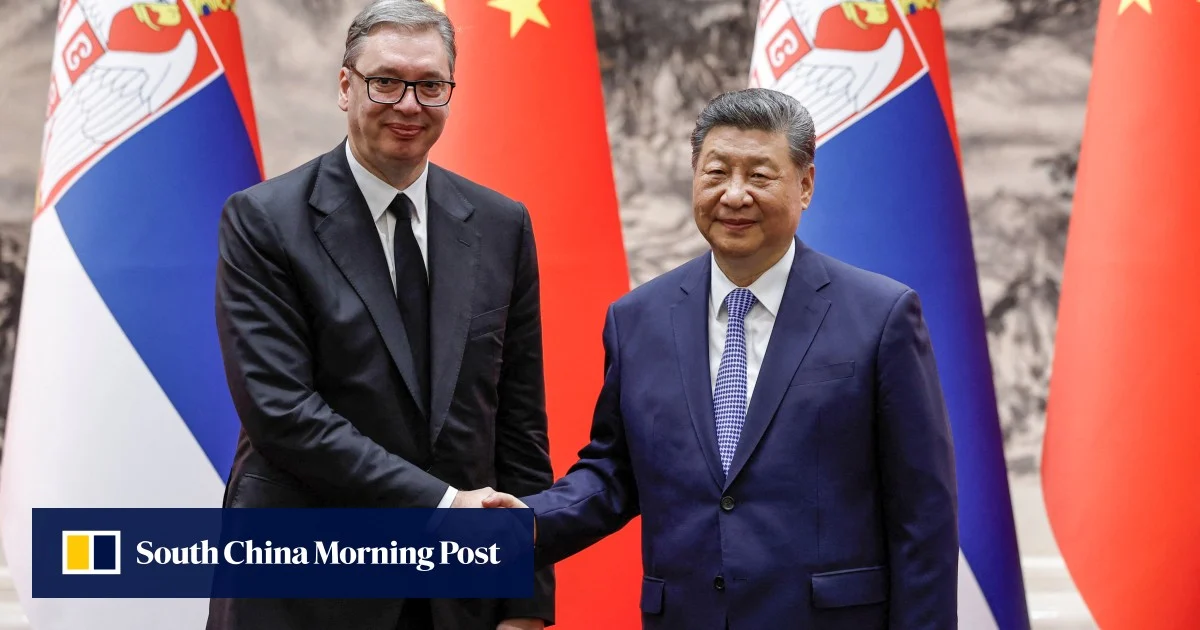
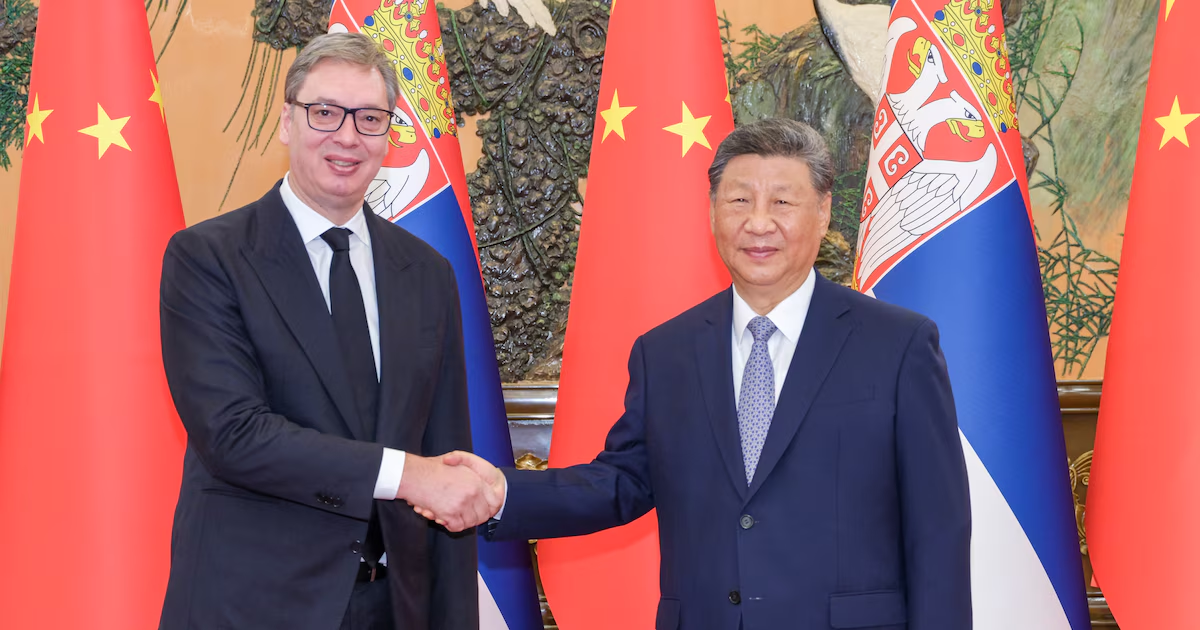
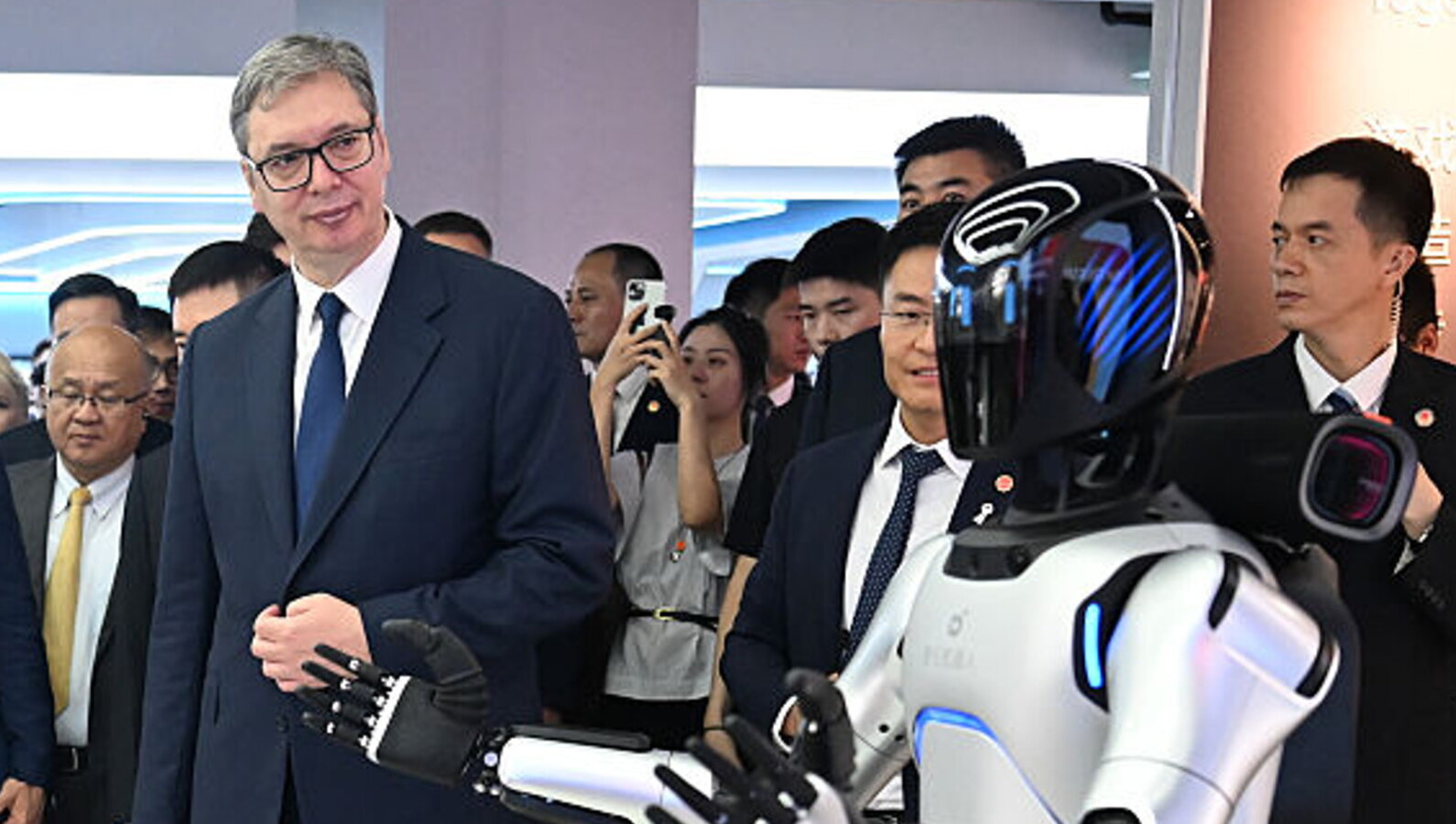
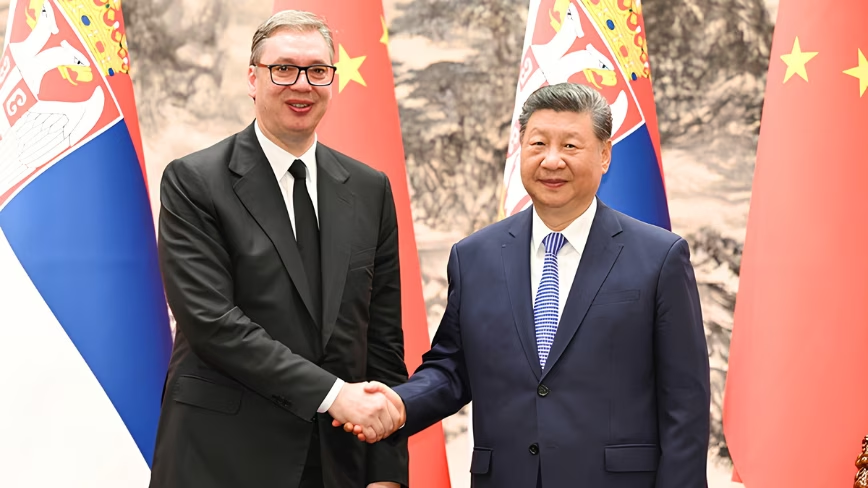
Three days later he was in Beijing, signing more than 20 cooperation agreements with Xi Jinping. Among them, a $1.1bn Chinese investment package covering artificial intelligence infrastructure, robotics joint ventures, and electric-vehicle manufacturing capacity on Serbian soil.
This is on top of a $1.5bn highway contract already under construction with Shandong Hi-Speed Group, the various defence-adjacent partnerships, and the Huawei telecoms footprint that has been quietly entrenching itself in Serbian state infrastructure for the better part of a decade.