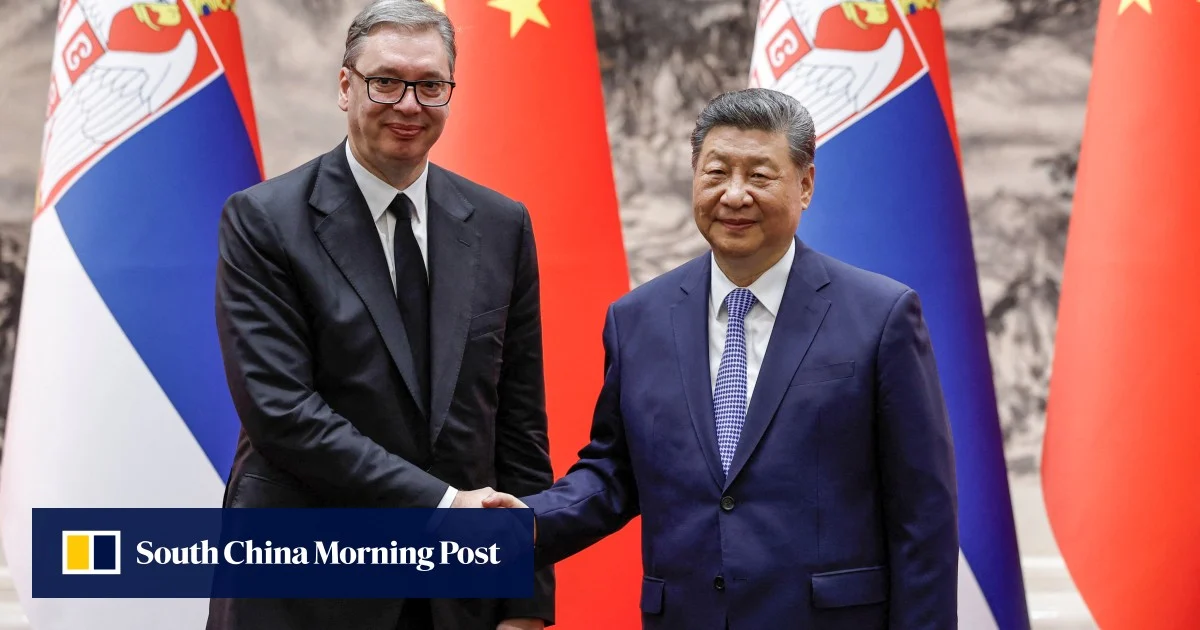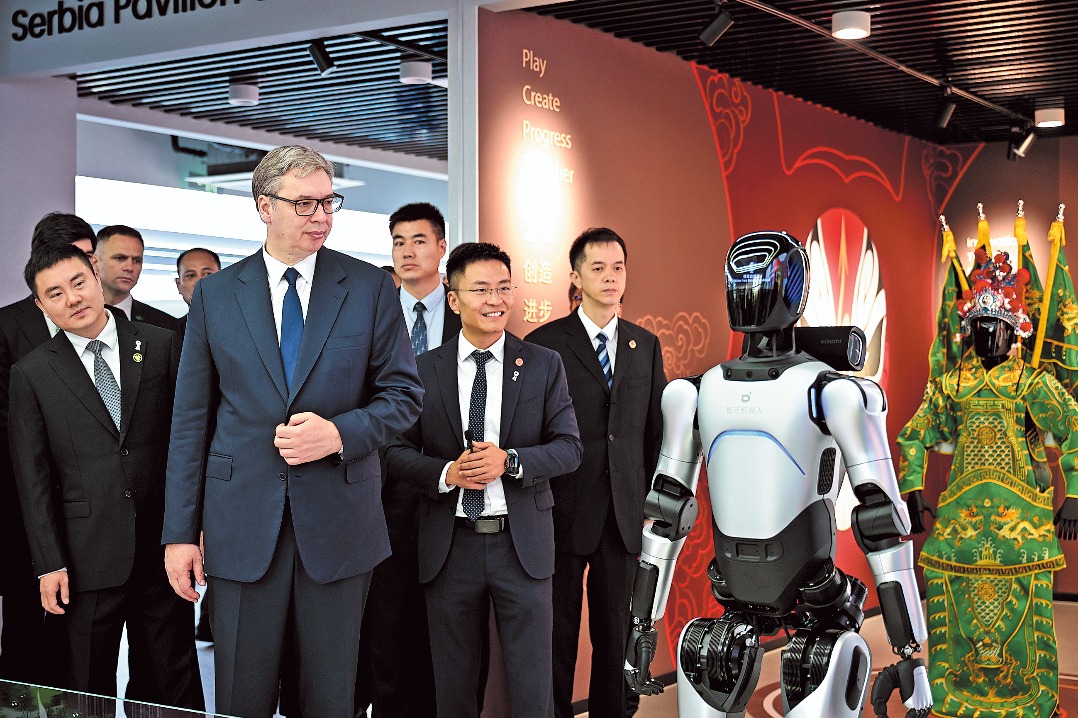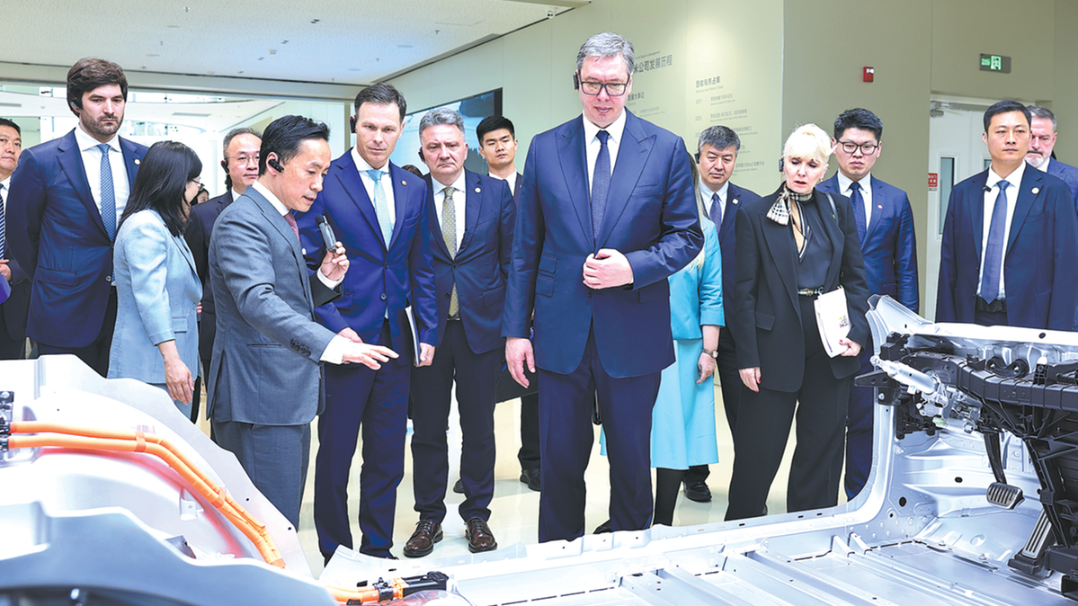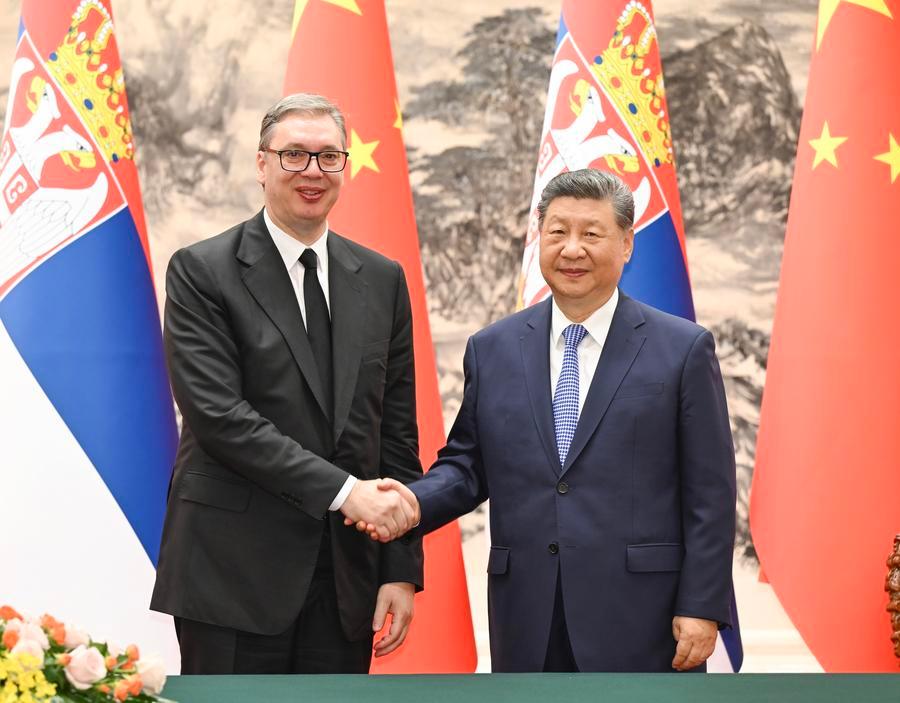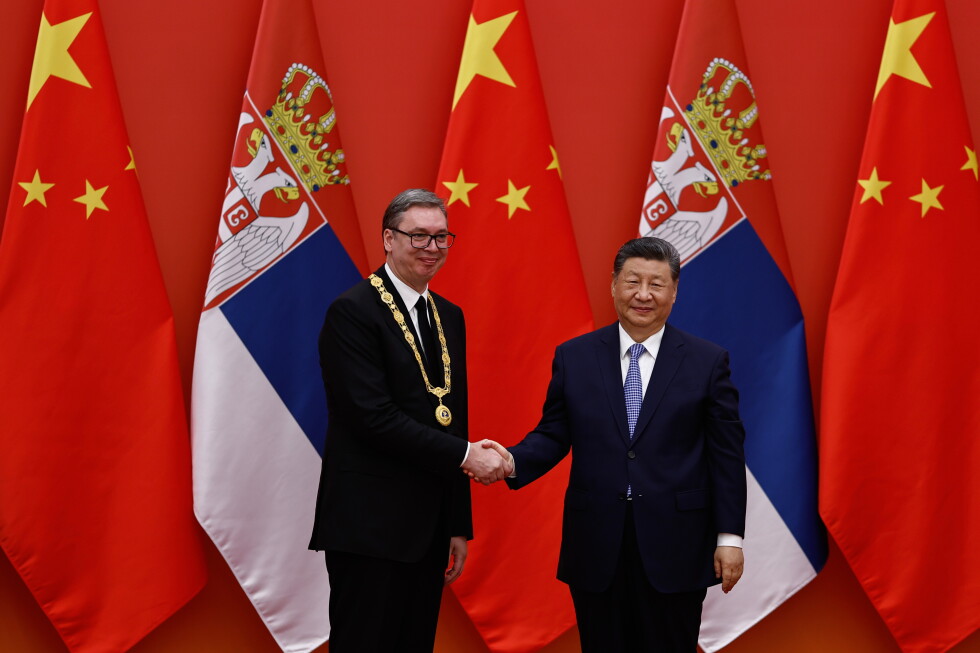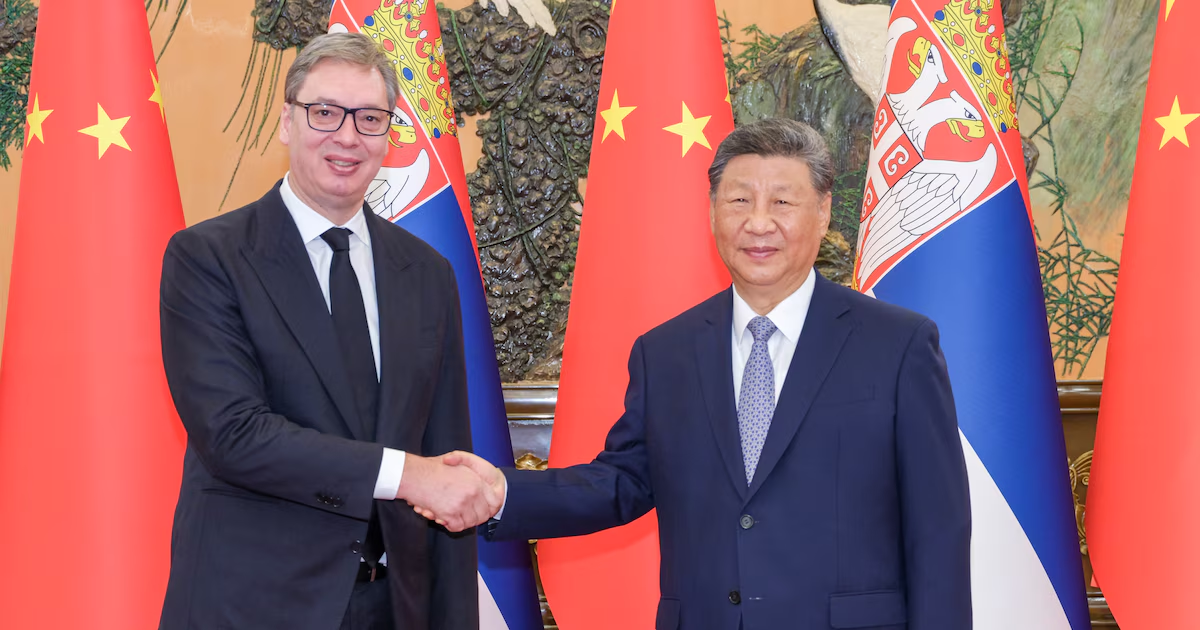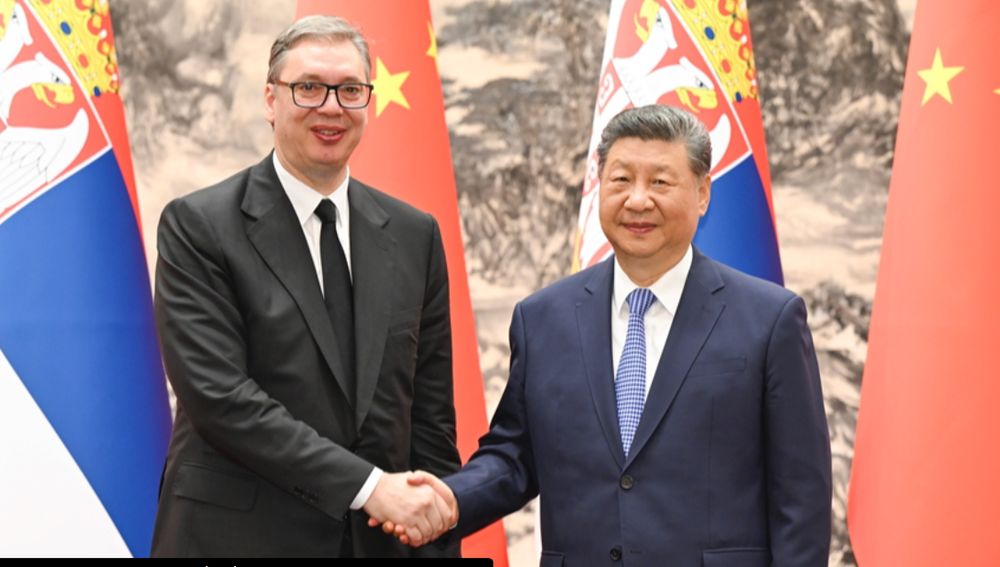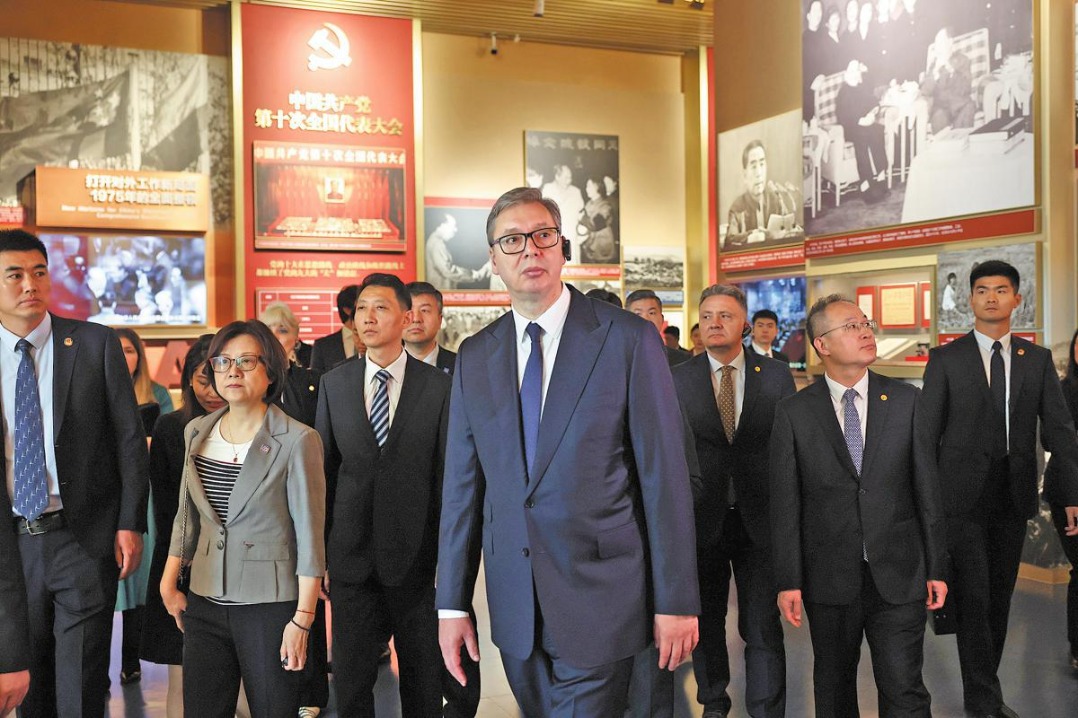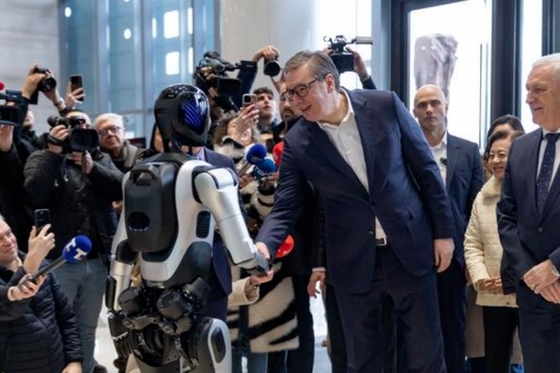
1. Serbian President Aleksandar Vucic arrived in Beijing on May 24 for a four-day state visit, bringing more than traditional diplomatic goodwill. He is expected to sign over 30 agreements securing roughly 1 billion euros ($1.16 billion) in new Chinese investment commitments. The true significance of the visit lies not in the headline figures, but in the nature of the deals, marking a shift from traditional infrastructure to high-end manufacturing and frontier technologies [para. 1][para. 2].2. A prominent symbol of this transition is a humanoid robot project in the Serbian city of Sabac, spearheaded by Shanghai-based Zhiyuan Robotics and automotive parts manufacturer Minth Group. After watching a product demonstration in February, Vucic hailed the venture as potentially one of the largest investments in Serbian history. Backed by an initial investment of 100 million euros, the Sabac facility is slated to begin formal operations by mid-2026, with plans for up to 50 data factories between 2026 and 2030. If successful, Serbia will emerge as a crucial European node for the humanoid robotics industry, covering applications from domestic assistance to border patrol. This represents a monumental leap from the roads and bridges that previously characterized bilateral cooperation [para. 3][para. 4].3. Similarly, Chinese automakers are utilizing Serbia’s geopolitical position to navigate an increasingly hostile European trade environment. A joint venture between China’s Jiangling Motors Corp. Group and France’s Renault, known as JMEV, is establishing a factory in Sremska Mitrovica with an initial annual capacity of 3,000 to 5,000 vehicles, expected to roll its first cars off the assembly line by the end of 2026. By leveraging the China-Serbia Free Trade Agreement and Serbia’s zero-tariff export access to the European Union, Chinese new-energy vehicle manufacturers can effectively bypass trade barriers being erected by Brussels, allowing them to localize production and adapt to European market demands [para. 5][para. 6].4. This technological pivot is transforming the underlying structure of the Sino-Serbian partnership. Previously, the hallmark was industrial synergy, exemplified by China’s HBIS Group acquiring and revitalizing the struggling Smederevo steel mill. The current wave of high-end manufacturing investments elevates this synergy to a higher position on the global value chain. For Serbia, Chinese capital is no longer just about financing heavy industry; it is a catalyst for industrial modernization, helping to alleviate domestic labor shortages while building sovereign capacity in advanced manufacturing. For China, Serbia solidifies its role as an indispensable strategic pivot into Europe, offering Chinese firms a flexible sanctuary for industrial layout and technological testing [para. 7][para. 8].5. The traditional model of Chinese capital plus Chinese engineering is evolving into a new formula: Chinese technology plus Serbia’s geographic advantage plus the European market. This shift ensures a mutually beneficial dynamic, elevating economic benefits for Serbia while providing Chinese enterprises a blueprint for sustainable expansion in Europe. This strategic evolution unfolds against the backdrop of the EU’s aggressive de-risking agenda, including tightened foreign direct investment screening, anti-subsidy investigations into Chinese new-energy vehicles, and the Carbon Border Adjustment Mechanism. In this climate, the Sino-Serbian partnership offers a pragmatic workaround by merging Chinese technology with Serbia’s non-EU but highly integrated geographic status, creating a vital buffer zone. Projects like the Sabac robotics facility and the JMEV plant boast high levels of localization, which can help assuage European anxieties and make embedded production more palatable to regional markets compared to direct exports [para. 9][para. 10][para. 11].6. Vucic has been vocal in opposing Western protectionism, urging Europe to avoid closing itself off. He recently argued that the EU should abandon fear and suspicion of China, noting that sensible 21st-century politics requires interacting with all major global players. His rhetoric indicates that some European nations reject zero-sum confrontation with Beijing, seeking a delicate balance between security concerns and economic reality. Challenges remain, including increasingly stringent EU regulations and competitive anxieties from certain member states. However, if these high-tech initiatives deliver tangible results—such as local job creation, technology transfer, and industrial modernization—they will serve as undeniable proof that pragmatic, market-driven cooperation between China and Europe remains not only viable but essential [para. 12][para. 13].AI generated, for reference only
Commentary: China and Serbia’s High-Tech Pivot — From Bridges to Bots
Serbian President Aleksandar Vucic’s visit to Beijing highlights a strategic shift from traditional infrastructure to humanoid robots and new-energy vehicles, offering Chinese firms a vital stepping stone into the European market
677 words~3 min read