South Korea’s Foreign Ministry has concluded that the projectiles that struck a Korean bulk carrier near the Strait of Hormuz earlier this month were “highly likely” Iranian-made anti-ship missiles. The finding, announced on May 27, raises the stakes in an already volatile stretch of water that serves as the world’s most consequential oil and LNG chokepoint.
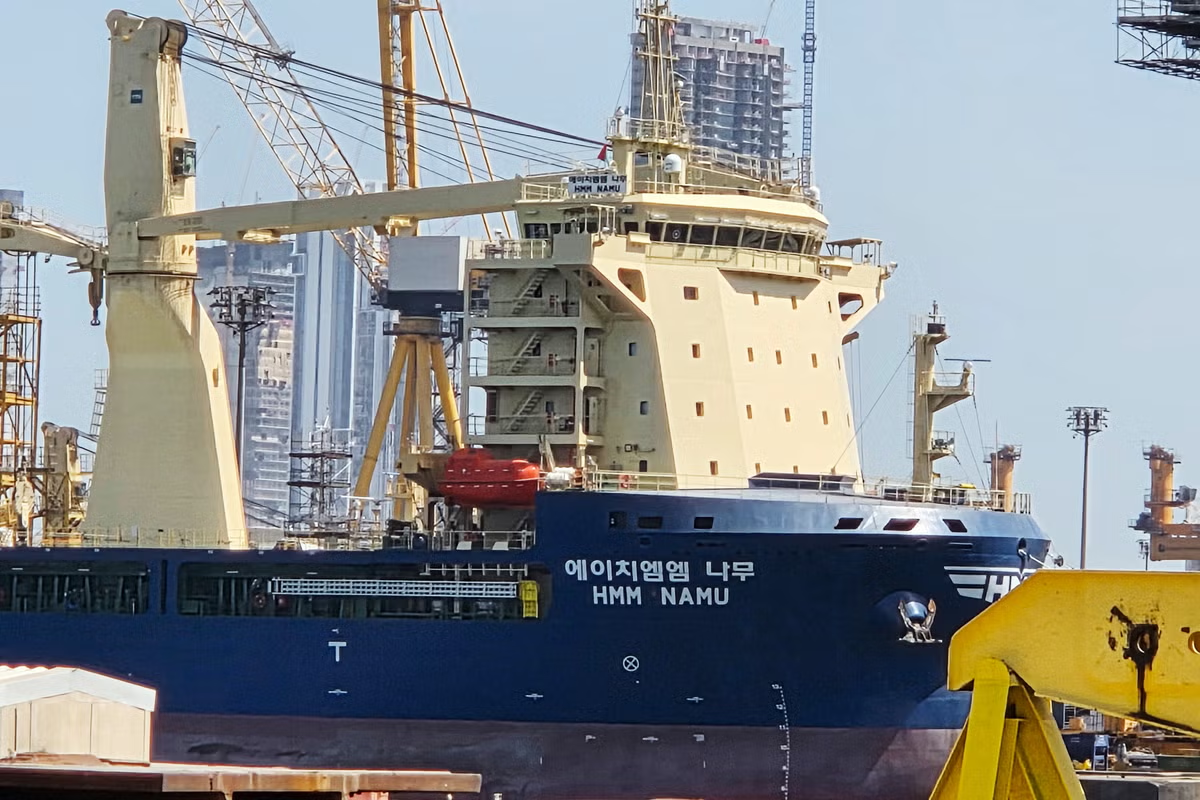
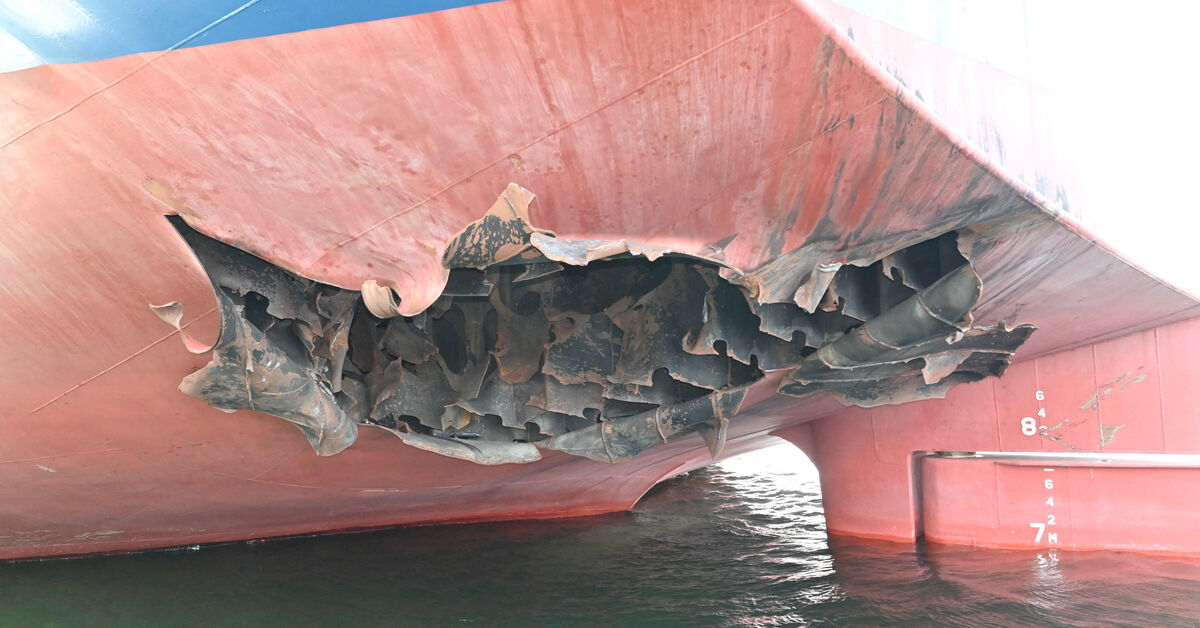
The vessel in question, the HMM Namu, was anchored near the strait on May 4 when it was hit, triggering a fire and damaging the lower stern hull. All 24 crew members, including six South Korean nationals, survived without injury. The fire was extinguished and the ship remained intact.
What the investigation found
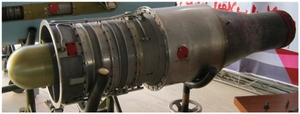
South Korean investigators recovered debris from the scene and performed a detailed forensic analysis of the missile components. The engines and other parts matched Iranian manufacturing standards, according to the Foreign Ministry. Specifically, the projectiles resembled two known Iranian anti-ship missile types: the Noor and the Qader.
The Noor is a medium-range anti-ship cruise missile derived from the Chinese C-802 platform. It has been in Iran’s arsenal for years and was notably used by Hezbollah against an Israeli corvette in 2006. The Qader is a longer-range variant, capable of traveling several hundred kilometers, designed for coastal defense and naval strike operations.