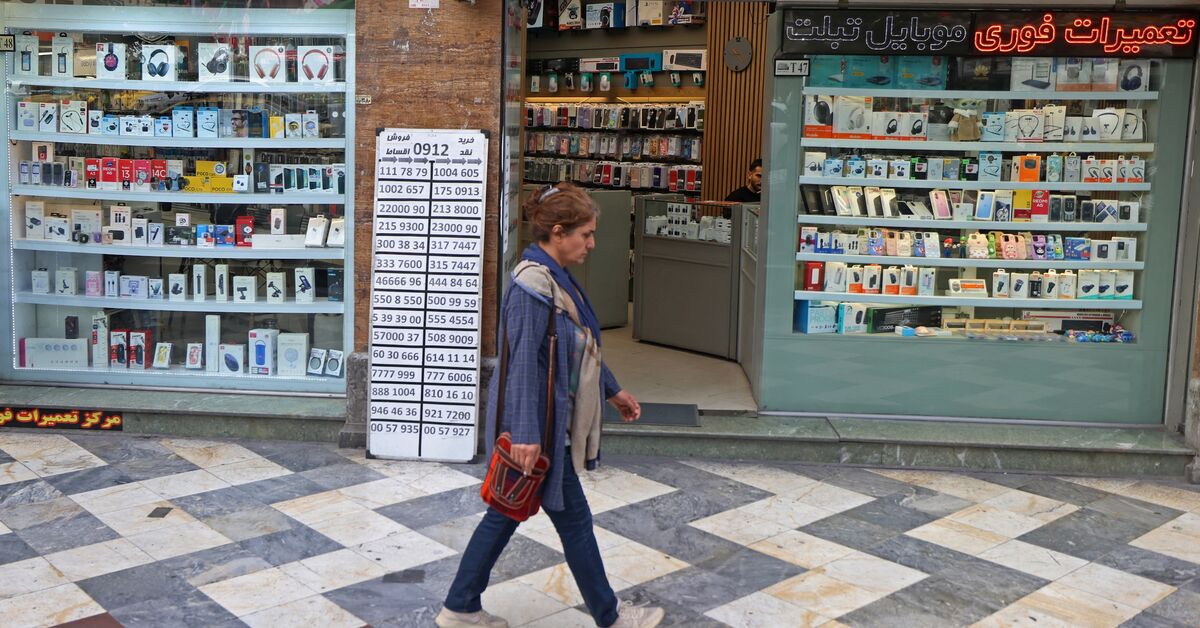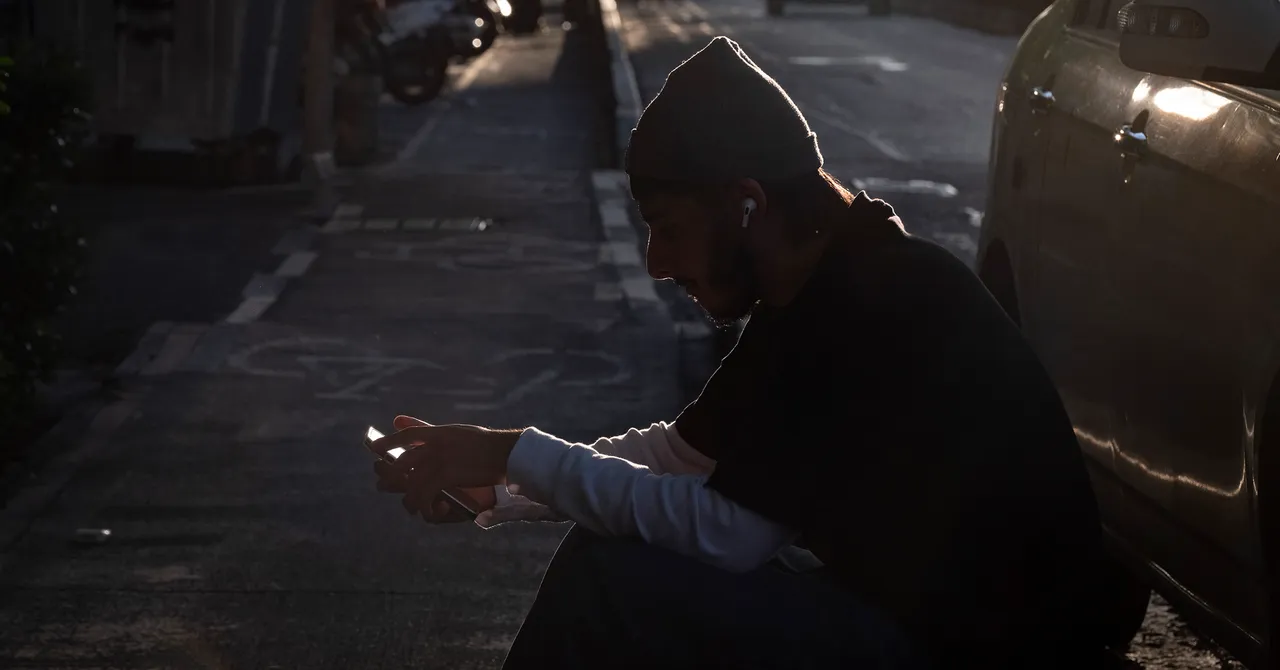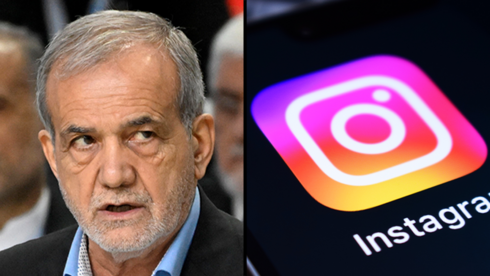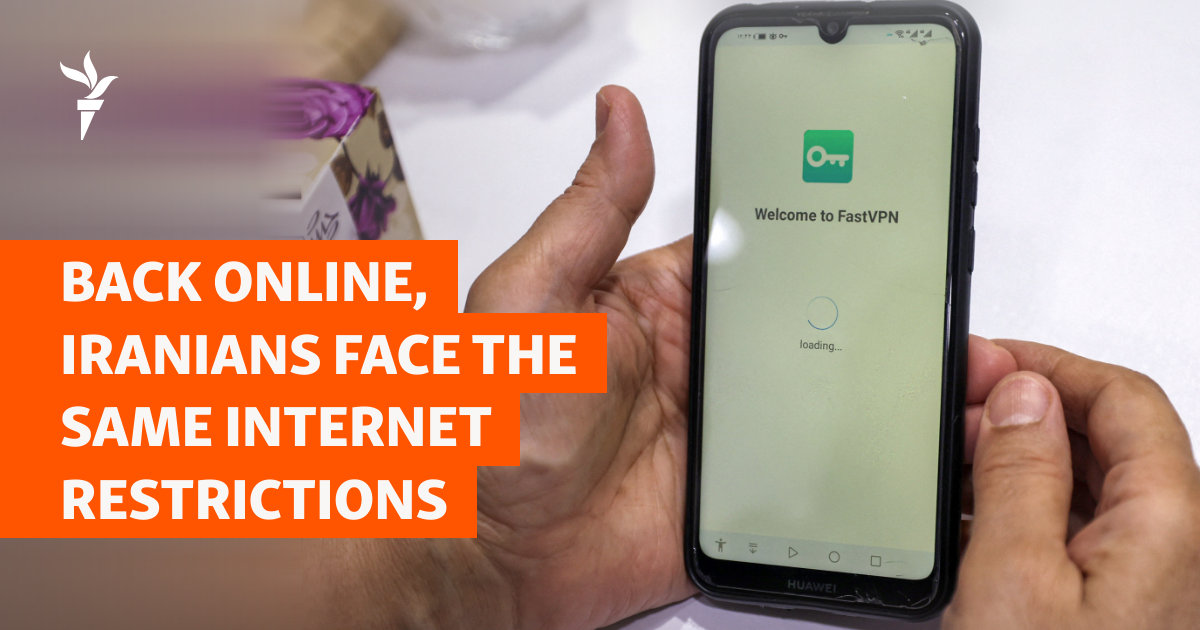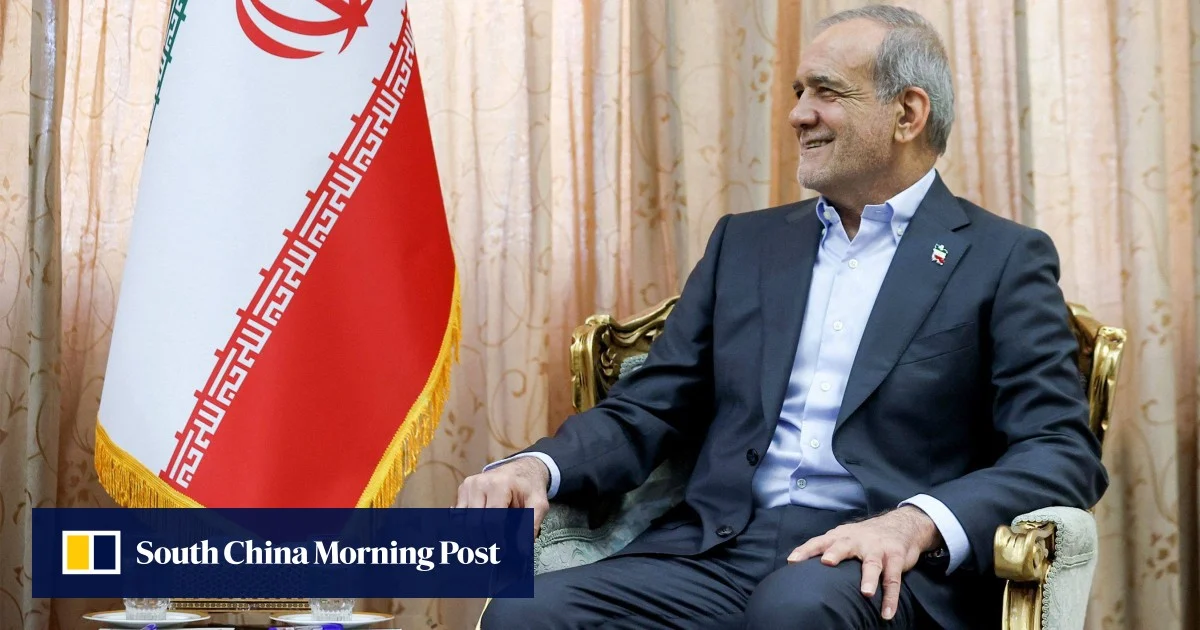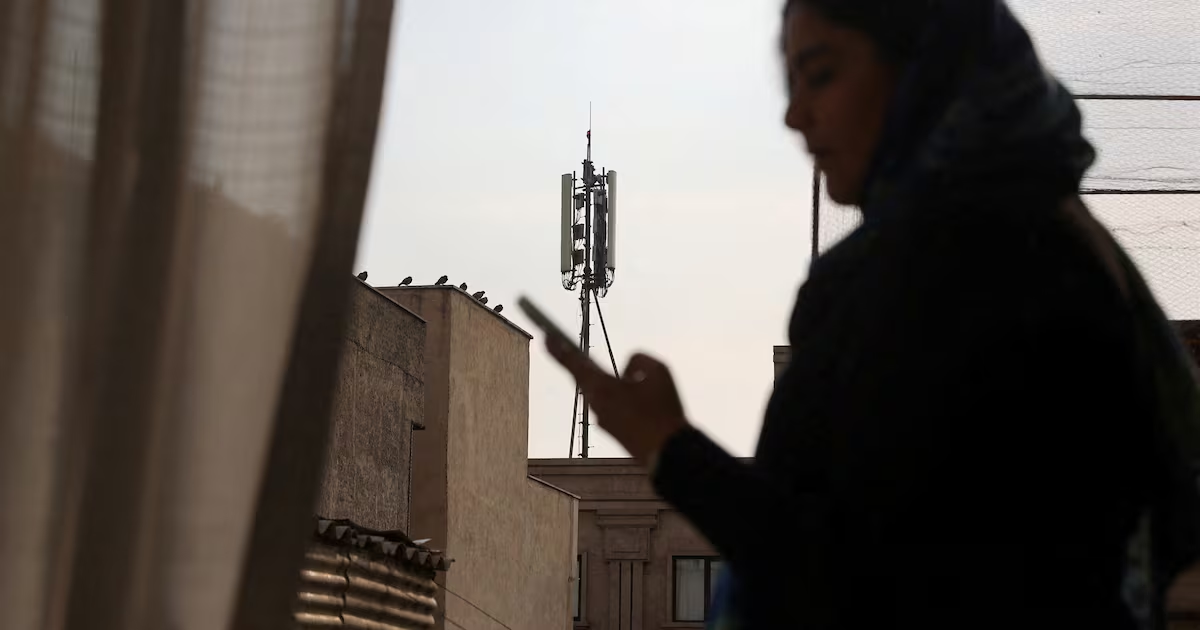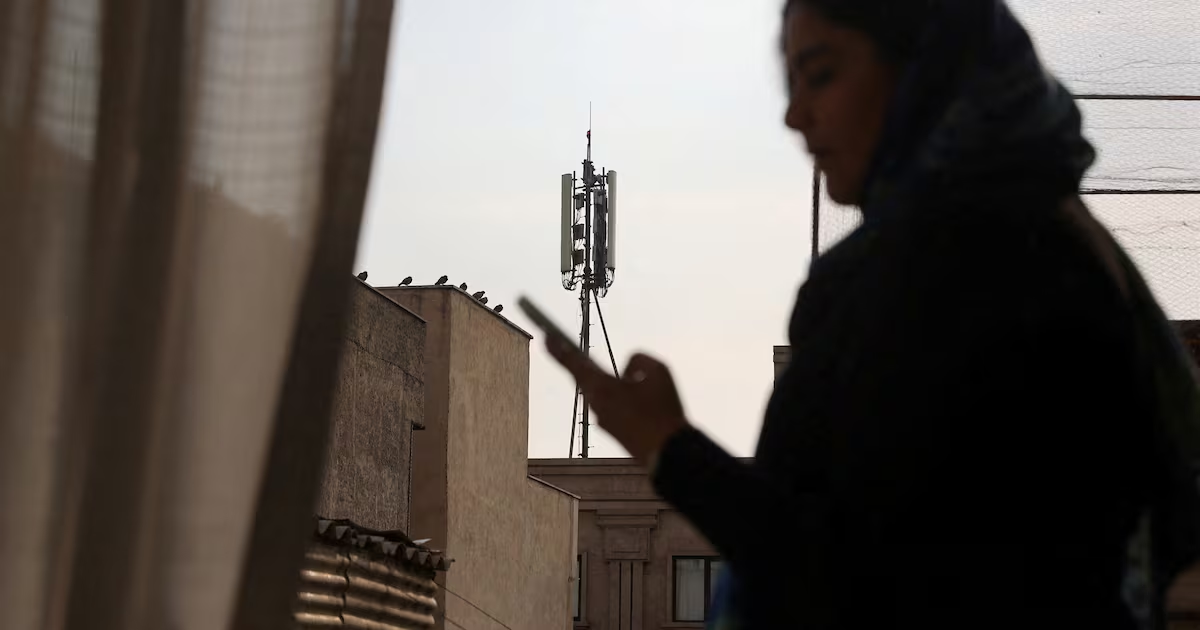
Tens of millions of Iranians have been able to access the internet for the first time in nearly three months, after authorities moved to remove a wartime blackout that kept most of the country offline and destroyed businesses.The restoration of access came after President Masoud Pezeshkian approved a vote by a cyberspace task force to allow Iranians back online, despite efforts by some hardliners to nullify the body’s decision. “The people of Iran deserve free communication, a bright future, and a dynamic economy; and serving these great people is a way of paying tribute to Iran’s eternal legacy,” IT Minister Sattar Hashemi said in a statement on X on Wednesday. Monitoring group NetBlocks reported a further rise in connectivity in Iran on Wednesday, following a partial restoration on Tuesday night. It described Iran’s internet blackout as “the longest nationwide internet shutdown in modern history” and warned that it remained unclear if the restoration of access would be sustained. “Almost everyone is back online,” a resident of Tehran told The National. “Wi-Fi came back on yesterday afternoon and the mobile internet last night. For me it’s working really slowly but others have good speed.” Since the war with the US and Israel began on February 28, most of Iran’s 90 million population has been unable to access the global web, with access limited to a heavily filtered intranet that allowed services such as banking and delivery to continue. The state-imposed blackout prompted widespread criticism from Iranians and the international community. The blackout was particularly traumatic during the heaviest bombing in the war’s initial weeks, when it limited Iranians’ abilities to check on loved ones. Another resident of Tehran likened the return of the internet to a thief returning a stolen item and expecting the victim to be grateful. The authorities, “wanted to shut us off completely [from the web], but the people will never accept this”.QuoteI can’t stop laughing every time I say ‘internet pro.' It’s just a strategy for some of the internet service providers like Irancell to make some money.Iranian internet user The wartime blackout also followed a weeks-long shut down during widespread anti-government protests in January that were put down with fatal force, meaning that Iranians have spent most of this year offline. Even before that, many websites such as Twitter and Instagram were blocked in the country, and NetBlocks warned that filtering remained in place, “but can be worked around”.Iranians have long used virtual private networks (VPNs) to circumvent the restrictions and were able to get on typically banned websites such as Instagram using the tools. One resident of a city in southern Iran reported on Wednesday that normal SIM cards were working with a VPN allowing access to restricted websites. “I just bought an unlimited VPN valid for a month for 300,000 tomans ($1.70). The speed is good,” he said. Some Iranians, including government officials, whom authorities have given so-called “white SIM cards” were able to get online during the war despite the blackout, leading to criticism that Tehran had shut down web access for most to shape the narrative around the war. Others used elaborate and expensive VPN configurations to access the web, and telecoms providers introduced so-called “Internet Pro” Sim cards granted to business owners. The moves faced criticism from many Iranians who described the “pro” internet as part of a “class based” internet system because it was not available to all and because data to access it is many times more expensive than usual rates. “Greetings to the people of Iran, who stood firm, who refused to submit to the disgrace of ‘premium internet,’ so that we could all be here together again,” journalist Pejman Mousavi wrote on X, in his first post since February 25. Another charity worker posted for the first time since February 28 and said he had missed being online but, “was not willing to accept the humiliation and oppression of the class-based Internet to connect to the net”.One Iranian who had gained access to the “Internet pro” said data on the service cost 2.2 million tomans (about $12.50) for 5GB of data. “I can’t stop laughing every time I say ‘internet pro,’” he told The National. “It’s just a strategy for some of the internet service providers like Irancell to make some money.”Segments of the economy reliant on the internet have been hit heavily. Small business owners reliant on sales and marketing though social media platforms have been particularly badly affected, because customers have not been able to reach them and years of hard work to achieve visibility on algorithms and search results has been lost. Iran’s Chamber of Commerce said last month that the direct impact of the blackout was $30-40 million USD per day, at a time when Iranians are already facing soaring inflation and job losses. Some businesses warned that the return of the internet would not be enough to compensate for the months-long blackout. “We spent years of our lives and youth working, but they put everything back to square one,” an online gardening shop in Tehran posted on X on Wednesday.“The truth is that starting an online business in a country like Iran makes no sense at all.”The restoration of access comes as indirect negotiations between the US and Iran to end the war continue through mediator Pakistan. A shaky ceasefire has been in place since April 8.
Internet restored to tens of millions in Iran after three-month blackout | The National
Iranians back online after longest internet suspension in modern history
895 words~4 min read