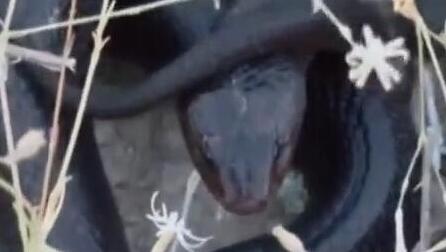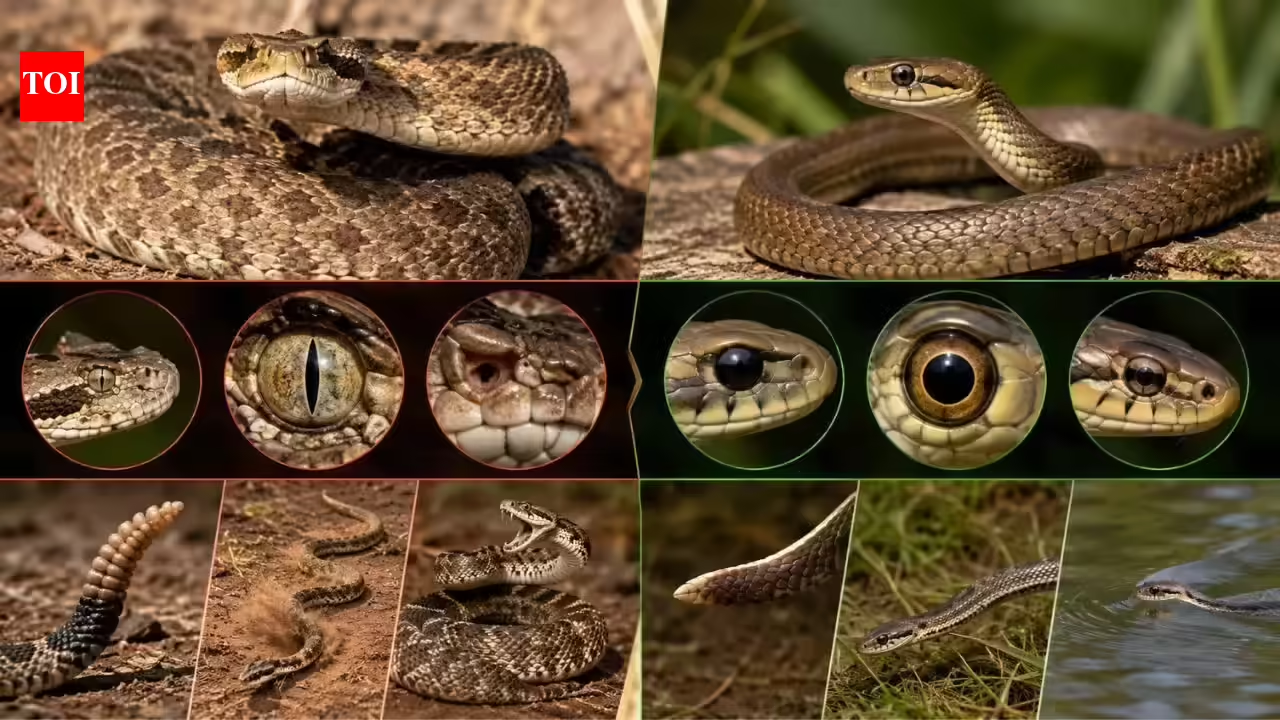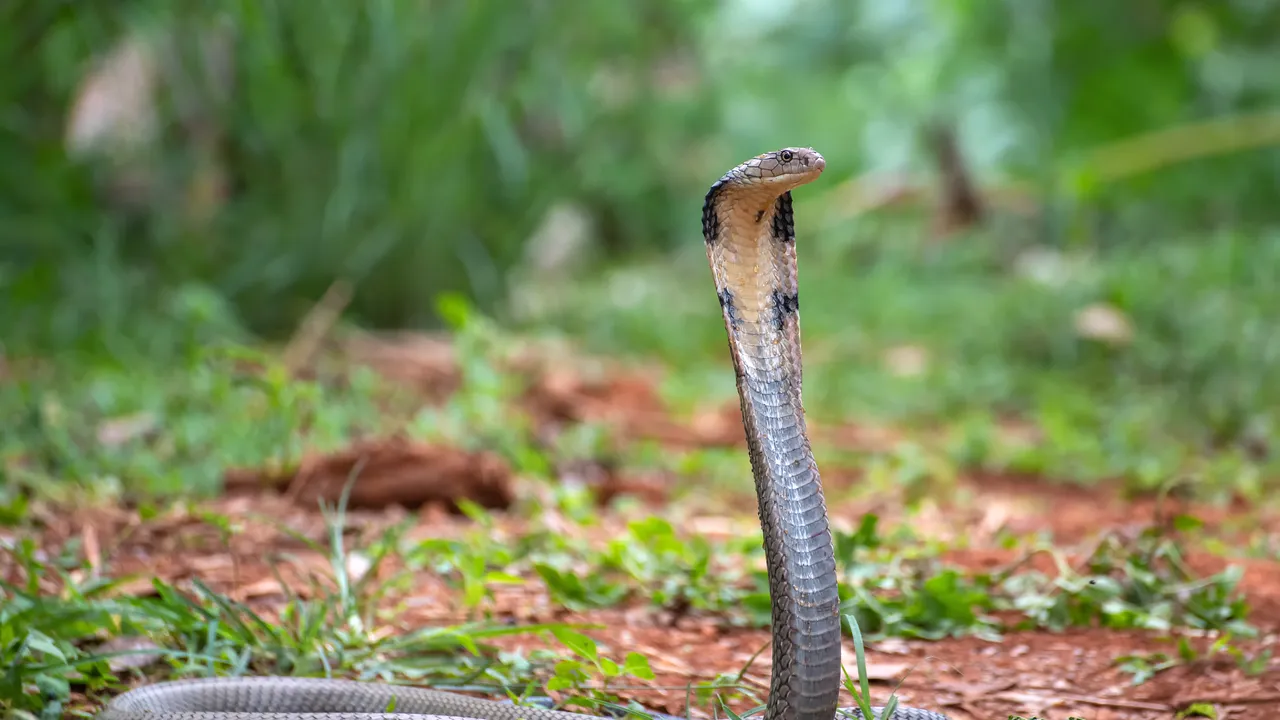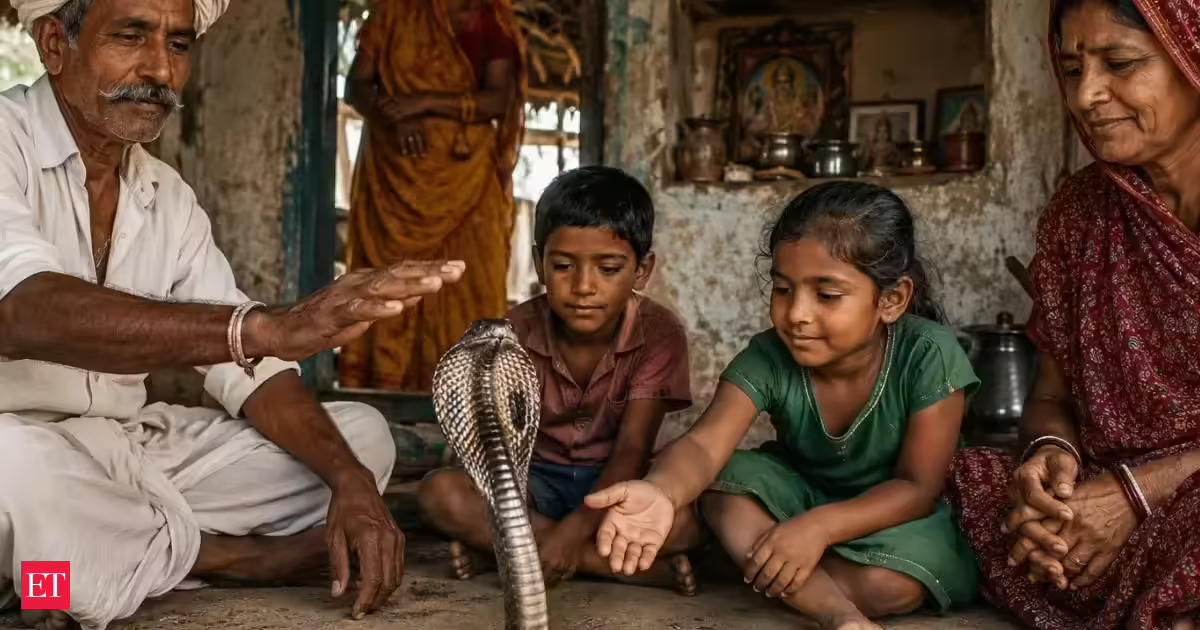
Imagine walking into a house and being told there might be a cobra resting quietly nearby — and nobody in the room seems remotely worried. That is everyday life in Shetphal, a small village in Maharashtra that has earned the nickname “Snake Village of India.” Here, snakes are not automatically seen as dangerous intruders. Instead, many villagers grow up seeing cobras as part of their environment, culture and traditions. And yes, in some homes, there are even dedicated spaces built specially for them.Why is Shetphal called the “Snake Village of India”? Shetphal became famous because of its long-standing relationship with snakes, especially cobras. Unlike most places where spotting a venomous snake would create panic, villagers here are known for staying calm around them. Cobras are often allowed to move through courtyards, rooftops and open spaces without being harmed. The village’s reputation comes from generations of cultural beliefs tied to serpent worship in Hindu traditions, especially during festivals like Nag Panchami. Over time, this created a rare environment where humans and snakes learned to coexist in unusually close proximity.Do people really keep spaces for snakes inside their homes? Yes. One of the most talked-about aspects of Shetphal is that several traditional homes reportedly include small resting spaces or niches where snakes can shelter undisturbed. Locals often see these spaces as part of cultural and spiritual practices rather than something unusual or frightening. For outsiders, however, the idea of a cobra casually existing inside or around homes is enough to make the village feel almost unreal.Are villagers not afraid of cobras? Cobras are venomous and potentially dangerous, and villagers are aware of that. But years of familiarity and traditional practices have shaped a different response to them. Instead of reacting with panic, many locals are taught to remain calm, avoid provoking snakes and respect their space. Residents largely depend on farming and rural livelihoods, meaning coexistence with wildlife has long been part of everyday life.What should travellers know before visiting Shetphal? The village continues to attract curious travellers, photographers and wildlife enthusiasts. But visitors are expected to behave responsibly and respect local customs. Here are some important things travellers are advised to keep in mind:Is it safe to touch or approach snakes in Shetphal? No. Visitors should never attempt to touch, provoke or interact directly with snakes, even if locals appear comfortable around them. Cobras are wild animals and can be dangerous if threatened. The safest approach is observation from a respectful distance.Why are visitors asked to stay calm around snakes? Sudden movements, shouting or panic can disturb snakes and increase risk. Locals usually advise visitors to stay alert while walking through village lanes or open areas and avoid reacting aggressively if a snake is spotted.What kind of footwear should tourists wear? Closed shoes or sturdy footwear are strongly recommended while visiting the village. Walking barefoot, especially in unfamiliar outdoor areas, is discouraged.Why does Shetphal continue to fascinate people? Part of what makes Shetphal so intriguing is that it challenges the way most people think about fear and coexistence. For many outsiders, snakes represent danger. But in this village, they are deeply tied to faith, tradition and daily life — creating one of India’s most unusual human-wildlife stories.
India’s most unusual village where cobras roam freely through homes and snakes are treated like family
Snake village of India: Shetphal, a village in Maharashtra often called the “Snake Village of India,” is known for its unusual coexistence between humans and cobras. In this village, snakes are not treated as intruders but are respected as part of local traditions and daily life. From dedicated snake spaces inside homes to serpent worship practices, Shetphal continues to fascinate travellers and wildlife enthusiasts alike.
536 words~2 min read