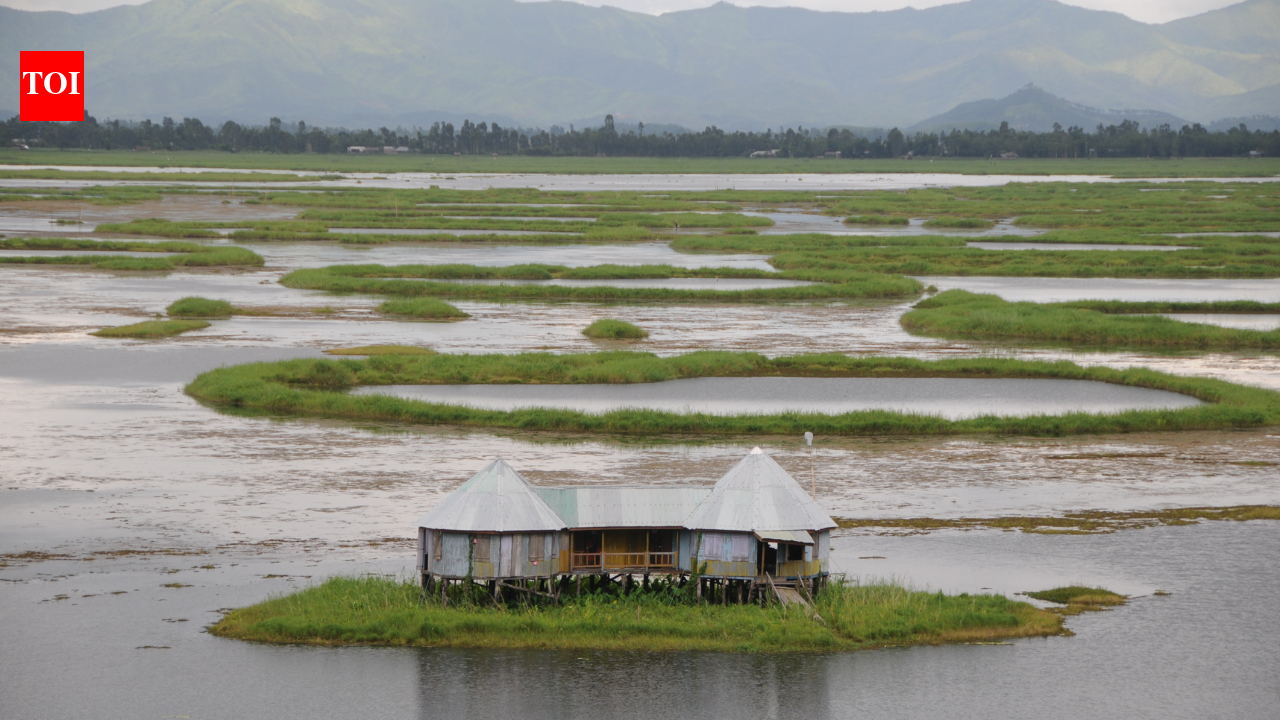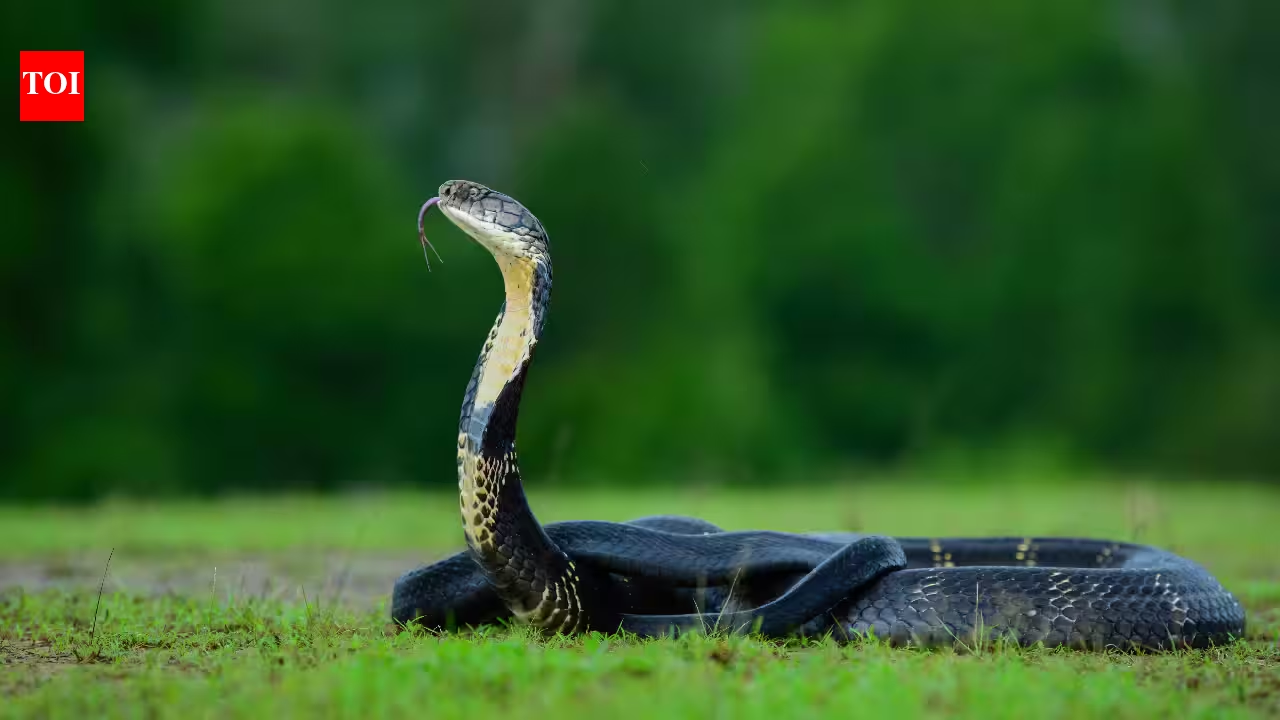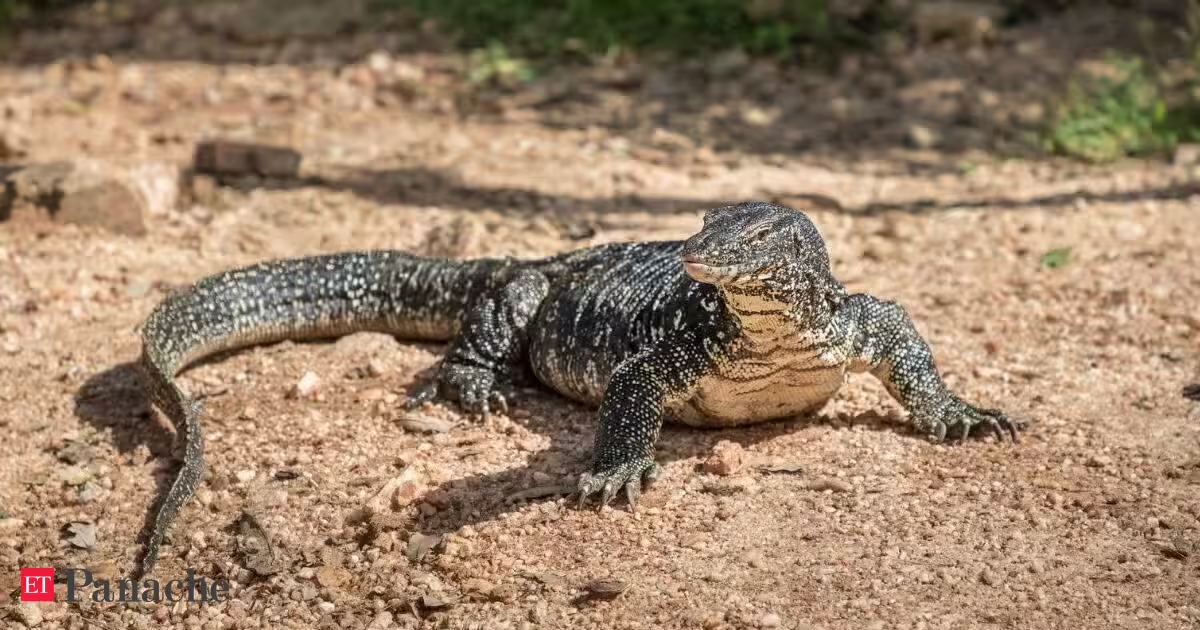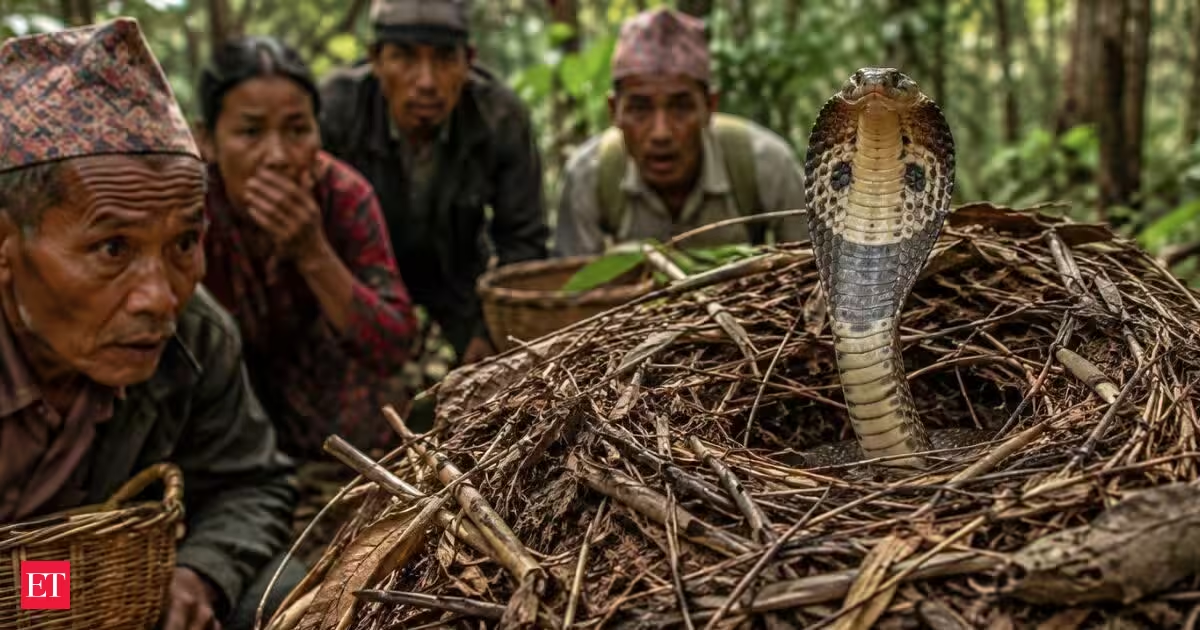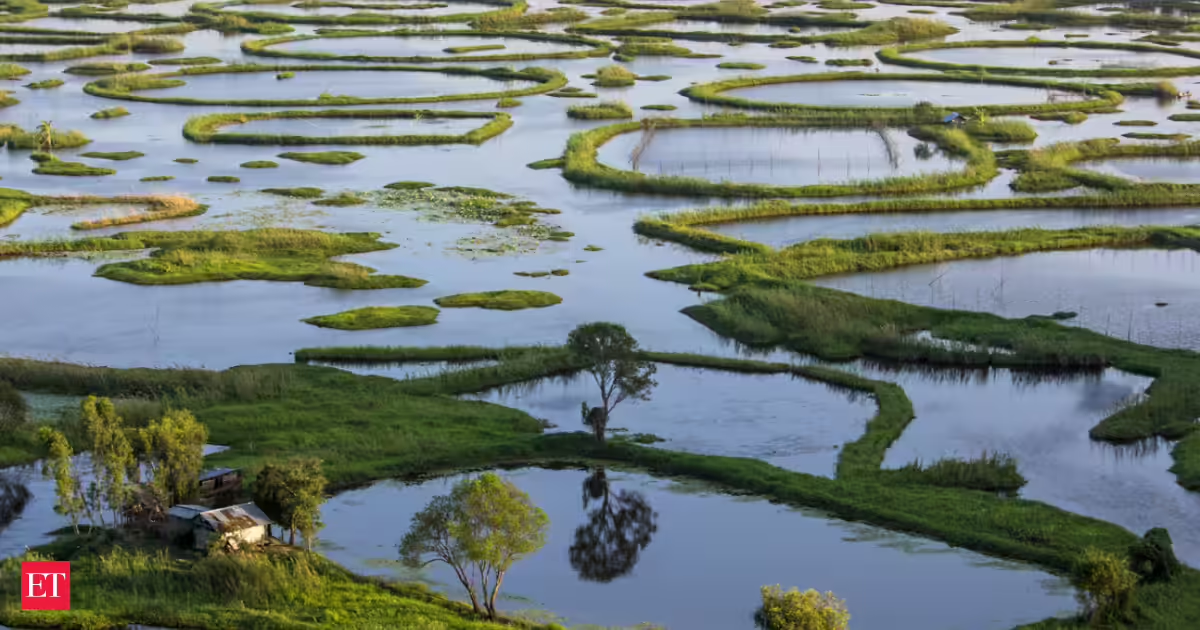
Hidden in the hills of Manipur is a lake that almost does not look real from above. Massive circular patches of land float across its surface, changing shape and position over time like drifting islands. Some are large enough for fishing huts, vegetation and even wildlife to survive on them. This is Loktak Lake — often called India’s “floating lake” — and it remains one of the country’s most fascinating natural wonders. Spread across nearly 287 square kilometres, the freshwater lake is famous for its phumdis, floating masses made of vegetation, roots, soil and organic matter in different stages of decomposition. Together, they create a landscape so unusual that it can even be spotted from space. But the mystery surrounding the lake does not end there. The wetlands and dense vegetation around Loktak Lake are also home to the king cobra — the world’s longest venomous snake. Why is Loktak Lake called the floating lake of India? What makes Loktak Lake different from almost every other lake in India is the presence of phumdis. These floating circular islands naturally form when vegetation, roots and organic material accumulate together over time. According to information cited from TERI and UNESCO studies, the floating masses are strong enough to support fishing huts, human settlements and animal habitats. During dry seasons, parts of the phumdis sink slightly to absorb nutrients from the lakebed before rising again when water levels increase. Scientists have studied these floating formations for decades because they are constantly shifting and reshaping the lake’s appearance. The result is a landscape that looks different almost every season.What is special about Keibul Lamjao National Park? Loktak Lake is also home to something found nowhere else on Earth — the world’s only floating national park. Keibul Lamjao National Park is built entirely on floating phumdis and is considered one of the most unique wetland ecosystems in the world. The park is best known as the habitat of the endangered sangai deer, also called the brow-antlered deer, which is native to Manipur. The floating grasslands also shelter migratory birds, reptiles and several aquatic species. However, scientists and conservationists have warned that changes in water flow and climate conditions could threaten the fragile ecosystem. If the floating masses become thinner or unstable, the animals depending on them may also face danger.Why is the King Cobra found near Loktak Lake? Among the many species living in the wetlands around Loktak Lake, the king cobra remains one of the most fascinating. Scientifically known as Ophiophagus hannah, the king cobra prefers forested and wetland habitats across parts of India and Southeast Asia. The species is recognised as the world’s largest venomous snake and can grow up to 5.6 metres in length. Some individuals have reportedly reached nearly 18 feet. Despite its fearsome reputation, the king cobra is generally known to avoid humans unless threatened. The wetlands and thick vegetation around Loktak Lake provide an ideal environment for reptiles, amphibians and aquatic life, making the region one of the most biodiverse ecosystems in India.For now, though, Loktak Lake continues to remain one of India’s most surreal natural landscapes — a place where floating islands drift across the water while giant king cobras move through the wetlands nearby.(With TOI inputs)
This surreal floating lake in India is visible from space but beneath its drifting islands lives one of the world’s most feared snakes
Manipurs Loktak Lake is unlike any other lake in India. Known for its floating circular islands called phumdis, the lake is also home to the worlds only floating national park and rare wildlife including the king cobra — the longest venomous snake on Earth.
539 words~2 min read