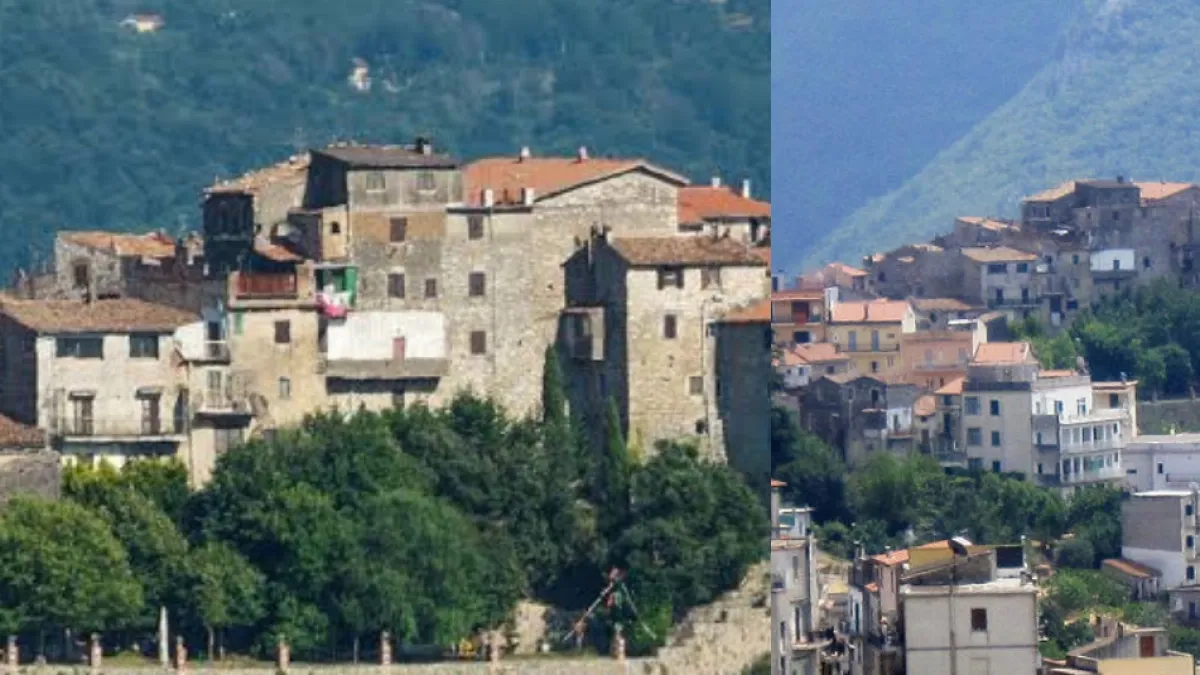
The “1 euro house” concept, which gained popularity in parts of Italy and other European countries, is increasingly being viewed as more than just a social experiment. Economists and regional planners now see it as a potential tool for reviving depopulated areas and attracting new investment.
The idea is simple: abandoned homes are sold for a symbolic price — often just one euro — in exchange for a commitment to renovate the property and settle in the area long term.
Across Europe, the model has already shown signs of success in struggling municipalities facing severe population decline and deteriorating housing stock. Local governments transfer neglected properties to private buyers, who are then required to invest in renovations, usually ranging between €20,000 and €60,000.
Supporters argue that such schemes can stimulate local economies by creating demand for construction services, increasing employment, generating tax revenue, and encouraging tourism and small business development.
For Bulgaria, the idea could be particularly relevant in heavily depopulated regions such as the Rhodope Mountains, Northwestern Bulgaria, and Strandzha, where many villages face long-term demographic collapse.