Economist Rumen Galabinov believes Bulgaria has entered a new economic phase after joining the eurozone and is already positioning itself among the bloc’s fastest-growing economies. Speaking about the country’s outlook following the adoption of the euro on January 1, he described the transition as a major strategic achievement and argued that Bulgaria is beginning to play a more visible role inside the European economy.
“Before discussing the macroeconomic situation, we must first acknowledge that Bulgaria has successfully joined the eurozone,” Galabinov said, stressing that the country had completed a process many in the region still struggle to achieve.
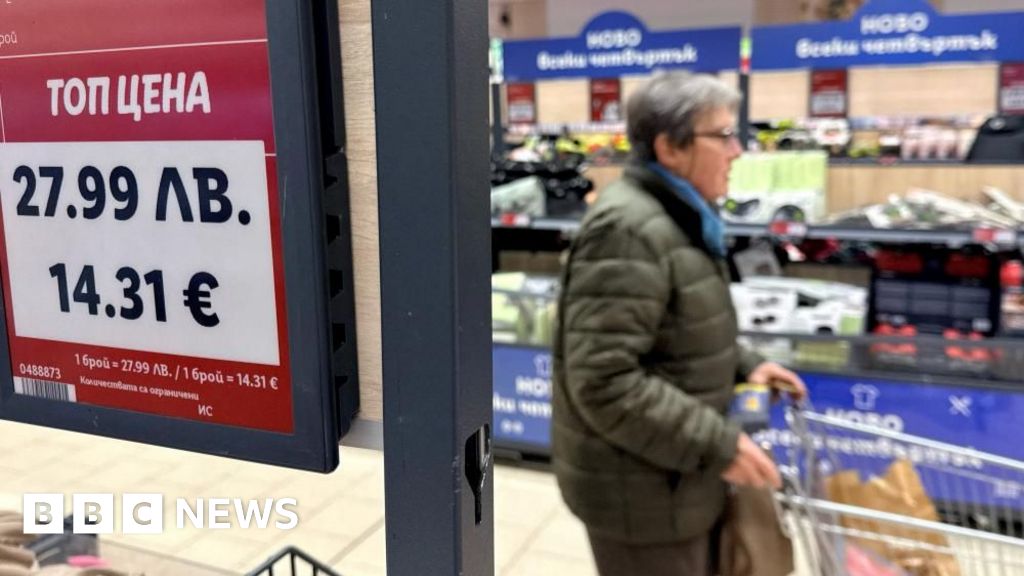
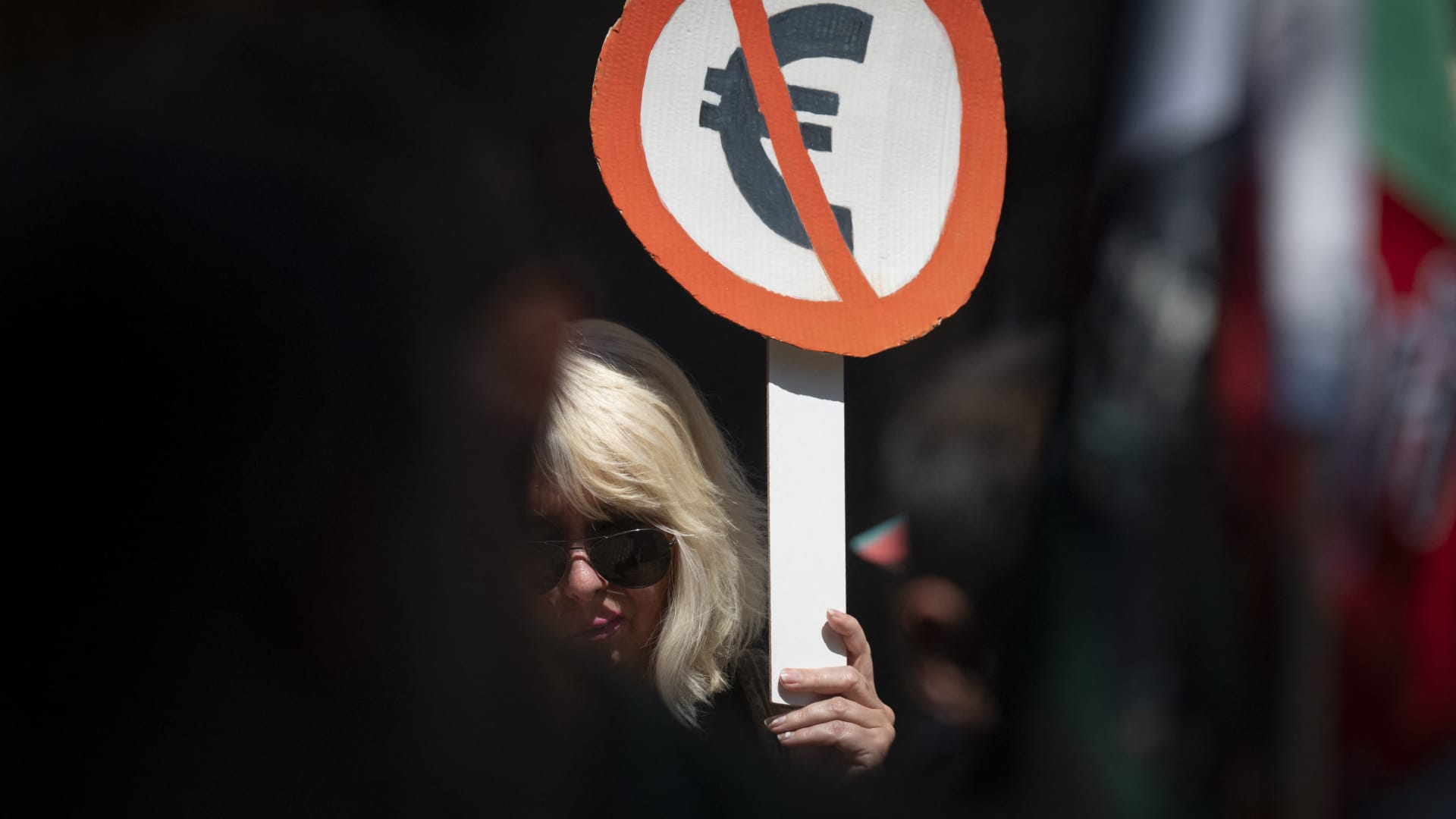
He acknowledged that some consequences of adopting the common currency had been anticipated from the beginning. Among them were adjustments within the banking sector and public concerns about inflation linked to price rounding after the conversion to the euro. According to him, however, an entirely different external factor created additional uncertainty.
“What surprised us was the war in Iran,” he noted, referring to broader geopolitical tensions affecting markets and economic expectations across Europe.
Galabinov said the coming months will depend heavily on the policies of the European Central Bank and the Bulgarian National Bank, especially in relation to inflation control and lending conditions. After a period dominated by lower interest rates, he believes the ECB may soon reverse course and begin tightening monetary policy again.