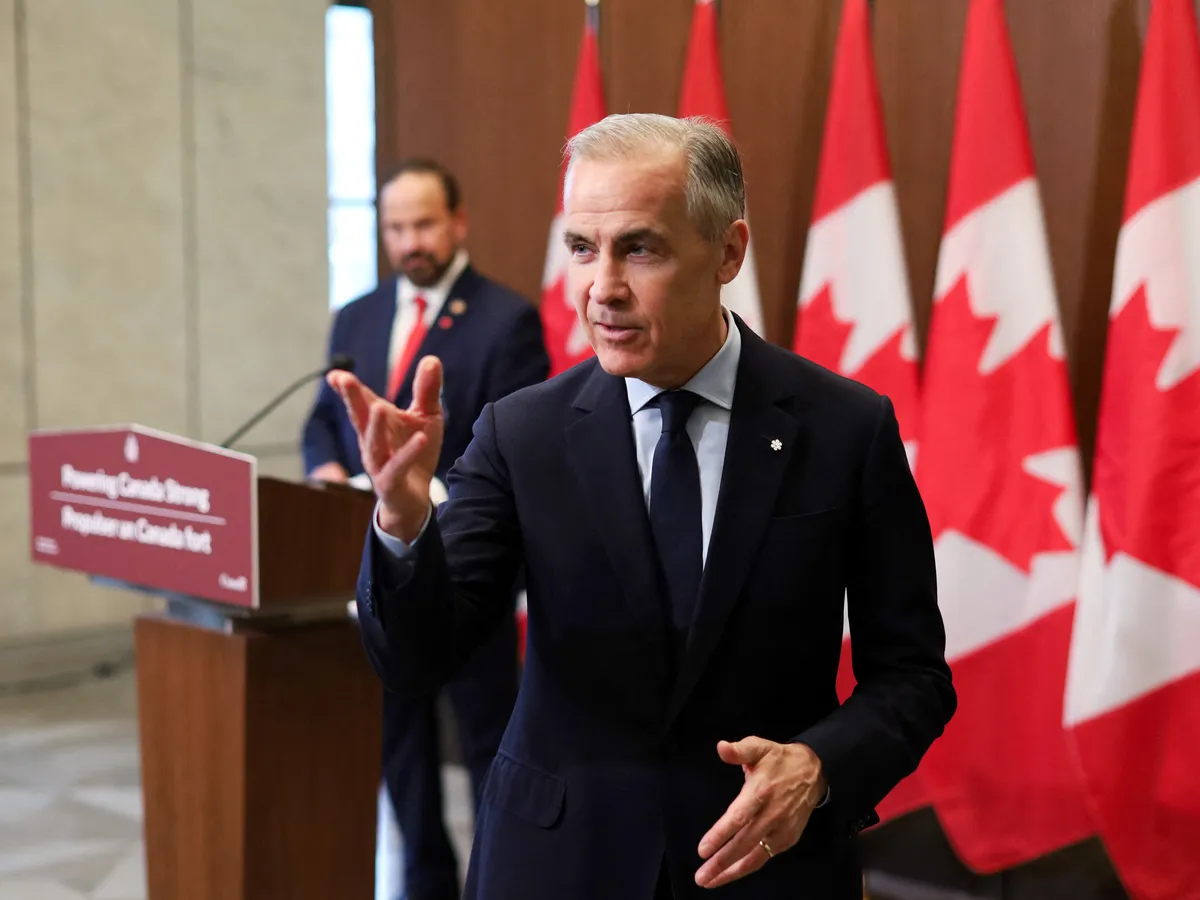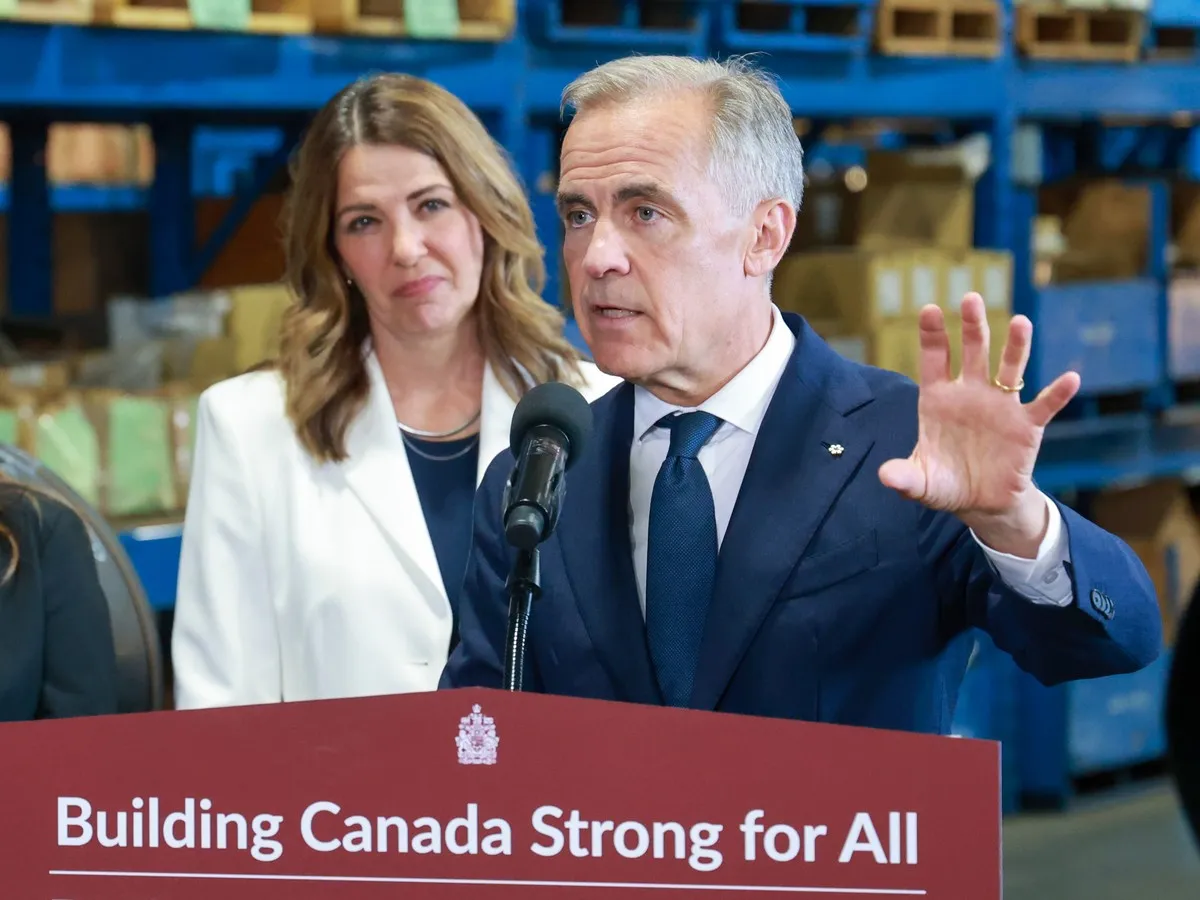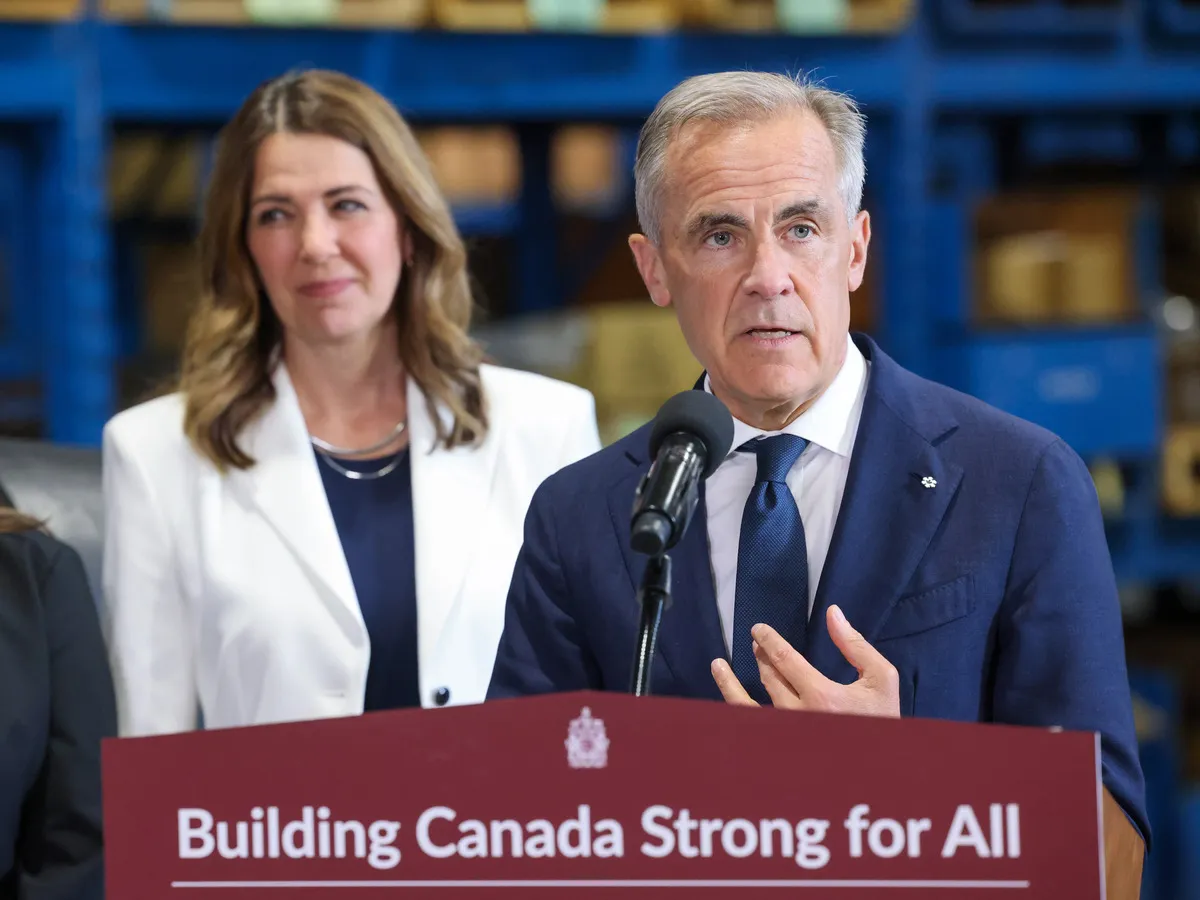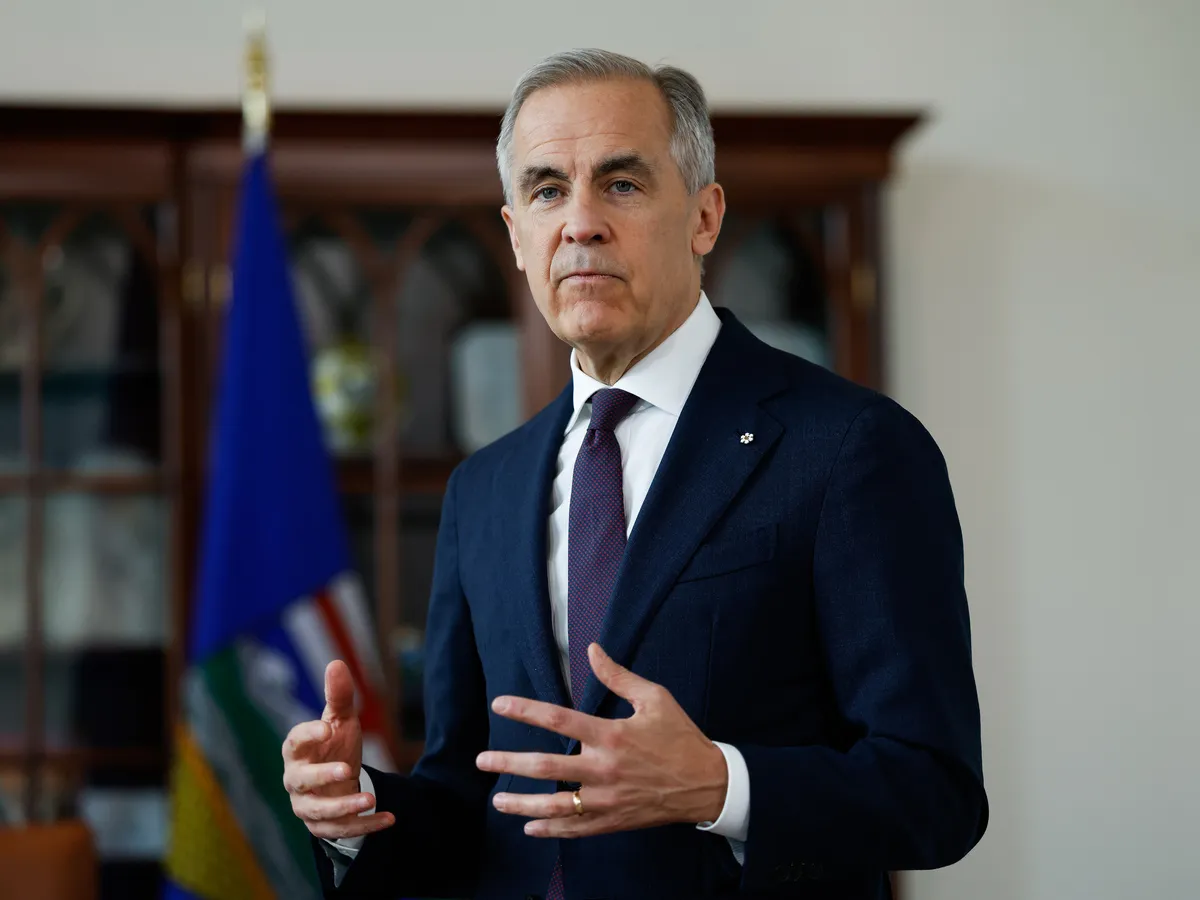
Skip to Content News Archives Economy Energy Oil & Gas Renewables Electric Vehicles Mining Commodities Agriculture Real Estate Mortgages Mortgage Rates Finance Banking Insurance Fintech Cryptocurrency Work Wealth Smart Money Wealth Management Investor Personal Finance Family Finance Retirement Taxes High Net Worth FP Comment Executive Women Puzzmo Newsletters Financial Times Business Essentials More Innovation Information Technology FP500 Podcasts Small Business Lives Told Tails Told Shopping Financial Post Store Obituaries Place a Notice Advertising Advertising With Us Advertising Solutions Postmedia Ad Manager Sponsorship Requests Classifieds Place a Classifieds ad Working Profile Settings My Subscriptions Saved Articles My Offers Newsletters Customer Service FAQ News Economy Energy Mining Real Estate Finance Work Wealth Investor FP Comment Executive Women Puzzmo Newsletters Financial Times Business Essentials HomeFP CommentJoe Oliver: We can’t afford a $20-billion Pathway to nowhere That's too much for a project whose only real purpose is political cover for a prime minister whose caucus is divided on pipelinesLast updated 56 minutes ago You can save this article by registering for free here. Or sign-in if you have an account.Abandoning Pathways would help Canada catch up with the rest of the world. Too bad it won’t happen under Carney’s leadership. Photo by HYUNGCHEOL PARK/PostmediaGiven its massive debt and never-ending deficits, Ottawa should not waste tens of billions of dollars in tax credits and cash on a project that has no chance of achieving its public policy objective, even if it does give the prime minister political cover.Subscribe now to read the latest news in your city and across Canada.Exclusive articles from Barbara Shecter, Joe O'Connor, Gabriel Friedman, and others.Daily content from Financial Times, the world's leading global business publication.Unlimited online access to read articles from Financial Post, National Post and 15 news sites across Canada with one account.National Post ePaper, an electronic replica of the print edition to view on any device, share and comment on.Daily puzzles, including the New York Times Crossword.Subscribe now to read the latest news in your city and across Canada.Exclusive articles from Barbara Shecter, Joe O'Connor, Gabriel Friedman and others.Daily content from Financial Times, the world's leading global business publication.Unlimited online access to read articles from Financial Post, National Post and 15 news sites across Canada with one account.National Post ePaper, an electronic replica of the print edition to view on any device, share and comment on.Daily puzzles, including the New York Times Crossword.Create an account or sign in to continue with your reading experience.Access articles from across Canada with one account.Share your thoughts and join the conversation in the comments.Enjoy additional articles per month.Get email updates from your favourite authors.Create an account or sign in to continue with your reading experience.Access articles from across Canada with one accountShare your thoughts and join the conversation in the commentsEnjoy additional articles per monthGet email updates from your favourite authorsSign In or Create an AccountorThe boondoggle in question is the Pathways Project, a $16- to $24-billion (excluding cost overruns) carbon capture and storage (CCS) network in northeastern Alberta sponsored by the six largest oilsands companies. Its mission is to capture greenhouse gas emissions from over 20 oilsands sites and transport them via pipeline to an underground storage hub near Cold Lake.Prime Minister Mark Carney has made Pathways a condition for approving any major oilsands pipeline project, on the grounds it would eliminate emissions from drilling, processing and flaring. But such upstream emissions are only 15 per cent of the total. Downstream emissions from consumption in transportation, industrial use, power generation and buildings account for the rest. Alberta Premier Danielle Smith obviously knows this but succumbed to the feds’ extortion because it was the only way to get them on side.Get the latest headlines, breaking news and columns.By signing up you consent to receive the above newsletter from Postmedia Network Inc.A welcome email is on its way. If you don't see it, please check your junk folder.The next issue of Top Stories will soon be in your inbox.We encountered an issue signing you up. Please try againIn a recent opinion piece, Martha Hall Findlay, chair of the University of Calgary’s School of Public Policy and former Liberal MP, came out against Pathways, which she spent years helping create. She belatedly admits it would entail significant cost “with, frankly, a negligible effect on global emissions.” A dramatically changed world provides a reason for her about-face: “Canada’s priorities are now clearly economic diversification, national defence, national security — nothing less than our sovereignty.”Findlay is correct that geopolitical events make the Pathways project even more indefensible, but without massive government subsidies CCS was never economically viable, according to the Institute for Energy Economics and Financial Analysis (IEEFA). And another reason for her change of mind existed when she helped create Pathways: Canada produces a mere 1.3 per cent of global GHG emissions; the oilsands represent 12.4 per cent of Canada’s total emissions; and Pathways’ first phase would likely reduce global emissions by less than 0.02 per cent — or one in 5,000 — with an undetectable impact on global temperatures. Even worse, the IEEFA says no CCS project anywhere has ever reached its target CO2 capture rate, and most miss by a lot.CCS projects have a troubled history around the world, with chronic underperformance, ballooning costs and technical failures. For example, in May 2024, Edmonton-based Capital Power cancelled a $2.4-billion project built to capture up to three megatonnes of greenhouse gas emissions from its gas-fired Genesee generating station in Alberta. The reason? It was not “economically feasible.”Even hard-line green NGOs oppose CCS. Environmental Defence called it a billion-dollar scam based on junk science, with associate director Julia Levin saying: “Carbon capture is unnecessary, ineffective and expensive.” Mind you, her solution is to prevent energy projects from being created in the first place.Then there are the safety risks, which have not been adequately addressed. When stored in deep saline aquifers or depleted reservoirs, compressed CO2 can leak into groundwater or the atmosphere. In 1986, a release in Cameroon killed about 1,700 people. In 2020, the rupture of a CO2 pipeline in Mississippi resulted in dozens of hospitalizations and the evacuation of an entire town. Apart from the dangers of carbon dioxide poisoning, fluid injection can induce earthquakes by altering underground pore pressure, according to the U.S. Geological Survey.Unfortunately, Mark Carney is unlikely abandon Pathways. He is using CCS to justify pipeline construction on the false pretence it will make energy projects carbon-neutral. He may even delude himself that purchasers will pay more for “net-zero” fossil fuels, which they never have and likely never will. Even with Pathways going ahead, several Liberal caucus members, including Steven Guilbeault, could jump ship, jeopardizing Carney’s razor-thin majority. The NDP’s Avi Lewis, environmental activists and some members of the media will also be outraged by Carney’s perceived betrayal of the climate cause.Last Sunday marked 20 years since the release of Al Gore’s hyperbolic movie, “An Inconvenient Truth.” That sci-fi thriller propelled Gore to centi-millionaire status and contributed to an outburst of collective madness that has cost the world $17 trillion in failed net-zero policies. Although in most places the tide has begun to turn against self-destructive climate hysteria, our government has been slow to acknowledge the new reality. Abandoning Pathways would help Canada catch up with the rest of the world. Too bad it won’t happen under Carney’s leadership.Joe Oliver was minister of natural resources and finance in the Harper government. Join the Conversation This website uses cookies to personalize your content (including ads), and allows us to analyze our traffic. Read more about cookies here. By continuing to use our site, you agree to our Terms of Use and Privacy Policy.
Joe Oliver: We can’t afford a $20-billion Pathway to nowhere
That's too much for a project whose only real purpose is political cover for a prime minister whose caucus is divided on pipelines. Read on
1,271 words~6 min read