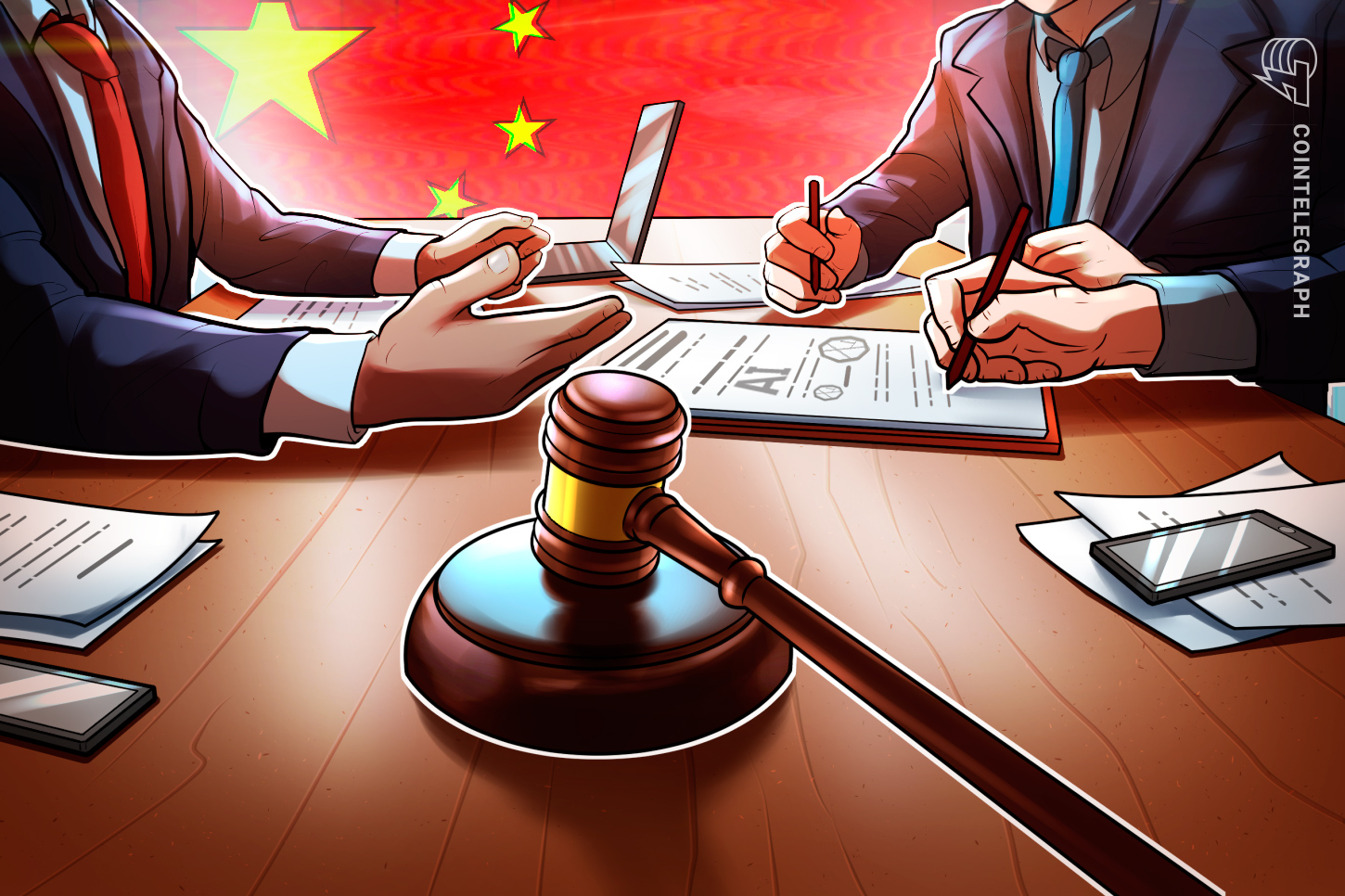
China’s Supreme People’s Court just dropped a five-year blueprint for how the country plans to handle intellectual property in the age of artificial intelligence. The “Implementation Plan for Judicial Protection of Intellectual Property Rights (2026-2030),” released on April 20, lays out a framework for defining the legal status of AI-generated content, establishing data ownership rules, and clarifying who bears responsibility when things go wrong: developers, operators, or users.
What the plan actually covers
The SPC’s new framework zeroes in on three core areas. First, it aims to define the legal standing of AI outputs. Second, the plan establishes clearer data ownership guidelines. Third, it draws lines of accountability among AI developers, the companies that deploy AI tools, and end users.
SPC Vice-President Tao Kaiyuan, speaking the same day the plan was released, said the court is expediting the development of legal opinions to ensure AI-related disputes can be resolved in ways that promote safety, fairness, and innovation.
The plan builds on a series of regulatory moves that have been accelerating since late 2023. Chinese courts have, since November 2023, recognized copyright protections for AI-generated images in cases where there is clear human contribution to the creative process. The logic: if a person meaningfully directs the AI’s output, that person can claim authorship.