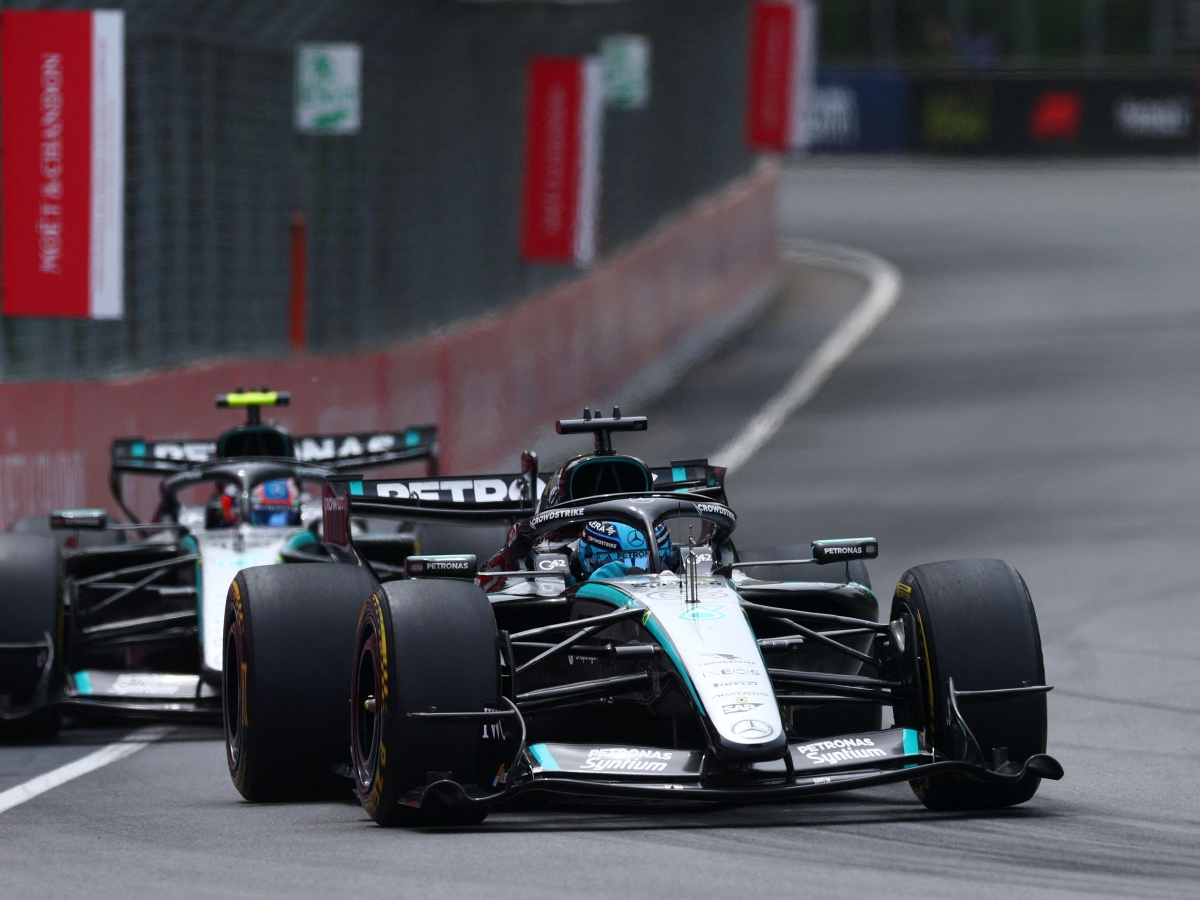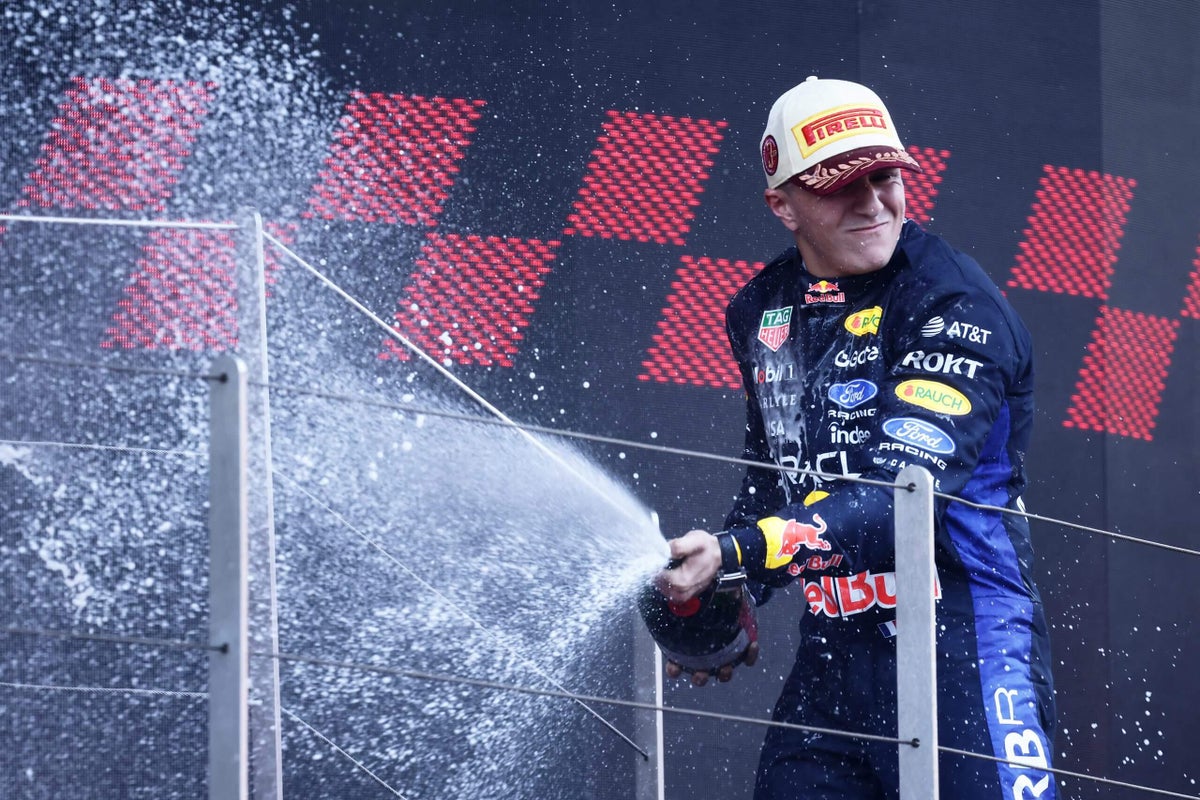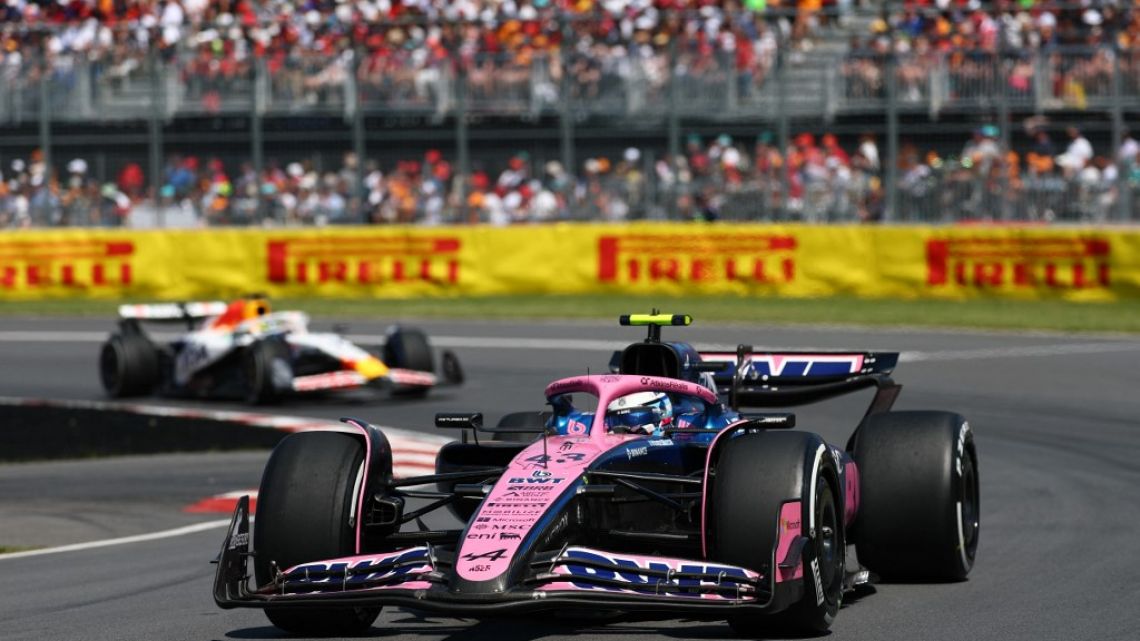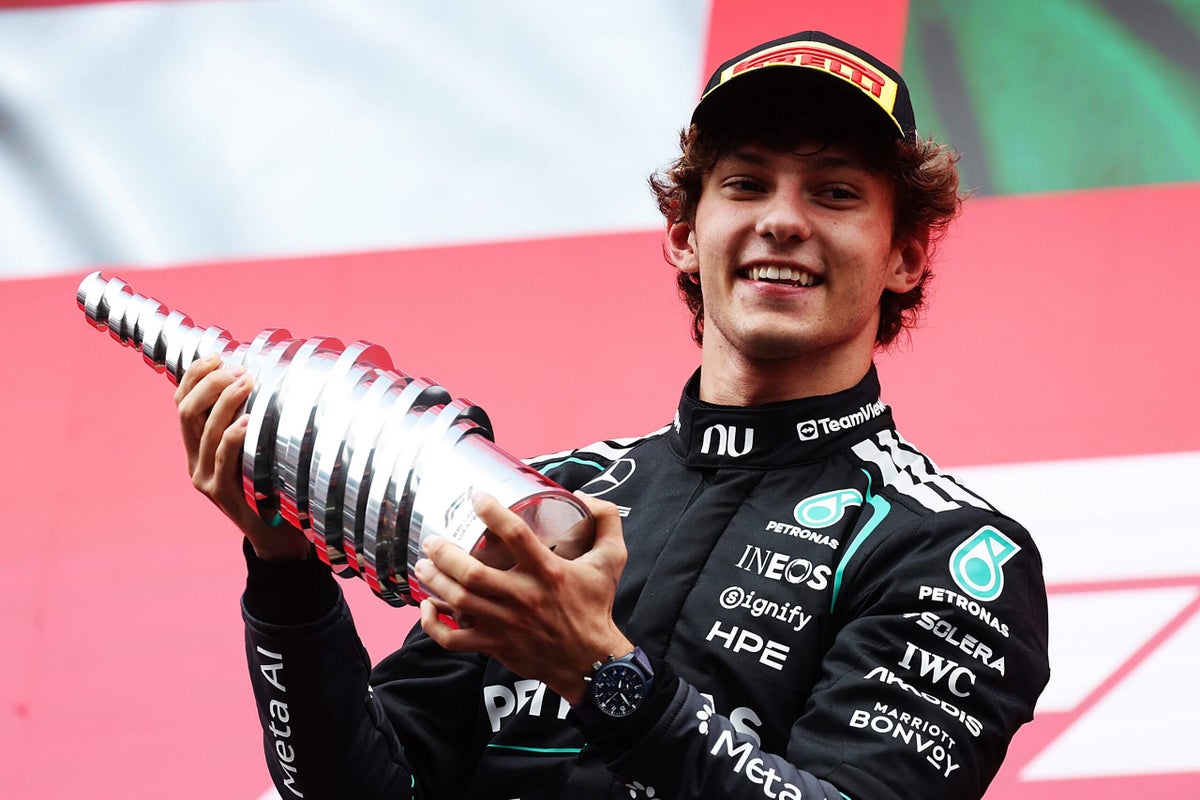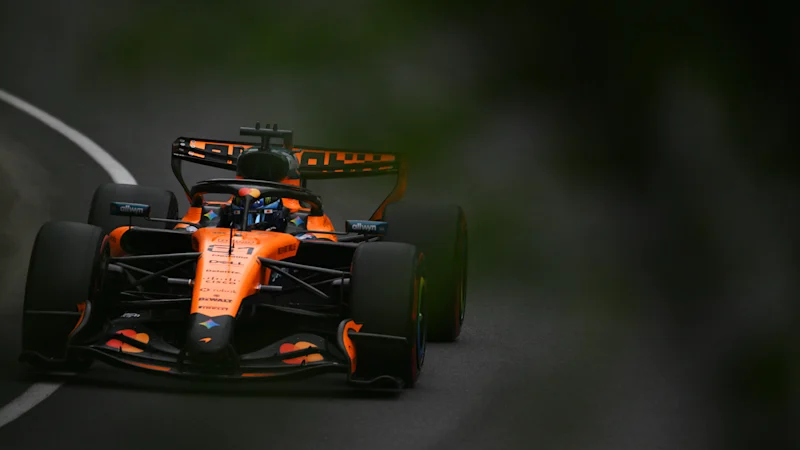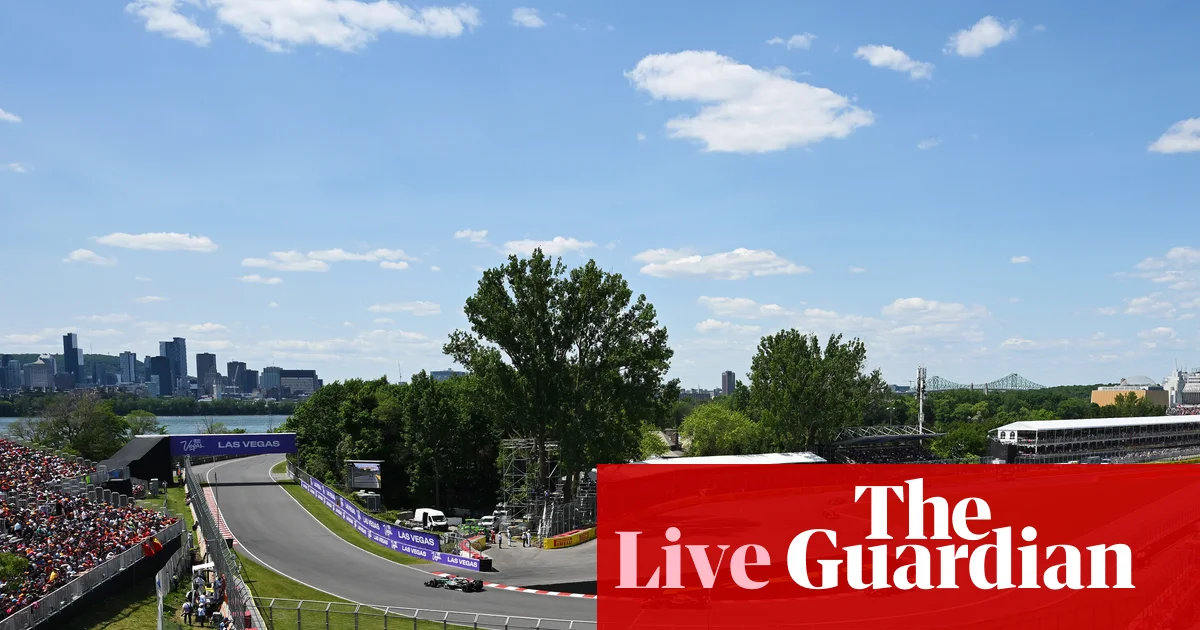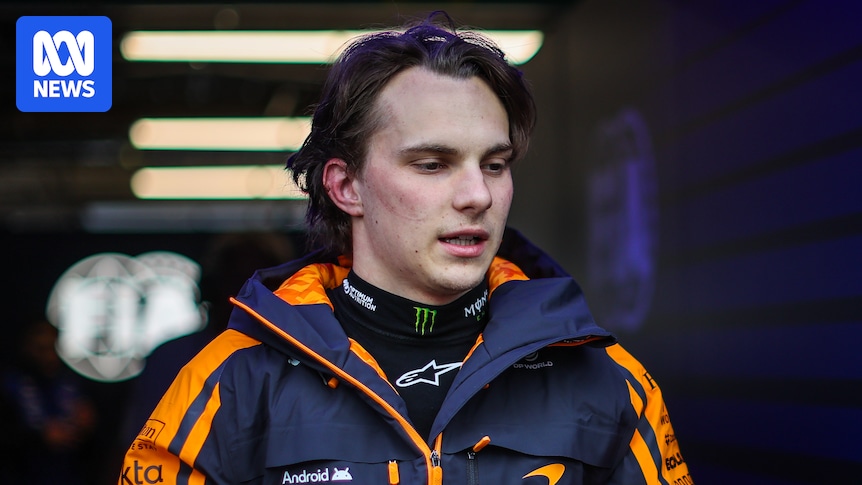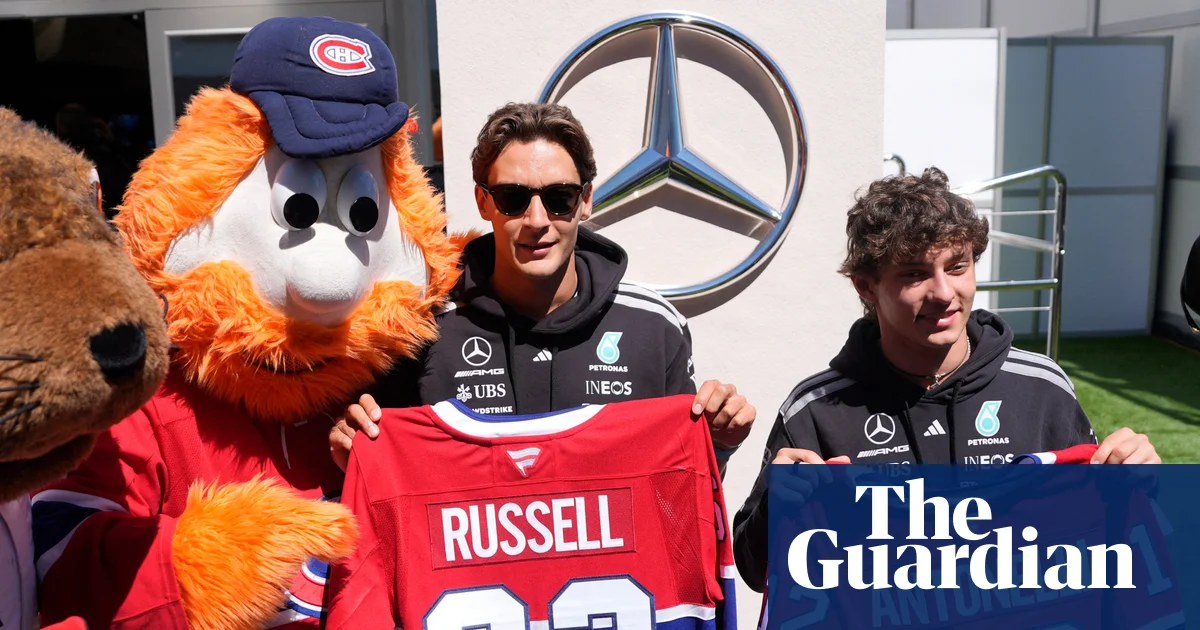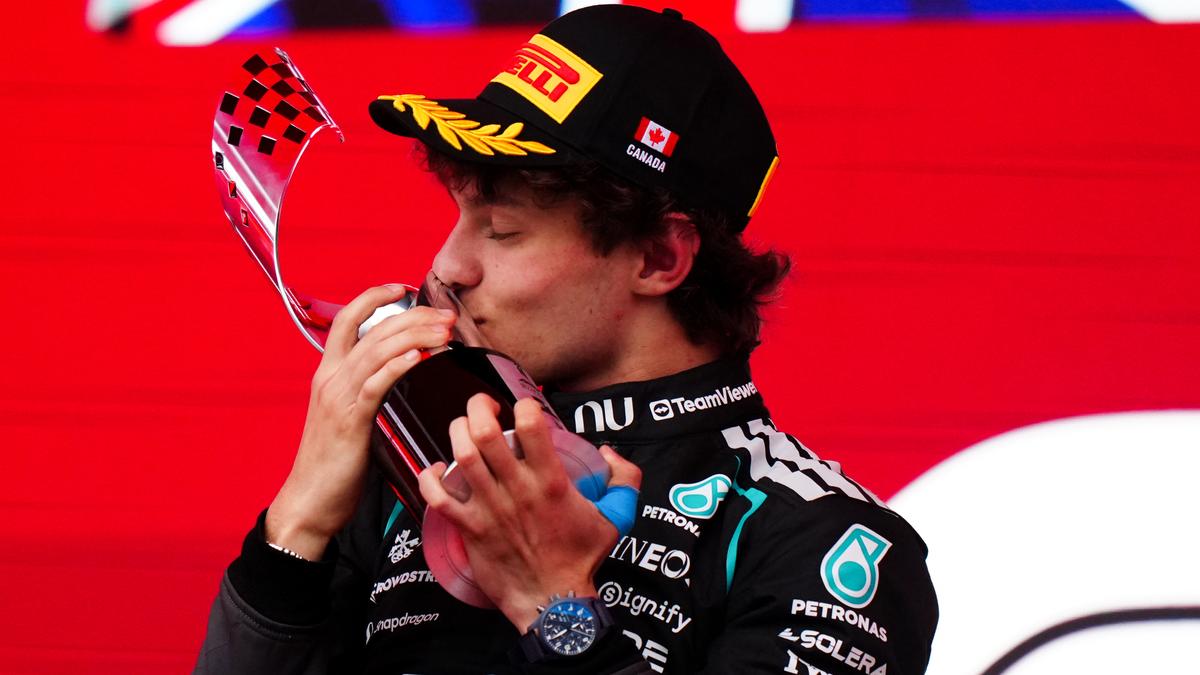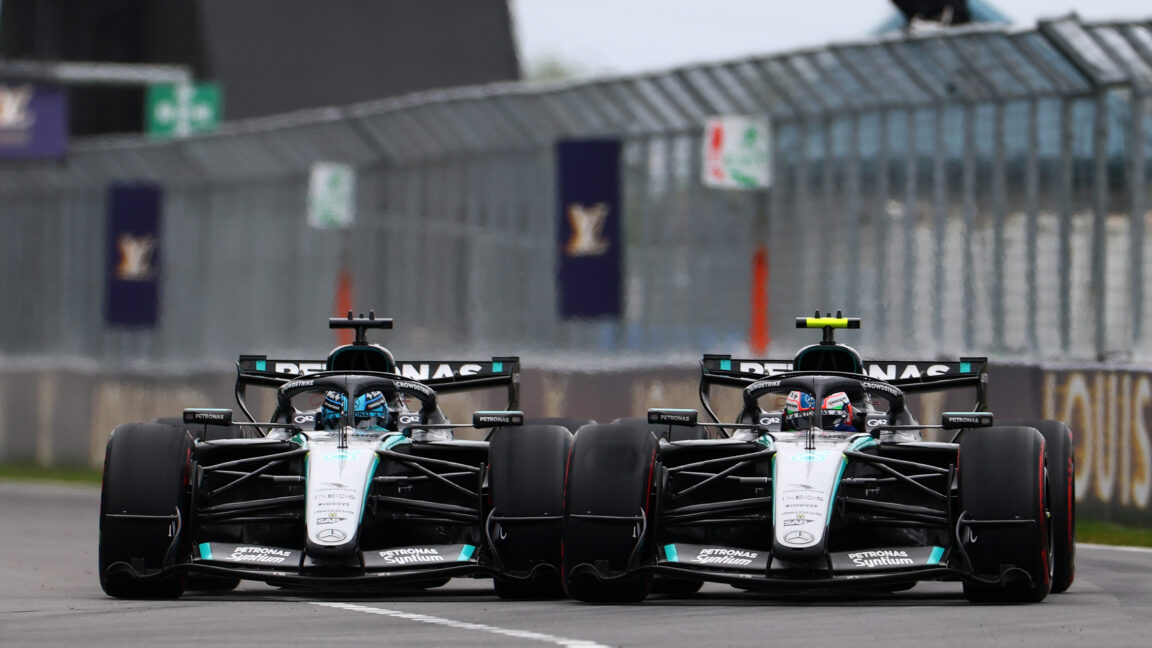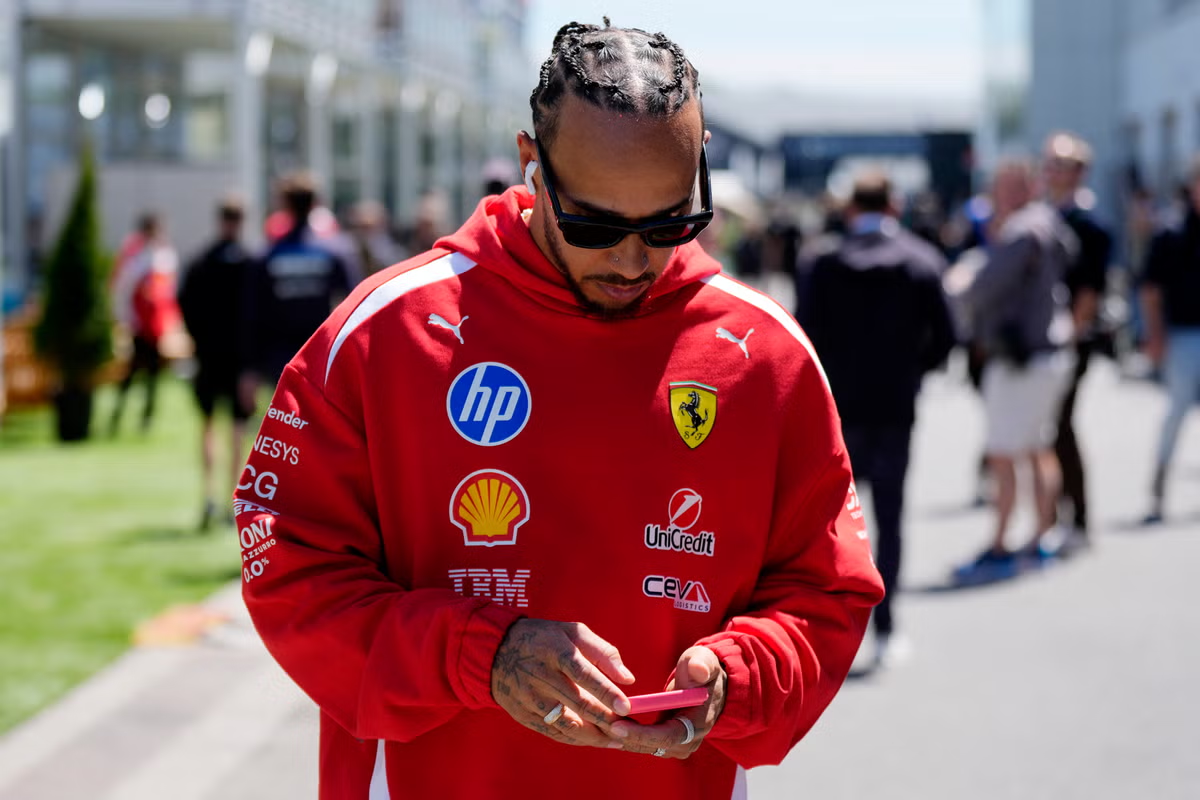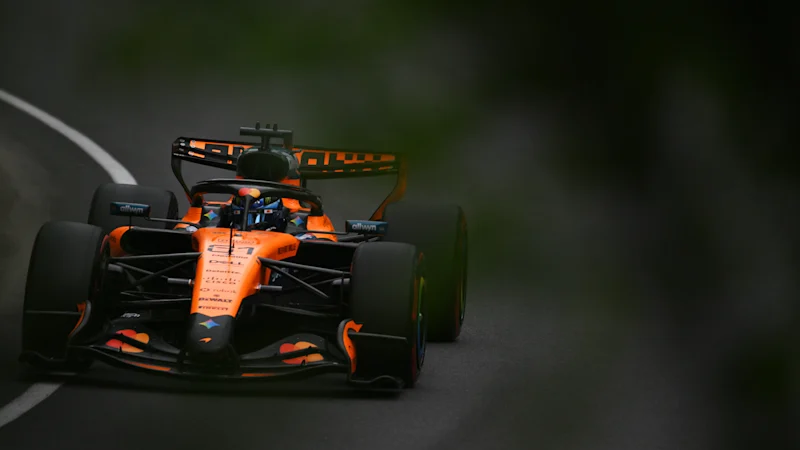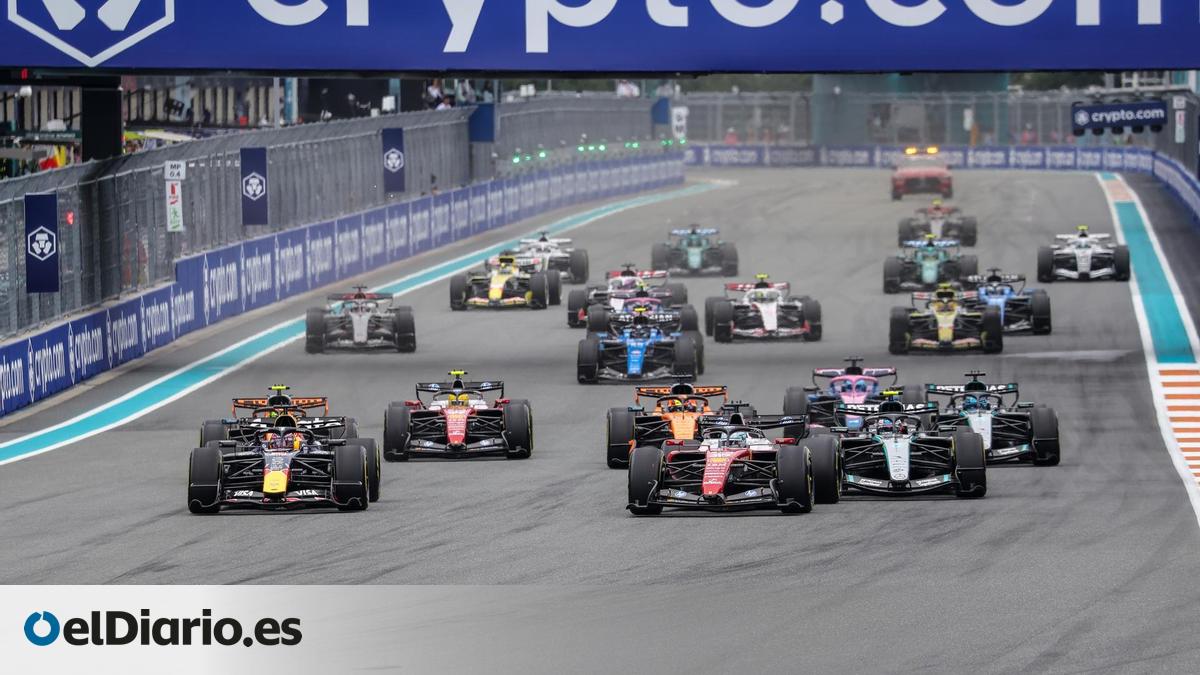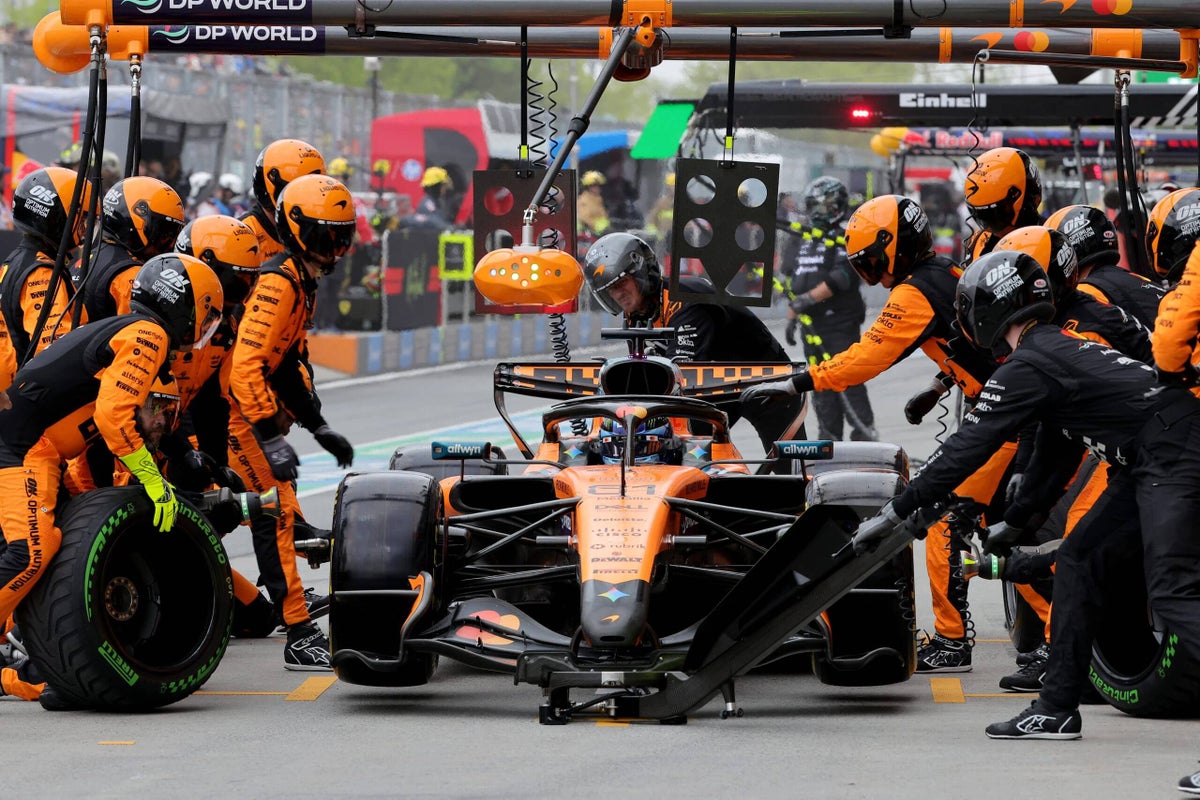
A gloomy, chilling atmosphere settled around Circuit Gilles Villeneuve in the hours leading up to the Canadian Grand Prix.Wind whipped through the island, carrying some sprinkles of rain with it. The temperature was in the 50s Fahrenheit (around 13 degrees Celsius). Open-sided canopies initially littered the grid before the cars arrived, though some, like Cadillac, took them down once the cars lined up in their respective grid spots.It felt ominous, as if a chaotic race was in store for Formula 1.Only 16 out of the 22 drivers finished the race, and everyone outside of the top four finished a lap or more down.Kimi Antonelli secured his fourth consecutive victory after battling closely with teammate George Russell, whose race ended after he suffered an engine failure while leading the grand prix. Lewis Hamilton and Max Verstappen rounded out the podium after a tangle of their own, marking the Briton’s highest finish for Ferrari and the Dutchman’s first podium of the season.Meanwhile, McLaren endured a difficult day after being on the wrong side of a strategy gamble, and new issues arose for Aston Martin.We get into all of this and more in our fifth post-race mailbag of the season.Editor’s note: Questions have been lightly edited for clarity and brevity.There was previously a rule that prevented teams from telling drivers to pit on the formation lap (Haas was penalized in Hungary 2020). Does that still exist? Is that why McLaren couldn’t/didn’t tell the drivers to pit at the end of one of the various formation laps? — Richard T.What was McLaren thinking starting on the inters? — Momy B.Technically, the rule itself does exist, though renumbered in the sporting regulations — “The driver must drive the F1 Car alone and unaided.” Back in 2020, it was regarding limiting radio communications during the formation lap, based on a technical directive from three years earlier.During the formation lap of the 2020 Hungarian GP, Haas ordered Kevin Magnussen and Romain Grosjean to pit and swap for slick tires. Magnussen had initially agreed to the call from the team, while Grosjean only indicated over the radio he was “tempted” to pit before the decision came over the radio. The penalty, though, did raise concerns about whether it intruded on normal race strategy.The pit stop itself is legal. Take the 2025 British Grand Prix, for example, when several drivers, such as Charles Leclerc and Russell, pitted for slick tires on the formation lap.There were radio communications about the tires between Oscar Piastri and his race engineer, with the Australian driver at one point saying during the extra formation laps, “I think it is time for slicks — should we just box?” A response wasn’t aired, if there was one. Later, on the final formation lap, Piastri went so far as to call the intermediate tires a mistake after his race engineer told him others would be on colder tires.McLaren could have pitted and started from the pits before fighting through the field. But it didn’t. The team did have a lot to lose if it did so, after Norris qualified third and Piastri fourth.There’s an argument that it made the right initial call. But it’s peculiar that McLaren stuck with its decision as the extra formation laps unfolded while Arvid Lindblad’s car was rolled off the grid.The thing about Sunday’s race in Montreal was that it had rained leading up to the race, and as the cars came to the grid. McLaren chose intermediate tires because the track was greasy from the rain at the time, and there was still rain when it needed to make the call. Plus, teams needed to factor in tire temperature when selecting their starting tires and the difficulty of keeping them warm, given the track temperature.What ended up hurting McLaren was the extra formation laps. The rain ended, and the track dried. Lando Norris may have taken the lead, which showed a possible upside to the strategy gamble given the grip levels.“In hindsight, we were penalized by the decision,” team principal Andrea Stella said post-race, “but at the time that the decision needed to be made. I think the conditions existed to fit an intermediate tire.”What in the world is going on at Aston Martin? — John S.Aston Martin hasn’t been able to catch a break this season. It looked like Fernando Alonso had a chance at scoring points on Sunday, at least when analyzing the early stages of the race. The Spaniard started 19th and navigated his way up to the top 10. But the Aston Martin didn’t have the pace to keep up the performance.Alonso eventually retired due to an issue with his seat, which chief trackside officer Mike Krack described in the team’s post-race report as making “things uncomfortable in the cockpit.” He only completed 23 laps.The seat reportedly wasn’t a new problem. Given the limited track time that the Aston Martin had this season, for various reasons like the vibration issues, it’s possible it only became more uncomfortable now because of consistent running.Aston Martin endured another trying weekend in Montreal (Rudy Carezzevoli/Getty Images)I’m new to the sport. When the radio told Kimi to give the lead back to George, was that coming from the team or from F1? — april A.First off, welcome to the sport, April. Speaking from my own experiences, F1 can be a lot to digest when you’re first watching the races, given how technically complex it is. Please feel free to send us any questions you may have!The radio messages that fans hear on the broadcast are only between the driver and the team. More often than not, when teams tell the drivers to give a place back to another driver, it’s to avoid a potential time penalty from the FIA stewards for matters like allegedly leaving the track and gaining an advantage, for example.A team radio is multi-faceted for those on the pit wall or in the garage, allowing them to communicate with each other at the track and those working in the factories. The race engineers can then speak with the drivers via the team radio and convey the pertinent information. The way this used to be communicated, like what position the driver was running in, was via a pit board that would be held through the fence and over the track.Is it a problem for F1 that only two cars actually had a chance to win the Canadian GP? No one was beating Mercedes short of a mechanical error or severe driver error. — Amy P.Great question, Amy.What makes F1 unique is that it is an open series, meaning each constructor/team needs to design and engineer its own aerodynamics and chassis. There aren’t standardized, identical components like you see more often in IndyCar and NASCAR. In F1, certain parts can be purchased from manufacturers, such as how Cadillac and Haas use a Ferrari engine, but there’s a substantial amount of individuality in F1.This opens the door to periods of sheer dominance. Mercedes tends to excel at the start of new engine regulation sets. It won eight constructor titles in a row during the V6 hybrid-turbo era, which began in 2014. The regulations are clear, but each team looks for any competitive, legal advantage over its competitors.There are mechanisms in place that can help engine manufacturers, though. Fans may have heard or read about ADUO recently, also known as Additional Development and Upgrade Opportunities. It’s for the non-electrical part of the current F1 engine, the internal combustion engine. Performance is monitored over specific periods, and if it’s 2 per cent or more behind the leading-performing engine, the manufacturers are allowed a certain number of homologation upgrades. This essentially allows an engine manufacturer to make changes to the ICE, which would otherwise be frozen in development.Needless to say, it’s too early to call it “a problem” given that we’re only five races into a new regulation cycle, and the first ADUO period just ended. Mercedes nailed its engine, but it’ll be on the others to close the gap.
F1 mailbag: Does F1 have a competition problem? Why did McLaren make that tire mistake?
Readers sound off on the latest Formula 1 race in our weekly mailbag.
1,335 words~6 min read