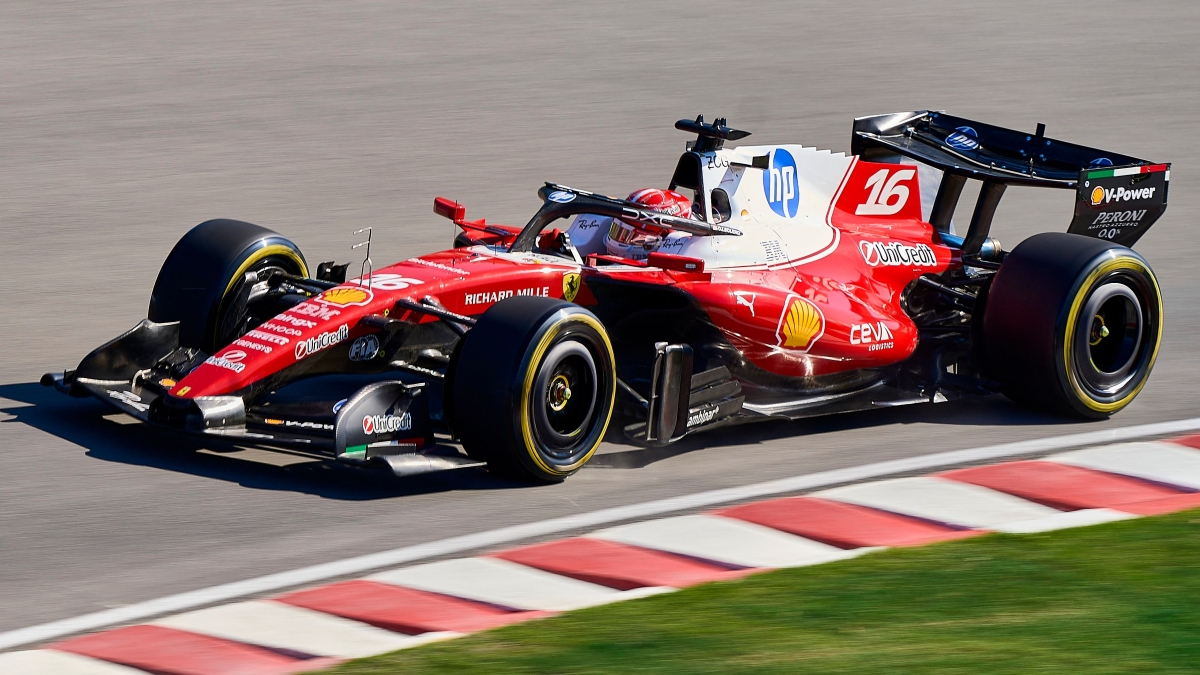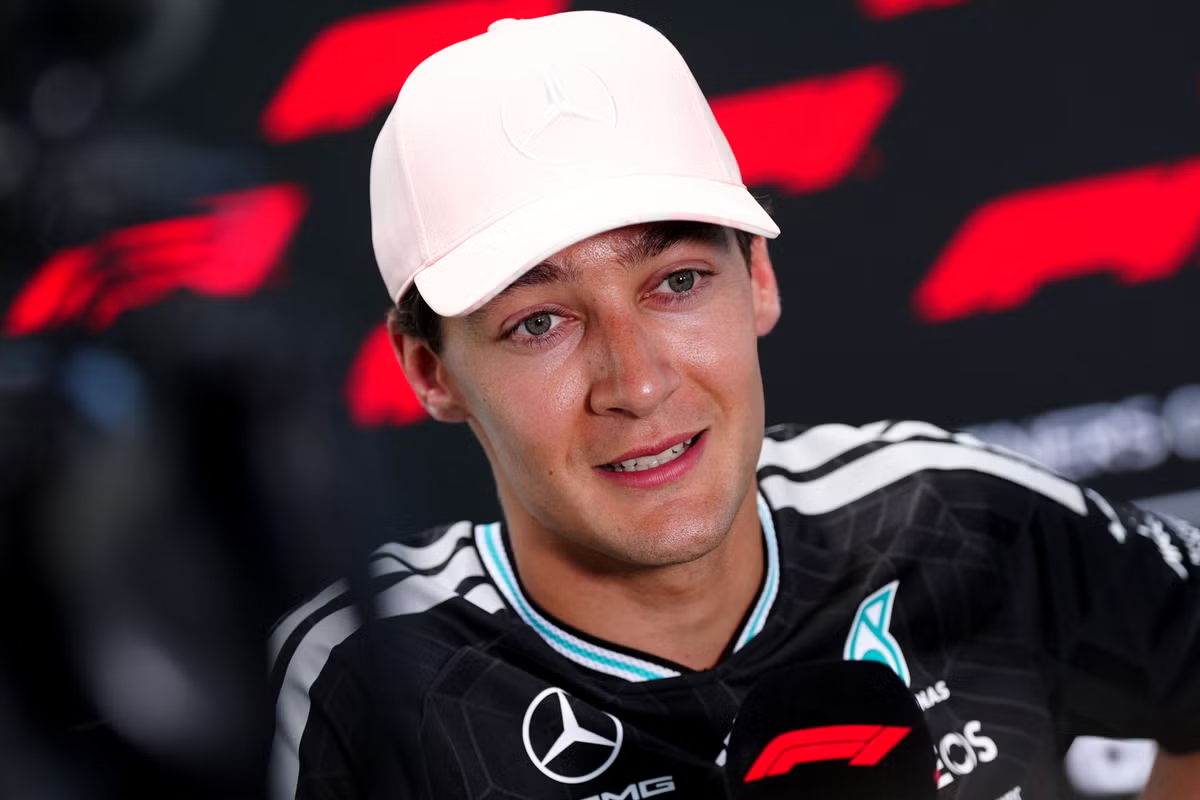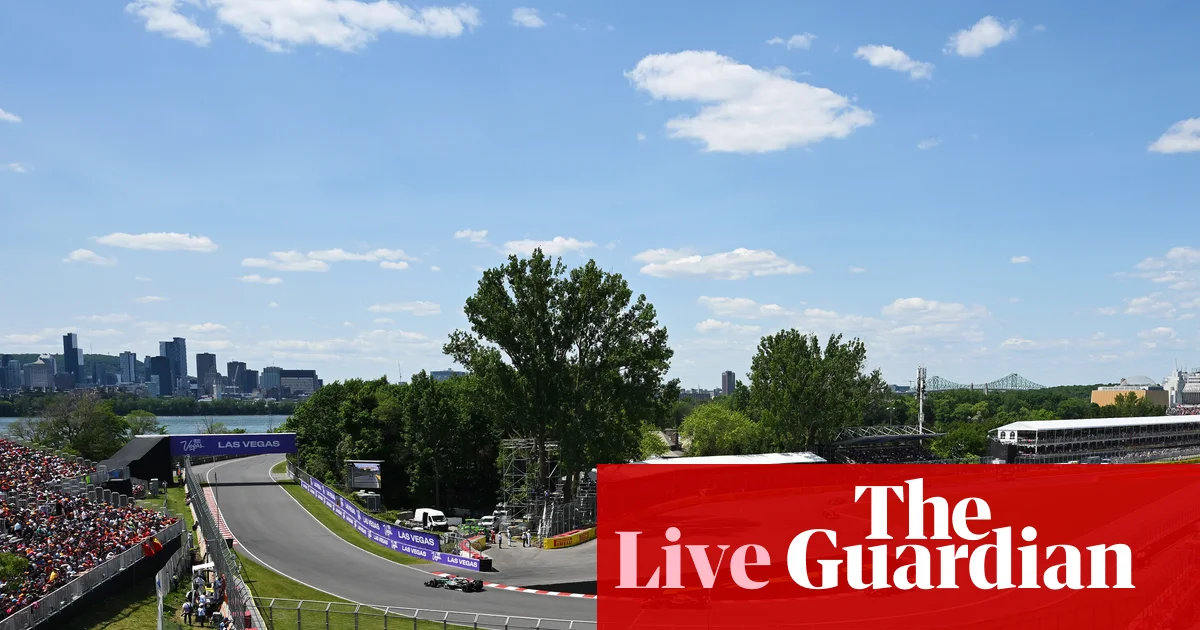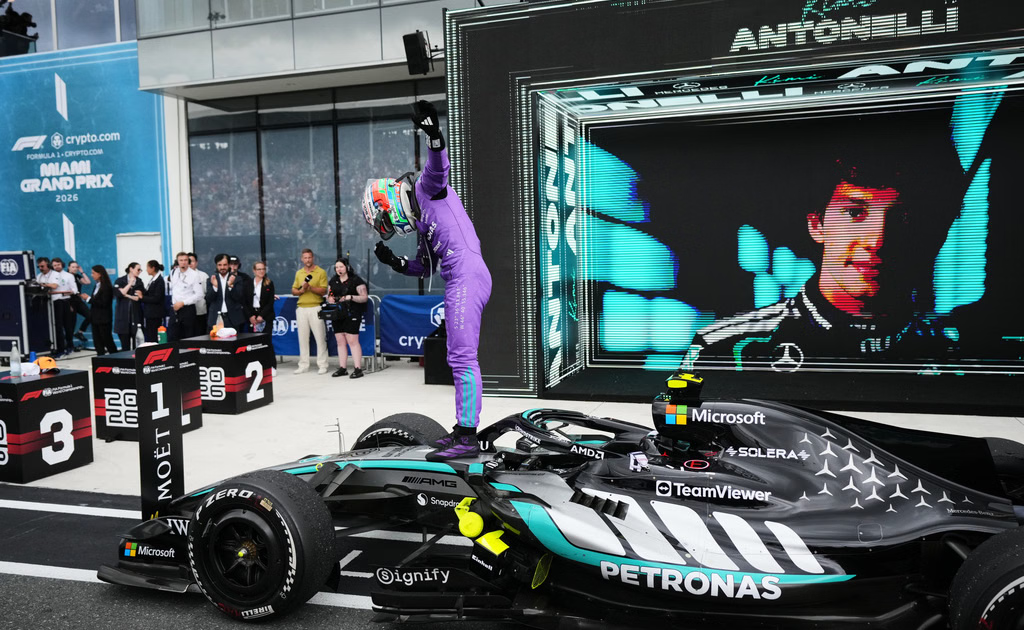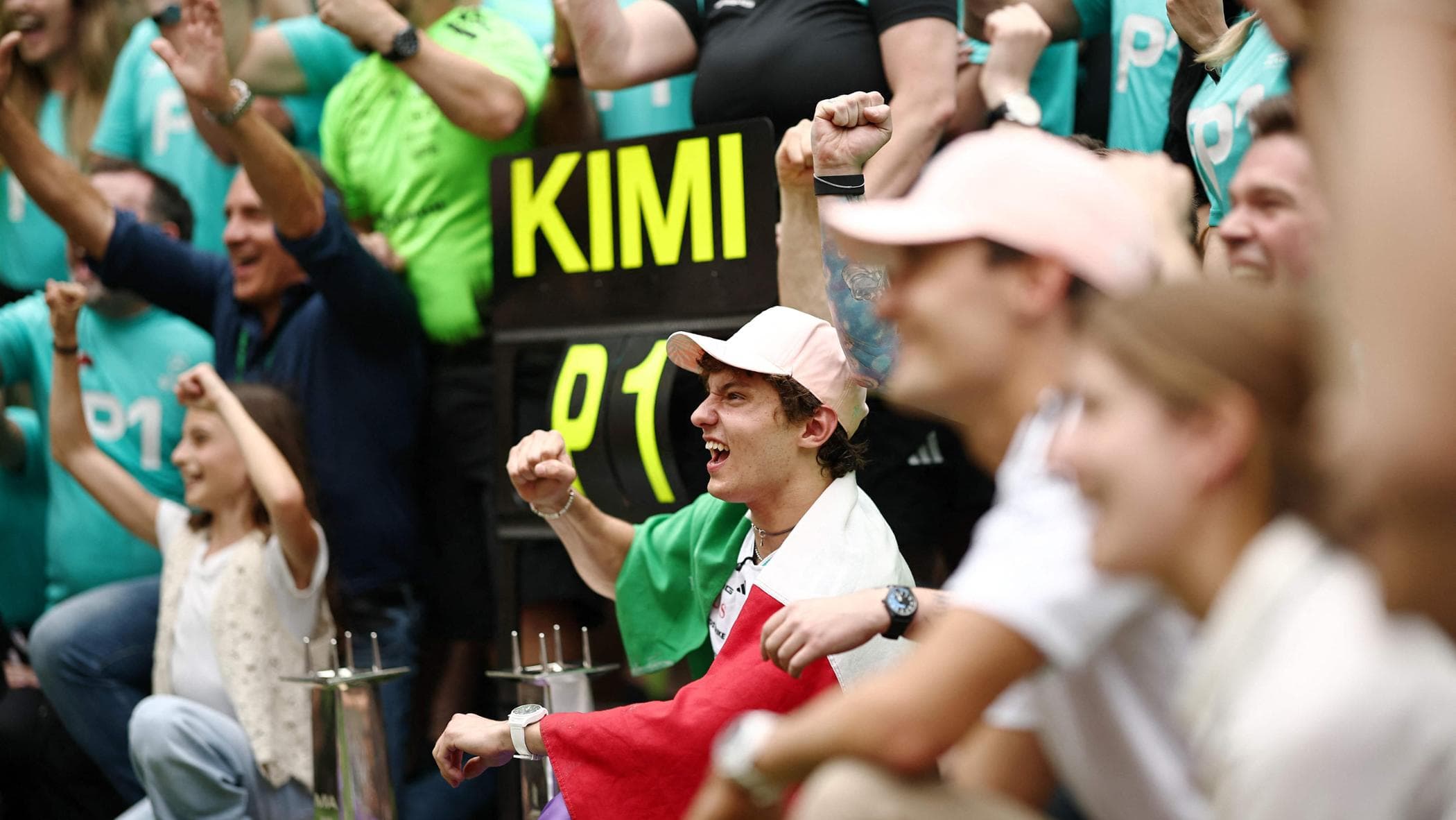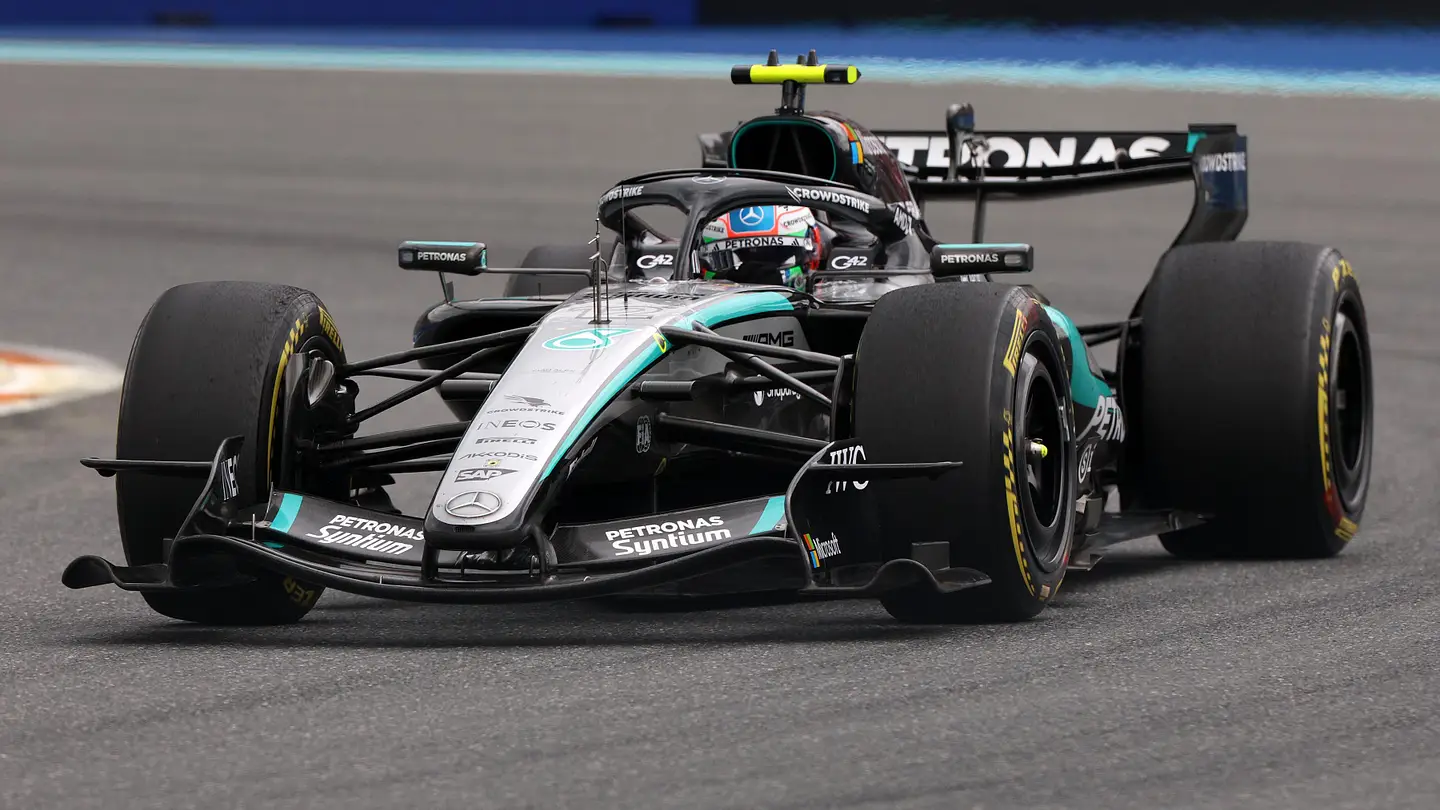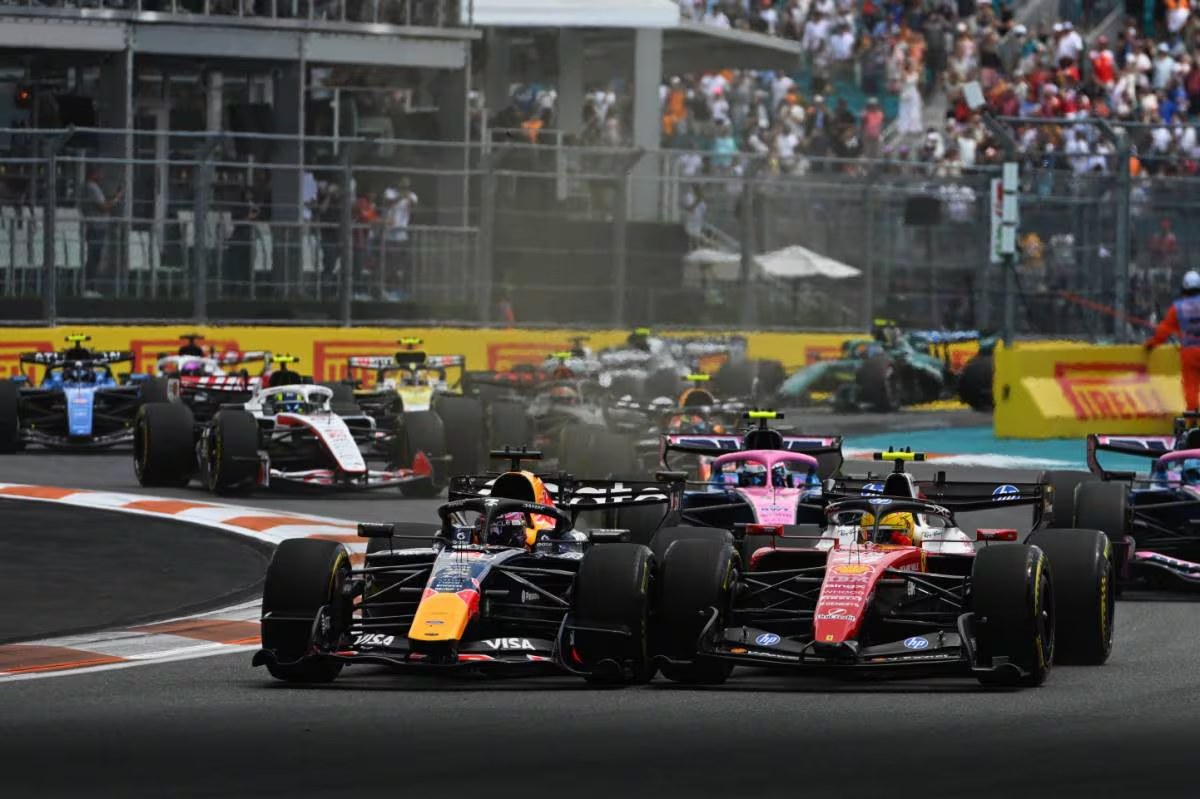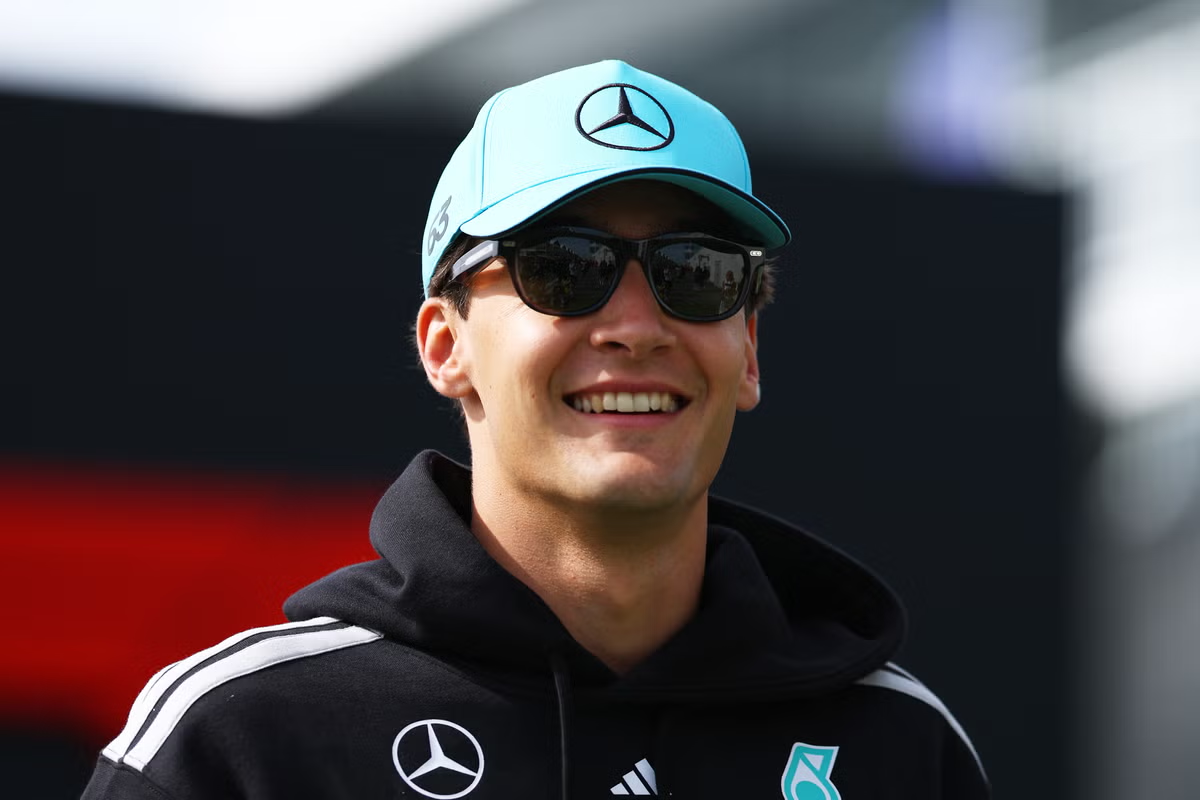
Four races into what has been a disjointed opening to the Formula One season, the sport is still in a period of rapid adaptation and adjustment as drivers and teams come to grips with their new cars. While this weekend’s Canadian Grand Prix may offer some indication of the form to come and championship ambitions, it is also something of an outlier.The focus in Montreal will be of two-fold interest centred largely on Mercedes. The team have opened the new season with a dominant car that has claimed all four poles and all four wins. Yet with the new regulations offering enormous scope for improvement, a fierce development fight will define 2026. McLaren, Red Bull and Ferrari all brought their first major upgrades to the last round in Miami; Mercedes bring their opening salvo of major parts to Quebec.In Florida, Red Bull and, particularly, McLaren made a major step forward. The latter bring another tranche of upgrades to Canada, most importantly a new front wing, the schwerpunkt of the aerodynamic battle. The McLaren team principal, Andrea Stella, estimated Mercedes to still have about a 10th of a second on McLaren in Miami but, with all the new carbon fibre in place, some sense of the revised pecking order will be on show at the Circuit Gilles Villeneuve.Certainly, should Mercedes have made the same advances that their rivals did in Miami, they will retain the whip hand – and with it the intensity of the title fight between their drivers, Kimi Antonelli and George Russell, will surely ratchet up.The 19-year-old Antonelli, in only his second season in F1, has been enormously impressive, having won the last three races in a row to lead the world championship by 20 points from his far more experienced teammate. Russell, the pre‑season favourite, who could manage only fourth in Miami, unsurprisingly had to bat away inquiries in Canada as to whether he was starting to feel the pressure.“It’s been a turbulent start but the truth is Miami felt like the first tough race of the season,” he said. “It’s still so early days and I know how to deal with it. It’s not the first time in my career that I’ve had a bad race or two but in this sport it does change so quickly: one week you have a tough race and the next week you come back and everything goes back to normal.”Russell enjoys Canada – he has taken pole at the last two meetings and won last year – but while he rightly notes there is still an awfully long way to go with 17 meetings to follow, he knows reasserting himself over his precociously talented teammate would be more than welcome.George Russell has taken pole two years running and won the Canadian grand prix last year. Photograph: Bradley Collyer/PAHowever, the meeting in Montreal is anything but clearcut for drivers or teams. It is a sprint weekend, so time to assess and adjust around upgrades is extremely limited with only one practice session. The circuit itself is marked by the absence of high‑speed corners, where aerodynamic developments are enjoyed to their maximum effect.The track’s long straights are interrupted by short, stop-start chicanes and the two hairpins at each end. It is a superb, technical challenge for drivers who relish the test but not one towards which car design is optimised.It is similar in that sense to the low-speed Monaco circuit that follows and it may well be that the real impact of this week’s developments are not felt until the Barcelona-Catalunya race in June.Bringing the Canada meeting forward by three weeks in the calendar to sit adjacent to Miami rather than between European races has likely complicated matters even further for teams. The temperatures are lower than usual – potentially down to 11C on Sunday – which will be a factor, especially in how the cars work their tyres.Rain is also forecast and if it does arrive it will be the first competitive session these new cars have run in the wet. With them high on power and lower on downforce and grip than recent models, it would be something of a rude awakening, with Pierre Gasly, who has just completed a two-day wet tyre test at Magny Cours, warning that his fellow drivers would be “shocked”.“I’m glad I’ve done these two days. You guys? Yeah, it’s going to be interesting for you guys,” he said at a press conference on Thursday. It is an intriguing prospect on every level, then, as the new formula shakes out on the Île Notre-Dame.Off-track too the new regulations remain under scrutiny, as crunch talks take place behind the scenes in Montreal in an attempt to find agreement to change the engine regulations. The intent to do so had recently been accepted in principle, changing the power balance in the cars from 50-50 combustion and electric to 60-40 to address driver dissatisfaction at the volume of energy management.The proposed change was welcomed by Max Verstappen, who had been so unhappy that the four-times world champion had warned he might leave the sport. In Montreal he said it was a positive move but “the minimum I was hoping for”.However, it is understood there is now a split between manufacturers who wish to implement the change for 2027 and those who want to put it off until 2028, which may not satisfy Verstappen or many other drivers.
Dominant Mercedes aim to strike a fresh technical blow at Canadian Grand Prix
Upgrades for the grid’s leading team will be unveiled in Montreal, where wet weather could also play a part
900 words~4 min read