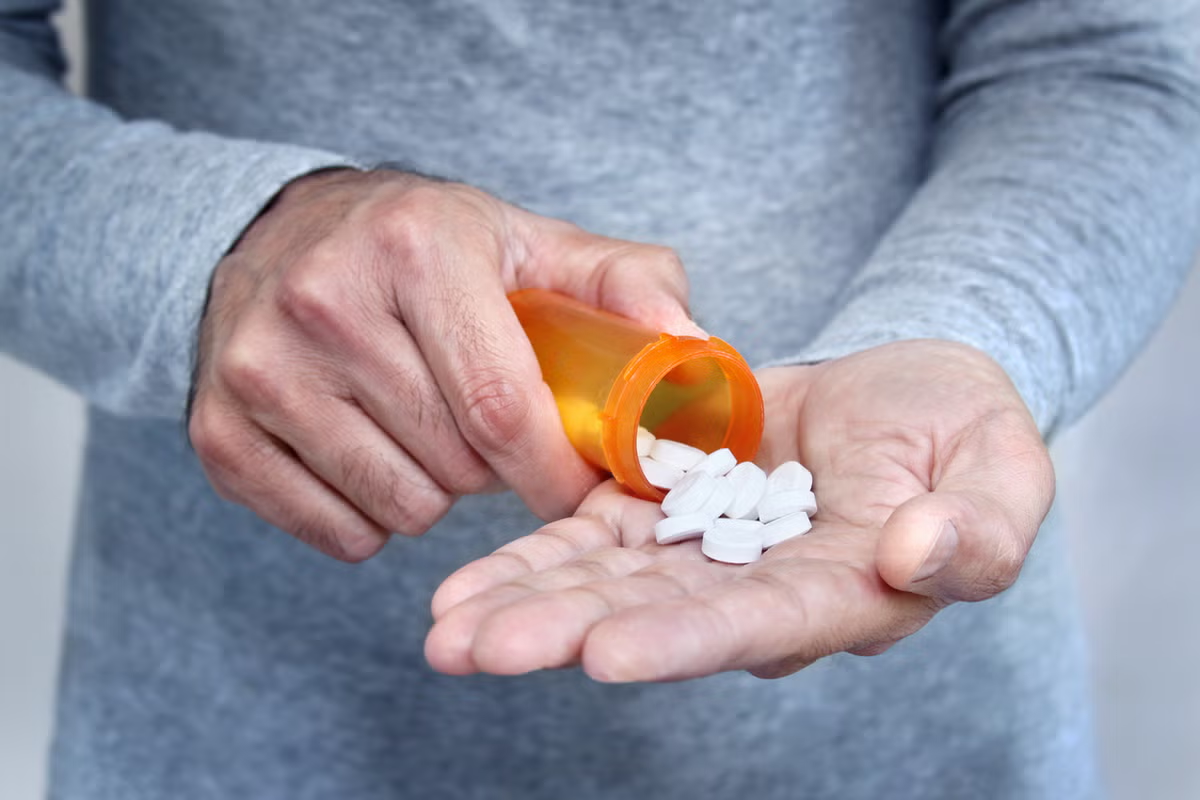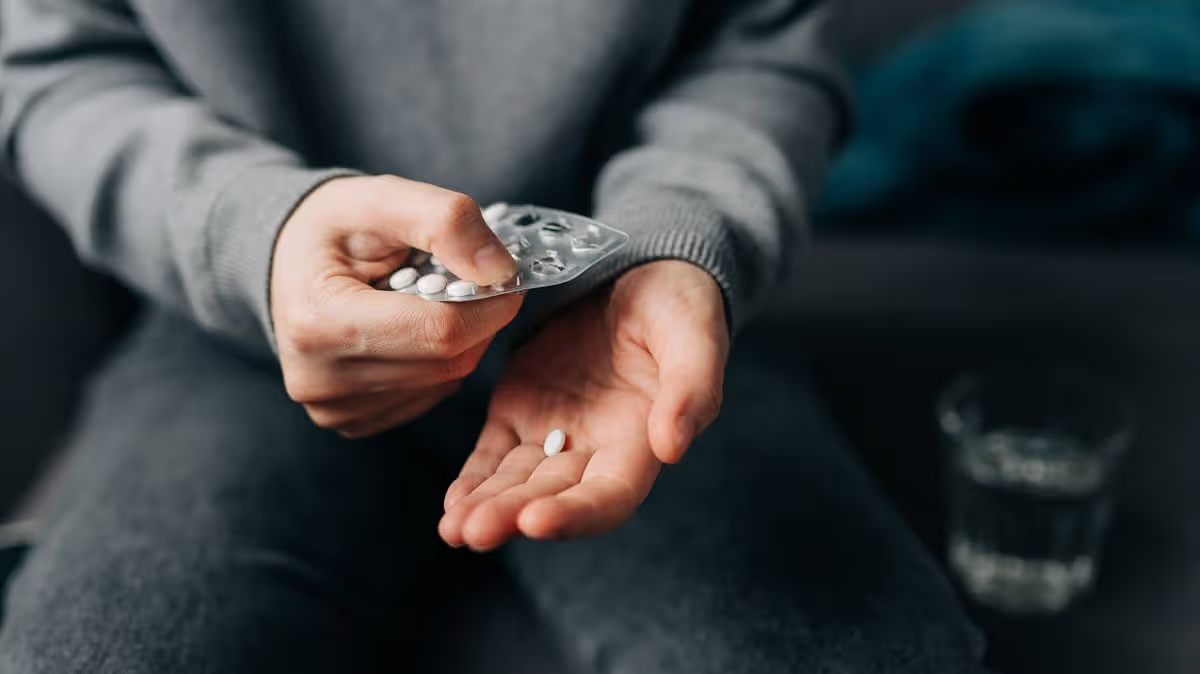
LifestyleHealthHeatwaveThe NHS has provided a comprehensive list of medications that can potentially prove harmful during periods of excess heat as temperatures across the UK continue to soar09:49, 27 May 2026Updated 09:49, 27 May 2026With large parts of the UK continuing to bask in extraordinary high temperatures for May, the NHS has shared a list of medications that can increase your risk of becoming unwell during the heatwave. While it may not be possible for you to stop taking a medicine, reducing the dose could be an option - but always seek advice from a pharmacist, your GP or nurse prior to making any changes.According to the NHS, there are several types of medication that can affect your body's ability to adapt to the heat - with some affecting sweat production and hydration, and others causing increased body temperature, sleepiness and even organ damage through dehydration.It follows advice from the Medicines and Healthcare products Regulatory Agency (MHRA) and Well Pharmacy UK yesterday (May 26), which both urged UK residents to be mindful of where medication is stored during the heatwave. Antibiotics, diuretics, and antidepressants can become less effective when left in the heat, and can even make you more skin more sensitive and increase the likelihood of burning.Below are examples of medicines that can affect your body’s ability to adapt to heat.Medicines that affect sweat productionSweating is our body's way of cooling by offloading excess body heat. However, the NHS advises that these medicines that can affect the body’s ability to produce sweat include:Beta blockers such as metoprolol or bisoprolol which are used for certain heart conditions and for treating high blood pressure.Decongestants such as pseudoephedrine, an active ingredient in cold medications that are available from shops and supermarkets.Anticholinergic medicines, which include some shop-bought allergy medications such as diphenhydramine, shop-bought sleeping pills, medicines used to treat urinary incontinence such as oxybutynin, and some antidepressants such as amitriptyline or nortriptyline.Medicines that can make you dehydratedWe get dehydrated when our body lacks enough fluid on board to function normally, and severe dehydration requires urgent medical attention. Medicines that can increase the risk of dehydration include:Diuretics (sometimes known as water tablets) such as hydrochlorothiazide and furosemide, laxatives, or some diabetes medicines such as canagliflozin or empagliflozin which increase the elimination of bodily fluids through wee or poo.Some antidepressants such as fluoxetine and venlafaxine cause excessive sweating, which can lead to dehydration.Content cannot be displayed without consentMedicines that can increase body temperatureThe NHS warns that some common forms of prescribed medication can affect the body's ability to regulate temperature, which can prove even more difficult during a heatwave. Medicines that can increase your body temperature include:Antipsychotic medications such as olanzapine or quetiapine.Stimulant medications for attention disorders such as methylphenidate.Medicines that can make you sleepyThere are some medicines that can make you drowsy and sleepy, therefore also affecting your concentration span and reaction time. With that in mind, you could risk failing to keep on top of your health during the heatwave by forgetting to keep cool and hydrated. These medicines include:Article continues belowAnti-anxiety medicines or medicines for insomnia such as benzodiazepines (lorazepam or oxazepam for example).Some nerve pain medications such as pregabalin and gabapentin.Opioid pain medications such as morphine and codeine.Medicines that can increase risk of organ damage via dehydrationTaking certain forms of medication while dehydrated can potentially decrease the blood flow to your internal organs. Medicines that can increase the risk of this occurring include:Anti-inflammatory medications such as ibuprofen or naproxen.Blood thinners used to prevent blood clots.Medications for high blood pressure.Various medications used to treat diabetes, including metformin.Lithium for bipolar disorder.Choose Daily Mirror as a 'Preferred Source' on Google News for quick access to the news you value.NHSHeatwaveMedicineWeather
NHS shares full list of medications that can make you unwell in heatwave
The NHS has provided a comprehensive list of medications that can potentially prove harmful during periods of excess heat as temperatures across the UK continue to soar
614 words~3 min read