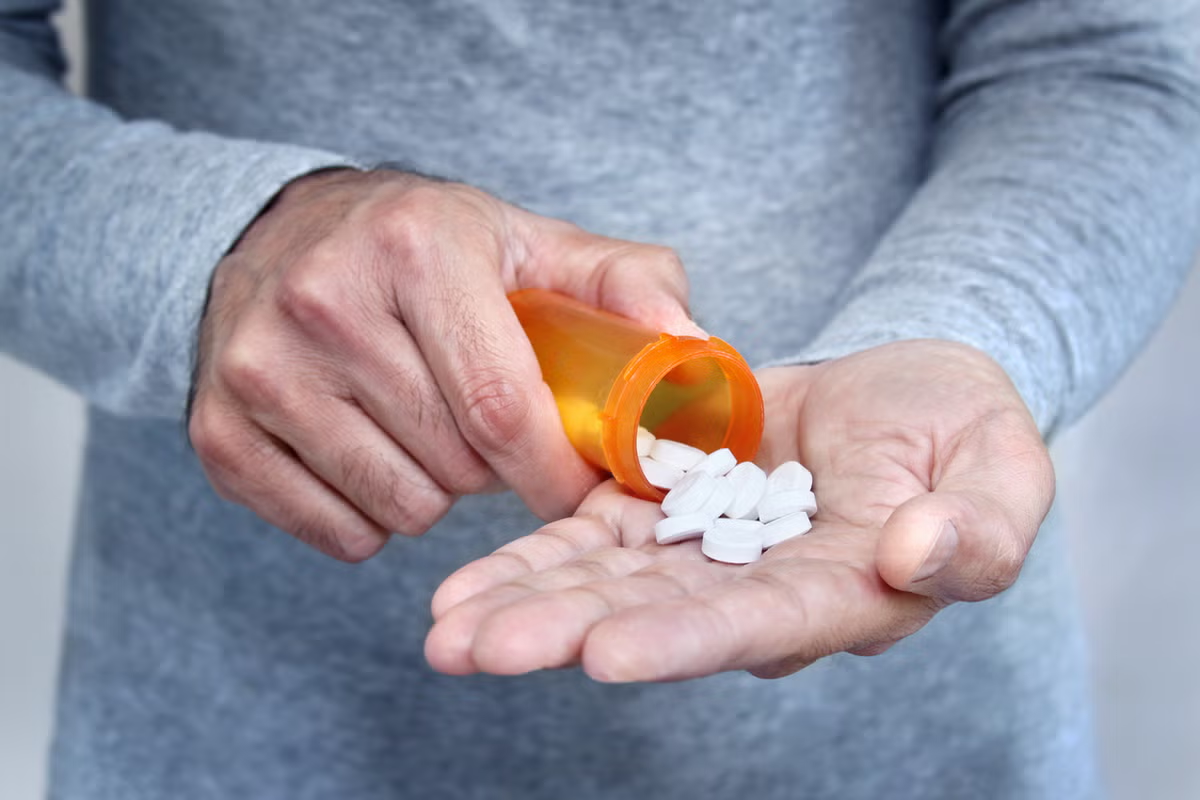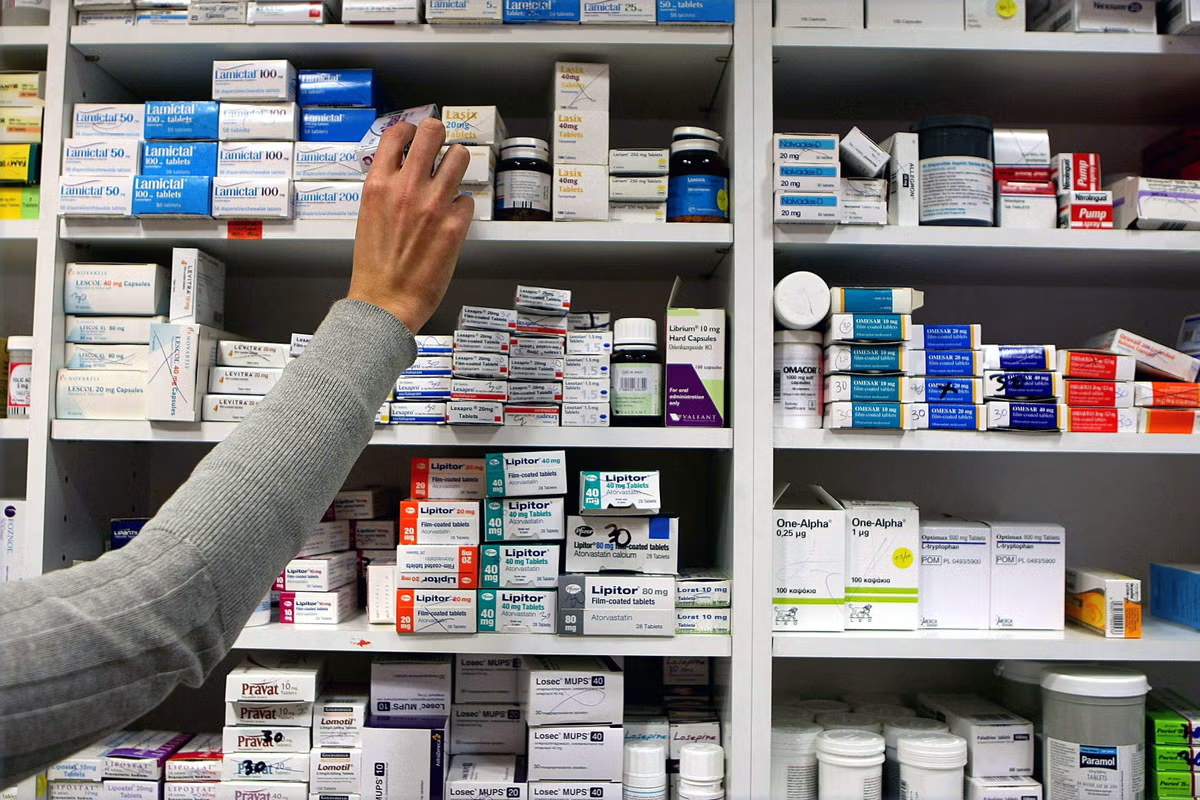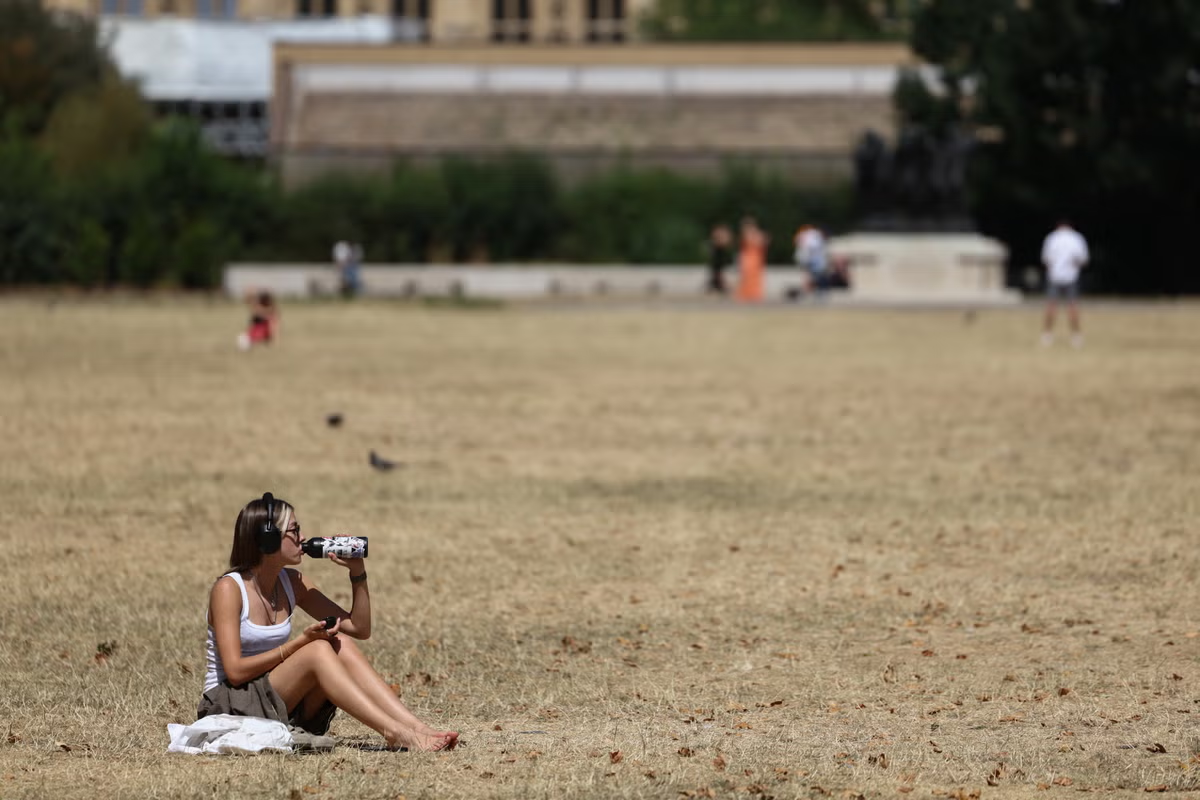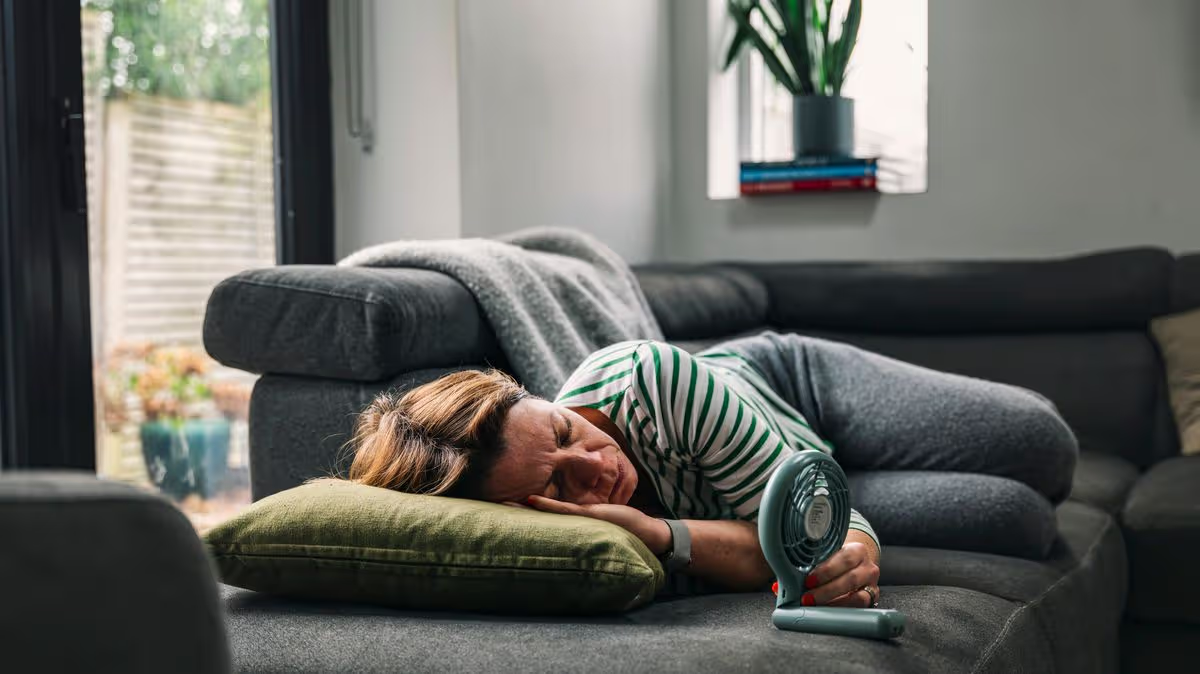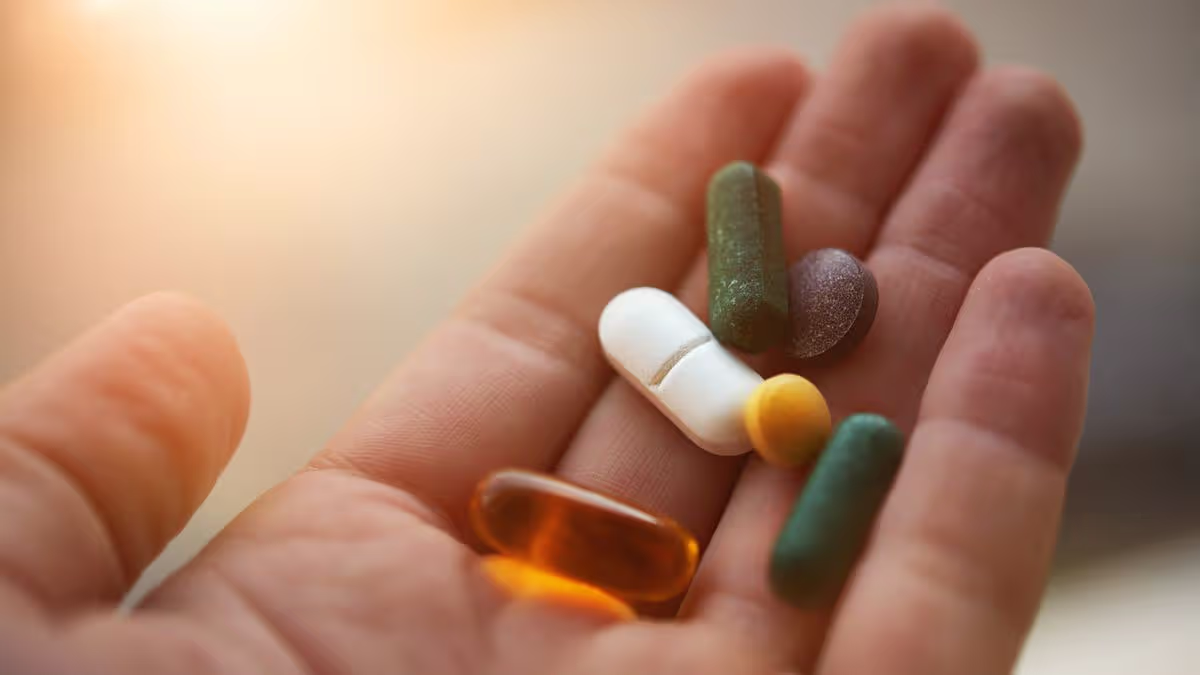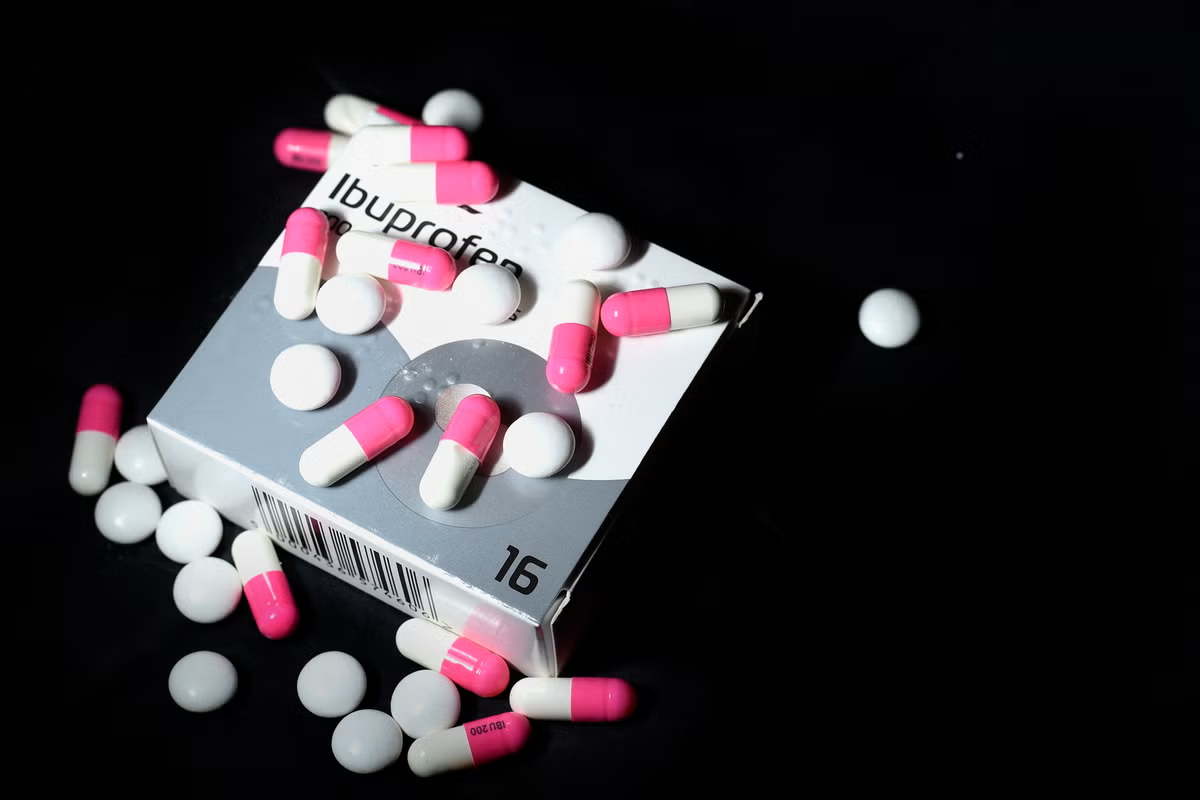
People taking common everyday medications including antidepressants, must store them properly during a heatwave to prevent them from losing their effectiveness15:27, 26 May 2026Updated 15:27, 26 May 2026With record-breaking temperatures baking Britain, dehydration isn't the only summer danger to watch out for. Health experts are urging anyone who is currently taking regular medication to be cautious, as extreme heat can render certain drugs ineffective, or even dangerous.When left in hot cars, direct sunlight or humid rooms, the active ingredients in medication degrade and become chemically unstable. The Medicines and Healthcare products Regulatory Agency (MHRA) warns that high temperatures can impact common everyday drugs. For example, paracetamol and ibuprofen can lose their potency and become useless, while aspirin can also break down into acids that severely irritate the stomach.READ MORE: 'Cool down fast' in a heatwave by putting item on one body partMost medication - including tablets, inhalers, EpiPens and hormone patches - must be stored below 25°C as active ingredients can break down in heat. Refrigerated medication such as insulin and liquid antibiotics, are even more vulnerable to heat.Certain prescriptions can also change how you handle the sun.Those who take Sertraline should be especially cautious. The antidepressant medicine used works by increasing serotonin levels (a chemical in the brain that controls mood), which can impair the body's ability to regulate its own temperature.Medication to treat asthma, heart disease or diabetes can make you more susceptible to dehydration, dizziness, and severe sunburnDr Asimah Hanif, a GP with Staysure, said heat can affect both the safety and effectiveness of a wide array of treatments.The expert told the Daily Mirror: "Some medicines most affected by heat include common ones such as antibiotics, asthma inhalers, antihistamines, antidepressants and blood pressure tablets. Alongside other medications such as insulin, hormone treatments, injectable medicines, and weight-loss jabs such as GLP-1 medications."High temperatures can alter the chemical stability of medications, meaning they may not work as intended or can become less effective over time. The difficulty is that heat damage is not always visible, so even if medication looks normal, it may still have been compromised by exposure to extreme temperatures."However, Dr Hanif also warned that heat can also affect the body's response to certain medicines, "with some increasing the risk of dehydration or making it harder for the body to regulate temperature properly."So to help prevent this, Dr Hanif urged that medications should always be stored according to the instructions on the packaging, usually in a cool, dry place away from direct sunlight.She added: "For travellers, particularly older adults or those managing long-term conditions, it is important to plan ahead and use insulated medication bags where needed. For temperature-sensitive medications, insulated travel pouches or cool packs can also help during heatwaves and travel. If medication changes colour, texture, or smell after exposure to heat, speak to a pharmacist before using it."Alison Cave, Chief Safety Officer at the MHRA, said: "Let's face it – when there's a heatwave, most of us are focused on getting outside and enjoying it while it lasts. But it's easy to forget that medicines left in the heat – in cars, bags, or on sunny windowsills – might not work properly when you need them."To stay safe in the heat, Alison suggested:Store medicines somewhere cool, dry and out of direct sunlight – especially if you’re out and aboutKnow the signs of heat-related illness – stay hydrated and listen to your bodyTake extra care in the sun if your medicine makes your skin more likely to burnThe UK is set for another very hot week with soaring temperatures likely to remain after the huge ‘historic’ heat dome descended on Britain, making it the hottest Bank Holiday ever.After the UK recorded its hottest ever May Day with temperatures climbing to 34.8°C in Kew Gardens, the record for the highest daily minimum for the month was set overnight as the temperature did not fall below 21.3°C at Kenley Airfield, south London.Article continues belowThe UK Health Security Agency has issued amber heat-health alerts for five regions of England, warning of increased pressure on health and social care services. It said the high temperatures could lead to a rise in deaths, particularly among people aged 65 and over or those with underlying health conditions.Things will get a little cooler soon, but the heat is going nowhere fast. Temperatures will start to gradually decline from the middle of the week but it will still be largely dry with sunny spells. However, many will still experience temperatures in the high 20°C.
Common painkillers and prescription medication that fail in extreme heat
People taking common everyday medications including antidepressants, must store them properly during a heatwave to prevent them from losing their effectiveness
751 words~3 min read