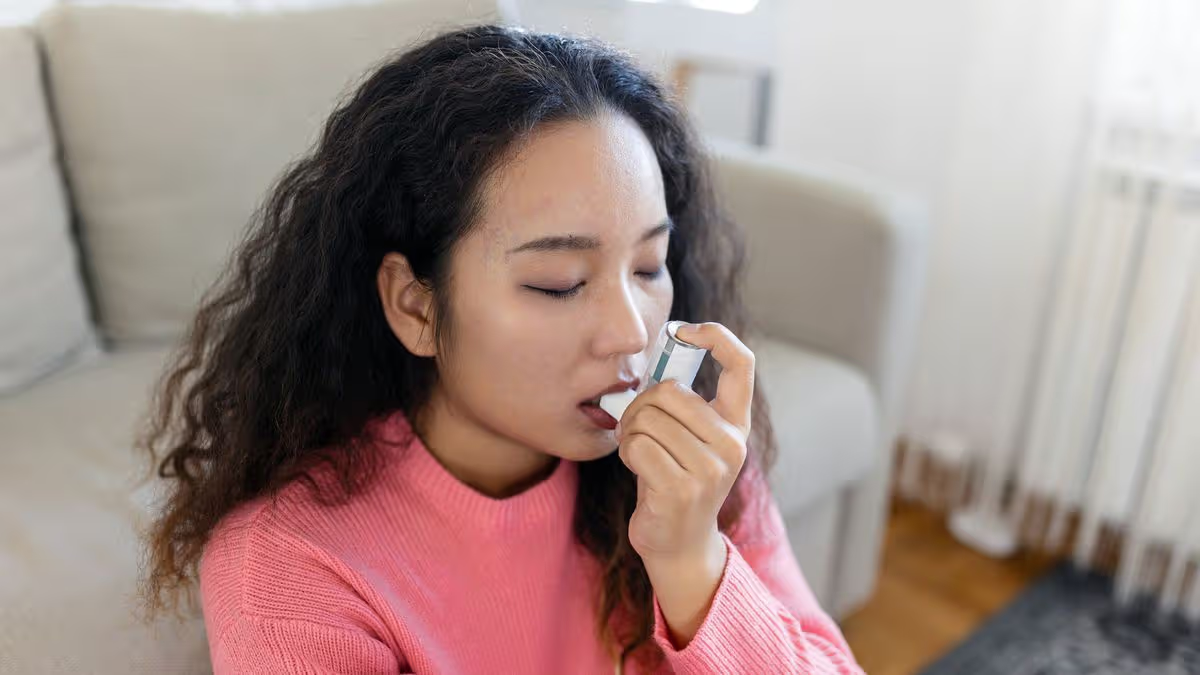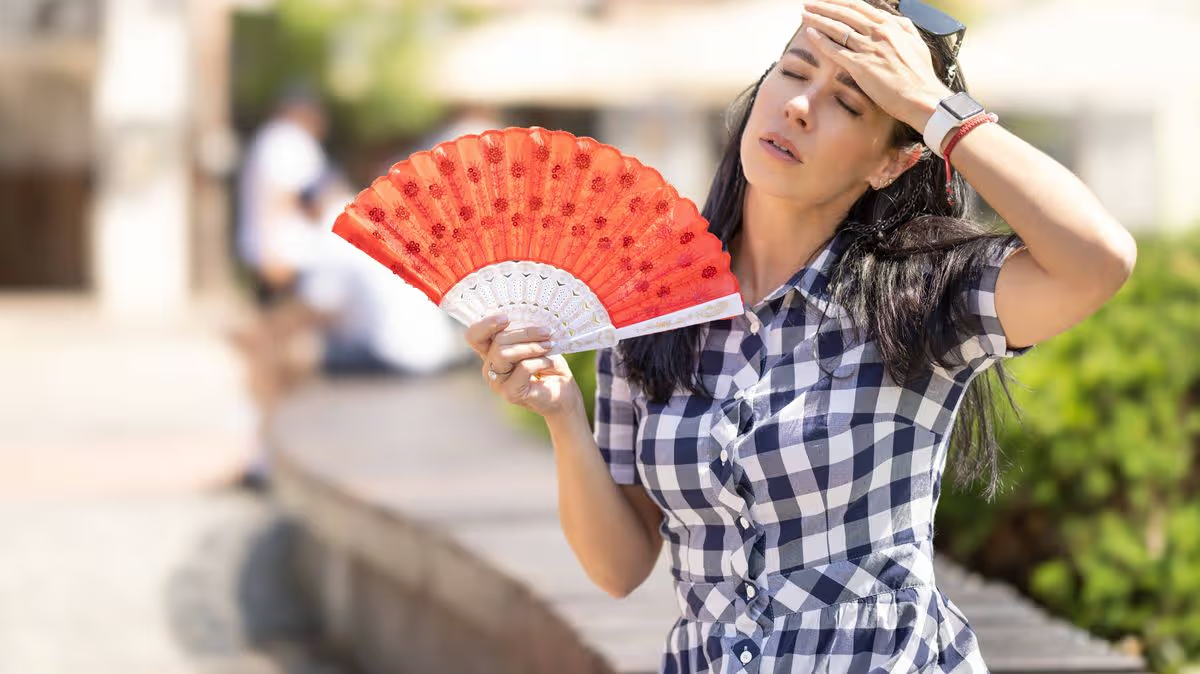
NewsHealthHeatwaveThe heat can have dangerous side effects on certain medications.11:59, 29 Jun 2026Last week’s heatwave saw temperatures soaring as high as 38°C, and with more hot weather on the way people are being urged to check the small print on their medications. Health experts are warning Brits that there are several medications that can be affected by hot weather.These common medications can be affected by heat or have side effects that could be putting millions of people at risk.Rhysa Phommachanh, Health Specialist at Landys Chemist, has shared an urgent warning for people on these medications to ensure they can stay safe in the heat.She said: “Always check your patient information leaflet for specific storage instructions, stay well hydrated, apply high-factor sunscreen, and definitely speak to a pharmacist if your medicine changes colour, smell, or texture.”These are the eight medications that must be monitoredInsulinInsulin is used by diabetics to regulate blood sugar. However, it can become less effective if it's exposed to high temperatures and stops controlling blood sugar.Unopened insulin must be stored between temperatures of 2°C to 8°C and once opened it should be stored at 15°C to 30°CEpiPensThese are crucial medications which can save lives in a severe allergic reaction.However, they must be stored below 25°C. In hot weather, if they are stored in a room which is too hot, it can reduce the reliability of the dose in an anaphylactic reactionAsthma inhalersInhalers can be affected by the heat due to pressure changes within the canister. This, in turn, can alter how medication is released and reduce the accuracy of dosage.DiureticsOften called water tablets, diuretics are used to help people’s kidneys remove excess salt and water. They cause an increase in urine output and fluid loss, which can make people dehydrate faster and make it harder to maintain a normal temperature balance.AntihistaminesAntihistamines can reduce sweating, which limits the body’s ability to cool itself effectively in high temperatures, which can lead to dehydration.AntidepressantsSome types of antidepressants can interfere with the brain's ability to regulate temperature and sweating, which in turn increases the risk of overheating and heat exhaustion.AntibioticsCertain antibiotics can cause photosensitivity, making the skin react more strongly to UV light and increasing the risk of sunburn.Article continues belowAcne treatmentsCertain acne treatments and popular skincare products like retinoids can thin the outer layer of the skin. This will make your skin more sensitive to UV damage and sunburn in hot weather.Choose Daily Mirror as a 'Preferred Source' on Google News for quick access to the news you value.HeatwavePrescriptionsWeather
Urgent warning for anyone using insulin or inhalers this summer
The heat can have dangerous side effects on certain medications.
418 words~2 min read