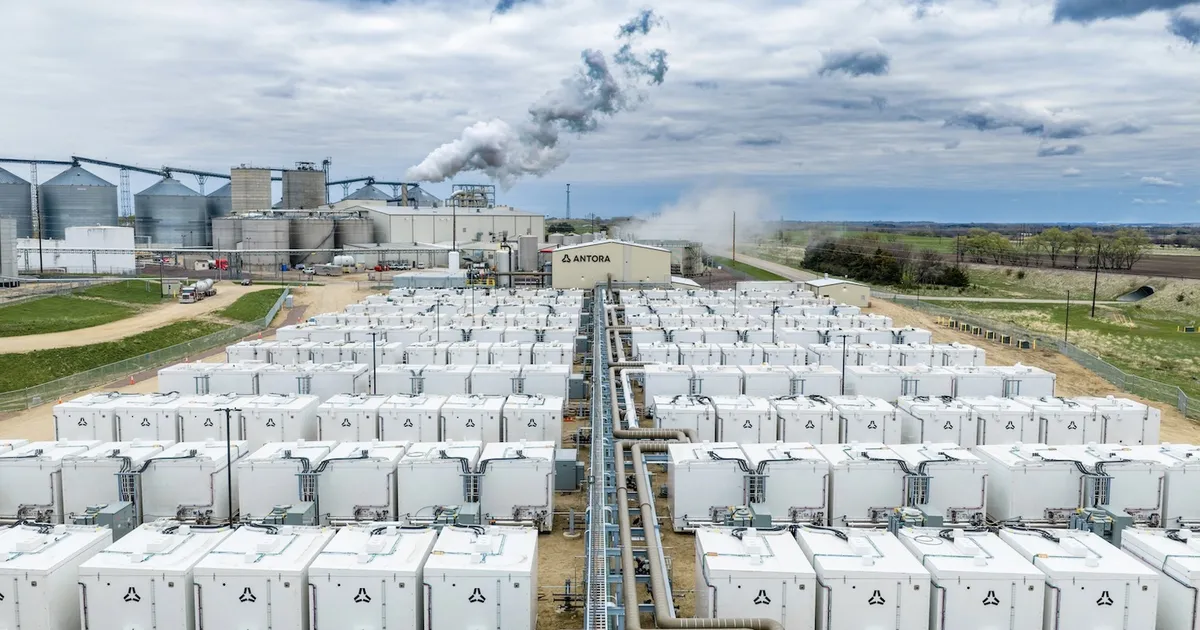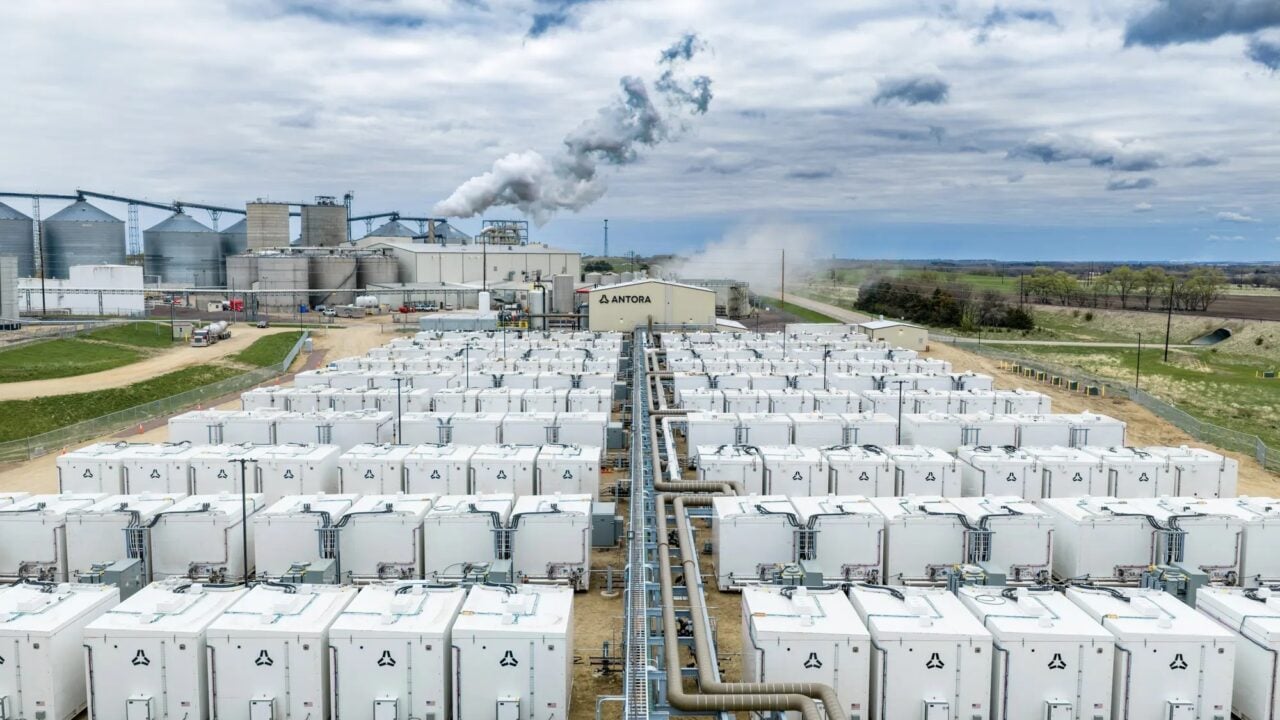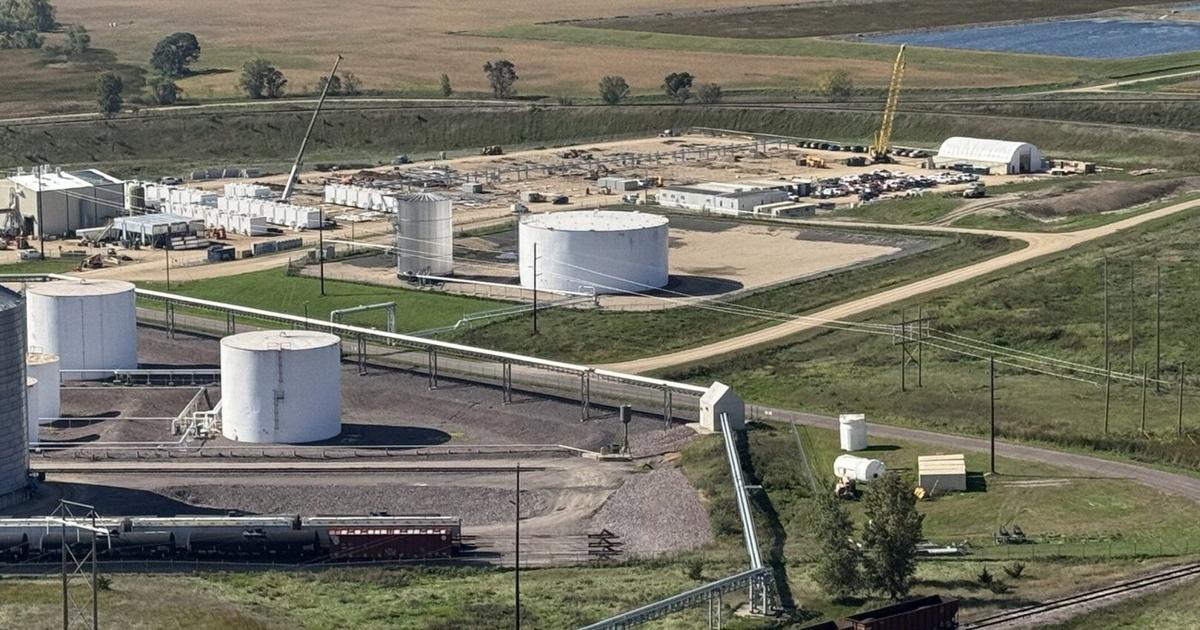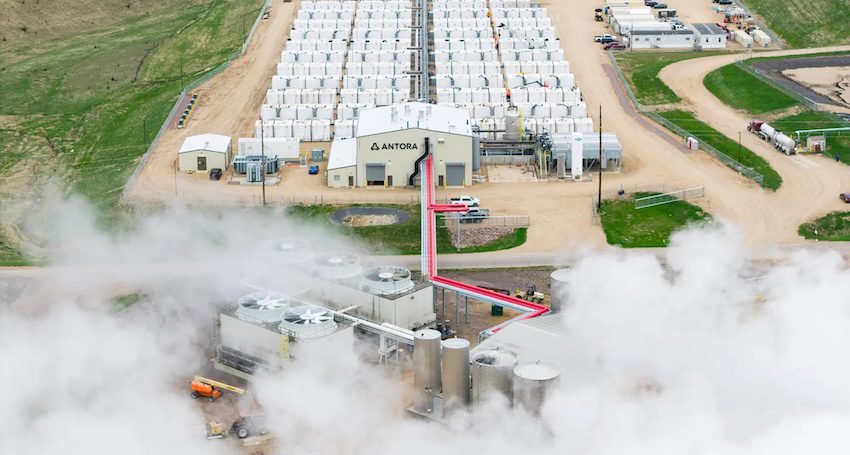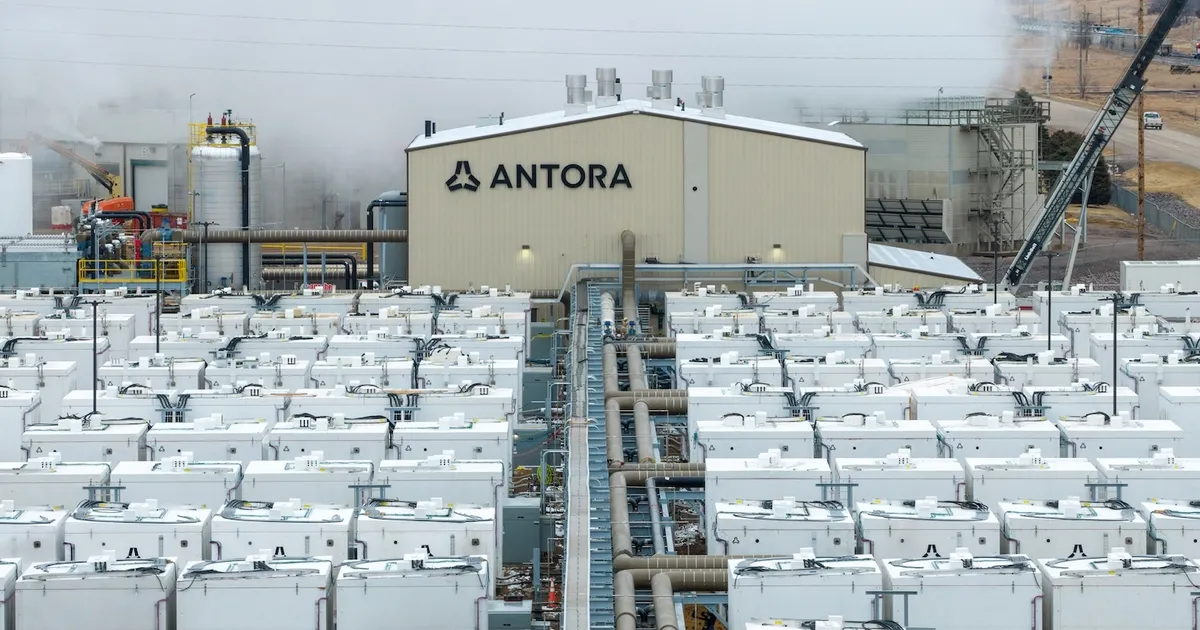
Antora and Grok Ventures jointly own the system and will sell heat to Poet under a long-term offtake agreement. The batteries will pipe steam over the fence to the bioprocessing plant, which uses copious amounts of low-temperature heat to turn corn into ethanol. Right now, at least some of that steam comes from boilers inside the 475-MW coal power plant that Otter Tail operates next door.
The novel electricity rate is key to allowing Antora to deliver competitively priced clean heat.
Noah Long, Antora’s director of state and regulatory affairs, said the problem with traditional retail utility rates is that they’re like peanut butter: They spread the average costs of generating and distributing power across all customers, regardless of whether they use power during the busiest, costliest times of day or during off-peak hours.
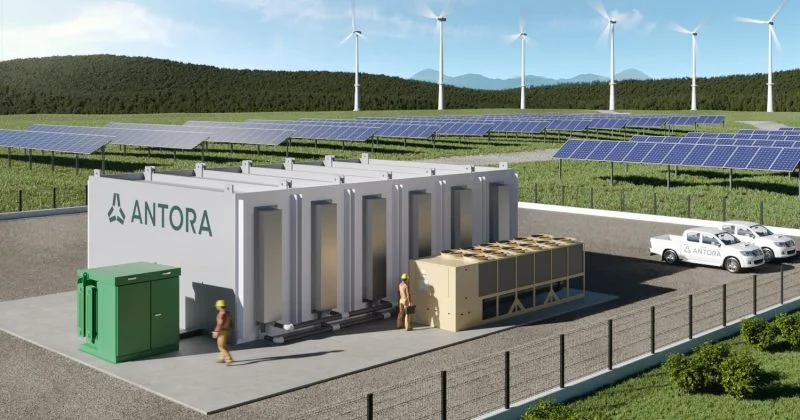
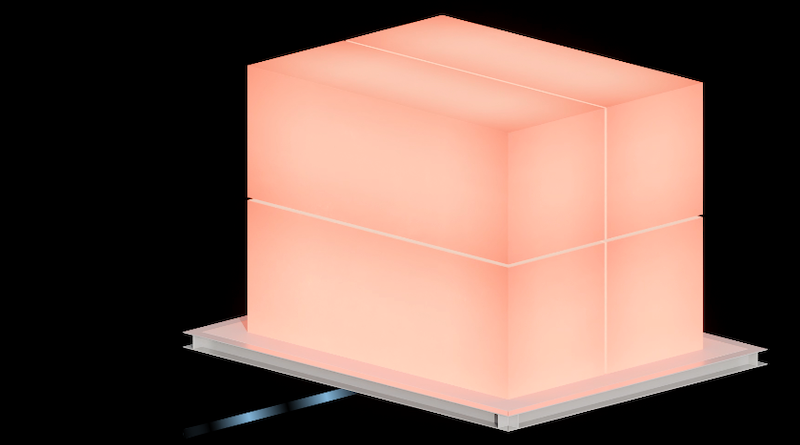
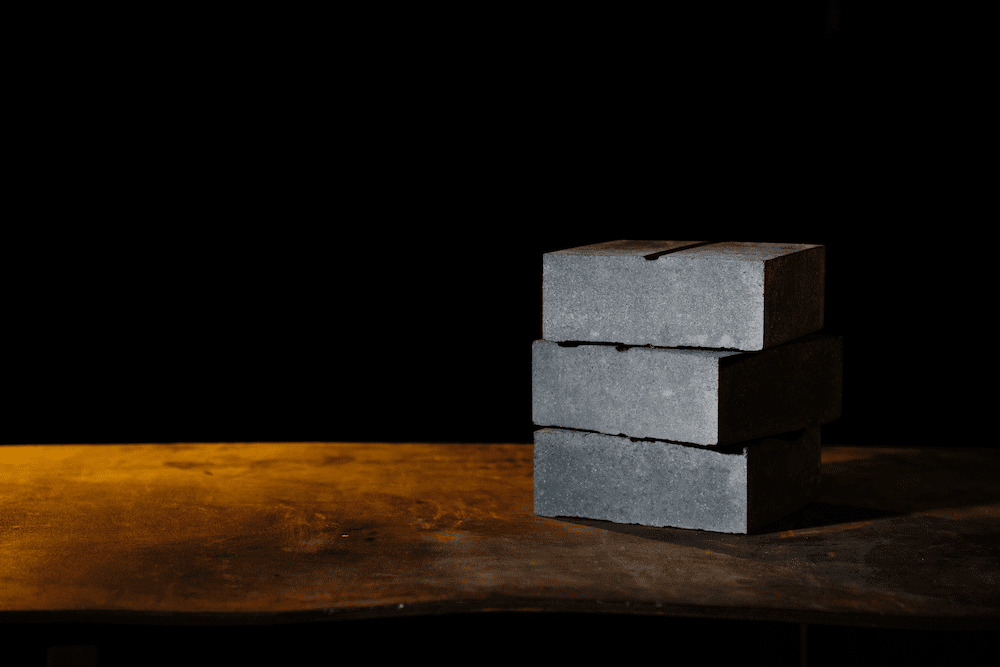
But thermal energy systems are designed to be highly flexible. If a wind or solar farm is producing more electricity than the grid needs, the batteries can absorb electrons that might otherwise go to waste. In that way, they curb their reliance on the grid when electricity supplies are limited, which in turn limits strain on the system and avoids the need for expensive grid upgrades.