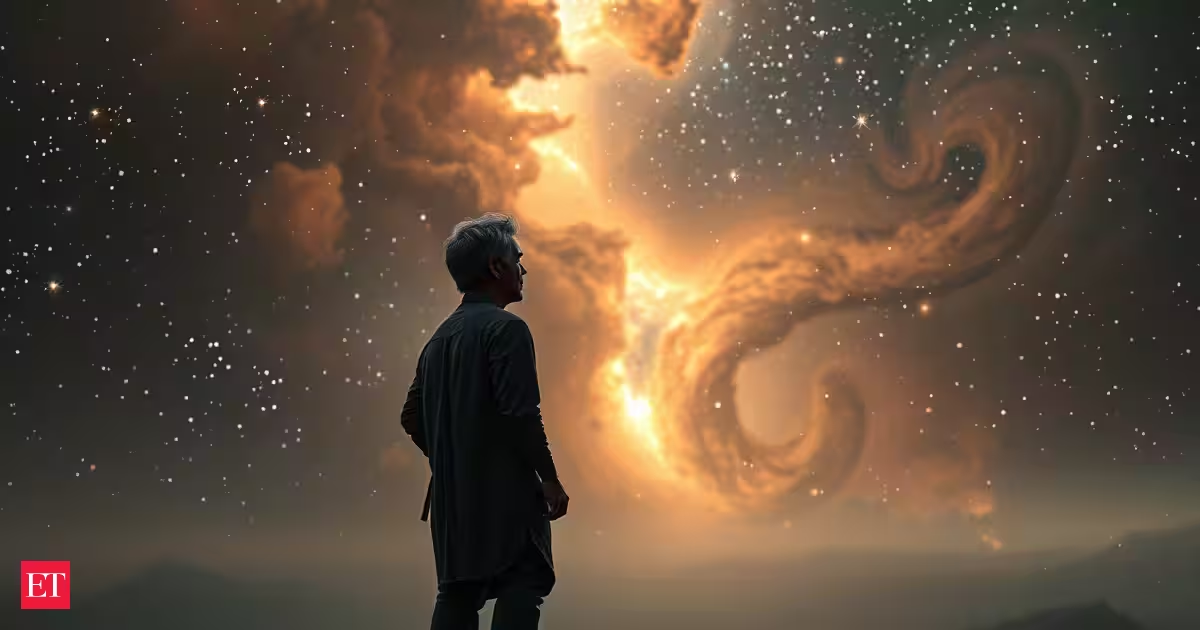
In 1704, Isaac Newton predicted the end of the world sometime around (or after, “but not before”) the year 2060, using a strange series of mathematical calculations. Rather than study what he called the “book of nature,” he took as his source the supposed prophecies of the Book of Revelation. While such predictions have always been central to Christianity, it is startling for modern people to look back and see the famed astronomer and physicist indulging them. For Newton, however, as Matthew Stanley writes at Science, “laying the foundation of modern physics and astronomy was a bit of a sideshow. He believed that his truly important work was deciphering ancient scriptures and uncovering the nature of the Christian religion.”
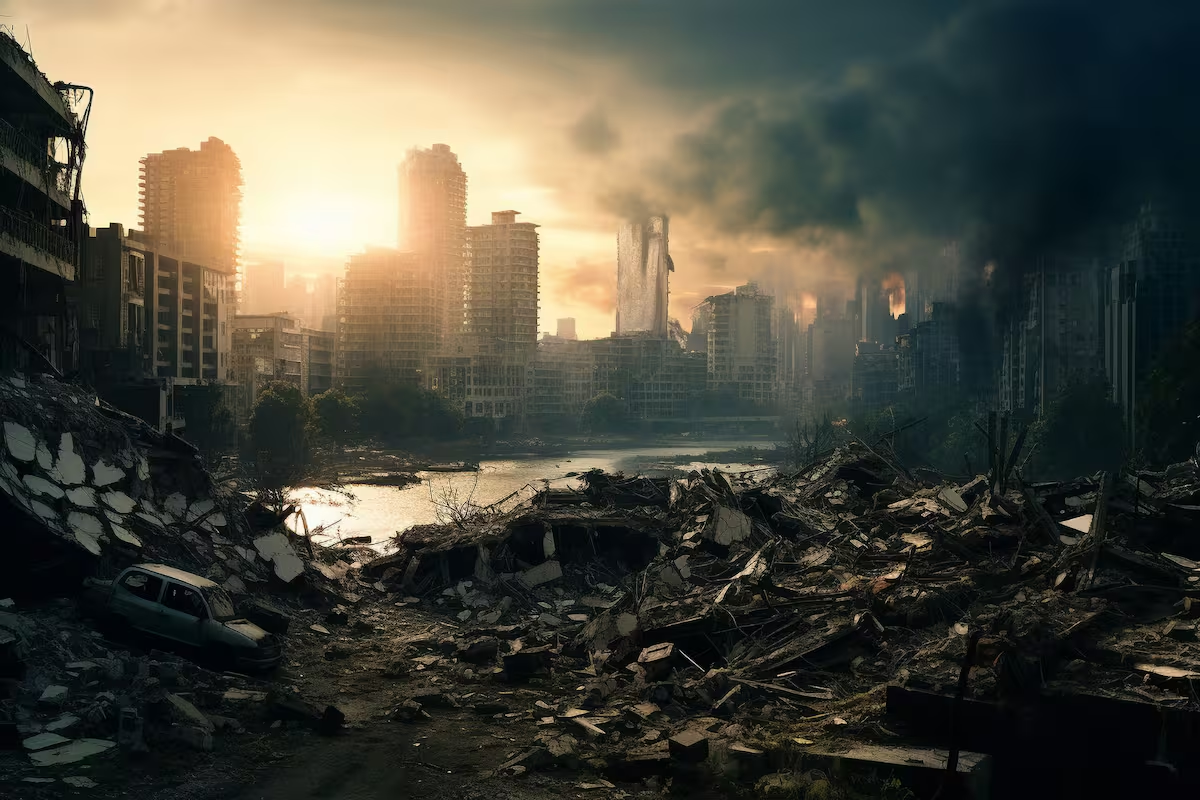
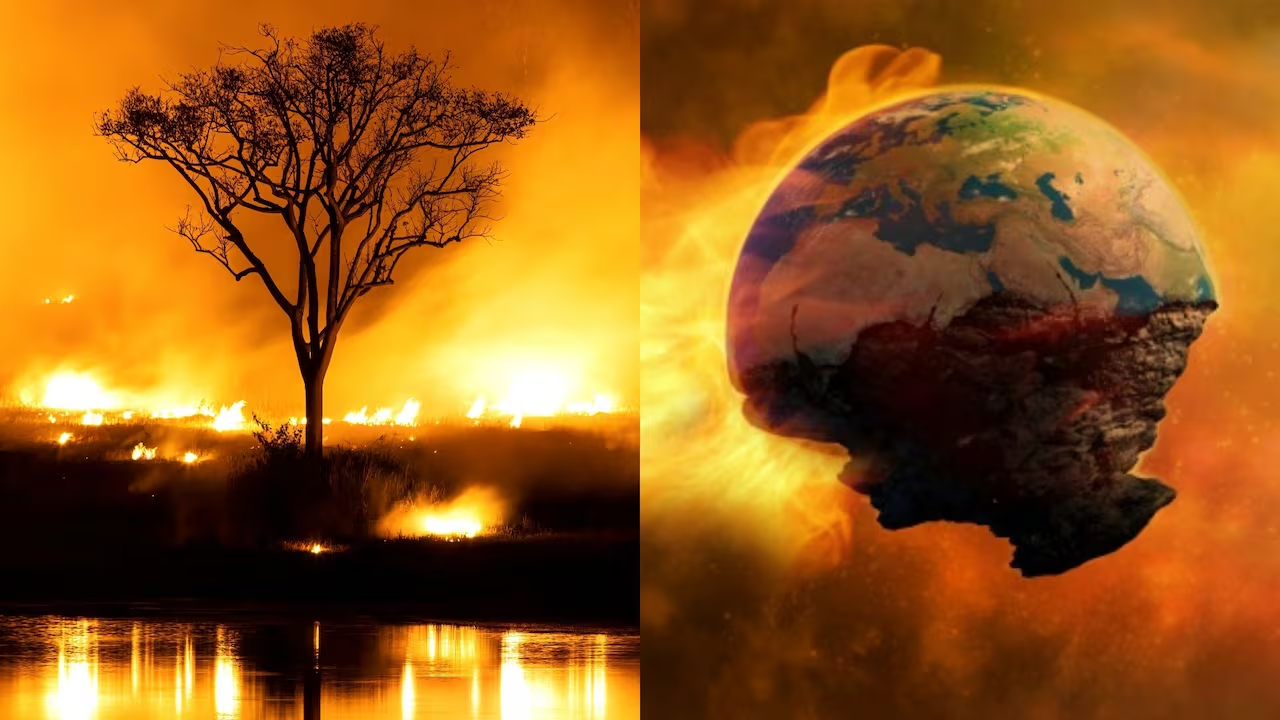
Over three hundred years later, we still have plenty of religious doomsayers predicting the end of the world with Bible codes. But in recent times, their ranks have seemingly been joined by scientists whose only professed aim is interpreting data from climate research and sustainability estimates given population growth and dwindling resources. The scientific predictions do not draw on ancient texts or theology, nor involve final battles between good and evil. Though there may be plagues and other horrible reckonings, these are predictably causal outcomes of over-production and consumption rather than divine wrath. Yet by some strange fluke, the science has arrived at the same apocalyptic date as Newton, plus or minus a decade or two.