Spec version notice: This article targets MCP specification version 2025-11-25. The protocol has shipped breaking changes between versions, tool schema field names and error codes have shifted in previous releases. Verify the protocolVersion string against the official MCP specification changelog before deployment, and on every spec update.
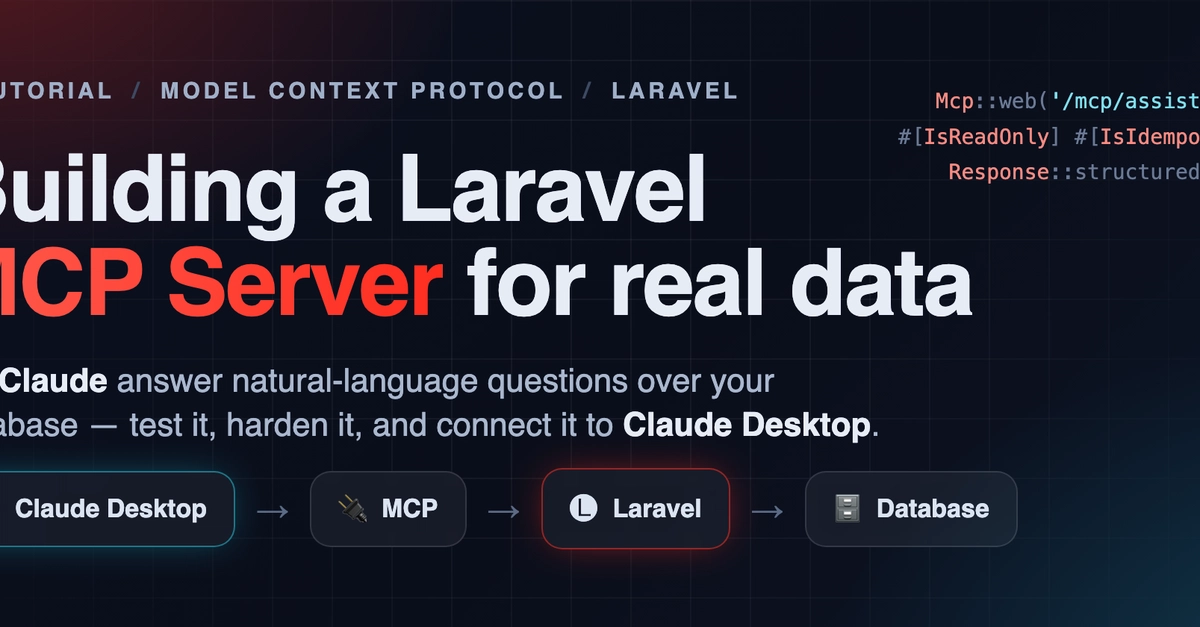
Most Laravel developers encounter the Model Context Protocol from the client side. You added a server to Claude Desktop, your IDE reached out to it, and tools appeared. You were the consumer. This article builds the other side of that relationship: a laravel mcp server that external AI agents can discover, authenticate against, and invoke.
This is part of the broader Laravel AI Architecture series covering the infrastructure decisions that make AI integrations maintainable at scale. The code examples use a consistent fictional domain throughout (a Laravel-based knowledge base application) so every snippet composes into a coherent system rather than a collection of isolated fragments.
What MCP actually is (and what it is not)
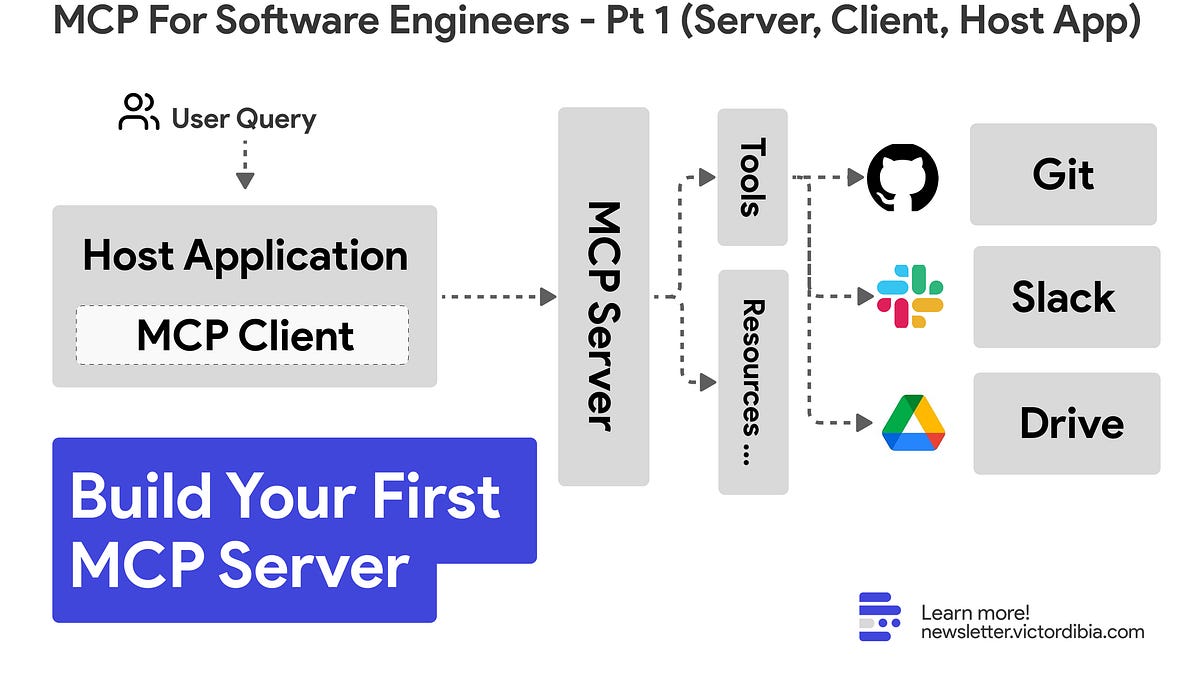
MCP, the Model Context Protocol, is a JSON-RPC 2.0 protocol. Not an API standard. Not REST. Not a framework. It defines a structured conversation between two parties: a client and a server. The client requests a list of available tools. The server describes them. The client asks the server to execute one. The server validates the input, runs the logic, and returns a result inside a JSON-RPC envelope.