Disclosure: I'm the author of SUPER-MCP, an open-source MCP server. The criteria in this article are derived from a threat model, not from SUPER-MCP's feature set. Apply this checklist to SUPER-MCP itself and you'll find it passes most items but not all: plugin OS isolation remains category 2 (tracked as a release-blocking open item), and task record encryption is a documented gap.
The MCP ecosystem has a labeling problem.
Search GitHub today and you'll find dozens of MCP server boilerplates proudly stamped "production-ready." Some have clean READMEs and real star counts. A few ship with Docker configs and JWT support. The official Model Context Protocol reference servers maintained by Anthropic's own steering group are explicit about this distinction. Their repository README states that these servers are intended as educational examples, not production-ready solutions, and that developers should evaluate their own security requirements. The community repositories claiming otherwise didn't get that memo.
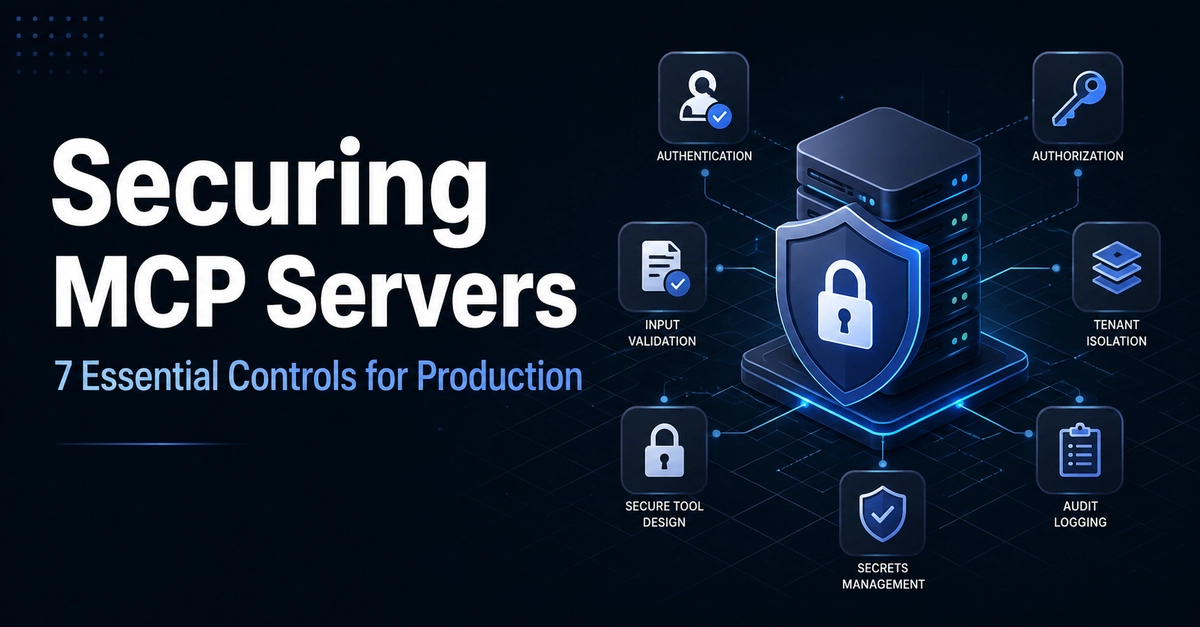
"Production-ready" has inflated to near-meaninglessness. In the MCP context specifically, the gap between what that label implies and what it actually delivers can expose your users to real harm. This article focuses on the security dimension of that gap — operational, performance, and reliability concerns are equally important, but they're separate topics.