Reaching a perfect balance between the amount of greenhouse gases released in the atmosphere and those that are removed, is considered an important milestone for limiting global warming and its adverse effects on the environment on Earth. This goal is referred to as net-zero emissions, as it would entail that emissions and removed gases would balance each other out, resulting in zero total greenhouse gas emissions.
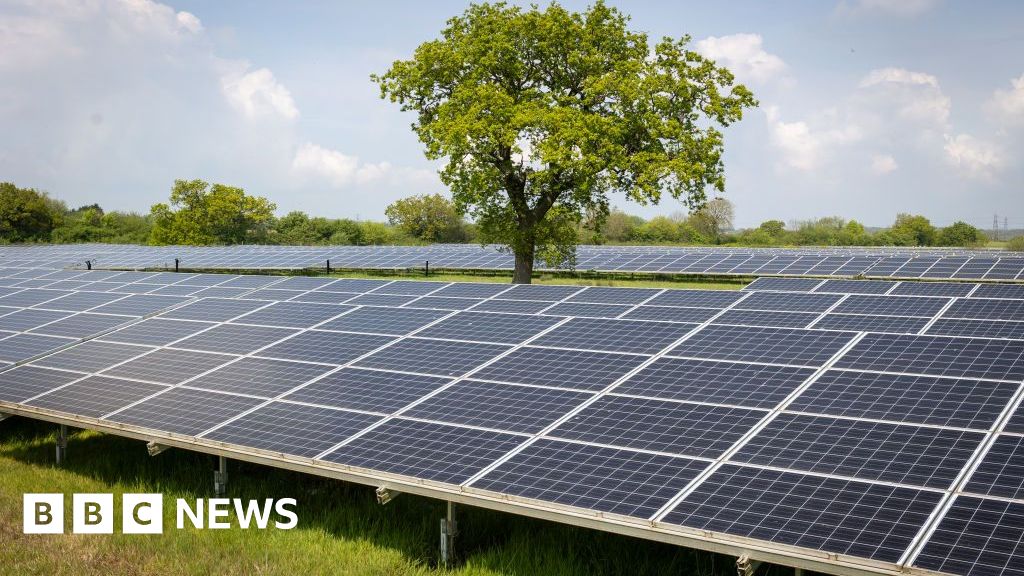
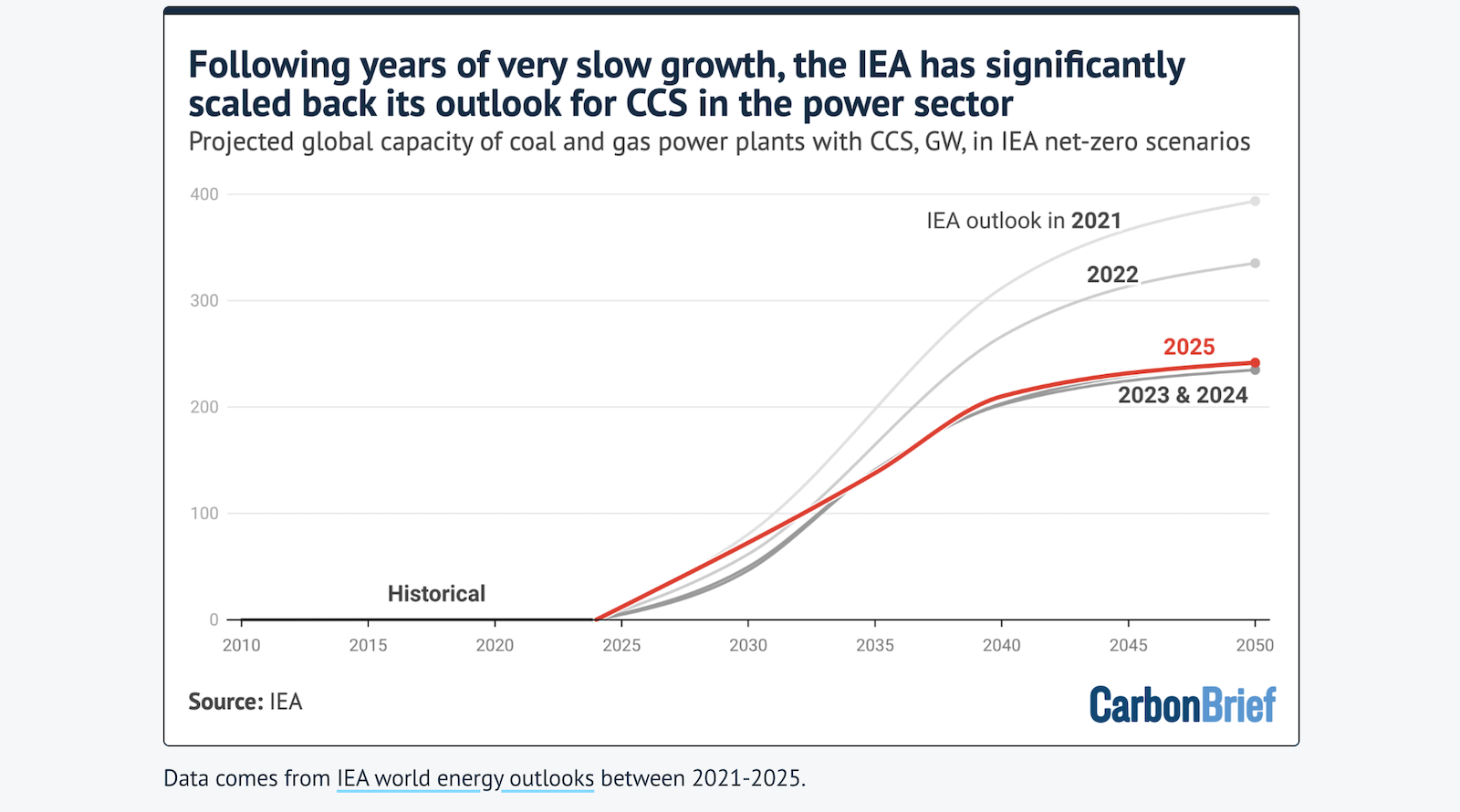
To pave the way for net-zero emissions, many energy engineers and global leaders have been developing and facilitating the deployment of energy technologies that produce, store and distribute electricity sourced from renewable sources. The most established among these technologies are solar cells and wind turbines, yet they also include hydroelectric power systems, green hydrogen production systems, devices for capturing carbon dioxide (CO2) and various other energy solutions.
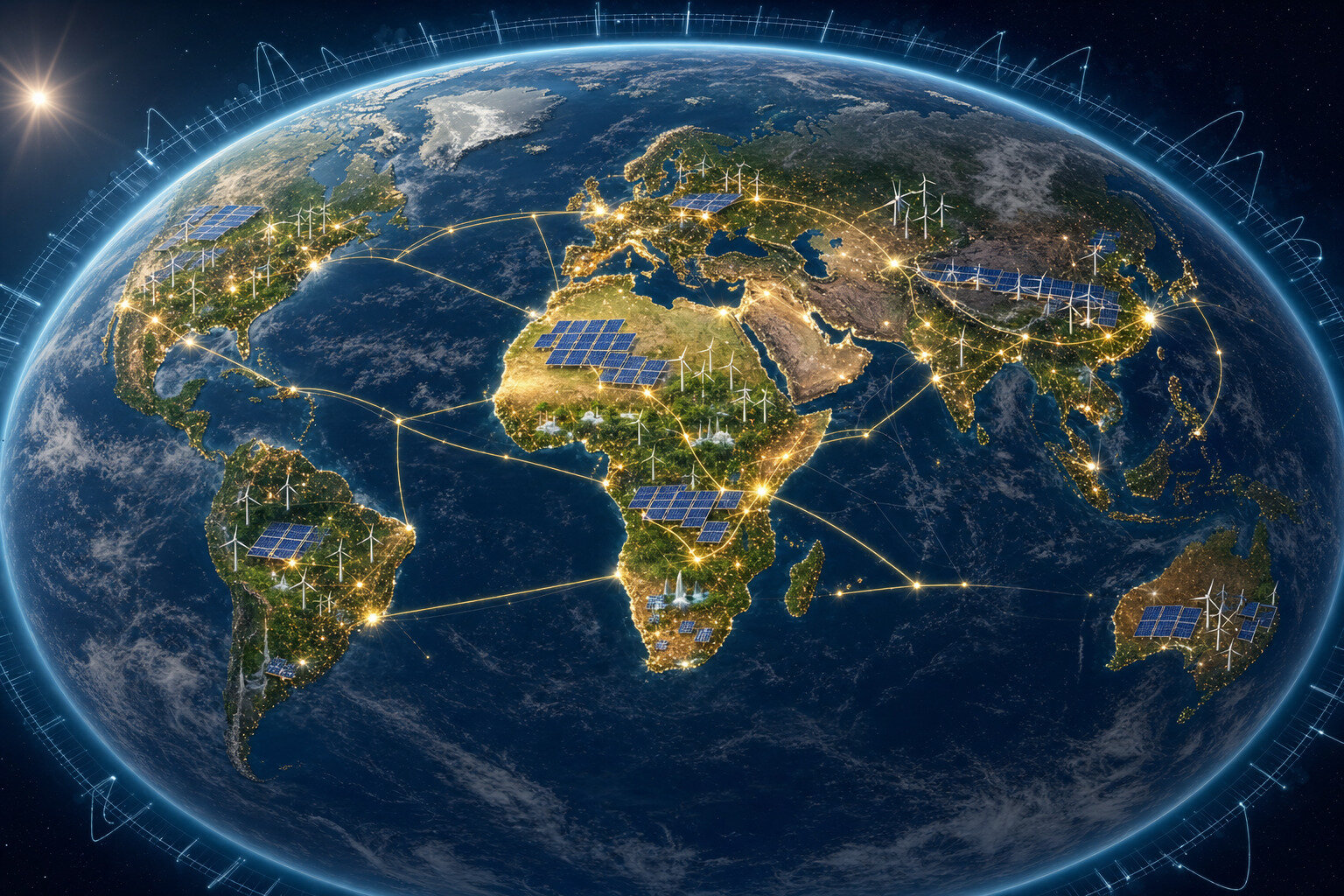
Researchers at Tsinghua University and other institutes recently carried out a study aimed at exploring the possibility that the world could realistically run entirely on clean electricity by 2050. Their paper, published in Nature Energy, presents a detailed model of a fully renewable global power system, estimating hourly energy demands across different geographic regions worldwide and introduces a proposal of how renewable energy technologies could help meet these demands.