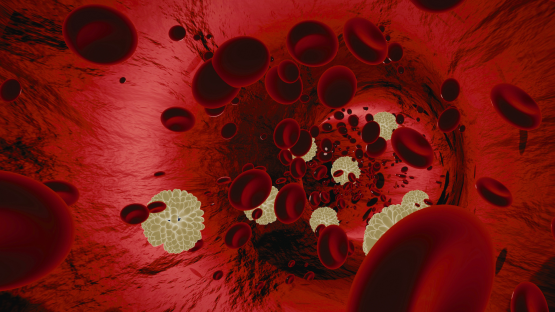
With the launch of the Robotics Center and the Center for Molecular Design in Medicine, EPFL is bringing together expertise, fostering synergies, and accelerating innovation in these fields.EPFL is expanding its portfolio of cross-disciplinary research areas with the creation of the Center for Molecular Design in Medicine (MDM) and the Robotics Center. These two ambitious initiatives reflect a shared vision: bringing together and connecting expertise around major societal challenges. Acting as catalysts, the centers foster collaboration among laboratories, schools, and external partners (including academic, industry, and institutional organizations) and help secure funding to accelerate the development of high-impact projects. They will also help strengthen EPFL’s international visibility by building research communities capable of addressing strategic topics that go beyond the traditional boundaries of individual disciplines. The centers also help position EPFL among the world’s leading institutions in those fields and train students, researchers, and entrepreneurs in an integrated innovation environment.The Center for Molecular Design in Medicine (MDM) aims to transform the way tomorrow’s medicines are designed, and developed by bringing together and fostering collaboration among EPFL’s wide-ranging expertise in fields like computational biology, bioengineering, structure-based methods such as cryo-EM for analyzing the three-dimensional structure of biological molecules, next-generation screening (including organoids and automation), and leveraging EPFL’s extensive biological expertise in different disease areas. Accordingly, the center’s goal is to serve as a hub to accelerate the discovery of new therapies for diseases that remain difficult to treat today, including certain cancers, infectious diseases and inflammatory disorders through new approaches that target a far broader range of biological molecules and interactions in the body.At EPFL, robotics research spans more than 25 labs, addressing high-impact societal and economic challenges in healthcare and rehabilitation, logistics and manufacturing, autonomous indoor and outdoor vehicles, and industrial as well as household automation. The new Robotics Center brings together a broad range of expertise across campus in material science, electronics, mechanics, control and AI shaping upcoming breakthroughs in robot control and design with a strong focus on resilient and sustainable design. The center will support cross-disciplinary collaborations, and impactful national and international events that accelerate research on robotics and consolidate cohesion around robotics education and infrastructure within EPFL. It will strengthen long-lasting industrial collaborations, and ensure high visibility of the excellence of our research, innovation, and education in robotics. “Robotics extends beyond AI, as it is a brain in a body, and major advances in the next decade will come from materials, new electronics, and more”, says Aude Billard, academic director of the center. Collaborations with the AI Center and other interdisciplinary centers are being actively developed.In addition to creating two new centers, EPFL is also transforming some existing ones into platforms, in particular the Center for Imaging and the Center for Innovation in Cultural Heritage. Focused on providing technological infrastructure, cutting-edge equipment, and specialized expertise to support the academic community, these platforms pool resources and support researchers through the work of highly skilled specialists.
Two New Interdisciplinary Centers on Campus
With the launch of the Robotics Center and the Center for Molecular Design in Medicine, EPFL is bringing together expertise, fostering synergies, and accelerating innovation in these fields.
488 words~2 min read