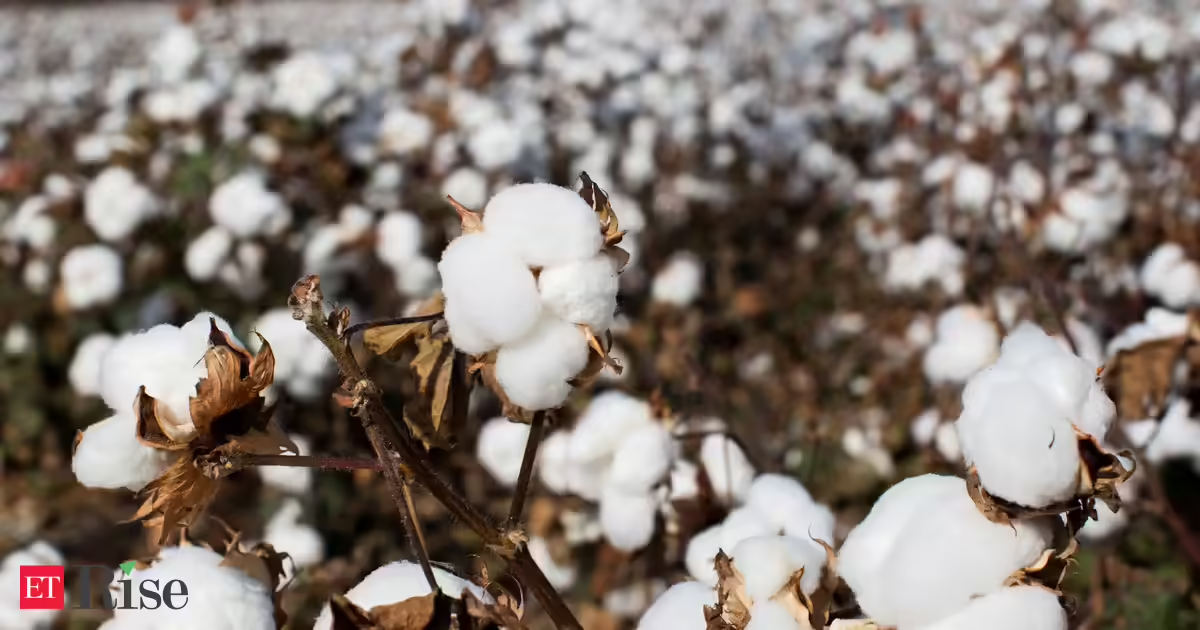
Brazilian cotton farmers and traders are ready to profit from a rally fueled by two disparate events: the Iran war and drought.Cotton prices are up more than 20% this year and this month touched the highest since 2024. Demand is shifting to the natural fiber after the effective closure of the Strait of Hormuz slowed shipments of naphtha, a petrochemical byproduct used to make competing synthetic fibers. Forecasts calling for dry weather in US growing areas added to the rally.All that has created an opening for well-supplied Brazilian farmers to increase exports and capitalize on higher prices.Brazil is on track to post record cotton sales of 3.1 million tons in the season ending in June, according to export group Anea. That would be up roughly 9% from the previous season. Demand from China, along with India’s temporary removal of import duties, boosted shipments, trade data shows. The South American country is the world’s top exporter of the commodity, surpassing the US.Farmers like Sergio Pitt, who grows cotton in Brazil’s Bahia state, are ready to cash in. Before this year’s rally, he’d locked in sales for about a third of his production. After futures spiked, Pitt quickly made deals to increase his sales to 90% of the crop he will start reaping next month. Bloomberg“My average sale price this year will be around 10% higher,” Pitt said. The boost to Brazilian cotton growers couldn’t come at a better time as the country’s farmers navigate financial pressures. Higher fertilizer costs, stalled rural debt restructuring talks and tighter credit conditions are squeezing the nation’s agriculture producers. Prices for farm products like coffee and sugar have dropped in the past 12 months, making cotton a rare bright spot.Brazil is a relative newcomer to the cotton world, but it’s had a swift rise to the top. The South American nation went from being a net importer in the 1990s to currently ranking as the No. 1 exporter. The country now accounts for about a third of global shipments, data from Anea show.Historically, the US was the top exporter of the fiber. But years of dry weather in primary growing regions, including in Texas, dragged down yields.Meanwhile, stable weather conditions in Brazil’s Center-West make it a reliable and steady crop region, said Gil Barabach, an analyst at agriculture consulting firm Safras & Mercados. Strong ties with big trade partners in Asia also favor local cotton businesses.“Brazil gained a lot of global market share thanks to its good relationship with China,” Barabach said. The Asian nation is the world’s largest importer. The favorable outlook means that Pitt, the farmer in Bahia, plans to increase the size of his cotton area in the next crop year. He has already bought chemicals needed for planting, taking advantage of a better financial standing thanks to the cotton price rally.Severe crop failure in the US Cotton Belt could lead to even higher prices. In that scenario, futures could sharply rise to about $1 per pound, said Danny Van Namen, a partner at cotton broker Artigas. Futures in New York are currently trading near 80 cents a pound. “Brazil is one of the world’s most-efficient origins,” Van Namen said. “Farmers will keep producing cotton no matter the price.”
Brazil’s cotton farmers cash in on rally fueled by obstacles worlds away
Brazilian cotton farmers are poised to profit from a significant price rally, driven by geopolitical tensions impacting synthetic fiber production and drought concerns in the US.
536 words~2 min read