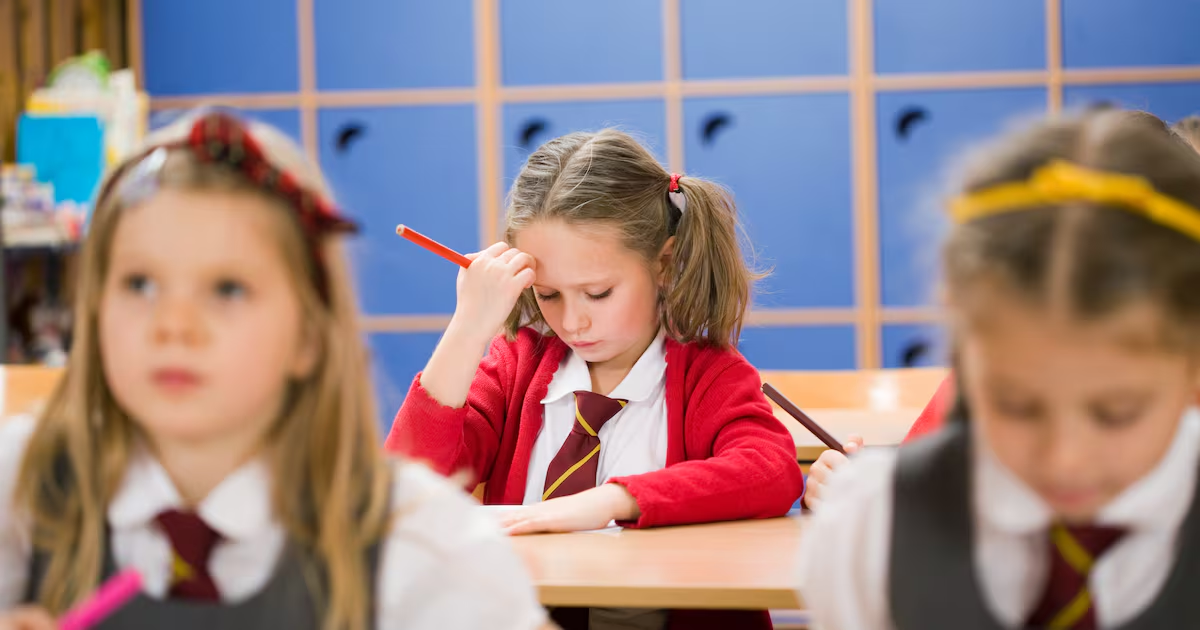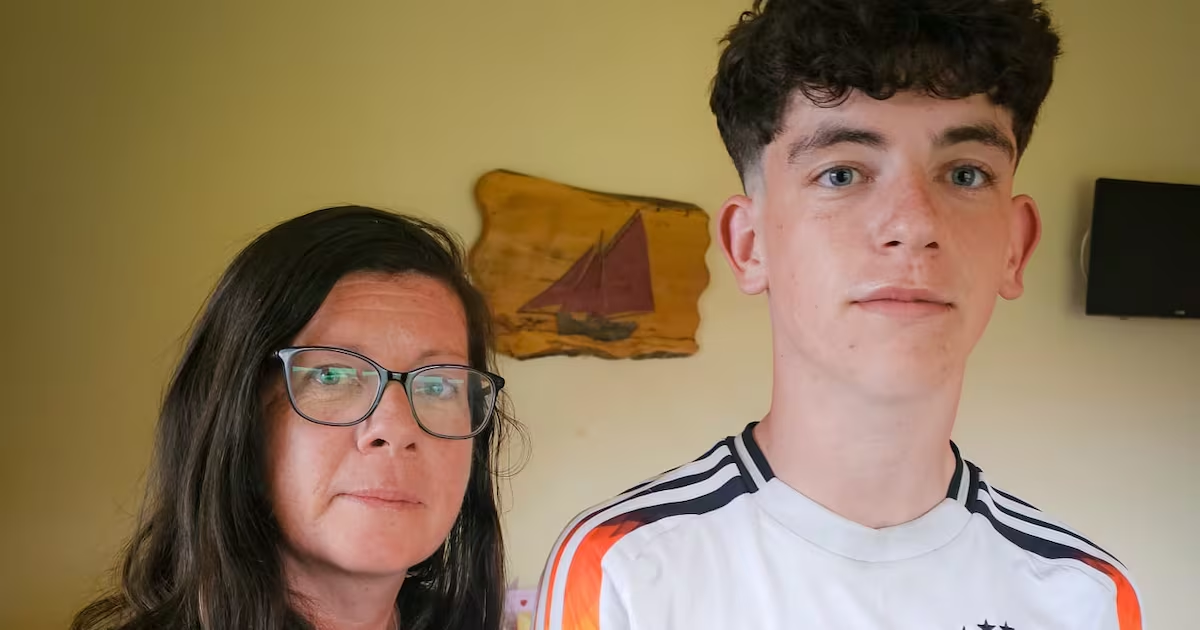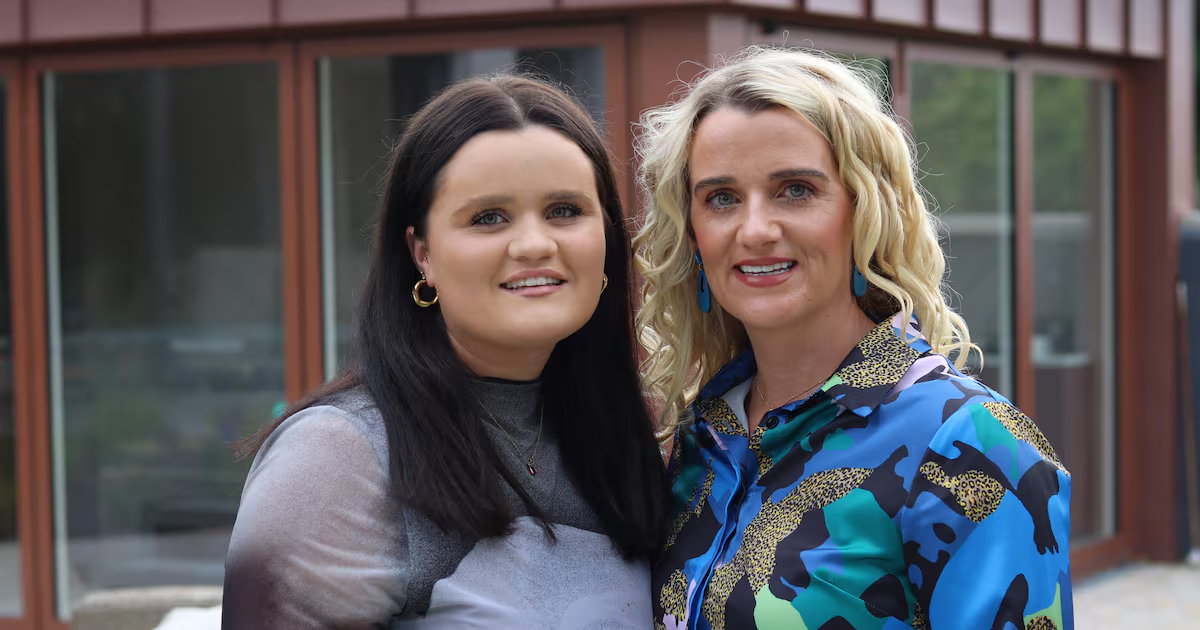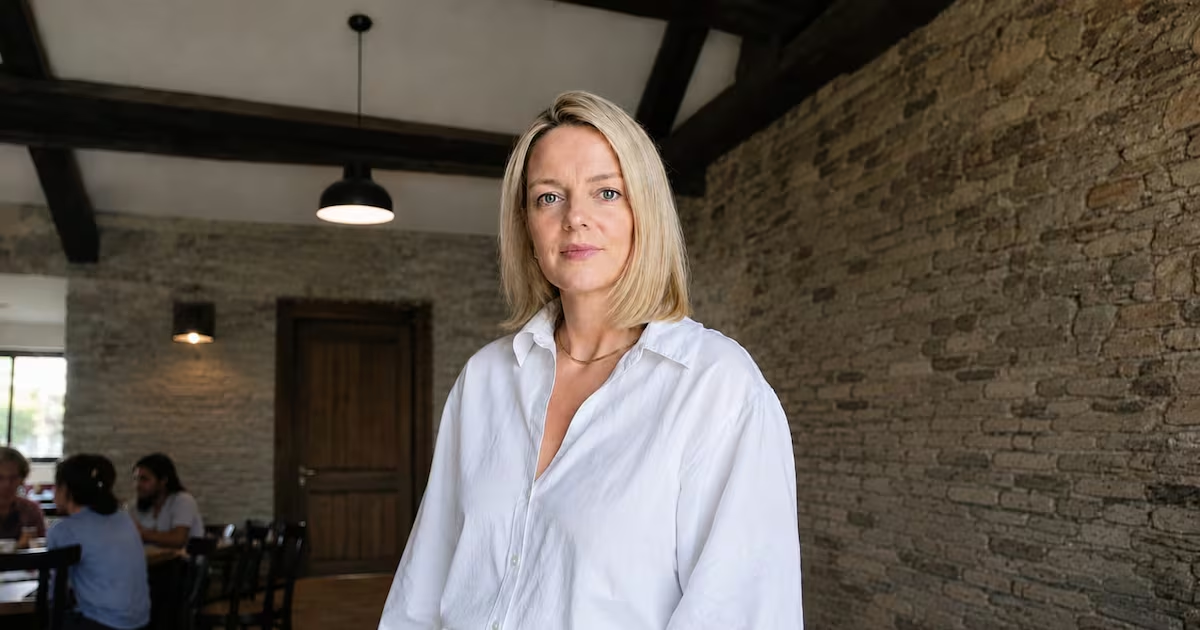
A mother fears her daughter, who has severe dyslexia, is being “left behind” as the girl cannot secure a place in a specialised reading class.Leonie Keane, of Co Galway, said her eight-year-old child was diagnosed as being between the first and second percentile for word processing and literacy. An educational psychologist recommended she attended a reading class, she said. Reading classes have nine pupils to one teacher and provide targeted support for children with severe dyslexia for two years before they return to mainstream education.Children must be in the first or second percentile for literacy to get a place. However, many children in this bracket cannot secure a place due to the low number of classes available.There are four reading schools and 14 reading classes across the State, but no new class or school has been opened by the Department of Education for more than 10 years.Keane sought a place for her daughter in a reading class at Scoil Chaitríona Senior school in Renmore, Co Galway, but she did not get in as more than 20 others had applied for just six places. She said the impact on the child was “massive from a self-esteem point of view”, given she struggled with day-to-day things and saw friends reading Harry Potter, road signs and menus in restaurants. “She made her communion on May 1st and she had an absolutely fabulous day and she was so delighted with herself, but she said, ‘Yeah, but Mommy, I’m not going to go up on the altar and read or sing because we tried that and I just couldn’t read the words, so I’m going to bring up the gifts’. So it’s even on days like that she’s being left out through nobody’s fault,” the mother said. Marianne Brady, Scoil Chaitríona principal, said the school’s reading class was oversubscribed year on year.“We could have maybe six times as many applicants as we have places – and that’s not a preference for a certain education by parents, typically it’s a really desperate search by parents of children with a severe need,” she said. Children who get into the classes come on “leaps and bounds” in their literacy skills, Brady said, and these could be “really transformative” when it came to self-esteem, confidence and preventing school avoidance in later years. “It’s not a luxury, it’s really a necessity for these kids,” Brady said.Asked if more reading classes would open to cater for this demand, the Department of Education said “to the greatest extent possible, pupils with additional learning needs are supported in mainstream classes along with their peers, with additional supports provided as necessary”.“The department has invested considerably in ensuring that all recognised mainstream schools have been allocated additional special education teaching resources to support children with special educational needs, including students with dyslexia,” it said. Dyslexia Ireland chief executive Rosie Bissett said there was a “huge gap” between the support provided in a mainstream class and what was given in a reading class.While the move towards inclusivity and catering for all needs in a mainstream class was “nice in theory”, she said there was a need for “something in-between”.“Rather than lots more special schools and classes, we would prefer to see much more being done in every single primary school in terms of resourcing, upskilling teachers, in terms of having more SET (special education teachers) available to people and making sure that they’re using really high-quality literacy intervention programmes as well,” Bissett said.But Keane said she feared the time for specialist intervention for her daughter was running out. “I’m just so afraid she’s just been left behind and the gap is widening and widening,” she said.
Mother fears daughter with dyslexia being ‘left behind’ as specialised reading class full
Support classes provide targeted help for pupils for two years, but are heavily oversubscribed
610 words~3 min read