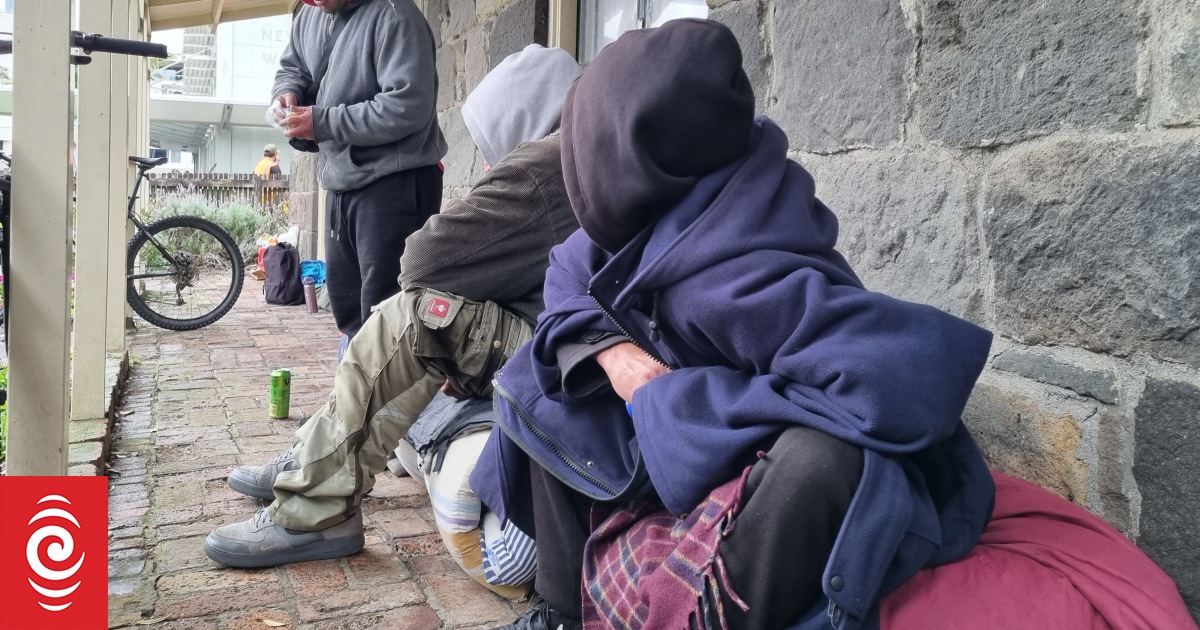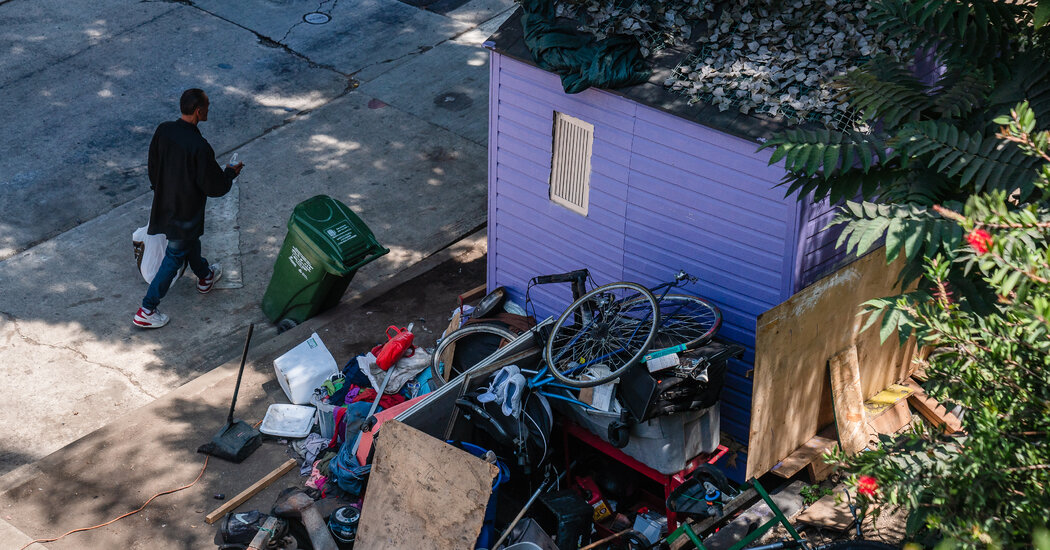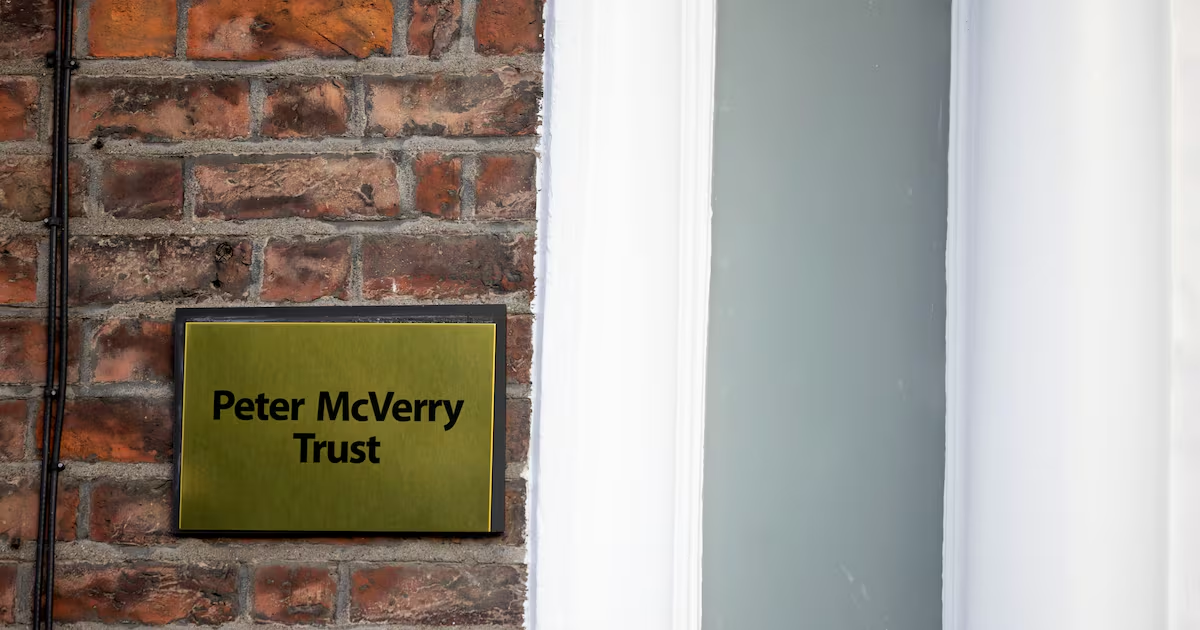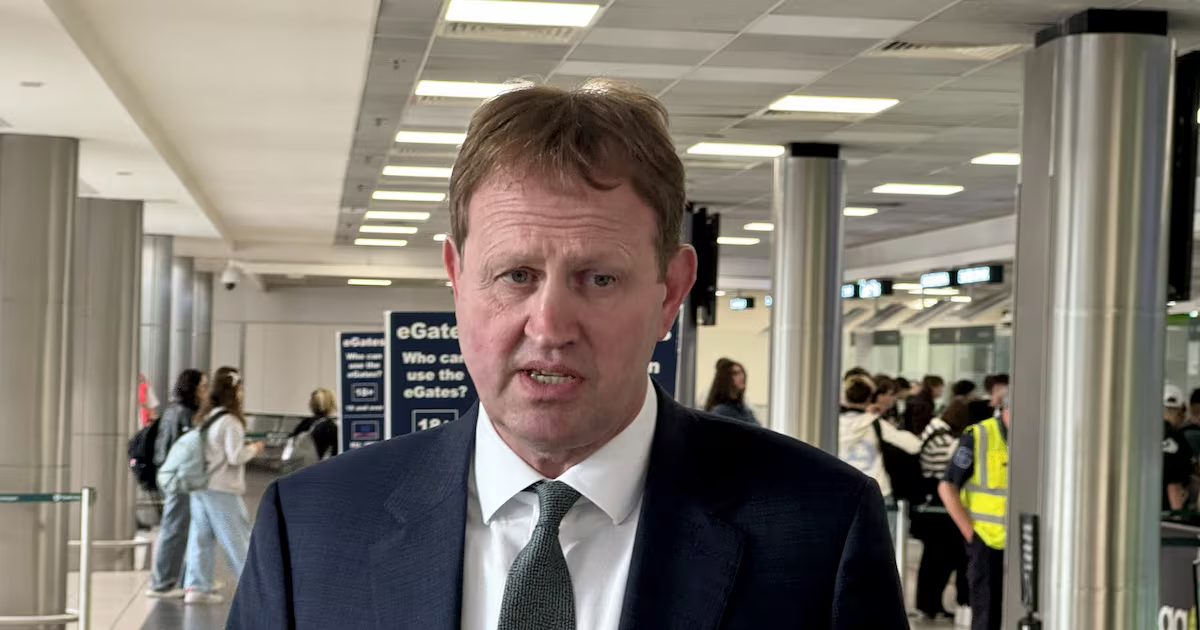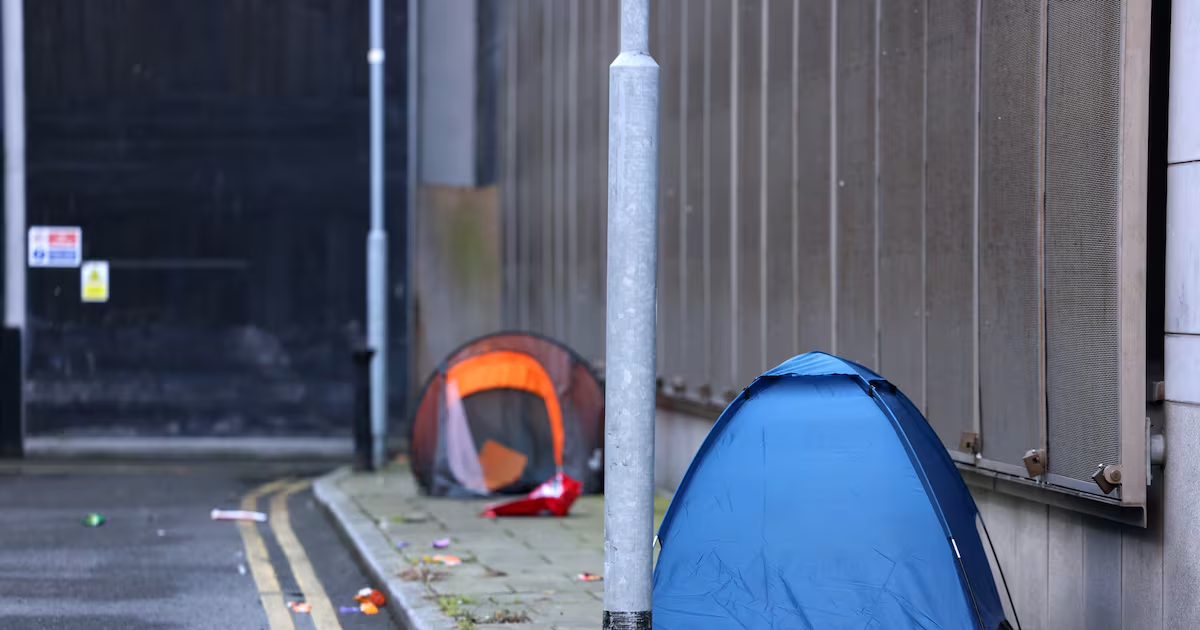
The Department of Justice has argued the “large majority” of people leaving direct provision do not become homeless despite reports it is the biggest driver of homelessness among single adults in the Dublin region. Homeless services, including the Dublin Region Homelessness Executive (DRHE), have said large numbers of people who previously lived in direct provision have presented as homeless – including 1,758 people having left international protection accommodation in the last five years.In a report given to a Dáil committee last month, the DRHE said leaving direct provision in the preceding six months had been the largest driver of homelessness among single adults in 2024 and 2025, accounting for 25 per cent of all new single entrants to its services. However, in a letter to the Public Accounts Committee (PAC), the secretary general of the Department of Justice – which runs the International Protection Accommodation Services (IPAS) – argued “the large majority of people who have previously resided in direct provision do not become homeless”. The secretary general added the department has arrangements in place to support people moving into independent housing.Amid pressure on the State’s system for accommodating newly-arrived asylum seekers, the department has been seeking to move individuals out of direct provision who have been given leave to remain in the country. Doncha O’Sullivan, the top civil servant in the department, argued in the letter that individuals may present to homelessness services “for a wide range of reasons which go beyond their previous residence in IPAS accommodation”. This suggested the reasons driving the trend are more complex than simply exiting direct provision.He pointed to the loss of rental accommodation, relationship breakdown or “other personal circumstances that arise after leaving the international protection system”. There are just over 5,000 people currently living in direct provision but who have a legal status that allows them to remain in Ireland – and are not entitled to remain in State accommodation.While many people do move out once they get legal status - the department said 4,000 such movements took place last year - the number has remained stubbornly high. IPAS periodically writes to such individuals to remind them they no longer have a right to State accommodation. O’Sullivan also said most applicants for international protection who are not accommodated on arrival are “not rough-sleeping”, with outreach teams in place making offers of accommodation. Seven per cent of families who present to the DRHE have previously resided in direct provision – amounting to 69 families in 2025, up from 29 in 2024, according to the letter sent to PAC.However, O’Sullivan pointed out there were fewer single people presenting to DRHE year-on-year, dropping from 559 in 2024 to 450 last year. Statistics in the same letter show that gardaí outnumbered deportees on charter flights out of the State by more than 2.5 to one, figures from the Department of Justice show. Some 785 gardaí were deployed on eight flights taking 301 people to various locations since February of last year, the figures show. The Department of Justice said the Garda use “well-established standards” and conduct risk assessments which determine the number of escorts required on a flight, while a backup team will be included in case of an emergency.
Department insists most people leaving direct provision do not become homeless
Homeless services previously pointed to figures outlining difficulties faced by people leaving direct provision
535 words~2 min read