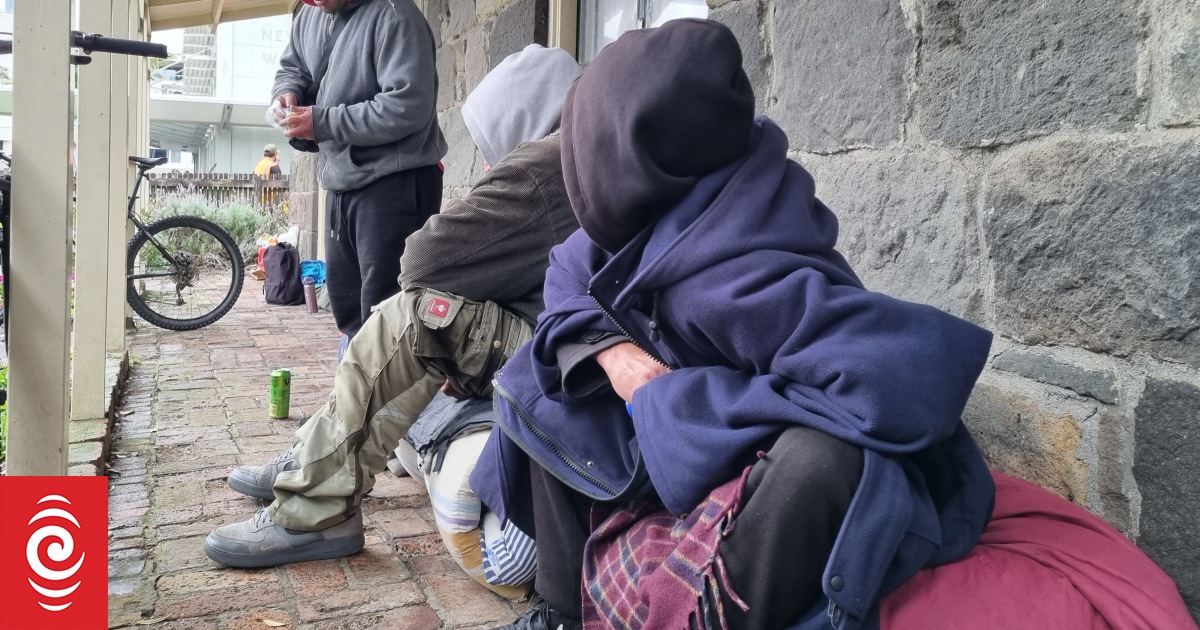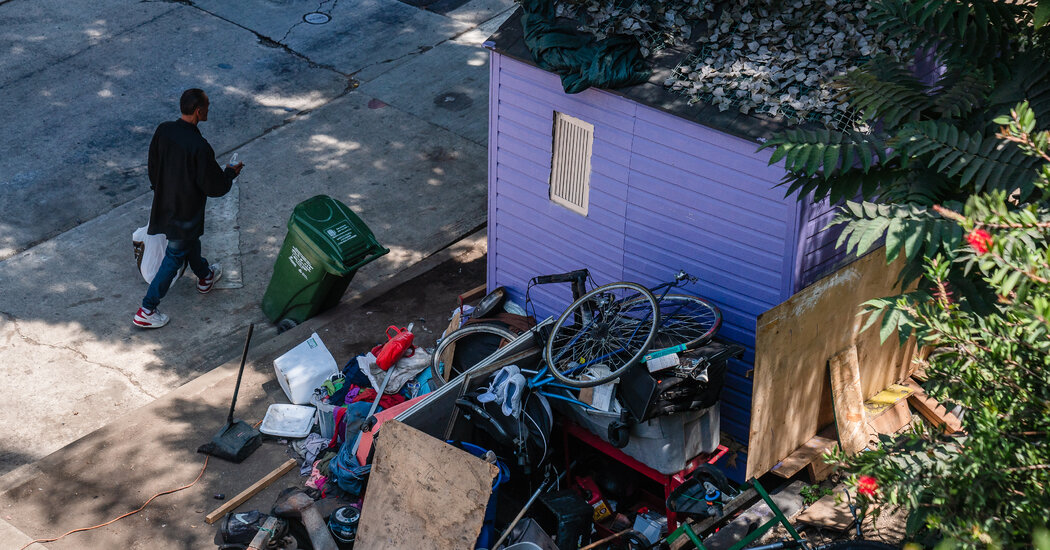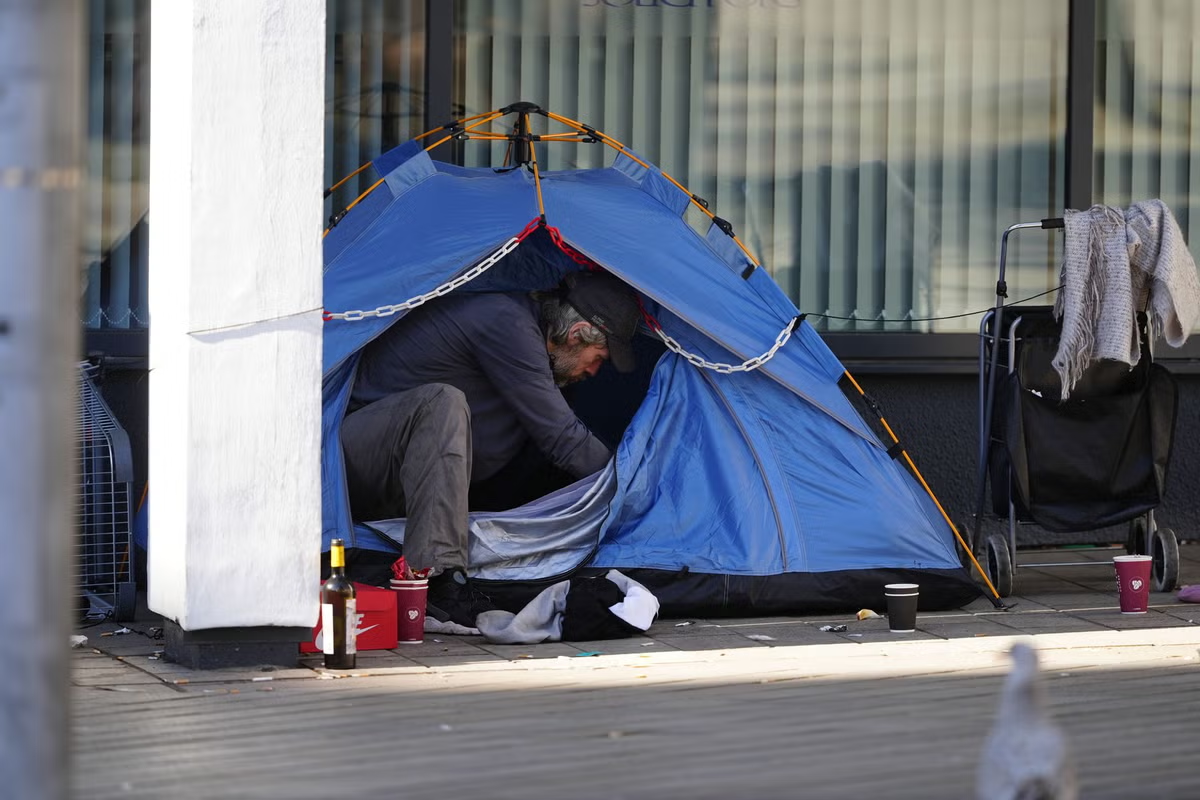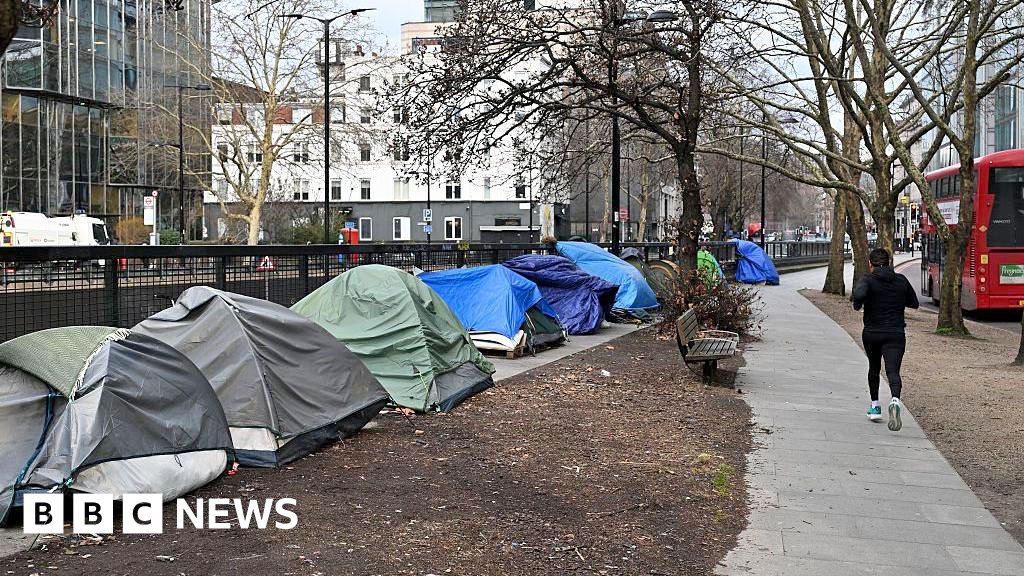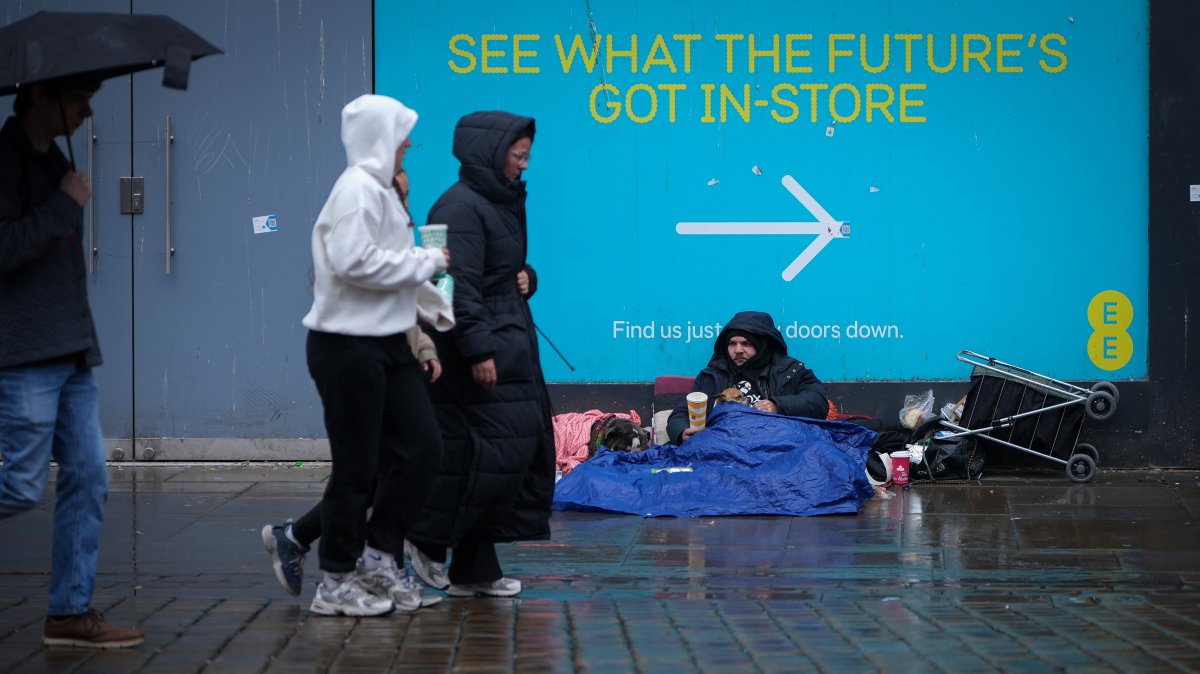
The number of homeless people continues to rise, with the latest figures showing there were 17,548 people in emergency accommodation last month, up 31 on the March total. The latest figures from the Department of Housing, published on Friday, show that during the week to April 26th there were 11,944 adults and 5,604 children in emergency accommodation. The children were in 2,707 families. Of those, 1,554 (57.4 per cent) were headed by single parents.The new data represents a 12.6 per cent increase in overall homeless figures in a year, and a 17.3 per cent increase in destitution among children since April 2025. The total at that point was 15,580.The figures do not include those living in overcrowded housing, domestic violence refuges, so-called sofa-surfing, sleeping rough or people who have a legal right to live in Ireland but are stuck in international protection (IPAS) accommodation as they cannot access housing. In Dublin, where the crisis is most acute, there were 12,475 people in homelessness – 8,349 adults and 4,126 children in 1,885 families. Among homeless adults, 17 per cent (2,117) were aged 18 to 24 years; 52.4 per cent (6,255) were aged 25 to 44; 27.7 per cent (3,307) were aged between 45 and 64; with 265 people (2.2 per cent) aged over 65.The data shows 69.1 per cent were Irish, British or from the European Economic Area. These comprised 5,940 Irish and 2,314 from the UK/EEA, with a further third (30.9 per cent) coming from outside the European Union. [ Homelessness traps people in sexually abusive situationsOpens in new window ]Focus Ireland, the largest charity working with homeless children and their families, said the Government must “act urgently”. This would require a “significant increase” in funding for the tenant-in-situ scheme whereby local authorities can buy houses from landlords looking to sell, in cases where the tenants qualify for social housing, allowing the household to remain in place. “With demand for emergency accommodation already at unprecedented levels, there is also a serious risk that suitable accommodation will simply not be available for households presenting to homeless services as notices of termination begin to expire,” said the charity.The Salvation Army said school holidays exacerbated pressures on homeless families with children.“Teenagers especially find living in emergency hubs during the extended break highly challenging,” said a spokesman. Mental health issues were “an inevitable consequence” it said.David Carroll, chief executive of Depaul, said the “scale of this crisis is like nothing we have seen before”.“We believe we are now beginning to see the real fallout from the rental legislation introduced in 2025 and the issue of affordability for families and individuals struggling to find accommodation in their price range.”Catherine Kenny, chief executive of Dublin Simon said homelessness was “not inevitable and it is not unsolvable”.“Through a continuum of support, from prevention, outreach and supported temporary accommodation to tenancy sustainment, health and recovery supports, along with more access to long-term housing, people can and do rebuild their lives.”Eoin Ó Broin, Sinn Féin spokesman on housing published what he called an “emergency homeless plan”.The 12-point approach, which he said Government must implement to begin reversing the upward trajectory in homelessness “month after month”, includes measures to “reverse the cuts and restrictions on second-hand acquisitions including tenant-in-situ; the introduction of a ban on no-fault evictions and rent increases; and an extension of the homeless HAP scheme statewide”.Rory Hearne, Social Democrats housing spokesman called for “a three-year ban on no-fault evictions for all tenancies, and a blanket ban on rent increases, before prices go any higher”.
School holidays ‘highly challenging’ for thousands of homeless children as rates rise again
Weekly snapshot does not consider overcrowded housing, refuges, couch-surfing, sleeping rough or IPAS
587 words~3 min read