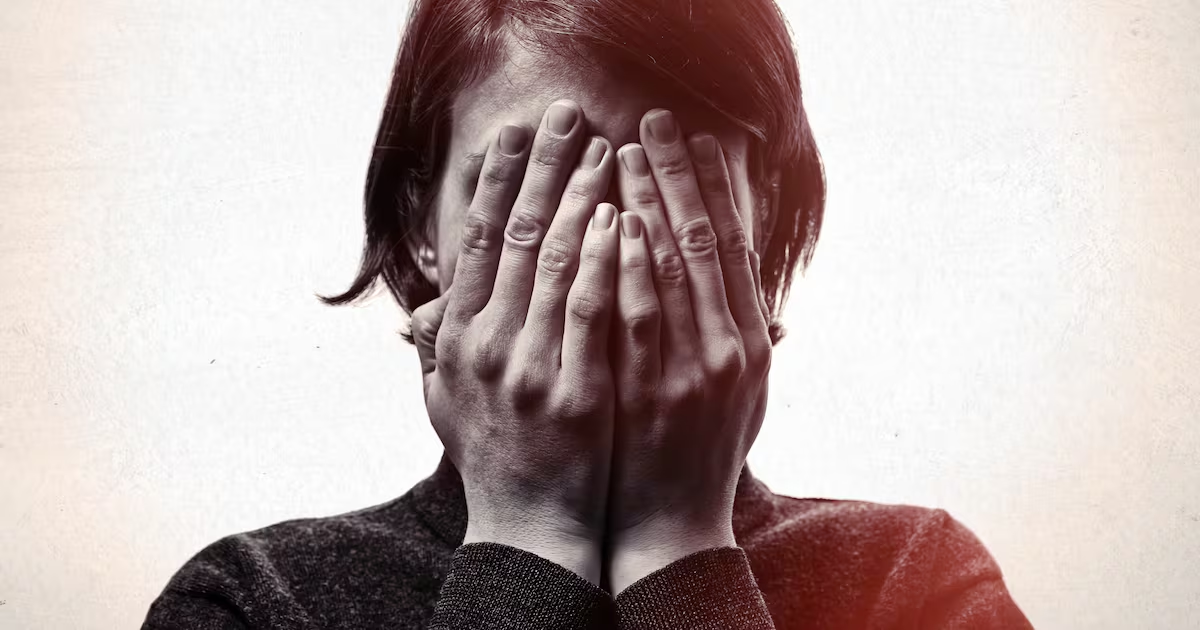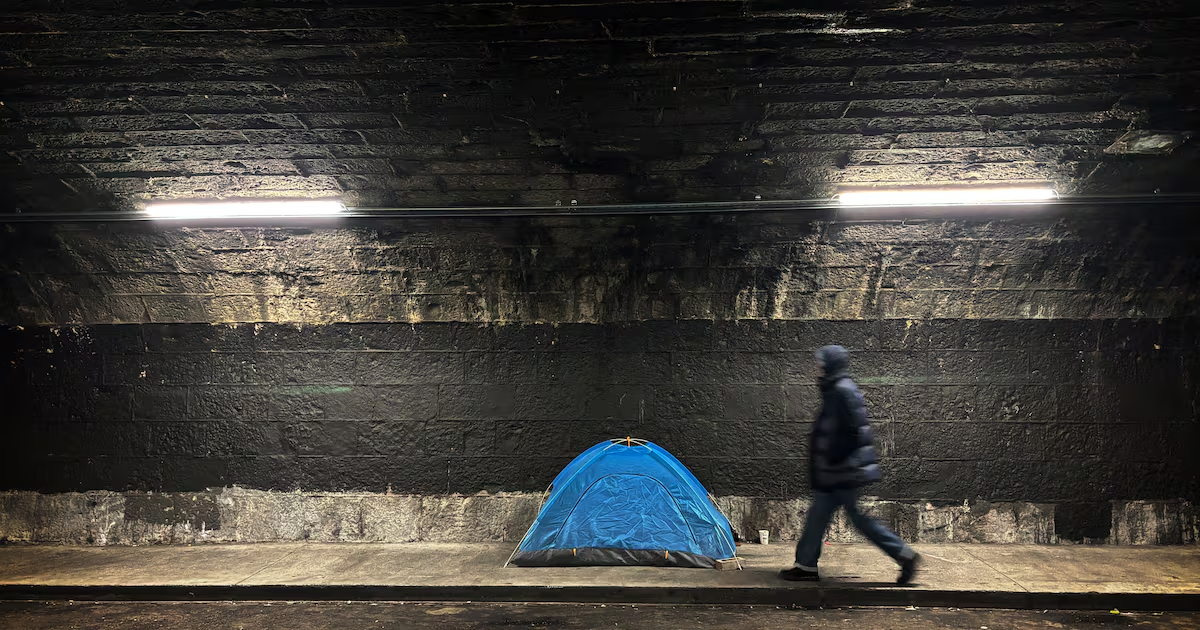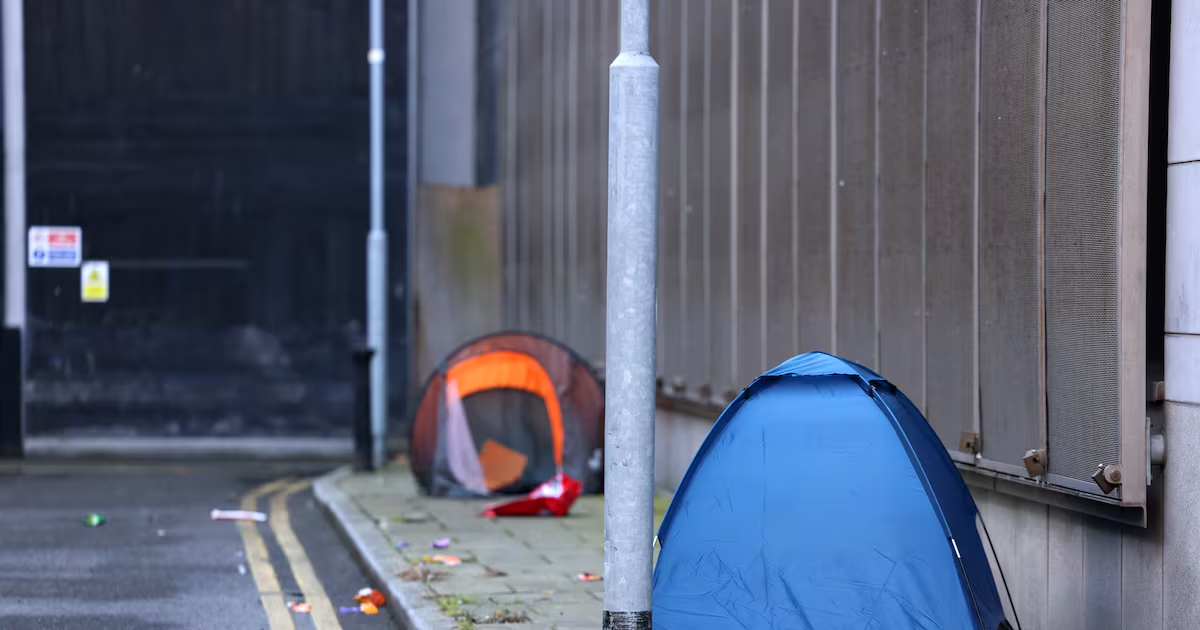
Fear of homelessness is increasingly trapping people in sexually abusive situations, some involving landlords, the Dublin Rape Crisis Centre (DRCC) says. The charity’s 2025 annual report says more callers to its helpline last year were experiencing homelessness than before – up from just over 200 in 2024 to more than 300 last year. “People spoke about [being] forced to stay in their living conditions because they were unable to secure other accommodation, and some feared being made homeless should they speak up or act against housemates or live-in landlords who were sexually abusive,” says the report.The report, published on Tuesday, notes an increase in disclosures of online abuse particularly among young people and teenagers, with image-based sexual abuse a significant problem. “We also had a considerable number of parents calling to learn how to support their young adult or adolescent children through the impact of sexual violence, which often occurred within relationships or at events,” it says.Last year “more people needed our services than ever before”, with callers to the helpline, contacts to its webchat service and demand for therapy and counselling “at record levels”.“The ... helpline was under sustained pressure throughout the year, recording 23,955 contacts. This represented a 5.5 per cent increase on 2024 and a 29 per cent increase on 2023,” says the report.A total of 7,352 people called the helpline for the first time, 11,623 were repeat callers and 4,980 were unknown.DRCC’s therapy service saw 838 clients in 2025 – a 31.5 per cent increase on 2024 and a 70 per cent rise since 2023. Of these, 542 were new clients and 296 ongoing. [ Minister urged to strengthen new law restricting disclosure of counselling notesOpens in new window ]While these indicated a “growing confidence in support pathways”, they also underlined “that sexual violence remains deeply embedded, prevalent and enduring across Irish society”, says the report.Most callers to the helpline were female (70.2 per cent), while 11.7 per cent were male and 0.4 per cent identified as “other”. Gender was not disclosed by 17.7 per cent of callers. Looking at age, the largest cohort (20.4 per cent) were under 30 years, followed by callers aged 30-39 (12.8 per cent), 50- to 59-year-olds (11.6 per cent), and those aged 40-49 (11.4 per cent). One in 20 were older than 60.Just over four in 10 (41 per cent) of callers were in Dublin; 18.1 per cent were from outside Dublin; 0.3 per cent were outside Ireland; 40 per cent were from an unknown location.The DRCC 24-hour helpline can be reached on 1800 778 888.
Homelessness is trapping people in sexually abusive situations, Dublin Rape Crisis Centre says
Some people ‘feared being made homeless should they speak up or act against housemates or live-in landlords who were sexually abusive’
426 words~2 min read